
Utah Mortgage Rates Today: What Buyers Should Know in 2026

Salt Lake City neighborhood with the Wasatch Mountains at sunrise, representing Utah mortgage rates today in 2026.

After more than two decades working in Utah’s mortgage industry, I’ve learned that the buyers who do well here aren’t the ones who time the market perfectly. They’re the ones who understand what they’re looking at. If you’ve been searching utah mortgage rates today and trying to make sense of the numbers, this guide covers where rates stand, how the 30-year and 15-year options compare, and how Utah buyers actually end up with better deals.

Current Mortgage Rates in Utah: Where Things Stand

As of June 2026, current mortgage rates in utah are in the low-to-mid 6% range for a 30-year fixed loan, with 15-year loans running roughly 5.75% to 5.95%, according to recent surveys from Zillow, NerdWallet, and Bankrate. Current utah mortgage rates track national averages closely — Utah rarely runs more than a few basis points off the rest of the country.

A note of perspective, because I hear this from buyers constantly: if you’re waiting for a return to the 3% rates of 2021, you may be waiting a long time. Those rates were the exception, not the rule. Rates in the 6s are historically ordinary, and plenty of homes were bought and paid off at higher.

What’s more useful to understand is that mortgage rates utah lenders quote can differ by a quarter point or more for the same borrower on the same day. The home loan rates utah banks advertise are written for the strongest applicant who walks through the door. Your actual rate comes down to your credit score, your down payment, and your debt load — which means you have more influence over it than the headlines suggest.

30 Year Mortgage Rates Utah Buyers Usually Choose

Utah skews young, households here run larger than the national average, and the typical home now costs over $500,000. Put those together and it’s no mystery why most buyers in the state go with a 30-year loan: it keeps the monthly payment workable for a family budget. 30 year mortgage rates utah lenders are offering this summer generally fall between 6.1% and 6.4%, depending on the borrower.

When you’re comparing 30 year fixed mortgage rates utah quotes, look past the rate to the APR — that’s where lender fees show up, and it’s the better number for comparing offers side by side. One more practical habit: when checking 30 year mortgage rates today online, check the date on the quote. Rates reprice daily, and decisions get made on mortgage rates today 30 year fixed figures that are already out of date. If this is your first purchase, our Utah first time home buyer loan guide walks through programs that can ease the payment further.

15 Year Mortgage Rates Utah Buyers Tend to Overlook

Side-by-side comparison of 30 year fixed mortgage rates Utah and 15 year mortgage rates Utah, showing the monthly payment and total interest trade-off.

The 15-year loan deserves more consideration than it usually gets. 15 year mortgage rates utah lenders offer typically run half a percentage point or more below 30-year pricing, and over the life of the loan, that difference adds up to a serious amount of interest saved — often six figures on a typical Utah purchase.

The trade-off is straightforward: a higher monthly payment, because you’re paying the loan off in half the time. Both terms share the main advantage of fixed mortgage rates utah buyers value — predictability. With fixed rate mortgage rates, the principal and interest payment never changes regardless of what the market does. So when comparing current fixed rate mortgage rates across the two terms, the real question isn’t which one saves more on paper. It’s which payment your budget can absorb without strain. If the 15-year payment leaves no room for a furnace repair or a slow month, take the 30-year. You can always pay extra toward principal when you’re able.

Mortgage Rates Salt Lake City vs. the Rest of the State

Buyers along the Wasatch Front often ask whether mortgage rates salt lake city lenders offer beat what’s available in Provo, Ogden, or St. George. In practice, salt lake city mortgage rates mirror statewide averages. What the metro area really offers is more competition — more lenders pursuing your loan means more leverage when you negotiate.

A genuinely local tip: Utah has one of the strongest credit union markets in the country, and credit unions here regularly beat the big national banks on mortgage pricing. So if you’re searching mortgage rates near me, it’s worth looking past the nearest branch. One other wrinkle worth knowing: most purchases in the state fall under standard conventional home loan rates, but in higher-priced counties like Summit and Wasatch, home values can push loans into jumbo territory, where the pricing and qualification rules are different.

Best Mortgage Rates in Utah: How Prepared Buyers Get Them

The path to the best mortgage rates in utah hasn’t changed much in twenty years. Lenders price risk, so the least risky applications get the best offers. If you’re aiming for the lowest mortgage rates in utah, the three levers that matter most are a credit score above 740, a debt-to-income ratio under 43%, and as strong a down payment as you can reasonably manage.

Then comes the step most people skip: getting more than one quote. Borrowers who collect written loan estimates from three or more lenders consistently come out ahead, because the best mortgage rates today usually aren’t advertised — they show up when a loan officer is asked to match a competitor’s estimate. It’s one slightly uncomfortable phone call, and it routinely saves thousands. For a deeper strategy, see our guide on how to get the best mortgage rate in Utah.

Utah Mortgage Rate Calculator: Run Your Real Numbers

Couple at a kitchen table using a Utah mortgage rate calculator on a laptop to estimate their monthly mortgage payment.

A rate doesn’t mean much until it becomes a monthly payment. Before touring homes, run your scenarios through a utah mortgage rate calculator: 10% down versus 20%, a quarter-point difference in rate, 15 years versus 30. Then build in the rest of the costs — property taxes (relatively low in Utah), homeowners insurance, and HOA dues if you’re looking at a townhome or condo.

This step matters because home mortgage rates today only describe the loan, not the life around it. The house mortgage rates today quoted on rate sites don’t include taxes, insurance, or the margin a household needs to handle surprises. Knowing your full monthly number before you start shopping is the single best way to avoid buying a payment you’ll resent.

The Bottom Line

Rates in the 6% range look like the weather for a while, not a passing storm. Waiting for a dramatic drop is a bet — and in Utah, when rates have fallen, home prices have tended to climb to meet them, because demand here doesn’t let up. The better plan is to control what’s controllable: your credit, your debts, your down payment, and your willingness to make lenders compete for your loan. That approach has worked in every rate environment this market has seen, and it will work in this one.

Interest Rates Today in Utah: A Simple Guide for Smart Homebuyers

When buyers search for interest rates today, they are usually looking for more than just a number. They want to know whether buying a home is still realistic, how much their monthly payment might be, and whether waiting could help them save money. For Utah buyers, this question matters even more because home prices, inventory, and affordability can vary widely depending on the city, neighborhood, and loan program.

Couple considering interest rates today before applying for a mortgage on a new home

Understanding today’s rate environment can help buyers make smarter choices before they fall in love with a home. A lower rate can improve buying power, while a higher rate can make the same home feel less affordable. That is why buyers should look at rates as part of the bigger picture, not as the only factor in the decision.

Interest Rates Today: What Buyers Are Really Looking For

When people search for mortgage rates today, they are usually trying to understand the current cost of borrowing money for a home. A mortgage rate affects how much interest a buyer pays over time and how much their monthly payment will be.

However, the rate shown online is not always the exact rate a buyer will receive. The actual rate depends on credit score, down payment, loan type, debt, income, and the lender’s requirements. That is why a buyer should use online rates as a starting point, not a final answer.

A mortgage is a long-term financial commitment, so even a small rate difference can matter. Buyers should compare loan options, ask questions, and make sure they understand the full payment before deciding what they can afford.

Current Mortgage Rates and Your Monthly Payment

Looking at current mortgage rates can help buyers estimate what their payment may look like, but the monthly payment includes more than principal and interest. A full payment may also include property taxes, homeowners insurance, HOA dues, and mortgage insurance.

This is where a mortgage payment calculator can be helpful. Buyers can test different home prices, down payment amounts, and interest rates today to see how each change affects the payment. A calculator will not replace a lender, but it can help buyers get a realistic starting point.

Buyers should also pay attention to mortgage interest rates because the rate affects both monthly affordability and the total cost of the loan. A slightly higher rate may not seem dramatic at first, but over 30 years it can add up.

How Interest Rates Today Affect How Much House Can I Afford

One of the most important questions buyers ask is how much house can I afford? The answer changes when rates change. If rates rise, a buyer may qualify for a smaller loan amount because the monthly payment is higher. If rates fall, that same buyer may be able to afford more home with the same income.

This is why buyers should not only ask what home price they like. They should ask what monthly payment feels comfortable. A buyer may technically qualify for a certain amount, but that does not always mean the payment fits their lifestyle.

Before shopping, buyers should look honestly at income, debts, savings, and monthly expenses. This helps avoid one of the most common first time home buyer mistakes, which is focusing on the home price instead of the full monthly payment.

Mortgage rates today chart showing how current mortgage rates affect home affordability.

What Credit Score Do I Need for a Mortgage?

Many buyers ask, what credit score do I need for a mortgage? Credit score matters because lenders use it to evaluate risk. A stronger credit score may help a buyer qualify for better terms, while a lower score may limit options or increase the cost of borrowing.

That does not mean every buyer needs perfect credit. Different loan programs have different requirements. Still, buyers should check their credit early, make payments on time, avoid opening new debt, and correct any errors before applying.

A better credit profile can help a buyer qualify for a stronger mortgage loan, which may make a meaningful difference in long-term affordability.

How Much Down Payment for First House?

Another common question is how much down payment for first house? Many buyers assume they need 20% down, but that is not always required. The amount depends on the loan program, the buyer’s qualifications, and the type of property being purchased.

Some conventional loans allow lower down payments for qualified buyers. FHA loans can be helpful for buyers who need more flexible credit or down payment requirements. A VA home loan may be available for eligible veterans, active-duty service members, and certain surviving spouses.

For military buyers, a VA loan calculator or VA mortgage calculator can help estimate payments and compare different purchase scenarios. These tools can be especially useful when deciding how today’s rates affect affordability.

What Is PMI on a Mortgage?

A buyer putting less than 20% down may also ask, What is PMI on a mortgage? PMI stands for private mortgage insurance. It is usually required on conventional loans when the buyer has a smaller down payment.

PMI protects the lender, but the buyer pays for it as part of the monthly payment. This does not mean PMI is always bad. For some buyers, paying PMI allows them to buy sooner instead of waiting years to save a larger down payment. The key is understanding how it affects the monthly payment.

Mortgage Pre Approval Before You Start Shopping

Before looking seriously at homes, buyers should get mortgage pre approval. Pre-approval helps buyers understand what they may qualify for, what payment range makes sense, and what loan options may be available.

A strong mortgage pre approval can also make an offer more attractive to sellers because it shows the buyer has already started the financing process. In a competitive market, this can make a difference.

Pre-approval is also useful because it can uncover issues early. If a buyer needs to improve credit, save more money, or lower debt, it is better to know before making an offer.

First Time Home Buyer Programs and Loan Options in Utah

For new buyers, first time home buyer programs may provide helpful resources. These programs can include down payment assistance, grants, education, or special loan options. Utah buyers may want to research first time home buyer programs utah to see what state-level help may be available.

Buyers in the Salt Lake area may also search for first time home buyer programs salt lake city to find local resources. Program availability and requirements can change, so buyers should speak with a lender or housing counselor before assuming they qualify.

There are also several first time home buyer loans that may be worth comparing. Conventional, FHA, VA, and other programs can all serve different needs depending on the buyer’s credit, income, savings, and goals.

Home buyer completing mortgage pre-approval online to apply for a mortgage with a loan officer.

Is Now a Good Time to Buy a House?

Many buyers wonder, Is now a good time to buy a house? The answer depends on the buyer’s personal situation. Rates matter, but they are not the only factor. Job stability, savings, future plans, home prices, and available inventory all matter too.

Some buyers may choose to wait for rates to improve. Others may decide to buy now if they find the right home and can afford the payment. The better question may be: “Is now a good time for me to buy?”

Buyers should avoid making decisions based only on headlines. Instead, they should compare numbers, understand their budget, and talk with a mortgage professional.

30 Year Mortgage Rates and Long-Term Affordability

Many buyers compare 30 year mortgage rates because a 30-year loan is one of the most common options. A 30-year mortgage often creates a lower monthly payment than a shorter loan because the payments are spread out over more time.

The trade-off is that buyers may pay more interest over the life of the loan. For some buyers, the lower payment is worth it because it makes homeownership more manageable. For others, a shorter loan term may be better if they want to pay less total interest.

Apply for a Mortgage With More Confidence

When buyers are ready to apply for a mortgage, preparation makes the process easier. They should gather income documents, review credit, understand their savings, compare loan options, and ask questions before making a final decision.

Searching for interest rates today, mortgage rates today, and current mortgage rates is a smart first step, but the most important number is the rate and payment a buyer personally qualifies for.

For Utah home buyers, today’s rates can shape the buying process, but they do not have to stop someone from becoming a homeowner. By understanding rates, using calculators, exploring loan programs, getting pre-approved, and choosing a payment that fits their life, buyers can move forward with more confidence.

Refinance Mortgage Rates Today: The Complete Utah Homeowner Guide


When Should I Refinance My Mortgage?

When you should refinance your mortgage depends on your current interest rate, equity, and future plans.

The best time to refinance a mortgage is typically when refinance mortgage rates today are significantly lower than your existing rate and you plan to stay in the home long enough to recover refinance mortgage closing costs.

Homeowners also wonder, how soon can you refinance a mortgage. In many cases, refinancing is possible after six months, though loan type matters.

If you paused payments, refinance mortgage after forbearance may require proof of resumed on-time payments.


Is Refinancing a Mortgage Worth It?

Whether refinancing a mortgage is worth it depends entirely on your financial goals.

Many borrowers refinance their mortgage to lower their monthly payment and create more room in their budget. Others choose to refinance to shorten their loan term, helping reduce the total interest paid overtime.

If your home has appreciated in value, refinancing may also allow you to remove PMI, which can significantly decrease your monthly costs.

Homeowners with strong equity might consider a cash-out refinance to access funds for other financial goals. Before moving forward, be sure to review cash-out refinance requirements, including minimum equity and credit score guidelines.


Refinance Mortgage Process Step by Step

Understanding the refinance process step by step makes it smoother.

  1. Compare refinance mortgage rates today
  2. Estimate refinance mortgage closing costs
  3. Submit income and credit documentation
  4. Complete underwriting
  5. Close on your new loan

Some homeowners ask about refinancing without an appraisal, which may be available in streamline programs. Others explore no-income verification options, though these are limited.


Refinance FHA Loan to Conventional

Many Utah homeowners choose to refinance an FHA loan into a conventional loan after building sufficient equity. This move can eliminate long-term mortgage insurance and provide greater loan flexibility.

It also works well for those looking to remove PMI and leverage increased home value to strengthen their approval and overall loan terms.


Refinance Mortgage vs Home Equity Loan

When comparing refinance mortgage vs home equity loan, remember:

● A refinance replaces your existing loan.
● A home equity loan adds a second lien.

If you have multiple loans, you may need to refinance your second mortgage or combine both into one new loan.


Refinancing with Credit or Income Challenges

It is possible to refinance a mortgage with bad credit, though rates may be higher. Improving your credit score before applying can improve results.

Similarly, refinance a mortgage with low income depends on your debt-to-income ratio. Entrepreneurs seeking to refinance mortgage while self-employed must typically provide additional documentation like tax returns.

If you have education debt, refinance mortgage with student loans may require lenders to
factor those payments into your qualification review.


Refinance Mortgage After Major Life Events

Life changes don’t automatically disqualify you.

● Refinance mortgage after bankruptcy is possible after waiting periods.
● Refinance mortgage after divorce is common when removing a spouse from the loan.
● Refinance mortgage with late payments may require recent clean payment history.
● Refinance mortgage after forbearance typically requires resumed on-time payments.

Understanding lender guidelines is essential in these scenarios.


Final Thoughts on Today’s Refinance Mortgage Rates

Ultimately, deciding whether refinancing a mortgage is worth it comes down to your financial goals.

Ask yourself:
● Should I refinance my mortgage to lower my monthly payment?
● Is it better to refinance a mortgage to shorten loan terms?
● Do I meet cash out refinance requirements?
● Will I recover refinance mortgage closing costs?
● Is now the best time to refinance a mortgage?

By reviewing today’s refinance rates and aligning them with your long-term goals, you can make a confident financial decision.

Utah First Time Home Buyer Programs: 2026 Roadmap to Homeownership

Utah first time home buyer meeting with mortgage advisor discussing loan programs.

The dream of owning a home in the Beehive State is more achievable than many realize, especially with the current Utah housing market forecast 2026 indicating a shift toward a more balanced environment. After years of rapid price escalation, inventory has stabilized, and buyers finally have more room to breathe. However, the most common question remains: Is now a good time to buy a house in Utah? For those prepared to leverage state resources, the answer is a resounding yes. By understanding the various Utah first time home buyer programs, you can navigate the path from renting to owning with financial confidence.

How to Qualify for a Mortgage in Utah and Secure Your Financing

Before you begin touring neighborhoods, you must understand the financial benchmarks required by local lenders. Learning how to qualify for a mortgage in Utah starts with a deep dive into your credit health. The minimum credit score for mortgage in Utah typically ranges between 580 and 620 depending on the loan type, though a higher score will always unlock more competitive interest rates.

To gain a competitive edge, you should initiate the Utah home loan prequalification process as early as possible. This preliminary step gives you a ballpark figure of your borrowing power. However, in a serious market, a formal mortgage pre approval Utah is the “gold standard.” This document proves to sellers that a lender has fully vetted your financial documents and is ready to fund your purchase. During this phase, many buyers ask, “how long does mortgage approval take in Utah?” Generally, once you are under contract, the full underwriting process takes between 30 and 45 days.

Choosing the right loan product is equally vital. Most buyers weigh the pros and cons of an FHA vs conventional loan Utah. An FHA loan is excellent for those with lower credit scores or smaller down payments, while conventional loan requirements Utah often demand a slightly higher credit profile but may offer lower long-term costs. For specific groups, there are specialized paths:

  • Utah VA loan eligibility: Veterans and active-duty members can often buy with $0 down.
  • Utah rural development loan requirements: Those looking in less populated areas may qualify for zero-down USDA financing.
Visual comparison of FHA and conventional loan options for Utah home buyers.

Utah Home Buying Process Step by Step: From Search to Closing

Navigating the Utah home buying process step by step requires a blend of patience and preparation. Once you have secured your pre-approval, the next step is determining your budget. Use a Utah mortgage calculator to look beyond the listing price and understand the full monthly impact of your investment. This tool will help you answer the critical question: “How much house can I afford in Utah?”

When calculating your budget, don’t forget to account for the average mortgage payment in Utah, which includes principal, interest, taxes, and insurance (PITI). As you monitor the market, keep a close eye on Utah mortgage rates today. In early 2026, 30 year fixed mortgage rates Utah have stabilized, offering a more predictable environment than the volatility seen in previous years. You will also need to decide between a fixed vs adjustable mortgage Utah. While a fixed rate offers a “set it and forget it” stability, an adjustable-rate mortgage (ARM) might offer a lower initial rate if you plan to move or refinance within a few years.

As you approach the finish line, you must prepare for closing costs in Utah. These fees, which cover everything from title insurance to appraisals, typically range from 2% to 5% of the home’s purchase price. To ensure you aren’t overwhelmed by these upfront costs, work with the best mortgage lenders for first time buyers Utah who can help you structure your offer to potentially include seller concessions or lender credits.

Illustration representing down payment assistance programs for first time home buyers in Utah.

Maximizing First Time Home Buyer Grants Utah and Assistance

The most powerful tool in a new buyer’s arsenal is the availability of first time home buyer grants Utah residents can access. The state government and local municipalities have recognized the affordability challenge and created robust down payment assistance Utah initiatives.

One of the most popular programs is the “silent second” mortgage offered through the Utah Housing Corporation, which can provide the funds needed to cover your initial down payment or closing costs. These programs are often designed to work in tandem with other local first time home buyer grants Utah, effectively lowering the barrier to entry. For example, some cities offer forgivable loans if you stay in the home for a set number of years.

Even after you’ve successfully closed on your home, your financial strategy shouldn’t stop. As market conditions change, keep an eye on Utah refinance options for first time buyers. If interest rates drop significantly after your purchase, refinancing can help you lower your monthly payment or eliminate private mortgage insurance (PMI) more quickly as your home equity grows.

Conclusion: Securing Your Future in Utah

The 2026 market presents a unique opportunity for those who are well-informed and ready to act. By mastering the Utah home buying process step by step and taking full advantage of Utah first time home buyer programs, you can secure a home that fits both your lifestyle and your budget. Whether you are aiming for a zero-down path through Utah VA loan eligibility or seeking the best down payment assistance Utah has to offer, the resources are there to support you. Start your journey today by speaking with a local expert to begin your mortgage pre approval Utah and turn the dream of homeownership into a reality.

Mortgage Rates Today in Utah: How Current Mortgage Rates Affect Your Monthly Payment

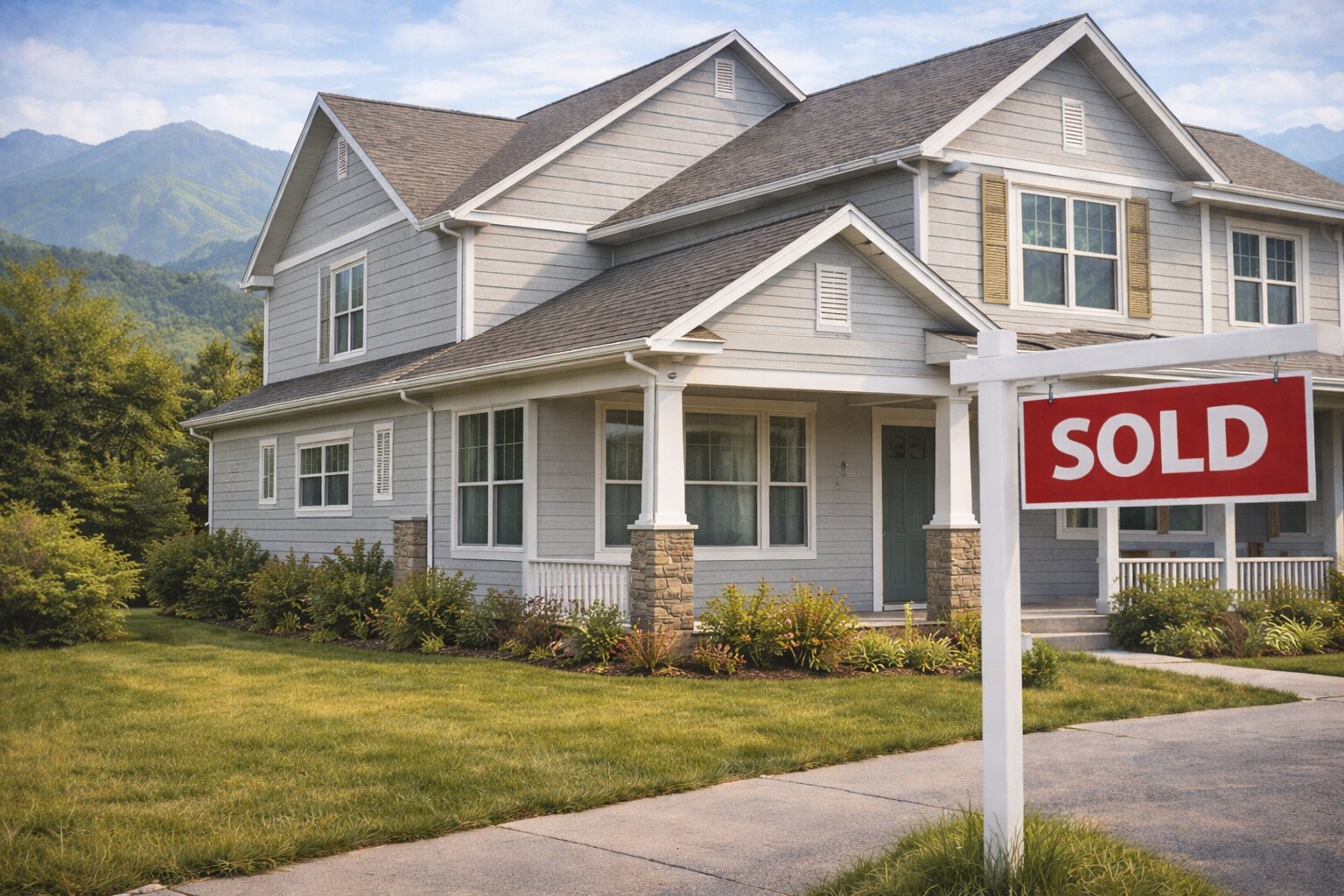
Beautiful two-story home in Utah with a sold sign in the front yard and mountains in the background

If you’re monitoring mortgage rates today in Utah, you’re likely trying to understand how current mortgage rates impact what you can afford. In Utah’s fast-moving housing market, even small shifts in home loan interest rates today can significantly change your monthly payment and long-term buying power.
Whether you’re purchasing a home in Salt Lake City or refinancing elsewhere in Utah, understanding how rates work — and how they affect your budget — is essential.

Mortgage Rates Today Utah: What Borrowers Need to Know

Mortgage payment calculator showing current mortgage rates today in Utah

When searching for mortgage rates today or current mortgage rates in Utah, Salt Lake City, borrowers are typically looking for current pricing on 30-year and 15-year fixed loans. National averages influence current average mortgage rates, but local lender competition, credit score requirements, and down payment amounts affect what you personally qualify for.

Reviewing mortgage rates today refinance 30 year fixed options helps determine if refinancing makes financial sense. If you’re searching for: mortgage rates today near me, best mortgage rates today, best mortgage interest rates today, home loan mortgage rates today, home loan interest rates today. Remember that rates vary daily and are customized to each borrower.

How Mortgage Rates Affect Monthly Payments

Understanding how mortgage rates affect monthly payments is more important than focusing on the rate alone.

 Comparison of how different current mortgage rates affect monthly payment amounts

For example:

A $400,000 loan at 6.5% vs 7.5% can change your payment by hundreds of dollars per month. Over 30 years, that difference adds up to tens of thousands of dollars.

This is why tools like: Current mortgage rates and monthly payment calculator, mortgage payment calculator with current rates, mortgage calculator based on current rates, mortgage calculator Utah, are so important before committing to a loan.

Using a mortgage estimator monthly payment tool helps you test rate scenarios and see how affordability changes in real time.

Compare Mortgage Rates Today Before You Commit

Smart buyers always compare mortgage rates today across multiple lenders.

When comparing, look at:

  • Interest rate
  • APR
  • Loan term (15 vs 30 years)
  • Closing costs
  • Points

Even the best mortgage rates today may include higher fees, so reviewing full loan estimates matters.
You can monitor national market movement through Freddie Mac’s rate survey:
https://www.freddiemac.com/pmms

Refinance Mortgage Rates Today 30 Year Fixed: Should You Refinance?

Homeowners often ask:
“Should I refinance at current mortgage rates?”

Refinancing may be beneficial if:

  • You can lower your interest rate
  • You want to shorten your term
  • You need to reduce monthly payments

Check refinance mortgage rates today 30 year fixed and compare them against your current loan before deciding.

https://www.mortgagerateutah.com/refinance-rates-utah

Why Mortgage Rates Change Daily and What Affects Mortgage Rates Today

Many borrowers wonder why mortgage rates change daily and what affects mortgage rates today.

Mortgage rates are influenced by:

  • Federal Reserve policy
  • Inflation
  • Bond market performance
  • Economic data reports
  • Employment trends

Because of these factors, current mortgage rates can fluctuate even within the same week. This uncertainty leads many borrowers to ask: Is now a good time to lock mortgage rates? If rates are trending upward, locking your rate may protect your payment before closing.

Final Thoughts on Current Mortgage Rates in Utah

Tracking mortgage rates today and understanding how home loan interest rates today affect affordability can help you make confident financial decisions.

Before applying:

  1. Review current average mortgage rates
  2. Use a mortgage estimate calculator
  3. Compare lenders offering the best mortgage interest rates today
  4. Evaluate whether refinancing aligns with your goals

Staying informed ensures you’re prepared — whether buying your first home or refinancing in Utah.

Best Mortgage Lenders for Self-Employed and Bank Statements

Sunset over Salt Lake City Valley, suburban Neighborhood

Self-employed borrowers face unique challenges when qualifying for a home loan. Traditional underwriting models were built for salaried employees, not entrepreneurs with fluctuating income. Fortunately, programs like bank statement home loans and other Non-QM options now make being self-employed and getting a mortgage far more accessible.

If you’ve been wondering, can a self-employed person get a mortgage? — This guide explains exactly how.

 Bank Statement Home Loans for Self-Employed Borrowers

A mortgage for the self-employed with bank statements allows borrowers to qualify using 12–24 months of bank deposits instead of tax returns.

Unlike conventional loans, bank statement mortgage loans calculate income based on actual deposits, not net income after deductions. This makes them ideal for business owners who maximize write-offs.

How Bank Statement Mortgage Lenders Calculate Income

Self-employed borrower qualifying for bank statement mortgage loans

Most bank statement mortgage lenders:

  • Review 12–24 months of personal or business bank statements
  • Apply an expense ratio (often 50%)
  • Average monthly deposits to determine qualifying income

This structure makes bank statement home loans one of the most popular options among the best mortgage lenders for self-employed borrowers.


Best Mortgage Lenders for Self Employed in 2026

Choosing the best mortgage lenders for self employed borrowers requires finding lenders that specialize in Non-QM products.

When comparing lenders, consider:

  • best bank statement mortgage lenders
  • best no doc mortgage lenders
  • best non qm lenders
  • best mortgage company for self employed
  • best lender for self employed
  • best mortgage broker for self employed
  • best mortgage provider for self employed

The best in mortgage lenders for entrepreneurs understand fluctuating income and business deductions.

Internal Link Suggestion

If you have a Non-QM page, link like this:

Explore all Non-QM options here:
https://www.yourwebsite.com/non-qm-mortgage-programs

Desktop Underwriting vs Manual Underwriting

Understanding Desktop Underwriting vs Manual Underwriting can dramatically affect approval outcomes.

Desktop Underwriting vs Manual Underwriting comparison for self employed mortgage

Desktop Underwriting (DU)

  • Strict documentation requirements
  • Automated approval system
  • Used for conventional loans

Manual Underwriting

  • Human review process
  • Greater flexibility
  • Ideal for self-employed borrowers

Many of the best home lenders for self-employed use manual underwriting when income is complex.

DSCR Loans for Real Estate Investors

If you own rental property, DSCR loans for real estate investors may be better than income-based loans.

Instead of verifying personal income, lenders qualify you based on rental property cash flow.

This makes DSCR programs a strong offering from the best non qm lenders.

Internal Link Suggestion

Learn more about DSCR loan programs here:
https://www.yourwebsite.com/dscr-loans-for-real-estate-investors

Anchor text suggestion: DSCR loans for real estate investors

 ITIN Home Loans for Non-Citizens

Self-employed borrowers without a Social Security number may qualify for ITIN home loans for non-citizens.

These programs:

  • Accept Individual Taxpayer Identification Numbers
  • Often paired with a bank statement, mortgage lenders
  • Provide alternative documentation options

Best Mortgage Refinance for Self-Employed Borrowers

Refinancing can help entrepreneurs access equity or lower rates.

Borrowers often search for:

  • best mortgage refinance companies for self-employed
  • best mortgage refinance for self employed
  • best refinance companies for self employed
Best mortgage refinance for self employed borrower reviewing loan documents

If your tax returns show limited income due to deductions, refinancing with bank statement mortgage loans may offer better qualification terms.

The best mortgage for self employed borrowers depends on the income structure.

You may prefer:

  • bank statement, home loan,s if you maximize deductions
  • DSCR loans for real estate investors if you scale rental properties
  • ITIN home loans for non-citizens if you lack an SSN
  • Manual underwriting if automated systems decline your file

If you previously researched the best mortgage for self employed 2021 or best mortgage for self employed 2022, you’ll find that today’s programs are more flexible and competitive.

Working with the best home loan lenders for self-employed individuals ensures your application is structured correctly from the beginning.

 Can a Self-Employed Person Get a Mortgage?

Yes — and more options exist than ever before.

Whether you’re comparing:

  • bank statement mortgage lenders
  • best mortgage lenders for self employed
  • best no doc mortgage lenders
  • best mortgage provider for self employed
  • best refinance companies for self employed

There is a solution that aligns with your business income.

If you’re serious about qualifying, start by speaking with the best lender for self-employed borrowers who understands how entrepreneurs earn, deduct, and grow income.

Current Mortgage Rates in Utah

If you are shopping for a home or considering refinancing, understanding current mortgage
rates in Utah is essential. Rates shift daily based on inflation, Federal Reserve policy, and
overall economic conditions. Monitoring Utah mortgage rates today, along with national
mortgage rates today, can help you lock in the best possible loan terms and reduce your
long-term costs.
Right now, both mortgage interest rates today and housing interest rates today remain
sensitive to inflation data and bond market movements. Borrowers should also compare current
mortgage rates, fixed mortgage rates today, and mortgage interest rates now to determine
whether a fixed or adjustable loan makes more financial sense.

Current mortgage rates in Utah including 30 year and 15 year mortgage rates.

Evaluating Refinance Rates and Utah Housing Market Trends

Those exploring mortgage and refinance options should evaluate refinance mortgage rates and
15 year mortgage refinance rates carefully. Even a small reduction in mortgage interest rates
today can significantly lower an average monthly mortgage payment over time. Keeping an
eye on housing interest rates today and broader Utah housing market interest rates is critical.

Understanding Mortgage Pre-Approval in Utah

Before making an offer on a home, buyers should understand how to get pre approved for a
home loan. A Utah mortgage pre approval provides clarity on budget and strengthens purchase
offers. If you are wondering how I can get pre-approved for a home loan, lenders will review
income, credit history, debt, and assets to provide a mortgage loan pre approval estimate.
Knowing where to get a preapproval for a mortgage — such as local banks, credit unions, or
online lenders — can help you secure the best mortgage rates in Utah.

Utah mortgage pre-approval process checklist for first-time home buyers.

Current Mortgage Rates in Utah (2026) | 30-Year Fixed, Refi, VA & Jumbo Options

Current mortgage rates in Utah with 30 year mortgage rates comparison on modern home exterior

Shopping for current mortgage rates can feel like trying to hit a moving target, especially when national headlines, local Utah market conditions, and lender pricing all shift week to week. The truth is that “the rate” you see online is rarely the rate you actually qualify for. Your credit score, down payment, loan type, and even the property itself can change pricing. That’s why the smartest way to shop is to compare apples-to-apples loan scenarios and collect multiple mortgage interest rate quotes before making a decision.

Borrowers often start with aggregator sites like bankrate mortgage rates to see national averages, but Utah buyers and homeowners get the best results when they combine that research with personalized quotes from local lenders. Whether you’re buying your first home, looking at a VA loan, or considering a refinance, this guide explains how to interpret home loan rates of different banks, what’s driving federal reserve mortgage rates influences, and how to choose a strategy that fits your goals.

Mortgage Rates Today: 30-Year Fixed and 30 Year Mortgage Rates

Mortgage rates today 30-year fixed refinance mortgage rates today and jumbo loan rates comparison chart

For many Utah households, mortgage rates today: 30-year fixed are the default starting point because the payment stays predictable for decades. 30 year mortgage rates are typically higher than 15-year rates, but the monthly payment is lower, which can be helpful if you’re prioritizing cash flow or qualifying for a specific home price.

When comparing 30-year offers, don’t just look at the interest rate. Ask lenders for the full loan estimate, including points, lender fees, and required escrows. A “low” rate with expensive points can cost more than a slightly higher rate with lower fees. This is where using a mortgage interest calculator can save you from guessing: plug in the interest rate, fees, and loan amount to estimate both monthly payment and total interest paid.

Tip for Utah buyers: if you’re competing in a hot market, ask about locking options early. A lock won’t guarantee the best long-term deal, but it can protect you from short-term volatility while you’re under contract.

Refinance Mortgage Rates Today and Cash Out Refinance Rates

Homeowners watching refinance mortgage rates today usually fall into two groups: (1) those trying to lower their payment or rate, and (2) those trying to access equity. If you’re tapping equity, you’ll be comparing cash out refinance rates with second-lien products like home equity loans.

A rate-and-term refinance replaces your current mortgage with a new one designed to reduce the interest rate, shorten the term, or switch loan types. A cash-out refinance does the same, but you borrow more than you owe and receive the difference as cash, often used for renovations, debt consolidation, or major expenses.

Since cash-out loans have different risk pricing, cash out refinance rates can be higher than standard refinance pricing. Your best move is to request multiple mortgage interest rate quotes for both structures and compare them side-by-side using a mortgage interest calculator. You’re not just shopping for the lowest rate, you’re shopping for the best overall outcome.

Rocket Mortgage VA Loan Rates, Jumbo Loan Rates, and Investment Property Mortgage Rates

Not all loans are priced the same. Borrowers eligible for VA financing often look up rocket mortgage va loan rates as a reference point, but you should still compare local lenders, credit unions, and brokers for the best terms. VA loans can be extremely competitive because they typically don’t require mortgage insurance and can offer attractive pricing depending on lender overlays.

For higher-balance properties, jumbo loan rates can differ from conforming loans. Jumbo underwriting often requires stronger credit, higher reserves, and stricter debt-to-income guidelines. In exchange, some borrowers may find jumbo pricing surprisingly competitive, especially with strong borrower profiles.

If you’re buying a rental, investment property mortgage rates are usually higher than owner-occupied rates because lenders treat them as higher risk. If you’re comparing options for a rental, don’t forget to model realistic cash flow. A slightly higher rate might still be worth it if the property’s rental income and appreciation potential are strong.

Mortgage Companies With Lowest Interest Rates and Mortgage Lenders With Lowest Rates

Many people search for mortgage companies with lowest interest rates, mortgage lenders with lowest rates, or mortgage companies with best interest rates, but those phrases can be misleading without context. The “lowest rate” is often tied to a perfect borrower profile (high credit score, large down payment, low DTI, primary residence, and sometimes paying points). That doesn’t mean those rates aren’t real; it means you need to compare rates based on your actual scenario.

A practical way to compare lenders is to gather quotes from:

  • A local Utah lender or broker (often competitive on service and speed)
  • A bank or credit union (sometimes strong on fees)
  • A large online lender (often strong on convenience)

Then compare the effective cost, not just the headline rate. If you’re trying to find mortgage companies with lowest interest rates, ask each lender to quote the same loan amount, down payment, occupancy type, and lock length. That’s the fastest way to figure out who actually offers mortgage companies with best interest rates for you.

Private Mortgage Insurance Rates, Mortgage Insurance Rate Finder, and Mortgage Pre Approval Interest Rate

Mortgage interest calculator and private mortgage insurance rates example for Utah home loan

If you put down less than 20% on a conventional loan, you’ll likely pay private mortgage insurance rates (PMI). PMI is not one-size-fits-all. It’s driven by your credit score and loan-to-value ratio, and it can move your effective monthly cost more than a small rate difference.

Before you lock anything in, request your mortgage pre approval interest rate so you know what you can realistically afford and what pricing tier you’re in. Many buyers skip this step and fall in love with a payment they can’t replicate once the real numbers come in.

To estimate PMI, you can use a mortgage insurance rate finder (or ask lenders to show you the PMI line item in the quote). In many cases, improving your credit score or increasing your down payment slightly can reduce PMI enough to materially change your monthly payment.

Best Interest Only Mortgages, Accelerated Mortgage Payment, and Home Equity Loan Rates

Some borrowers explore best interest only mortgages to keep payments lower during an initial period. These can be useful in specific situations, like uneven income, short-term liquidity needs, or strategic investing, but they require discipline. Once the interest-only period ends, payments can rise significantly because you start paying principal too.

On the flip side, if your goal is to pay off debt faster, an accelerated mortgage payment strategy can reduce interest and shorten your timeline. Biweekly payments or adding extra principal each month can make a noticeable difference over time, especially if you start early.

If you’re not trying to replace your first mortgage, compare home equity loan rates to refinancing. A home equity loan may let you keep your original rate while borrowing against equity separately. The best choice depends on your current rate, how much you need to borrow, and how long you plan to keep the home.

Federal Reserve Mortgage Rates and Mortgage Rates Will Go Down

A common question is whether mortgage rates will go down. While it’s impossible to predict perfectly, mortgage pricing often reacts to inflation expectations, bond markets, and signals from the Federal Reserve. People sometimes refer to federal reserve mortgage rates, but the Fed doesn’t set mortgage rates directly. Instead, its policy moves influence borrowing costs across the economy, which can flow through to mortgage pricing.

The smartest approach is to avoid trying to “time the bottom.” If the monthly payment works for your budget and the loan supports your financial goals, it can still be a good move, even if rates shift later. If rates drop meaningfully, you can evaluate refinancing at that point.

Current Mortgage Rates and 40-Year Mortgage Refinance Options

If you’re returning to the market again, remember that current mortgage rates change not only by day, but by borrower profile and loan type. And for homeowners who need payment relief, some lenders offer long-term options such as a 40-year mortgage refinance. This can reduce monthly payments by extending the loan length, though you’ll typically pay more interest over the life of the loan.

Before you choose a 40-year option, compare it against alternatives like a standard refinance, a home equity loan, or changing your payment strategy. The “best” loan isn’t always the one with the smallest monthly payment, it’s the one that matches your timeline and keeps your long-term costs reasonable.

From Application to Approval: Your Ultimate Utah Mortgage Rates Guide

Mortgage Rates in Utah & How to Apply for a Mortgage

Are you preparing to buy a home, invest in rental property, or finance a renovation in Utah? Understanding the mortgage process is key to securing the best rates and successfully navigating from application to closing. Whether you’re researching how to apply for a mortgage or wondering how to increase your credit score for mortgage approval, this guide covers everything you need to know—including current mortgages rates in Utah today and what to expect from conditional mortgage loan approval.

Getting started with a mortgage begins with a clear understanding of your financial standing. Before applying, gather essential documents like proof of income, credit reports, tax returns, and bank statements. Use a mortgage documents checklist to ensure you’re prepared. To apply, start by researching lenders, filling out an application (either online or in person), and authorizing a credit check. Most lenders will use this information to issue a pre-qualification or pre-approval letter. In Utah, local mortgage brokers can offer insights into specific programs or rate advantages based on your location or buyer status.

How to Get Mortgage Approval

If you’re wondering how to get mortgage approval, it all starts with financial readiness. Lenders evaluate your debt-to-income ratio, employment history, credit score, and financial reserves. To improve your chances of approval, pay down existing debt, avoid large purchases before applying, maintain consistent income documentation, and review your credit report for errors.

One of the most impactful steps you can take before applying is boosting your credit score. A higher score can lead to lower interest rates and greater loan options. Here’s how to increase credit score for mortgage success: make all credit card payments on time, keep credit utilization below 30%, avoid opening new credit lines shortly before applying, and dispute any incorrect information on your credit report. If you start early, even a modest improvement in your score can have a significant impact on your mortgage terms.

Conditional Mortgage Loan Approval

After applying, you may receive a conditional mortgage loan approval. This means the lender is willing to finance your loan, provided certain conditions are met—usually additional documentation or verification. This step is crucial because it shows you’re nearing full approval, but you’re not quite there yet. Typical conditions include proof of homeowners insurance, updated bank statements, and a final appraisal of the property. Meeting these conditions promptly keeps the process moving smoothly toward closing.

To stay organized during the mortgage process, use a mortgage documents checklist. Common items include a government-issued ID, Social Security number, W-2s and/or 1099s for the last two years, recent pay stubs, bank statements for two to three months, tax returns for two years, proof of additional income if applicable, debt and liability documentation such as student loans and auto loans, and rental history or mortgage payment history if applicable. Having these documents ready will expedite both the pre-approval and final approval processes.

Compare Mortgage Rates in Utah

Shopping around is crucial. Interest rates vary by lender, and even a small difference can affect your monthly payment. To compare mortgage rates, use online tools or consult with local lenders in Utah. Ask about fixed versus adjustable rates, loan term options such as 15 versus 30 years, rate lock periods, and estimated closing costs.

Staying updated on mortgages interest rates today helps you decide when to apply. Rates can fluctuate based on economic trends, Federal Reserve decisions, and housing demand in Utah. As of now, interest rates hover between 6–7% for 30-year fixed mortgages, but exact rates depend on your credit score, down payment, and loan type. Always verify current mortgage interest rates today before locking in your loan.

If you’re looking to renovate your current home, a mortgage for home improvement—such as a cash-out refinance or home equity loan—might be the right solution. These loans allow you to access funds based on your home’s equity, which you can use for repairs, upgrades, or energy-efficient improvements. In Utah, many homeowners use these to add value before resale.

Mortgage Loan for Rental Property

Investing in a rental property? A mortgage loan for rental units typically requires a higher down payment and stricter qualification criteria compared to a primary residence loan. Lenders look for strong credit, solid income, and sometimes even existing landlord experience. Be sure to compare mortgage rates and understand property management responsibilities before moving forward.

Wondering where rates are headed? The mortgage rate forecast for Utah suggests that rates may stabilize or decline slightly in the coming months as inflation cools. However, market volatility makes predictions tricky. If you’re on the fence about locking in a rate, consult with a mortgage advisor to strategize your timing.

Understanding the mortgage process—from how to get mortgage approval to what to expect during conditional mortgage loan approval—can make the difference between a stressful and a smooth homebuying experience. By using tools like a mortgage documents checklist, keeping track of mortgage interest rates today, and improving your credit score, you can secure favorable terms and confidently step into homeownership in Utah.

https://www.nerdwallet.com/h/category/mortgages

Utah Mortgage Rates in 2025: Trends, Tips, and Tools

Current Mortgage Rates Today in Utah

Thinking about buying a home in 2025? You’re not alone — and you’re smart to check out the latest mortgage rates today. As of June, 30-year mortgage rates in Utah are hovering between 6.63% and 6.90%, while 15-year mortgage rates trend lower at 5.75% to 6.27%. Compared to the 7%+ rates earlier this year, these numbers offer a solid window for homebuyers.

2025 Mortgage Rate Trends: What to Watch

So, where are Utah mortgage rates headed? Experts say we’re in a “steady but sensitive” environment. That means rates are likely to stay in the 6–7% range, depending on inflation, the Fed, and global market shifts.

Forecasts suggest the year could end near 6.6%, but savvy buyers will stay alert to weekly fluctuations in current mortgage rates.

Tips to Score the Best Mortgage Rates in Utah

Want the best mortgage rates in Utah? Here are a few tricks seasoned buyers swear by:

Compare the Best Mortgage Lenders in Utah

Not all mortgage lenders are created equal. Search online for mortgage lender reviews and get quotes from multiple sources — especially local banks or credit unions.

Run the Numbers with a Mortgage Calculator

Knowledge is power. Use a mortgage calculator to explore your loan options, estimate monthly payments, and even compare down payments.

Think Beyond the 30-Year Mortgage

Side-by-side chart of 15-year vs 30-year mortgage rates in Utah

While 30-year mortgage rates are the standard, don’t ignore 15-year options—they can offer major savings over time. Already own a home? A mortgage refinancing calculator could reveal hidden savings.

Boost Your Buying Power

Want to qualify for the best rates? Improve your credit score, increase your down payment, or look into options from a mortgage lender for low credit.

Smart Tools for Utah Homebuyers

Don’t go it alone. These tools can make your homebuying journey smoother:

  • Refinance calculators to compare old vs. new loans
  • Live mortgage rate trackers to monitor daily changes
  • Float-down rate lock tools that give you wiggle room if rates drop after you lock

Navigating Mortgage Rates Today

Shopping for a home in Utah this year? Don’t wait for a miracle rate. Instead, use the tools, comparisons, and planning strategies above to make a confident move.

Whether you’re checking mortgage rates today, scouting best mortgage lenders in Utah, or crunching numbers in a mortgage calculator, knowledge gives you the upper hand.If you already have a loan, compare it to today’s rates. A quick look at a refinance calculator could help you save thousands.

###