
Buying a home is exciting, but understanding the mortgage process can feel overwhelming. Before comparing mortgage lenders Utah buyers should understand the basic conventional loan requirements that affect approval, monthly payments, and the mortgage rate they may receive. For many buyers, a conventional loan can be a flexible option with competitive terms, especially when they have stable income, solid credit, and money saved for a down payment.
Utah home loans are not one-size-fits-all. Your credit score, debt-to-income ratio, employment history, down payment, and the home you want to purchase all help determine whether conventional financing is a good fit. This guide explains what Utah buyers should know before applying, how conventional loans compare with other options, and which tools can help you plan with confidence.
Conventional Loan Requirements in Utah
Conventional loan requirements typically include a review of your credit, income, debt, employment, and assets. Many lenders look for a credit score of at least 620, but borrowers with higher scores may qualify for more favorable home loan mortgage interest rates. A lender will also review your payment history, current debts, and the amount of money you have available for a down payment and closing costs.
Some conventional loan programs allow qualified buyers to put as little as 3% down. However, a larger down payment can reduce your monthly mortgage payment, lower your loan amount, and potentially help you avoid private mortgage insurance. If you put down less than 20%, most conventional loans require PMI until you build enough equity in the home.
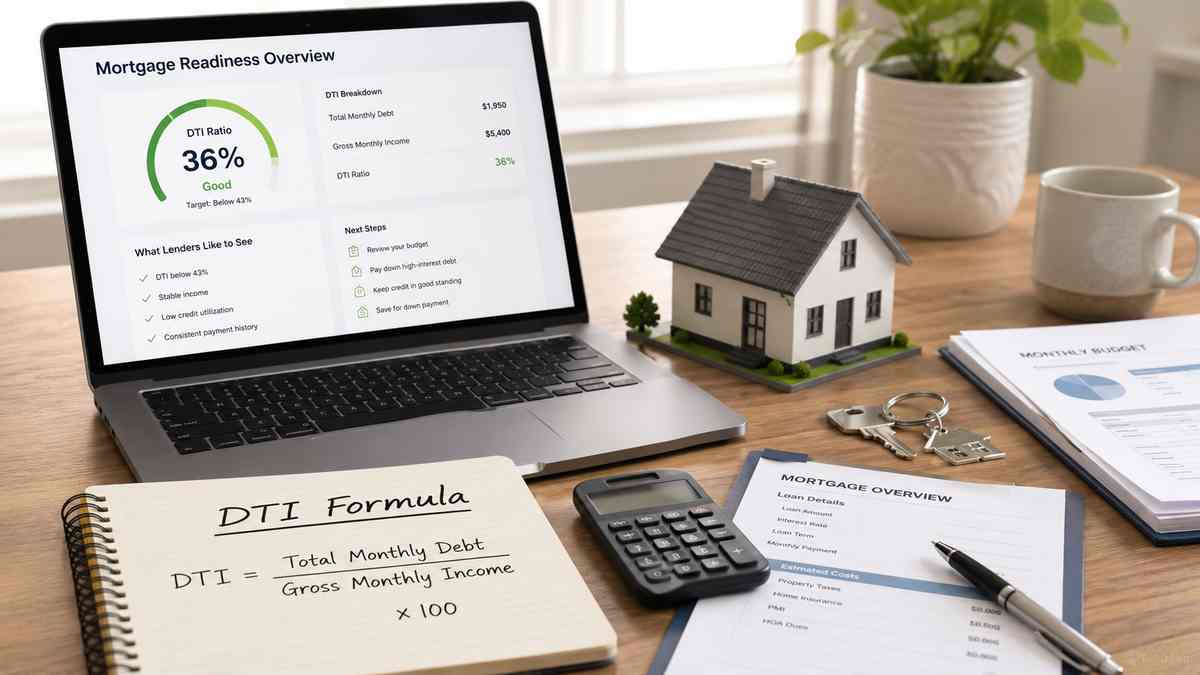
Your debt-to-income ratio, often called DTI, is another important part of conventional loan requirements. This number compares your monthly debt payments to your gross monthly income. Car loans, credit cards, student loans, and other recurring debt can affect how much home you can afford. Paying down debt before applying may improve your mortgage options.
For a helpful starting point, use our internal guide: Mortgage Calculator: Estimate Payments & Compare Lenders.
Mortgage Rates Utah and Home Loan Mortgage Rates Today
Mortgage rates Utah borrowers see online are usually sample rates, not guaranteed offers. Mortgage rates today Utah lenders advertise can change frequently and may be based on a borrower with excellent credit, a larger down payment, and lower debt. Your personal rate may be higher or lower depending on your financial profile and loan type.
When comparing home loan mortgage rates today, do not focus only on the interest rate. Review the APR, lender fees, discount points, estimated payment, and total cash needed to close. Looking at the full loan estimate helps you make a fair comparison between lenders.
You may also want to compare 30 year fixed mortgage rates and 15 year fixed mortgage rates. A 30-year fixed loan often gives buyers a lower monthly payment because the loan is repaid over a longer period. A 15-year fixed loan may offer a lower interest rate and allows you to build equity faster, but it usually comes with a higher monthly payment.
A mortgage rates graph can be helpful when you want to understand broader rate trends. For national weekly averages, you can review the Primary Mortgage Market Survey. Remember that national averages are only a benchmark; a lender can provide the most accurate rate estimate for your situation.
Mortgage Calculator Utah and Home Affordability Calculator Tools
A mortgage calculator Utah homebuyers use should estimate more than principal and interest. The most useful calculator includes property taxes, homeowners insurance, PMI, HOA dues, loan term, and down payment. This gives you a more realistic estimate of your total monthly housing payment.
You may see searches such as mortgage calculator free, mortgage estimator free, mortgage estimator tool, mortgage estimator calculator, or home loan mortgage rates calculator. These tools can all help you explore potential payments before applying. They are useful for comparing loan amounts, interest rates, terms, and down payment options, but they should not be treated as a final approval.
Some people also search for a mortgage calculator MACU, MTG Calculator Commander, or an mtg calculator payment tool. No matter which calculator you use, make sure you enter the same assumptions each time. Compare the home price, interest rate, down payment, taxes, insurance, and loan term so the results are meaningful.
A home affordability calculator is especially helpful before you begin touring homes. It estimates a price range based on your income, debts, down payment, and expected mortgage payment. Your ideal budget should also leave room for home repairs, moving expenses, emergency savings, and everyday living costs.

Mortgage Pre Approval and Online Mortgage Preapproval
Mortgage pre-approval helps you understand how much you may be able to borrow before making an offer. During the process, a lender usually reviews your income, employment, assets, debts, and credit. A preapproval letter can also show sellers that you are serious and prepared to move forward.
Online mortgage preapproval may make the early stages more convenient, but it is still important to compare your options. Ask whether the lender uses a hard credit inquiry, how long the preapproval remains valid, which documents are required, and whether the quoted rate includes points or lender fees.
Many buyers search for mortgage lenders near me, mortgage brokers near me, or best mortgage lenders when they are ready to start. A direct lender handles the loan through its own organization, while a mortgage broker may compare offers from several lenders. Either can be a good choice, but compare service, rates, APR, fees, and experience with your loan type.
Before applying, visit our internal resource: Mortgage Prequalification in Utah.
FHA Loan Rates, VA Loan Rates, and Conventional Loans
Conventional financing is only one option. FHA loan rates may be attractive to buyers with lower credit scores or smaller down payments, although FHA mortgage insurance can add to the total monthly cost. VA loan rates can be very competitive for eligible veterans, active-duty service members, and qualifying surviving spouses, often with no down payment requirement.
For a first time home buyer Utah residents should compare the full cost of FHA, VA, and conventional loan programs. A conventional loan may work well for buyers with stronger credit and stable income. FHA financing may offer more flexibility for buyers who need a lower down payment, while VA loans can provide meaningful benefits for eligible borrowers.
Do not compare only the rate. Compare the down payment, mortgage insurance, upfront costs, monthly payment, and long-term cost of each loan. The Consumer Financial Protection Bureau’s homebuying resources can also help buyers understand the mortgage process.

Refinance Rates Today, Cash-Out Refinance, and Home Equity
Current homeowners may be watching refinance rates today to decide whether a new loan could lower their payment, change their loan term, or remove PMI. Refinancing usually includes new closing costs, so it is important to calculate how long it will take to recover those expenses through monthly savings.
Cash out refinance rates can be different from standard refinance rates because the homeowner is borrowing more than the remaining mortgage balance and receiving cash from the home’s equity. A cash out refinance calculator can help you compare your current payment with a possible new payment after taking cash out for renovations, debt consolidation, or another major expense.
Before choosing a cash out refinance Utah homeowners should compare it with a home equity loan Utah borrowers may qualify for. A cash-out refinance replaces your current mortgage with a larger new loan. A home equity loan is typically a separate loan with its own payment and terms. If your existing first mortgage has a low interest rate, a home equity loan may be worth comparing before refinancing the entire balance.
Use our internal Closing Cost Calculator Utah guide to better understand the costs that may come with a purchase or refinance.
Utah Housing Market Rates: Next Steps for Homebuyers
Utah housing market rates and home prices can influence affordability, but your personal financial preparation matters just as much. Improving your credit, lowering debt, saving for a down payment, and comparing multiple loan estimates can help you qualify for better terms.
Start with a mortgage calculator, review current rates, and gather your financial documents for preapproval. Whether you are purchasing your first home, comparing mortgage lenders, or reviewing refinance options, understanding conventional loan requirements can help you make a more informed decision and move forward with confidence.