
First-Time Homebuyer Assistance in Utah: Comparing Mortgage Loans, Grants, and Down Payment Options
Buying your first home is exciting, but figuring out how to pay for it can feel overwhelming. Between saving for a down payment, comparing mortgage options, and understanding which assistance programs are available, it’s easy to wonder where to begin.
The good news is that you don’t have to figure everything out on your own. Utah offers resources that can help eligible first-time homebuyers understand their options and prepare for the costs of homeownership. The right approach depends on your budget, credit history, income, and the type of home you hope to buy.
This guide walks you through first-time homebuyer loans, down payment assistance, mortgage lenders, and preapproval. By the end, you’ll have a clearer idea of which steps to take next.
Exploring Utah first-time homebuyer assistance programs can help you find down payment support, affordable mortgage options, and resources to make buying your first home more manageable.
Understanding First-Time Homebuyer Loans in Utah
There isn’t one mortgage that works for every first-time buyer. The best option for you will depend on your finances and the requirements of each loan program.
Here are a few common options worth exploring:
- Conventional loans: These mortgages are offered by private lenders and follow guidelines established by Fannie Mae or Freddie Mac. Some conventional loan programs allow eligible buyers to put down as little as 3%. However, the down payment and credit requirements vary by program and lender.
- FHA loans: An FHA loan for a first time home buyer may be worth considering if you have a smaller down payment or need more flexible credit requirements. FHA loans are insured by the Federal Housing Administration and have their own eligibility rules and mortgage insurance costs.
- VA loans: Eligible veterans, service members, and certain surviving spouses may qualify for a VA-backed loan, which often allows a purchase with no down payment.
- USDA loans: Eligible buyers purchasing homes in qualifying rural areas may be able to use a USDA loan with no down payment. Income and property requirements apply.
When comparing these options, look beyond the advertised interest rate. Consider the down payment, mortgage insurance, closing costs, and estimated monthly payment. A loan with a lower initial cost may not always be the most affordable option over time.
If you’re still learning the basics, our first-time home buyer mortgage guide explains the process in more detail.
Finding First-Time Homebuyer Programs and Down Payment Assistance
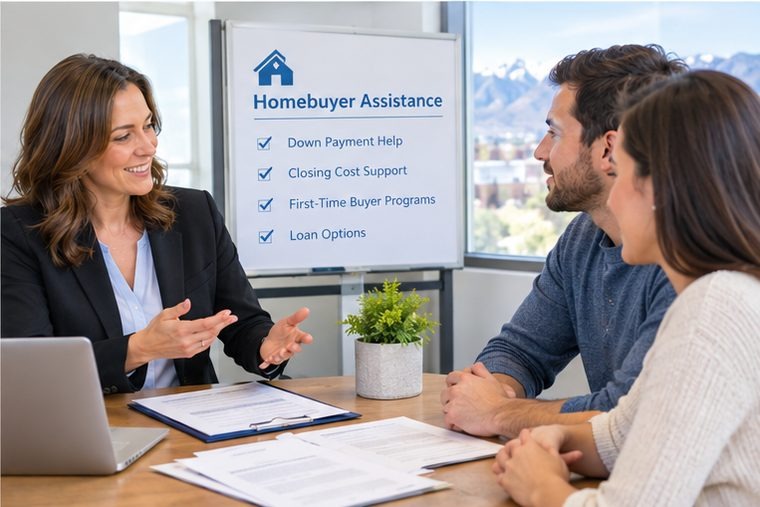
One of the biggest challenges for new buyers is saving enough money to purchase a home. Fortunately, first-time home buyer programs may offer help with upfront expenses, depending on your eligibility.
In Utah, the Utah Housing Corporation is a useful place to start researching homebuyer resources. Depending on the program and current requirements, assistance may help eligible buyers cover some of their down payment or closing costs.
It’s important to understand that not every program works the same way. Some offer assistance through a second loan, while others may have different repayment terms or eligibility requirements. Funding, program availability, income limits, purchase-price limits, and homebuyer education requirements can also vary.
Before choosing a program, ask:
- Do I meet the income and credit requirements?
- Is there a limit on the home’s purchase price?
- Does the assistance need to be repaid?
- Can I combine the assistance with the mortgage I want?
- Are there homebuyer education or other eligibility requirements?
You can also review the U.S. Department of Housing and Urban Development’s homebuying resources to learn more about preparing for a purchase.
For a more detailed look at local options, visit our guide to first-time home buyer programs in Utah.
How Much Should You Save for a Down Payment?
Many buyers assume they need to save 20% of a home’s purchase price before they can buy. While a larger down payment can reduce the amount you borrow, it isn’t required for every mortgage.
The minimum down payment for a house depends on the loan type, lender requirements, and your financial situation. Some eligible buyers may qualify for a conventional mortgage with a down payment as low as 3%, while FHA loans may allow a down payment as low as 3.5% for borrowers who meet the applicable credit requirements. Certain VA and USDA loans may offer zero-down-payment options to eligible buyers.
Your average down payment on a house as a first-time buyer will depend on the home’s price, your savings, and the mortgage program you choose. Instead of focusing on a national average, it’s more useful to calculate what you may need for a home in your preferred Utah community.
A first-time home buyer down payment calculator can help you estimate how much you’ll need to save. Try different purchase prices and down payment percentages to see how they affect your estimated monthly payment.
If you’re hoping to buy without a large amount of savings, explore options for a first-time home buyer down payment assistance program. You may also want to research first-time home buyer loans with zero down. These options aren’t available to everyone, but they may be worth discussing with a qualified lender.
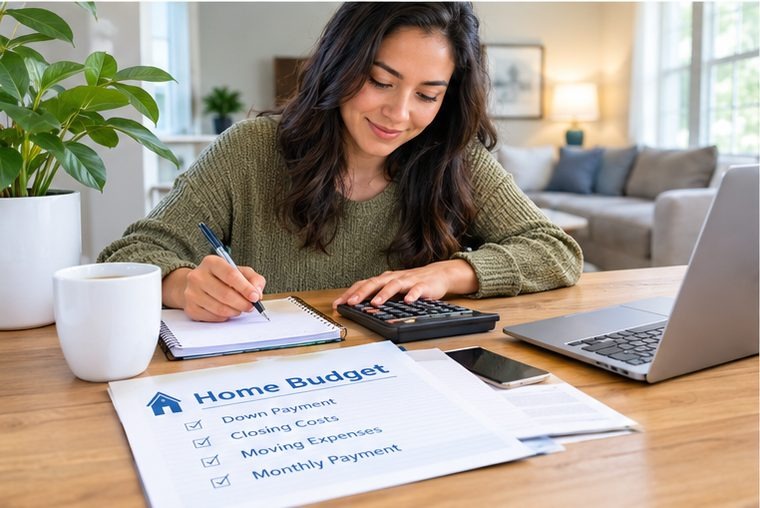
Remember to budget for more than the down payment. You’ll also need to consider closing costs, moving expenses, and a financial cushion for repairs or unexpected bills.
Comparing Mortgage Lenders and Interest Rates
Choosing a lender is about more than finding the lowest advertised rate. You want a lender who explains your options clearly, answers your questions, and helps you understand the full cost of your mortgage.
When comparing first-time home buyer lenders, request estimates from more than one lender if possible. Look at the interest rate, annual percentage rate (APR), lender fees, mortgage insurance, and estimated cash needed at closing.
You may see searches for the best mortgage lenders for first-time buyers or the best mortgages for first-time buyers, but there isn’t one lender or loan that is best for everyone. Your credit profile, income, debt, down payment, and eligibility for assistance can all affect which options are available to you.
Ask each lender to explain how their loan options compare. If you’re considering a conventional mortgage, ask about conventional loan requirements, including credit standards, down payment options, and whether private mortgage insurance will apply.
It’s also helpful to compare your first-time home buyer interest rate with the total estimated monthly payment. Property taxes, homeowners insurance, mortgage insurance, and any homeowners association fees can make a meaningful difference in your monthly housing costs.
Getting Preapproved for a Mortgage
Mortgage preapproval is an important early step because it gives you a better idea of how much you may be able to borrow. It can also help you understand what you need to do before you’re ready to make an offer.
If you’re looking into first-time home buyer pre approval, a lender will typically review your income, employment, credit, debts, and available funds. You may be asked to provide pay stubs, tax documents, bank statements, and other financial information.
A mortgage pre approval for a first time home buyer is not a final guarantee of financing. The lender will still need to verify information and review the property before the mortgage can be finalized.
As you compare lenders, you may come across terms such as pre approval mortgage first time buyers. These generally refer to the same process: a lender reviews your financial information and provides a preliminary indication of the loan amount you may qualify for.
Getting preapproved early can help you spot potential issues before you begin house hunting. It can also make it easier to set a realistic budget and understand the next steps.
For more details, read our guide to first-time homebuyer mortgage preapproval in Utah.
Planning for Closing Costs and the True Cost of Homeownership
The down payment is only one part of the money you’ll need to buy a home. Closing costs may include lender fees, appraisal fees, title services, prepaid property taxes, homeowners insurance, and other transaction expenses.
The exact amount depends on the property, loan, lender, and location. Ask your lender for an estimate early in the process so you have time to plan.
It’s also worth thinking about what happens after closing. Your budget should leave room for utilities, maintenance, repairs, and other everyday expenses. Buying a home that fits comfortably within your budget can help make the experience less stressful in the long run.
How to Get a Home Loan as a First-Time Buyer
If you’re wondering how to get a home loan as a first-time buyer, start with a few manageable steps:
- Review your finances. Look at your income, monthly expenses, savings, credit, and existing debts.
- Research loan options. Compare conventional, FHA, VA, and USDA mortgages to see which may fit your situation.
- Explore assistance programs. Check current Utah homebuyer resources and confirm whether you meet the eligibility requirements.
- Compare lenders. Ask questions about rates, fees, down payments, and monthly costs.
- Gather your documents. Having financial records ready can make the application process easier.
- Get preapproved. Work with a lender to understand your potential budget before making an offer.
If you’re unsure how to qualify for a home loan as a first-time buyer, don’t be discouraged. A lender can explain which requirements you already meet and what steps might improve your options. You can also ask how to apply for a first-time home loan and what documents you’ll need to get started.
Take the Next Step Toward Homeownership in Utah
Buying your first home can feel like a lot to take on, but you don’t need to have every answer before you begin. Learning about mortgage options, checking your eligibility for assistance, and comparing lenders can help you move forward with more confidence.
Start by reviewing your budget and researching the programs available in Utah. Then talk with a mortgage professional who can help you understand the costs and options that fit your circumstances.
With a clear plan and the right guidance, you can take the first steps toward finding a home that works for you.