
Buying your first home is exciting, but many buyers focus so much on their down payment that they forget about another major upfront expense: closing costs in Utah. Understanding these costs ahead of time can prevent last-minute financial stress and help you walk into closing day with confidence.
What Are Closing Costs in Utah?
Closing costs are the fees and expenses you pay when finalizing your home purchase, separate from your down payment. In Utah, these typically range from 2% to 5% of your home’s purchase price. They cover things like loan origination fees, appraisal costs, title insurance, recording fees, and prepaid property taxes or homeowners insurance.
For buyers researching first time home buyer programs, some programs help cover these costs too. They can add to your down payment assistance. This is one of the most overlooked benefits available to new buyers. You can review eligibility through the Utah Housing Corporation before you start house hunting.
Using a Closing Cost Calculator to Plan Ahead
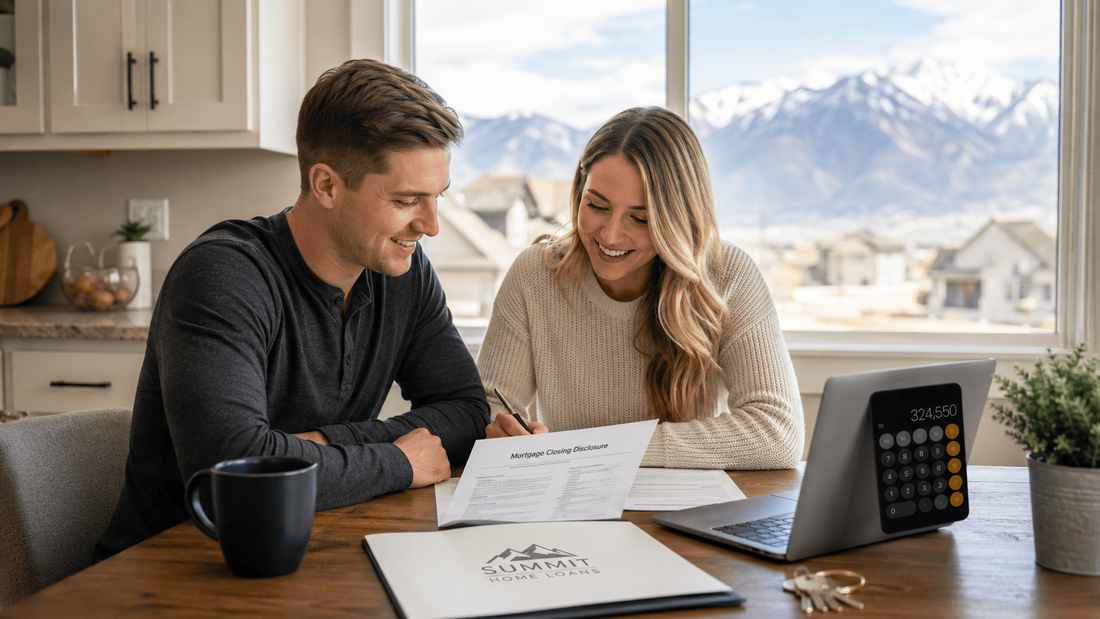
A closing cost calculator is one of the most useful tools you can use before house hunting. A home affordability calculator estimates your monthly payment. A closing cost calculator estimates the cash you’ll need on hand at the closing table. Pairing this with a down payment calculator gives you a complete picture of your total upfront costs, not just the down payment alone.
Many buyers ask how much mortgage can I qualify for. But qualifying for a loan amount is only part of the equation. You also need enough liquid savings to cover closing costs, which is why running the numbers early matters so much. Tools like Bankrate’s mortgage calculator can be a good starting point for estimating these figures.
Building Your Foundation to Cover Closing Costs
Before you ever get to the closing table, you’ll need a mortgage pre approval. Lenders want to confirm how to qualify for a home loan before issuing a preapproval letter. This process also gives you a clearer closing cost estimate, since your loan terms are based on verified information rather than guesses.
If you’re wondering how to get pre approved for a home loan, the process typically starts with reviewing your finances, including your credit score to buy a house. Buyers often ask what credit score they need to qualify. Requirements vary by loan type, but a higher score can reduce certain closing fees, like private mortgage insurance costs built into your monthly payment. For more detail on this step, see our post on what you need to get pre-approved for a home.
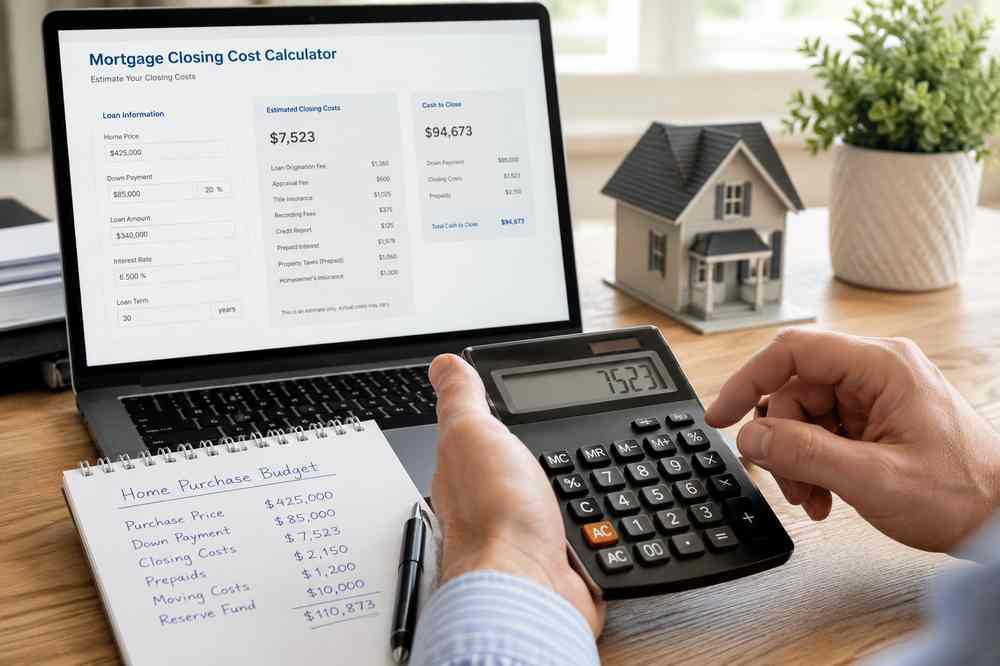
First time Buyer Mortgage Options and Closing Costs in Utah
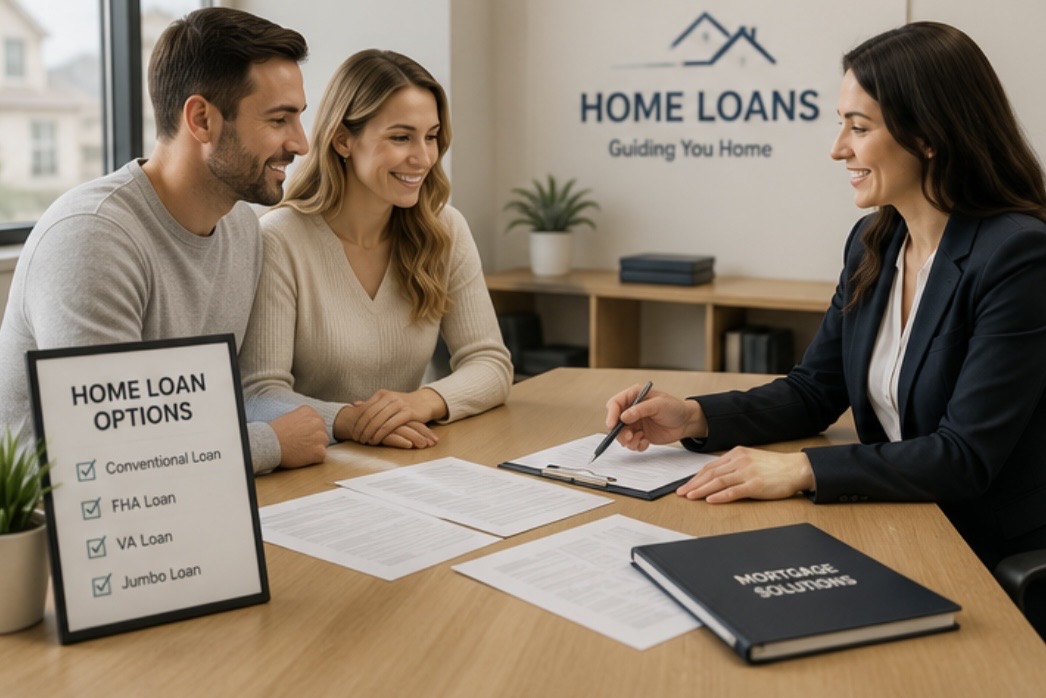
If you’re a first time buyer mortgage shopper, you have several paths to homeownership. First time home buyer loans like FHA, VA, and conventional programs each carry different down payment and closing cost structures. A low down payment mortgage can free up more cash for closing costs, since you won’t need as much saved for the down payment itself.
Veterans should look into VA loan Utah options, which often reduce or eliminate certain closing costs altogether. Buyers interested in government-backed financing should also research FHA loan Utah requirements through HUD.gov, since FHA loans allow some closing costs to be rolled into the loan or covered by seller concessions.
Utah-Specific Assistance for Closing Costs
One of the biggest advantages for Utah buyers is Utah down payment assistance. Programs through the Utah Housing Corporation can help cover both down payment and a portion of closing costs. This makes homeownership more accessible for buyers who are cash-strapped after years of saving.
If you’re researching first time home buyer Utah programs, start with Utah Housing Corporation’s website to see what you may qualify for based on income and loan type. Many buyers don’t realize these programs exist until they’re already deep into the buying process, so the earlier you research them, the more options you’ll have.
Finding the Right Lender
Comparing best mortgage lenders for first time buyers is essential, since closing costs and fees can vary significantly between lenders. Some lenders charge higher origination fees but offer slightly lower first time home buyer mortgage rates. Others do the opposite. Always ask for a full Loan Estimate so you can compare closing costs side by side, not just the interest rate.
It’s also smart to ask about first time home buyer interest rate programs specifically designed for new buyers, as some come bundled with reduced fees or closing cost credits.
How Closing Costs Affect What You Can Really Afford
Understanding how much house can I afford in Utah means looking beyond the sale price. Your total cost includes your down payment, your monthly payment, and your closing costs all together. Before you start touring homes, run your numbers through a home affordability calculator and a closing cost calculator side by side so there are no surprises. For a deeper look at qualifying, check our guide on how to qualify for a mortgage in Utah.
Final Thoughts
Closing costs in Utah are a real, often underestimated part of the homebuying journey. By using a closing cost calculator, researching Utah down payment assistance, and getting your mortgage pre approval early, you can budget accurately and avoid stress at the closing table. Whether you’re exploring first time home buyer programs, comparing first time home buyer mortgage rates, or simply trying to understand what credit score you need, preparation is the key to a smooth, affordable home purchase in Utah.