
Buying your first home is one of the biggest financial decisions you will ever make. Although the process can seem overwhelming, understanding your mortgage options before you begin searching for a home will help you make smarter financial decisions. Choosing the right first time home buyer mortgage can lower your monthly payment, reduce long-term costs, and make the entire home-buying experience much less stressful. Whether you are just starting your search or preparing to submit an offer, learning about mortgage programs, loan requirements, and the buying process will help you become a more confident homeowner.

Choosing the Best First Time Home Buyer Loan
Finding the right first time home buyer loan begins by comparing several lenders and understanding the different financing options available. Every buyer has different financial goals, so the best loan depends on your credit score, income, savings, and long-term budget.
Many buyers qualify for first time home buyer programs designed to make purchasing a home more affordable. Some programs provide first time home buyer grants, while others offer first time home buyer assistance that helps cover down payments or closing costs. Before applying, review the first-time home buyer requirements carefully. Mortgage lenders usually evaluate employment history, debt-to-income ratio, credit score, and available savings before approving a loan.
Why Mortgage Pre Approval Matters
Obtaining mortgage preapproval before shopping for a home gives buyers a significant advantage. Sellers are more likely to accept offers from buyers who already have financing in place because it reduces uncertainty during the transaction. Many buyers first complete mortgage prequalification, which provides an estimate of their borrowing power. While pre-qualification is helpful, pre-approval involves verifying your financial information and carries more weight during negotiations.
If you are wondering how to qualify for a mortgage, focus on maintaining a stable income, improving your credit score, reducing existing debt, and saving for your down payment. Completing the mortgage application process accurately and providing the required documents early helps prevent unnecessary delays.
Understanding Your Budget Before Buying
Submitting a home loan application is only one step in purchasing a home. Buyers should first determine exactly how much they can comfortably afford each month. Many first-time buyers use down payment assistance programs or choose a low-down payment mortgage to reduce the amount of money required upfront.
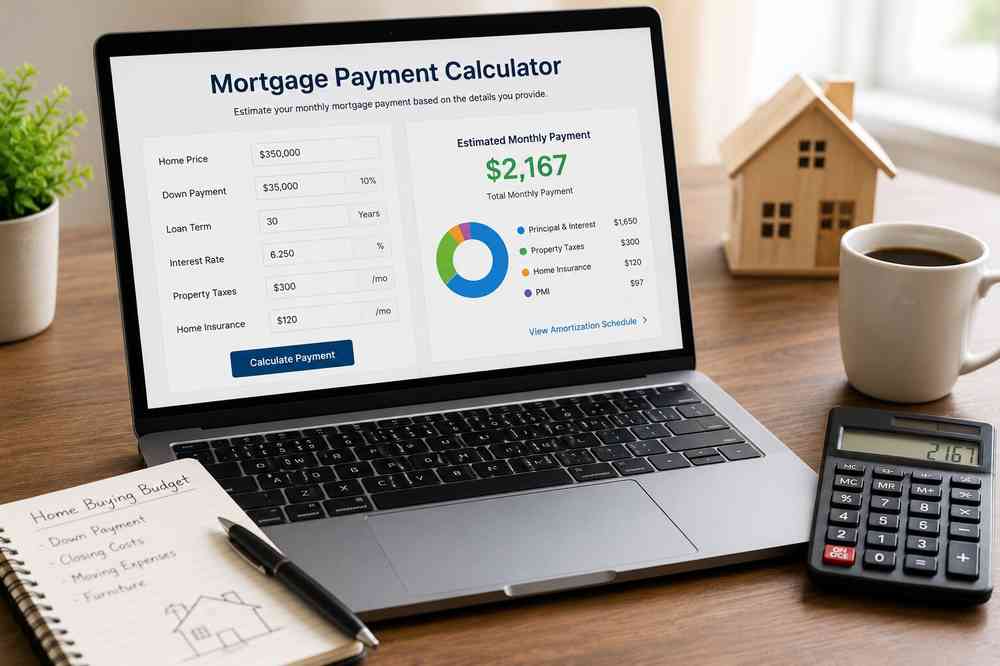
One of the most common questions is, how much house can I afford? Instead of guessing, use a mortgage payment calculator to estimate your monthly mortgage payment, property taxes, homeowners insurance, and other housing expenses. Creating a realistic budget before buying helps prevent financial difficulties after moving into your new home.
Understanding FHA Loans and Closing Costs
For many first-time buyers, FHA financing offers an affordable path to homeownership. Understanding FHA loan requirements is important because FHA loans generally require lower credit scores and smaller down payments than many conventional mortgages.
However, buyers should also prepare for mortgage closing costs, which commonly include appraisal fees, lender fees, title insurance, prepaid taxes, homeowners insurance, and recording fees. Planning for these expenses in advance helps eliminate unexpected financial surprises during closing.
Completing the Home Buying Process
The home buying process involves much more than choosing a house. Buyers should first prepare their finances, obtain pre-approval, compare lenders, search for homes, negotiate with sellers, complete inspections, finalize financing, and attend closing.
Anyone buying your first home should work with experienced mortgage professionals and real estate agents who can answer questions and explain each step throughout the process. Professional guidance helps buyers avoid common mistakes and increases confidence during one of life’s largest financial investments.

Conclusion
A complete first home mortgage guide helps buyers understand every stage of purchasing a home. Comparing mortgage lenders, researching loan programs, obtaining pre-approval, understanding FHA loan requirements, calculating monthly payments, and budgeting for closing costs all contribute to a successful home purchase. Buying your first home does not have to be overwhelming. By preparing financially, comparing your options carefully, and working with trusted professionals, you can confidently move toward homeownership while making smart financial decisions that benefit you for years to come.