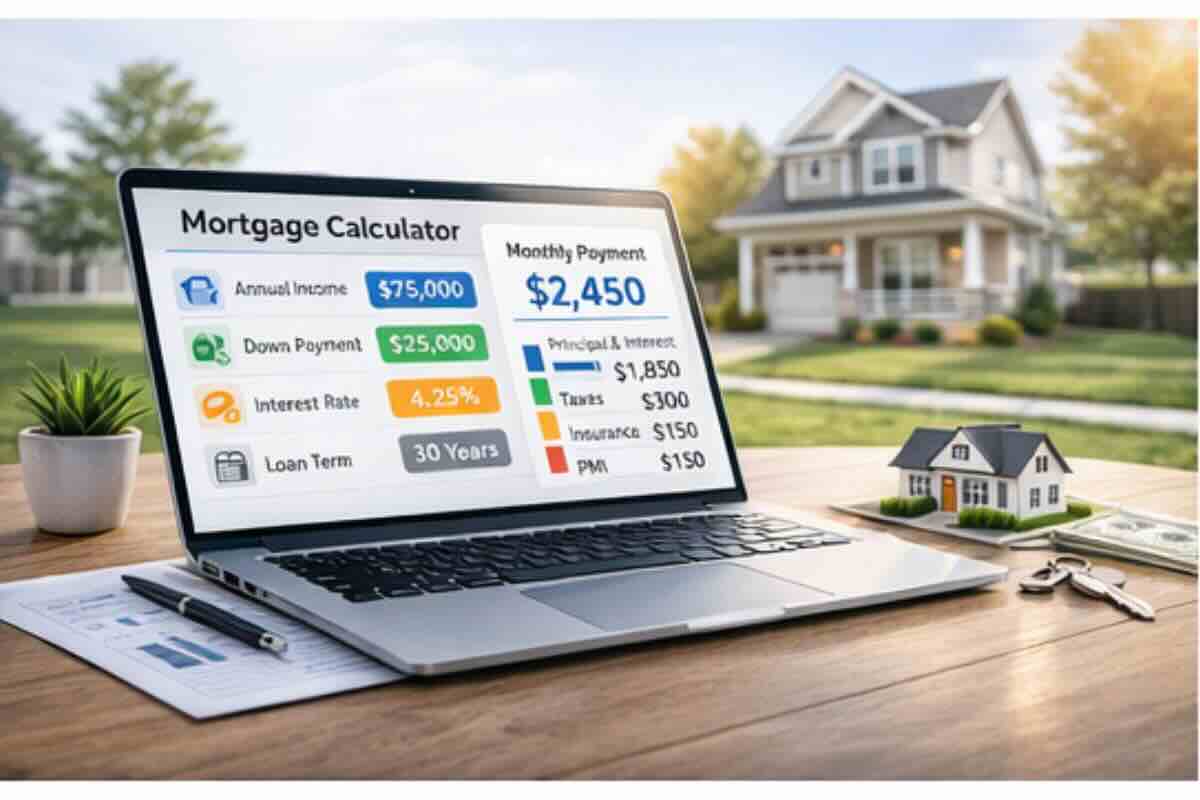

Buying your first home in Utah is a big milestone, but it can also come with a big question: Can I actually afford it? Fortunately, first time home buyer programs in Utah can help make homeownership more affordable through lower down payment options and financial assistance.
Many buyers assume they need 20% down, excellent credit, and years of savings before they can purchase a home. That is not always true. Several first time home buyer programs offer financing options that can make buying a home more realistic, even if your savings are limited.
Whether you are hoping to buy a starter home in Salt Lake City, a townhome in Lehi, or a house in another Utah community, understanding your financing options is the first step. Here is what you need to know before applying for your first mortgage.
First Time Home Buyer Loans: Which Mortgage Is Right for You?
Not all first time home buyer loans work the same way. Some are designed for buyers with smaller down payments, while others offer more flexibility for borrowers with lower credit scores. The right first time home buyer mortgage depends on your financial situation, where you plan to live, and how much money you have available upfront.
FHA Loans: A Popular Option for First-Time Buyers
An fha loan first time home buyer option can be worth exploring if you have limited savings or less-than-perfect credit. FHA loans are insured by the Federal Housing Administration and allow qualified buyers with credit scores of at least 580 to make a down payment as low as 3.5%. For example, if you are purchasing a $400,000 home, a 3.5% down payment would be $14,000.
However, do not forget about fha down payment and closing costs. In addition to your down payment, you will need to consider lender fees, title expenses, appraisal costs, prepaid expenses, and mortgage insurance.
Conventional Loans: You May Need Less Than 20% Down
A conventional mortgage is another option, particularly for buyers with stronger credit histories. The conventional mortgage down payment can be as low as 3% through certain programs. On a $400,000 home, that means putting down $12,000 rather than $80,000 for a traditional 20% down payment. Although conventional loans may require private mortgage insurance when your down payment is below 20%, that insurance may be removable once you meet certain requirements.
USDA and VA Loans: Buying With Zero Down
What if you do not have thousands of dollars saved for a down payment? Some first time home buyer loans with zero down are available to eligible borrowers.
A usda first time home buyer loan may allow qualified buyers to purchase a home in an eligible rural or suburban area without a down payment. USDA loans have household income limits and geographic restrictions, so not every Utah property will qualify. VA loans also offer no-down-payment opportunities for eligible military service members, veterans, and certain surviving spouses.
If you are searching for a no down payment first time home buyer option, these programs are worth researching. So, can you buy a house with no down payment in utah? Yes, some qualified borrowers can. However, zero down does not necessarily mean zero costs. You may still need money for closing expenses, inspections, or moving.
For more information about available homebuyer assistance programs, visit the Utah Housing Corporation website.
Credit Score to Buy a House: What Do Utah Lenders Look For?
One of the biggest concerns among new buyers is whether their credit is good enough to qualify. Your credit score to buy a house helps lenders evaluate your borrowing history, but it is only one piece of the mortgage approval process.
The minimum credit score to buy a house varies depending on your loan program and lender. For FHA loans, borrowers with scores of 580 or higher may qualify for a 3.5% down payment. FHA guidelines also allow certain borrowers with scores between 500 and 579 to qualify with at least 10% down, although individual lenders may require higher scores.
There is not one universal minimum credit score for home loan approval. Lenders also evaluate your income, existing debt, employment history, and available savings. A good credit score to buy a house can improve your financing options and potentially help you qualify for more favorable terms. However, a high credit score alone does not guarantee approval.
If you are wondering what credit score do you need to buy a house in utah, remember that mortgage requirements generally depend on the financing program rather than a single statewide credit-score rule. Before applying, check your credit reports for errors, make payments on time, and avoid opening unnecessary new credit accounts.
First Time Home Buyer Down Payment: How Much Should You Save?
The first time home buyer down payment is often the biggest financial obstacle buyers expect to face. But you do not necessarily need 20% down. Consider a $400,000 Utah home:
| Loan example | Down payment | Amount needed |
| Eligible conventional loan | 3% | $12,000 |
| Eligible FHA loan | 3.5% | $14,000 |
| Conventional loan | 5% | $20,000 |
| Traditional 20% down | 20% | $80,000 |
These examples exclude closing costs and other expenses. So, how much down payment do you need for a house in utah? That depends on the loan you qualify for, the home price, and whether you can access assistance.

Utah Down Payment Assistance Programs
Utah buyers should explore financing and assistance opportunities available through the Utah Housing Corporation and participating lenders. Applying for down payment assistance may help qualified borrowers reduce the amount of cash needed upfront. Depending on the program, assistance may be provided through a grant, a second mortgage, or another financing arrangement.
Some programs have income limits, purchase-price restrictions, or homebuyer education requirements. Others may require repayment when you sell, refinance, or pay off your mortgage. Before accepting assistance, ask whether it must be repaid, whether interest is charged, and how it affects your total monthly payment.
For more information about available homebuyer assistance programs, visit the Utah Housing Corporation website.
First Time Home Buyer Mortgage Rates: Why Shopping Around Matters
Finding a mortgage is not just about getting approved. It is also about understanding how much the loan will cost over time. First time home buyer interest rates can vary based on market conditions, your credit profile, the type of mortgage, and the lender you choose.
To see why this matters, consider a $380,000 mortgage with a 30-year fixed term. At an illustrative 6% interest rate, the monthly principal and interest payment would be approximately $2,278. At 7%, that payment would increase to approximately $2,528. That is about $250 more each month, before property taxes, insurance, or other expenses.
When comparing first time home buyer rates, look beyond the advertised interest rate. Pay attention to the annual percentage rate (APR), discount points, closing costs, and mortgage insurance. Researching first time home buyer mortgage rates from several lenders can help you understand which offers are competitive for your situation.
For a more accurate comparison, request official Loan Estimates using the same loan amount and terms. The goal is not simply to find the lowest advertised rate. It is to find financing that makes sense for your budget, both today and over time.
For additional guidance on comparing mortgage offers, visit the Consumer Financial Protection Bureau’s mortgage comparison guide.
First Time Home Buyer Pre Approval: What Happens Before You Shop?
Imagine finding a home you love, only to discover that you do not qualify for the mortgage you expected. That is why getting a first time home buyer pre approval before seriously shopping for homes is so important.
Pre-approval gives you an estimate of how much a lender may be willing to lend based on your financial information. It also shows sellers that you have started the financing process. The mortgage pre approval first time home buyer process generally involves reviewing your income, employment, debts, savings, and credit history. You may be asked to provide recent pay stubs, W-2 forms, bank statements, and identification.
One question buyers frequently ask is, does mortgage pre approval affect your credit score? A formal pre-approval commonly involves a hard credit inquiry, which can cause a small, temporary change in your credit score. However, multiple mortgage inquiries made within a qualifying rate-shopping window are generally treated as a single inquiry for scoring purposes. Some lenders also offer preliminary reviews using soft inquiries, so ask how your credit will be checked.
Remember that pre-approval is not a final loan approval. The lender must still verify your information, evaluate the property, and complete underwriting.
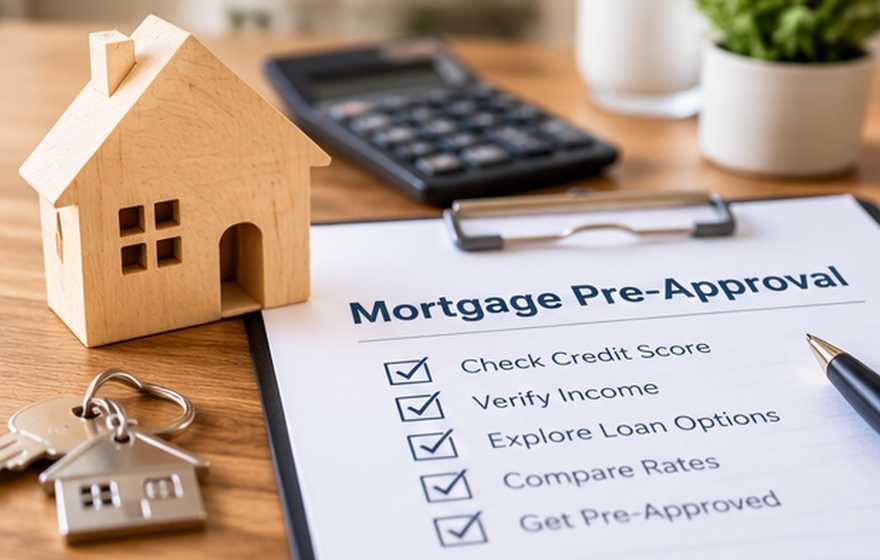
First Time Home Buyer Requirements in Utah: Your Checklist Before Applying
Understanding first time home buyer requirements in utah can help you prepare before submitting a mortgage application. Although requirements vary by program, most lenders want to see that you can reasonably manage the monthly mortgage payment and other housing expenses.
• Review credit reports and address any errors.
• Calculate monthly income and existing debt payments.
• Estimate down payment and closing costs.
• Research FHA, conventional, USDA, and VA eligibility.
• Check Utah down payment assistance eligibility.
• Gather financial documents for pre-approval.
• Compare multiple lenders and their mortgage options.
Most importantly, decide what monthly payment you are comfortable making. A lender may approve you for a certain mortgage amount, but that does not necessarily mean you should spend the maximum. Your budget should include property taxes, homeowners insurance, mortgage insurance when applicable, HOA fees, maintenance, utilities, and emergency savings.
Ready to Buy Your First Home in Utah? Start Here
Buying your first home may seem complicated, but the process becomes easier when you break it into manageable steps. You do not need perfect credit, a 20% down payment, or every detail figured out before exploring your options.
Start by reviewing your credit, setting a realistic budget, and researching the mortgage programs available to you. Then talk with lenders about pre-approval and compare financing options before committing to a loan. Whether you are purchasing in Salt Lake City, Provo, Ogden, or another Utah community, taking time to understand your options can help you make a more confident decision.
Your first home is more than a purchase. It is a place to build your future. The right preparation can help you take that first step with confidence.
Original AI-Generated Blog Post — First Draft
The following is the initial AI-generated draft, preserved separately from the revised SEO article above. This original draft was generated before the SEO rewrites.
First Time Home Buyer Programs in Utah: How to Qualify, Get Pre-Approved, and Buy With Little or No Down Payment
Buying your first home is exciting, but figuring out how to pay for it can feel overwhelming. Between mortgage rates, credit scores, down payments, and loan requirements, there is a lot to understand before making an offer. Fortunately, first time home buyer programs can help make homeownership more accessible, especially for people who don’t have a large amount of money saved.
If you’re planning to buy a home in Utah, understanding your financing options is one of the best places to start. From first time home buyer loans to assistance programs and mortgage pre-approval, this guide explains the major steps involved in purchasing your first home.
Understanding First Time Home Buyer Programs
Many buyers assume they need perfect credit and a 20% down payment to purchase a home. In reality, several mortgage options allow qualified borrowers to buy with significantly less money upfront.
Different first time home buyer programs offer different benefits. Some provide assistance with down payments or closing costs, while others offer mortgage options with flexible qualification requirements.
Utah buyers may qualify for programs through Utah Housing Corporation, participating lenders, or other eligible housing assistance organizations. Availability depends on factors such as income, location, property type, and the specific program’s requirements.
A first time home buyer mortgage is not necessarily a separate type of loan. Instead, it may refer to a conventional, FHA, USDA, or other mortgage used by someone purchasing their first home.
Understanding these differences helps buyers compare options instead of assuming that every first-time buyer qualifies for the same benefits.
FHA, Conventional, and USDA Loan Options
An fha loan first time home buyer option can be especially appealing to borrowers who have limited savings or less-established credit histories. FHA loans are government-insured mortgages offered through approved lenders. Qualified borrowers may be eligible for a down payment as low as 3.5%, depending on their credit score and other requirements.
Buyers should also consider the fha down payment and closing costs together. Although the down payment may be relatively low, additional expenses can include lender fees, appraisal charges, title-related costs, prepaid insurance, and other closing expenses. FHA mortgage insurance also affects the overall cost of borrowing.
A conventional mortgage may be another option. The conventional mortgage down payment can be as low as 3% for certain qualifying loan programs, although requirements vary by lender and loan product.
Some buyers are particularly interested in first time home buyer loans with zero down. USDA and certain VA loans may provide no-down-payment financing for eligible borrowers. USDA loans have geographic, income, and other eligibility requirements, while VA loans require qualifying military service or another qualifying connection.
A usda first time home buyer search can be a useful starting point for buyers considering eligible rural or suburban areas of Utah. USDA loans are not exclusively for first-time buyers, however, and borrowers must still satisfy program requirements.
If you’re researching a no down payment first time home buyer option, remember that zero down payment does not always mean zero upfront expenses. Closing costs, inspections, moving expenses, and other costs may still apply.
This leads to a common question: can you buy a house with no down payment in utah? The answer is yes for some qualified borrowers and eligible properties, but it depends on the loan and assistance program.
Credit Score Requirements for Buying a Home
One of the most common concerns among new buyers is their credit score to buy a house. Your credit score helps lenders evaluate how you have managed borrowed money and can influence your eligibility and mortgage pricing.
The minimum credit score to buy a house depends on the mortgage program and lender. For example, FHA guidelines may allow a 3.5% down payment for borrowers with scores of at least 580, while certain borrowers with scores from 500 through 579 may be eligible with a larger down payment. Individual lenders may apply stricter standards.
There is no single universal minimum credit score for home loan approval because lenders also consider income, existing debts, assets, and the overall application.
A good credit score to buy a house can help improve your financing options, but a high score alone does not guarantee approval. Lenders evaluate your financial circumstances as a whole.
If you’re wondering what credit score do you need to buy a house in utah, the answer generally depends on the loan program rather than a unique statewide credit-score requirement.
Before applying, review your credit reports, correct any errors, and avoid taking on unnecessary new debt. These steps can help you prepare for the mortgage process.
How Much Down Payment Do First-Time Buyers Need?
Your first time home buyer down payment is the amount of the purchase price you pay upfront rather than financing through your mortgage.
For example, a 3% down payment on a $400,000 home would equal $12,000, while a 3.5% down payment would equal $14,000. These amounts do not include closing costs or other upfront expenses.
Many buyers ask, how much down payment do you need for a house in utah? The amount depends on your chosen mortgage, purchase price, eligibility, and any available assistance.
Some buyers may benefit from applying for down payment assistance through Utah-specific housing programs. Assistance may come in the form of grants, second mortgages, or other financing arrangements. It is important to understand whether the assistance must be repaid and whether it affects the terms of your primary mortgage.
Buyers should also maintain savings for emergencies, repairs, and ongoing homeownership expenses rather than using every available dollar for the purchase.
Comparing First Time Home Buyer Mortgage Rates
Understanding first time home buyer interest rates is important because even a small difference in your mortgage rate can affect the amount you pay each month and over the life of the loan.
Your rate may depend on your credit profile, loan type, down payment, mortgage term, discount points, and current market conditions.
When comparing first time home buyer rates, ask lenders for estimates based on the same loan amount, property assumptions, and mortgage terms. This makes comparisons more meaningful.
You should also review first time home buyer mortgage rates alongside annual percentage rates, lender fees, mortgage insurance, and total closing costs.
The lowest advertised interest rate is not automatically the least expensive mortgage. Comparing the full cost of each offer can help you make a better-informed decision.
Getting Pre-Approved for Your First Home
A first time home buyer pre approval is an important step before seriously shopping for homes. During pre-approval, a lender reviews financial information to estimate the mortgage amount you may qualify to borrow.
The mortgage pre approval first time home buyer process commonly involves providing income records, employment information, bank statements, identification, and permission for a credit review.
Pre-approval can help you establish a realistic shopping budget and demonstrate to sellers that you have taken steps toward arranging financing.
However, pre-approval is not a guarantee of final mortgage approval. The lender may still need to verify information, review the property appraisal, and complete underwriting.
Another frequent question is, does mortgage pre approval affect your credit score? Many lenders perform a hard credit inquiry during formal pre-approval, which can have a small, temporary effect on your score. Some lenders may offer preliminary reviews using soft inquiries, so ask about their process before applying.
Once pre-approved, avoid making major financial changes without discussing them with your lender.
First Time Home Buyer Requirements in Utah
Understanding first time home buyer requirements in utah involves more than finding a mortgage with a manageable down payment.
Lenders typically evaluate income, debt obligations, credit history, assets, and employment stability. Individual assistance programs may also impose income limits, purchase-price restrictions, homebuyer education requirements, or rules about occupying the property as your primary residence.
Before selecting a mortgage, determine how much you can comfortably spend each month, including property taxes, homeowners insurance, utilities, maintenance, and any homeowners association fees.
It can also help to speak with multiple lenders, compare loan estimates, and ask about programs available in the county where you intend to purchase.
Your Next Steps Toward Buying a Utah Home
Purchasing your first home does not require knowing everything about mortgages before getting started. It requires understanding your options, asking questions, and choosing a financing strategy that fits your financial situation.
Start by checking your credit, estimating your budget, researching loan programs, and speaking with lenders about pre-approval. Then explore down payment assistance and compare the full cost of available mortgage options.
With careful preparation and the right information, buying your first Utah home can become a much more manageable process.