
Buying your first home can feel overwhelming when you’re trying to understand loan programs, savings requirements, mortgage rates, and the buying process all at once. A Utah first time home buyer loan is not just one specific product. It can include conventional financing, FHA loans, VA loans for eligible military borrowers, USDA loans in qualifying rural areas, and programs offered through Utah Housing.
The best option depends on your credit, income, savings, debt, location, and homebuying goals.
This guide explains how to prepare, compare common loan options, and move from initial research to a mortgage application. Program terms and funding can change, so always confirm current details with Utah Housing and a participating lender before making a decision.
As you compare first time buyer programs, focus on the requirements, total costs, and repayment terms that apply to your financial situation.

How Much House Can I Afford in Utah?
Before looking at homes, one of the first questions to ask yourself is, how much house can I afford in Utah?
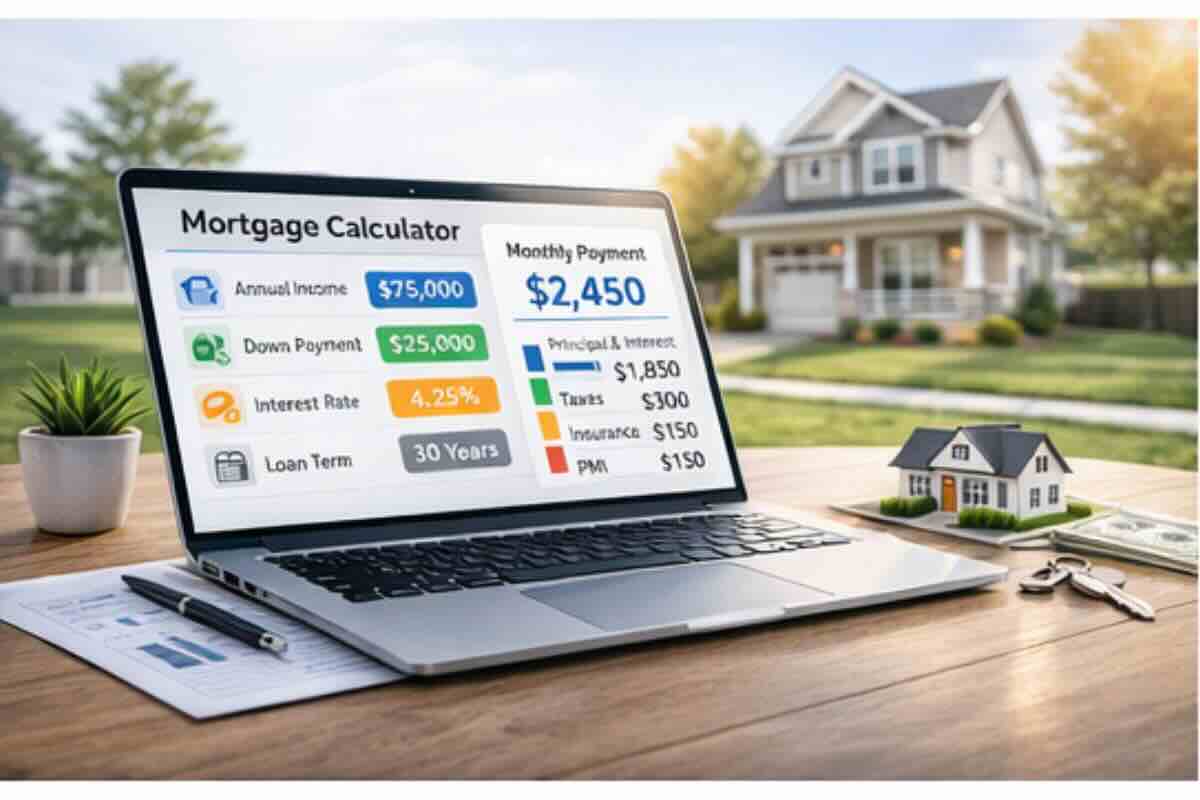
A lender considers your income, monthly debt payments, credit history, down payment, and estimated housing expenses. Your future mortgage payment includes more than just principal and interest. It can also include property taxes, homeowners insurance, mortgage insurance, and homeowners association (HOA) fees.
Rather than focusing only on the largest loan amount a lender might approve, choose a payment that leaves room for utilities, repairs, savings, and unexpected expenses.
A mortgage calculator can help you compare different home prices and down payment amounts before meeting with a lender.
Utah First Time Home Buyer Programs and Loan Options
Many buyers begin by researching Utah first time home buyer programs and first time home buyer loans. Some of the most common options include FHA, VA, USDA, conventional, and Utah Housing loans.
No single loan is right for everyone, so it’s important to compare qualification requirements and overall costs instead of choosing a loan based only on the smallest advertised down payment.
FHA Loans
Reviewing Utah FHA loan requirements can be helpful if you have limited savings or less-than-perfect credit. An FHA loan is often popular with an FHA loan first time home buyer because it can allow a relatively low down payment.
However, an FHA first time home buyer should still compare mortgage insurance costs and lender terms with conventional financing.
Conventional Loans
Buyers with stronger credit may want to explore conventional financing and Utah conventional loan limits. These loans can offer competitive rates and different mortgage insurance options depending on the buyer’s qualifications.
VA and USDA Loans
VA loans can be an excellent choice for eligible veterans, active-duty service members, and surviving spouses. USDA loans may work for buyers purchasing homes in eligible rural or suburban areas.
The right first time buyer mortgage is the one that fits your budget and long-term financial plans, not simply the one with the lowest initial cash requirement.
Utah Down Payment Assistance and Zero Down Options
Saving for upfront costs can be one of the biggest challenges for new buyers. That’s why Utah down payment assistance is an important option to explore.
Utah Housing and some local cities or counties may offer programs that help eligible buyers with down payments or closing costs.
However, it’s important to understand the terms. Assistance may come in the form of a grant, forgivable loan, deferred loan, or second mortgage that must eventually be repaid.
When applying for down payment assistance, ask these questions:
- Does the assistance need to be repaid?
- Are there monthly payments?
- Can the funds be used for closing costs?
- Are there income, credit, or home-price limits?
- Does the program require a specific lender or homebuyer education course?
Some buyers also search for first time home buyer loans with zero down or a no down payment first time home buyer option.
While these programs can reduce the amount of money needed upfront, zero down does not mean buying a home is completely free. You may still need money for earnest money deposits, inspections, appraisals, moving expenses, and closing costs.
The average down payment on a house for first time buyer varies depending on the loan program and the buyer’s financial situation. You do not always need 20% down, but you should still have a realistic savings plan.
It’s also important to budget for Utah mortgage closing costs, including lender charges, title services, prepaid taxes, insurance, and other fees.
Before choosing a lender, request a Loan Estimate so you can better understand your total expenses.
Utah Mortgage Pre Approval and How to Qualify
Getting a Utah mortgage pre approval is one of the most useful early steps in the homebuying process.
Pre-approval helps you understand your estimated borrowing power and shows sellers that you’re a serious buyer.
A detailed pre-approval is more valuable than a quick online estimate because the lender reviews your income, assets, debts, and credit information.
Buyers researching first time home buyer pre approval should be prepared to provide documents such as:
- Recent pay stubs
- Bank statements
- Identification
- Employment information
- W-2 forms or tax returns
- Information about existing debts and assets
If you’re wondering how to qualify for a home loan first time buyer, focus on improving your credit when possible, avoiding unnecessary debt, maintaining stable employment, and saving consistently.
Understanding how to apply for a home loan first time buyer also means gathering your documents early and being prepared for additional questions from your lender.
Self-employed buyers may need to provide extra financial records.
During the application process, avoid opening new credit cards, financing a car, or making unexplained large deposits while your loan is being reviewed.
Compare First Time Home Buyer Lenders and Rates
It’s important to compare first time home buyer lenders instead of applying with only one company.
Ask each lender to explain the interest rate, annual percentage rate (APR), lender fees, estimated cash needed to close, mortgage insurance, and available loan programs.
The lowest advertised interest rate isn’t always the lowest overall cost.
Pay close attention to first time home buyer mortgage rates and the first time home buyer interest rate you’re offered.
Even a small difference in interest rates can affect your monthly payment and the total amount you pay over the life of the loan.
Review the entire Loan Estimate from each lender so you can compare offers fairly.
When searching for the best first time home buyer programs, focus on your own financial situation rather than choosing the program with the lowest advertised down payment.
A program with lower upfront costs may require repayment of a second loan or result in a higher monthly payment.
A good lender should clearly explain these tradeoffs and help you understand which option makes the most sense for your goals.
Next Steps for First Time Home Buyers in Utah
Buying your first home is a major financial decision, but you don’t have to figure everything out at once.
Start by understanding your budget, comparing loan types, exploring down payment assistance programs, and getting pre-approved by a lender you trust.
Take the time to compare mortgage rates, review closing costs, and understand the long-term financial commitment before making an offer.
With the right preparation and research, you can move through the homebuying process with greater confidence and find a home that fits both your lifestyle and your budget.