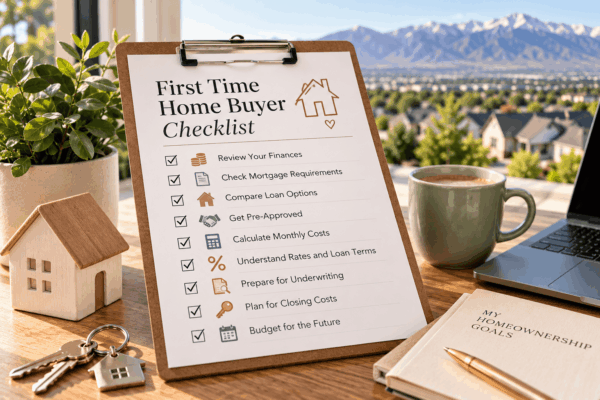

Buying a home is one of the biggest financial decisions most people will make. While many buyers focus on saving for a down payment, there are other expenses that can catch them off guard. One of the most important is Utah mortgage closing costs.
Closing costs are the fees and expenses you pay when finalizing a home purchase and mortgage. They can include lender charges, appraisal fees, title services, insurance, and prepaid taxes. Understanding these costs ahead of time can help you create a realistic budget and avoid surprises when it’s time to close on your home.
Whether you’re buying your first home or preparing to move, this guide explains what closing costs include, how much you might need to save, and ways to potentially reduce your expenses.
How Much Are Mortgage Closing Costs in Utah?
One of the most common questions buyers ask is how much they should expect to pay in closing costs.
As a general budgeting estimate, closing costs can range from around 2% to 5% of the home’s purchase price, although actual expenses vary depending on the lender, loan type, property, and transaction.
For example, if you’re purchasing a $400,000 home, a 2% to 5% estimate would mean approximately $8,000 to $20,000 in closing costs. This is only an illustration, not a guaranteed quote.
It’s important to remember that your down payment is separate from these costs. Even if you qualify for a loan with a low down payment, you may still need additional money to complete the purchase.
Before making an offer, ask your lender for a Loan Estimate that breaks down your expected expenses.

What Is Included in Utah Mortgage Closing Costs?
Several different fees make up the total cost of closing on a home. Understanding these charges can help you compare lenders and identify opportunities to save money.
Loan Origination Fees
These are fees charged by your mortgage lender for processing, underwriting, or originating your loan. The amount varies depending on the lender and loan program.
Appraisal Fees
Most mortgage lenders require an appraisal to estimate the property’s value. This helps the lender determine whether the home provides enough security for the mortgage.
Title Insurance and Title Services
Title services help verify ownership and identify potential legal claims against the property. Title insurance protects against certain covered ownership-related problems. Buyers may pay for lender’s title insurance, while responsibility for other title expenses can depend on the purchase agreement and local practices.
Homeowners Insurance
Mortgage lenders typically require homeowners insurance to protect the property. Buyers may need to pay the first premium before or during closing.
Property Taxes and Prepaid Expenses
Some closing costs include prepaid interest, property taxes, and money deposited into an escrow account for future tax and insurance payments.
These expenses can add up quickly, which is why reviewing your Utah mortgage closing costs early in the buying process is so important.
How Much House Can I Afford in Utah?
Before applying for a mortgage, it’s important to understand how much house can I afford in Utah based on your income, savings, and monthly expenses.
Many buyers focus on the monthly mortgage payment without considering the additional costs of owning a home.
Your monthly housing expenses may include mortgage principal and interest, property taxes, homeowners insurance, mortgage insurance, and homeowners association fees.
You should also budget for maintenance, utilities, repairs, and unexpected expenses.
A lender might approve you for a larger loan than you’re comfortable paying each month. Choosing a home that fits your budget can help you avoid financial stress after moving in.
Using a mortgage calculator and comparing different home prices can help you understand how your down payment and interest rate affect your monthly costs.
Utah Down Payment Assistance Programs
For buyers who have trouble saving enough money upfront, Utah down payment assistance programs may provide financial support.
Utah Housing and certain local programs offer assistance options for eligible homebuyers. Depending on the program, assistance may help cover down payments, closing costs, or both.
However, assistance is not always free money. Some programs provide grants, while others use second mortgages, deferred loans, or loans that must be repaid.
When applying for down payment assistance, make sure you understand the requirements and repayment terms.
You should also ask whether the program has income limits, credit score requirements, purchase price restrictions, or homebuyer education requirements.
Exploring Utah first time home buyer programs can be especially helpful for buyers who have stable income but limited savings.
Can First Time Home Buyers Purchase With Zero Down?
Many buyers search for first time home buyer loans with zero down because saving for a large down payment can be difficult.
Some loan programs, including VA loans for eligible borrowers and USDA loans for qualifying properties and applicants, may allow purchases without a down payment.
However, a no down payment first time home buyer loan does not necessarily eliminate closing costs.
Buyers may still need to pay for inspections, appraisals, insurance, and other expenses.
The average down payment on a house for first time buyer varies depending on the loan program and the buyer’s financial situation. You do not always need to save 20% of the home’s price before purchasing.
The important thing is understanding how much money you’ll need upfront and how your loan choice affects your monthly payment.
Compare First Time Home Buyer Lenders and Mortgage Rates
One of the easiest ways to potentially reduce your mortgage expenses is to compare offers from multiple lenders.
Different first time home buyer lenders may charge different origination fees, offer different interest rates, or provide different loan programs.
When comparing lenders, don’t focus only on the advertised interest rate.
Look at the annual percentage rate (APR), lender fees, mortgage insurance, discount points, and estimated cash needed to close.
First time home buyer mortgage rates can vary based on your credit score, down payment, loan type, and market conditions.
Even a small difference in the first time home buyer interest rate can affect your monthly payment and the total amount of interest you pay over time.
Ask each lender for a Loan Estimate so you can compare offers using similar loan amounts, terms, and rate-lock assumptions.
How to Reduce Your Mortgage Closing Costs
Although some closing expenses are unavoidable, there are several ways buyers may be able to reduce the amount they pay upfront.
1. Compare Multiple Lenders
Different lenders charge different fees. Getting multiple quotes can help you identify unnecessary expenses and potentially negotiate better terms.
2. Ask About Seller Concessions
In some transactions, sellers may agree to contribute toward the buyer’s closing costs. The amount allowed depends on the loan program and purchase agreement.
3. Explore Assistance Programs
Some first time buyer programs may help eligible buyers cover part of their upfront expenses.
4. Review Your Loan Estimate Carefully
Look for fees that seem unusually high or charges you don’t understand. Ask your lender which services you can shop for and whether less expensive options are available.
5. Consider Lender Credits
Some lenders offer credits toward closing costs in exchange for a higher interest rate. This can reduce the amount you pay upfront, but it may increase your monthly payment and long-term borrowing costs.
The best option depends on how much money you have saved, how long you plan to own the home, and your financial goals.
Get Pre-Approved Before Shopping for a Home
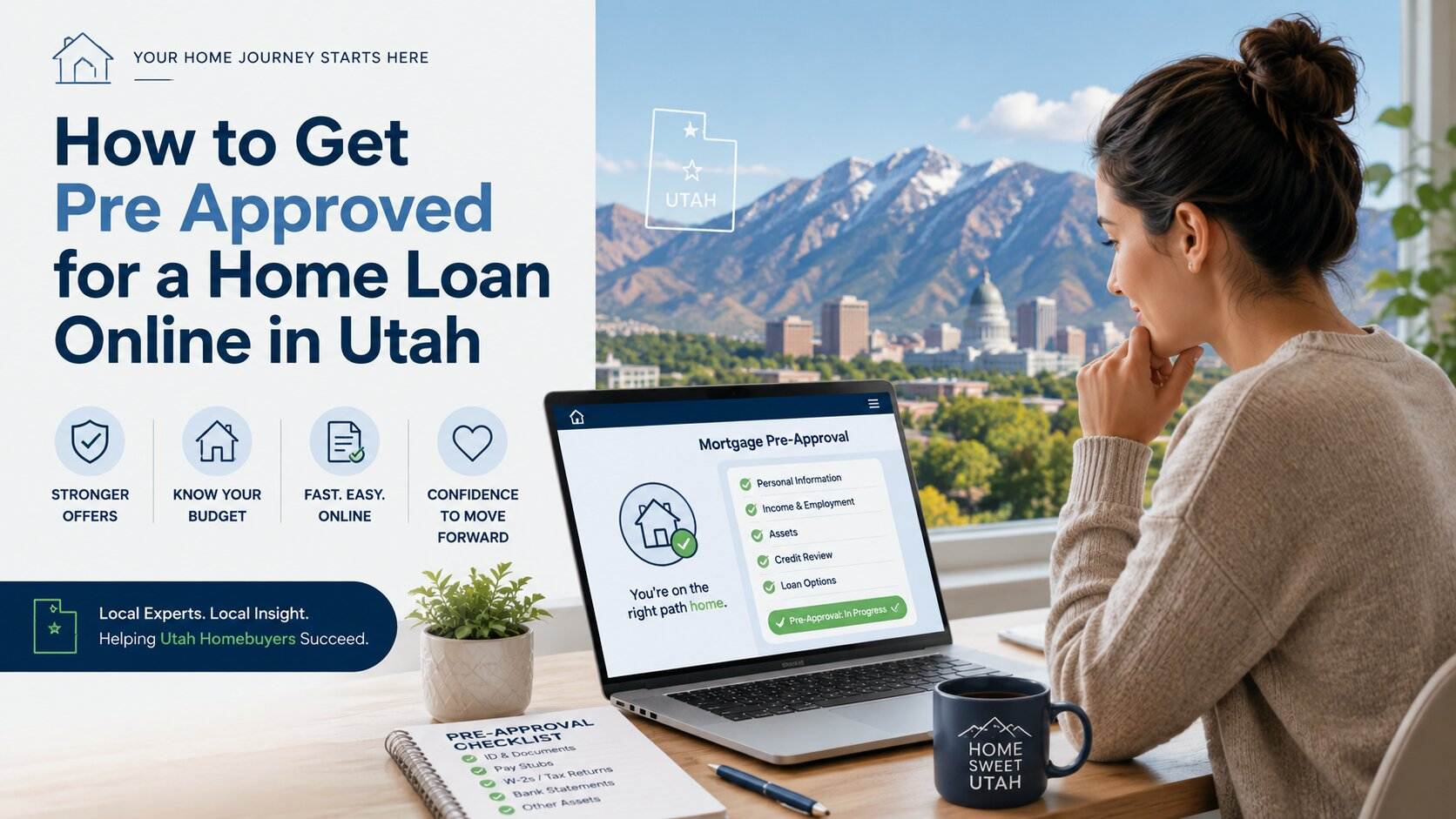
Getting a Utah mortgage pre approval is another important step in preparing to buy a home.
During pre-approval, a lender reviews your financial information to estimate how much you may qualify to borrow.
For first time home buyer pre approval, lenders commonly request pay stubs, bank statements, employment information, and authorization to review your credit.
If you’re wondering how to qualify for a home loan first time buyer, start by checking your credit, reducing unnecessary debt, and building your savings.
Understanding how to apply for a home loan first time buyer can also make the process less stressful. Having your financial documents organized before contacting lenders can help you move through the application process more efficiently.
Remember that pre-approval is not a final loan approval, and your lender may request additional information before closing.
Final Thoughts: Preparing for Utah Mortgage Closing Costs
Buying a home involves more than saving for a down payment. Understanding Utah mortgage closing costs can help you avoid unexpected expenses and make better financial decisions.
Start by estimating your total upfront costs, comparing mortgage lenders, and researching available assistance programs.
Take time to review your Loan Estimate, ask questions about unfamiliar fees, and choose a mortgage that fits your budget.
With careful planning, you can approach the homebuying process with more confidence and be better prepared when it’s time to close on your new home.