
Buying a first home is exciting, but the financing side can feel confusing fast. There is no single loan that is automatically right for every new buyer. The best first time home buyer loans depend on your credit, income, savings, debt, location, and eligibility for special programs. For Utah buyers, the goal should be to compare the full cost of each option rather than choosing a loan based only on the smallest down payment.
Many people start by searching for first time home buyer programs or first time home buyer loans, but those terms cover several different paths. A first time home buyer mortgage may be conventional or government-backed, and assistance may sometimes be layered on top of the primary loan. Understanding those differences before you shop for a house can make the rest of the process much easier.
Best First Time Home Buyer Loans: Compare the Main Options
A first time buyer mortgage can take several forms. Conventional loans are common for borrowers with stronger credit and may allow a low down payment for qualified buyers. An fha loan first time home buyer option is government-insured and is often considered by buyers who need more flexible credit or down payment requirements. An fha first time home buyer should still compare mortgage insurance and total monthly cost with a conventional loan.
A usda first time home buyer loan can be especially useful for eligible borrowers purchasing in qualifying rural or suburban areas because USDA financing may allow no down payment. Eligible veterans, service members, and certain surviving spouses may also have access to VA financing. These programs are why searches for first time home buyer loans with zero down and no down payment first time home buyer options can lead to legitimate possibilities, although eligibility rules matter.
A first time home owners loan is not automatically a special product simply because the borrower has never owned a home. In practice, the best mortgages for first time buyers are the ones that fit the buyer’s financial profile and long-term plans. The best first time home buyer programs can also include state or local assistance that helps with down payments or closing costs.
Use a First Time Home Buyer Mortgage Calculator Before You Shop
Before comparing houses, compare payments. A first time home buyer mortgage calculator can help estimate how a home price, down payment, interest rate, and loan term may affect your monthly principal and interest. A useful estimate should also leave room for property taxes, homeowners insurance, mortgage insurance when applicable, HOA costs, and other expenses.
Using a first time buyer mortgage calculator, first time home buyer calculator, or first time home buyer loan calculator is most useful when you test several scenarios instead of only one. Try different down payments and rates. This can show whether keeping more savings in reserve may be more valuable than putting every available dollar toward the purchase.

First Time Home Buyer Pre Approval and Qualification
A first time home buyer pre approval is an important step before making serious offers. Preapproval generally involves a lender reviewing financial information to estimate how much you may be able to borrow. Buyers who search prequalify for home loan first time buyer should understand that prequalification can be an early estimate, while preapproval usually involves a more detailed review.

Moving boxes in a new home representing a first-time home buyer completing the mortgage process.
If you are wondering how to qualify for a home loan first time buyer, focus on the basics: credit history, stable income, employment, existing debts, available funds, and documentation. Learning how to apply for a first time home loan before you find a property can reduce surprises later. Avoid making major financial changes, such as opening large new credit accounts, while you are preparing for mortgage approval.
Compare First Time Buyer Mortgage Rates and Total Costs
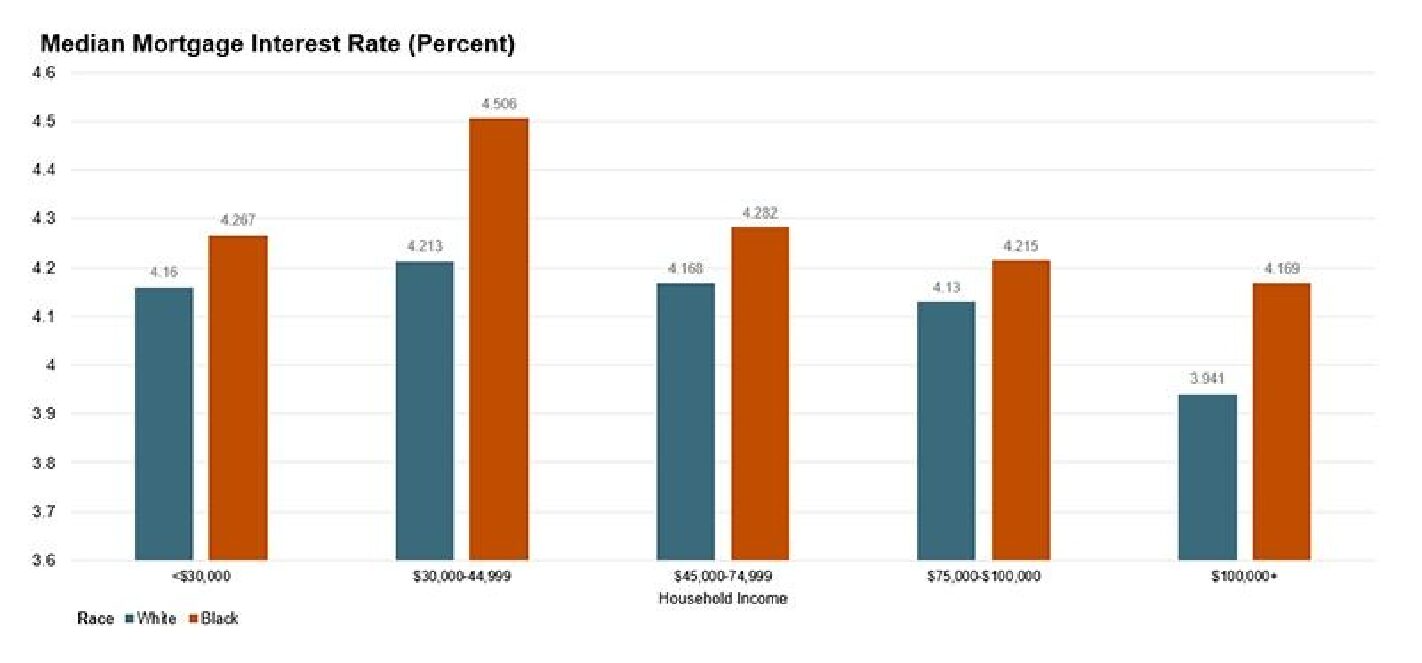
The first time home buyer interest rate you receive is affected by both market conditions and your financial profile. Because rates and fees vary, comparing first time buyer mortgage rates is an important part of choosing a loan. A slightly lower advertised rate does not always mean a lower overall cost if another option has different mortgage insurance, points, or fees.
This is also why the best mortgage lenders for first time buyers should be evaluated on more than a headline rate. The best mortgage lenders for first time home buyers should clearly explain loan choices, provide a Loan Estimate when appropriate, answer questions about fees, and help you understand tradeoffs between upfront costs and monthly payments.
How to Choose the Best First Time Home Buyer Program
Start by identifying which loan types you may qualify for, then compare the total monthly payment and cash needed at closing. If saving for a down payment is the biggest obstacle, ask about low-down-payment options and assistance. If your credit is the bigger concern, compare FHA and conventional requirements. If location or military service makes you eligible for USDA or VA financing, include those options in the comparison.
Finally, do not choose a mortgage just because it sounds like the easiest approval. The right best first time home buyer loans choice should leave enough room in your budget for repairs, utilities, maintenance, and emergencies after closing. A home loan should help you become a homeowner without making the rest of your finances unmanageable.
Next Steps for a First-Time Buyer in Utah
Start with an affordability estimate, review your credit and savings, and then talk with a qualified mortgage professional about the programs available for your situation. Mortgage Rate Utah already provides resources on Utah buyer programs, mortgage calculators, and preapproval, so this loan-comparison guide can be used as the next step: narrow the choices, compare total costs, and move toward preapproval with a clearer idea of what fits your budget.
Mortgage guidelines, rates, and assistance programs can change, and individual lender requirements may vary. Use calculators as estimates and verify current program rules with the appropriate agency or a licensed mortgage professional before making a financial decision.