
Learn how mortgage pre approval works for first-time buyers, what documents you need, how loan programs help, and how to get ready before shopping for a home.
Mortgage Pre Approval for First Time Home Buyers

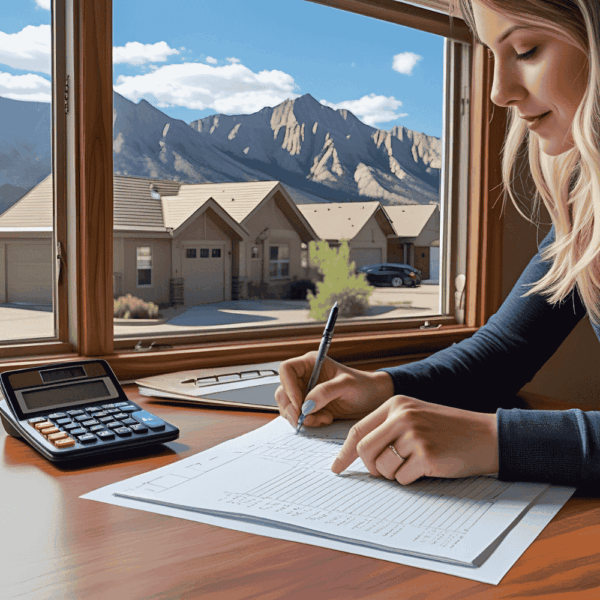
First-time home buyer reviewing mortgage pre approval documents before shopping for a home.
Mortgage Pre Approval First Time Home Buyer Guide
Buying your first home is exciting, but the mortgage process can feel overwhelming. Terms like mortgage pre approval, home loan pre approval, credit checks, down payments, and closing costs can be confusing at first. Before touring homes or making offers, getting preapproved is one of the smartest steps you can take. It helps you understand your budget, shows sellers you are serious, and gives you a clearer idea of which loan options fit your situation.
A mortgage pre approval first time home buyer process happens when a lender reviews your income, credit, debts, assets, and employment history to estimate how much you may be able to borrow. After reviewing your information, the lender may give you a preapproval letter showing the loan amount you could qualify for.
This matters because sellers want to know that a buyer can get financing. A first time home buyer pre approval letter can make your offer stronger and help you avoid shopping outside your real budget. Instead of falling in love with a home first and figuring out the money later, preapproval gives you clear expectations from the start.
Documents Needed for Mortgage Pre Approval
The documents needed for mortgage pre approval usually include proof of income, bank statements, tax forms, identification, employment details, and a list of debts such as credit cards, auto loans, or student loans. If you are self-employed, you may need extra tax returns or business records. Having these ready can make the process faster and easier.
A first time home buyer pre approval checklist can help you stay organized. Include recent pay stubs, W-2s or tax returns, bank statements, photo ID, rental history, monthly debts, estimated down payment, closing cost savings, and questions for your lender.
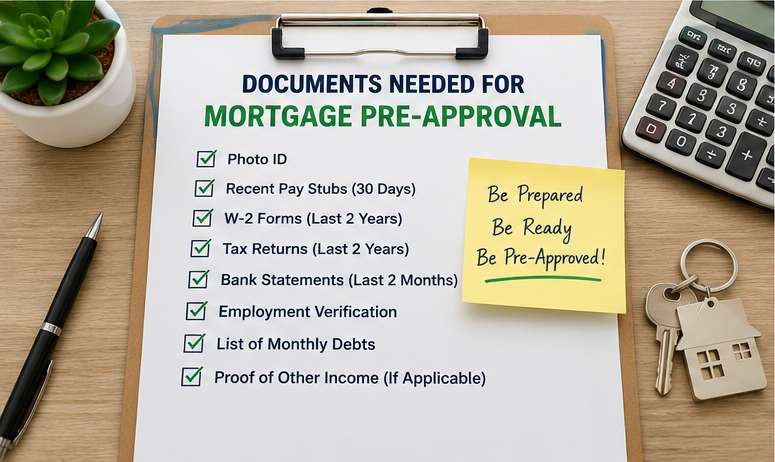
Checklist of documents needed for mortgage pre approval including pay stubs, tax forms, and bank statements.
It is also important to understand mortgage pre approval vs pre qualification. Prequalification is usually a basic estimate based on information you provide, while preapproval is stronger because the lender reviews more documents and may check your credit.
Prequalification can be helpful early on, but preapproval is better when you are ready to shop seriously. A preapproval letter gives your real estate agent and sellers more confidence that you are financially prepared.
Loan Types
There are several first time home buyer loans that can make buying a home more affordable. Common options include conventional loans, FHA loans, VA loans, USDA loans, and state assistance programs. The right first time buyer mortgage depends on your credit, income, debt, location, military status, and down payment.
An FHA loan first time home buyer option may help buyers who need a lower down payment or more flexible credit requirements. Some buyers also look for first time home buyer loans with zero down or no down payment first time home buyer options, which may be available through VA or USDA loans. Since not every buyer or property qualifies, it is important to compare your options with a lender.
Choosing the Best First Time Home Buyer Loan
The best first time home buyer loans are not always the ones with the lowest advertised rate. A good loan should fit your budget, savings, credit, and long-term plans. When comparing the best mortgages for first time buyers, look at the interest rate, APR, mortgage insurance, down payment, closing costs, and any special assistance programs.
Your first time home buyer interest rate depends on your credit score, loan type, down payment, debt-to-income ratio, and market conditions. This is why it helps to compare multiple first time home buyer lenders before choosing one. Even a small difference in rate or fees can affect your monthly payment.
If you are wondering how to qualify for a home loan first time buyer, start by reviewing your credit, income, debt, and savings. Paying bills on time, lowering credit card balances, avoiding new debt, and saving for upfront costs can help strengthen your application.
Qualifying Without Stretching Your Budget
A first time home loan is not just about getting approved for the highest amount. It is about choosing a payment that still leaves room for utilities, repairs, insurance, taxes, and daily expenses. A first time home buyer mortgage should support your goals without stretching your budget too far.
If you are looking for a first home buyers loan, start by speaking with a lender, reviewing your budget, and asking about programs that may lower your down payment or closing costs.
Many buyers ask, how long does mortgage pre approval take? The answer depends on the lender and how prepared you are. If your documents are ready and your finances are simple, it may be completed quickly. If income, credit, employment, or bank records need extra review, it may take longer.
To speed up the process, gather your documents before applying, respond quickly to lender questions, and avoid making major financial changes while you are shopping for a home. Do not open new credit cards, buy a car, or make large unexplained bank transfers without speaking to your lender first.
First time home buyer programs can help with down payments, closing costs, education, or special loan terms. They may come from federal, state, local, nonprofit, or lender-based sources. Some programs have income limits, location rules, education requirements, or rules about how long you must live in the home.
Before choosing a program, ask if the help is a grant, forgivable loan, deferred loan, or repayable second mortgage. This helps you understand the true cost and responsibility before moving forward.
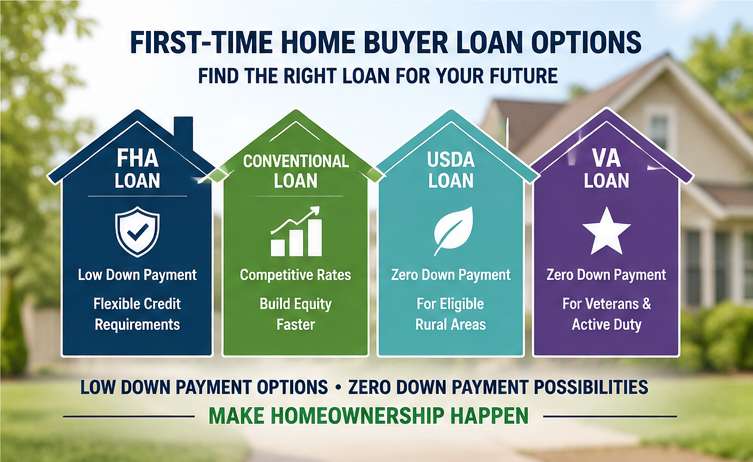
First-time home buyer comparing FHA loans, low down payment programs, and zero down payment mortgage options.
Before applying for home loan pre approval, use this quick checklist:
- Review your credit report and fix errors.
- Save recent pay stubs, W-2s, tax returns, and bank statements.
- Calculate your monthly debts.
- Estimate your down payment and closing cost savings.
- Compare several first time home buyer lenders.
- Ask about FHA, VA, USDA, conventional, and assistance programs.
- Get your preapproval letter before making offers.
- Avoid major financial changes before closing.