
First Time Home Buyer Checklist: Steps to Prepare for a Mortgage in Utah
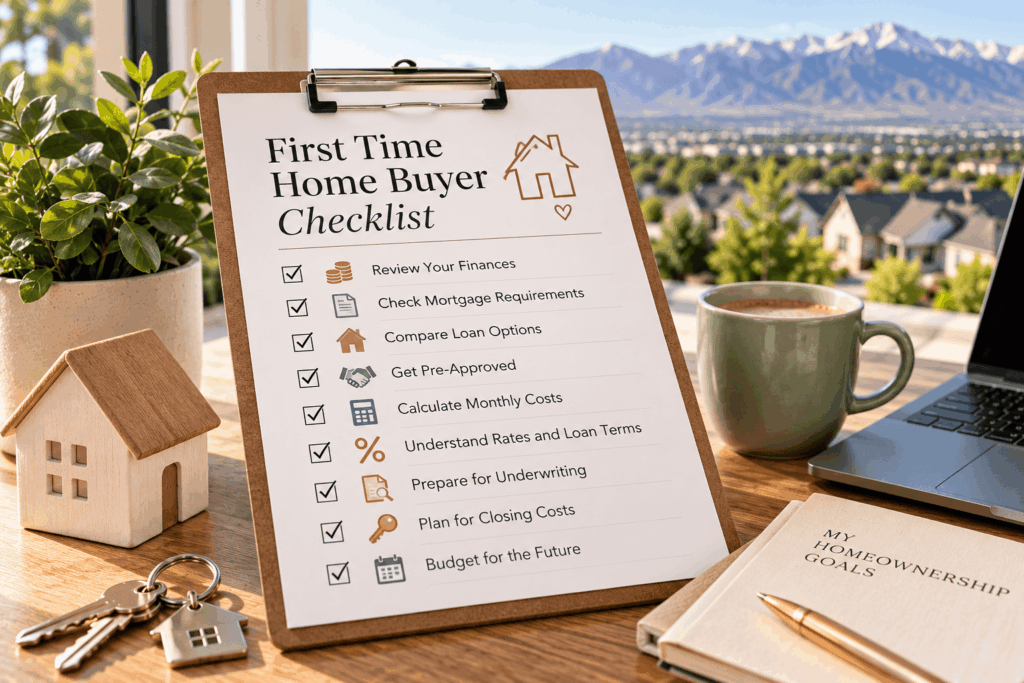
Buying your first home is exciting, but it can also feel overwhelming when you start thinking about mortgage applications, interest rates, down payments, and closing costs. If you are not sure where to begin, following a first time home buyer checklist can help you break the process into smaller, more manageable steps.
For many Utah homebuyers, the biggest challenge is understanding how much they can afford and what they need to do before making an offer. Taking time to review your finances, learn about different loan options, and prepare for the mortgage process can help you feel more confident about your decision. Here are the most important things to know before buying your first home.
Review Your Budget and Understand Mortgage Requirements
Before you start touring homes, take a close look at your finances. Consider how much money you have saved, how much you earn each month, what bills you pay, and how much debt you currently have. This will help you determine what kind of monthly mortgage payment you can comfortably manage. Lenders also review your finances when deciding whether to approve a mortgage.
Common mortgage requirements include your credit history, income, employment, existing debt, and money available for a down payment and closing costs. If you are worried about your credit score, you may have searched for a mortgage for bad credit. Some loan programs have more flexible requirements than others, but approval depends on your overall financial situation and the lender’s guidelines.
Paying down debt, checking your credit report for errors, and building savings may help you prepare before applying. Remember, the goal is not just to qualify for a mortgage. It is to choose a home you can afford without stretching your budget too far.
Compare Conventional, FHA, and VA Loans
Once you understand your budget, the next step is learning about the different types of mortgages available. Choosing the right loan can affect your down payment, monthly payments, and overall borrowing costs. For example, conventional loan requirements differ from FHA loan requirements. The federal government does not insure conventional loans, while the Federal Housing Administration insures FHA loans.
FHA loans may be an option for buyers who need more flexible qualification requirements, but you should also consider mortgage insurance and other costs. Eligible veterans and military service members may qualify for VA loans. If you are researching the best mortgage lender for VA loans, compare interest rates, fees, loan terms, and each lender’s experience with VA financing.
First-time buyers with limited income may also look for the best mortgage lender for first-time buyers with low income. Instead of choosing a lender based only on advertisements, compare loan estimates and ask whether you qualify for any homebuyer assistance programs. Taking time to understand your options can help you find a mortgage that fits your circumstances rather than choosing the first loan you come across.
Learn How to Get Pre-Approved for a Home Loan
Getting pre-approved is an important step because it gives you a better idea of how much you may be able to borrow. If you are wondering how to get pre approved for a home loan, start by contacting a bank, credit union, mortgage broker, or mortgage lender and asking about its application process.
The mortgage pre approval process generally involves reviewing your income, employment, credit history, savings, and existing debt. The lender may ask you to provide documents such as pay stubs, bank statements, tax returns, and information about other financial obligations. If you are wondering what is needed to get pre approved for a mortgage, ask the lender for a list of required documents before you begin.
Having everything organized can make the process easier and help you respond quickly if the lender needs additional information. You may also be asking how can i get pre approved for a home loan or what the steps to get pre approved for a home loan look like. In general, you will gather your financial information, compare lenders, submit an application, and answer any follow-up questions.
What Documents Do You Need for Mortgage Pre-Approval?
The lender may then give you a pre-approval letter outlining your estimated borrowing amount. Some lenders offer online mortgage pre approval, which allows you to begin the process through their websites. If you want to get pre approved for a home loan online, look for a legitimate lender with a secure application process.
You may also see services described as home loan pre approval online, how to get pre approved for a home loan online, or how to get pre approved for a mortgage online. These terms generally refer to starting a mortgage pre-approval application online.
Similarly, searches such as get preapproved for a mortgage and how to get pre approved for a mortgage loan are common ways people look for information about this step. You may also see the phrases mortgage loan pre approval and mortgage loan pre approval process when comparing lenders. If you are not sure where to get pre approved for a mortgage, begin by comparing several lenders.
You can also research where to get preapproved for a home loan, the best place to get preapproved for a mortgage, or the best place to get pre approved for a home loan. Look at interest rates, fees, communication, and loan options rather than assuming one lender will always offer the best deal.
When Should You Get Pre-Approved for a Mortgage?
Finally, consider when should i get pre approved for a mortgage and should i get pre approved for a mortgage before looking. Many buyers choose to get pre-approved before seriously shopping for homes because it helps them understand their likely price range. Keep in mind that pre-approval is not a guarantee of final approval, and the amount a lender may approve is not necessarily the amount you should spend.
Calculate the Full Cost of Owning a Home
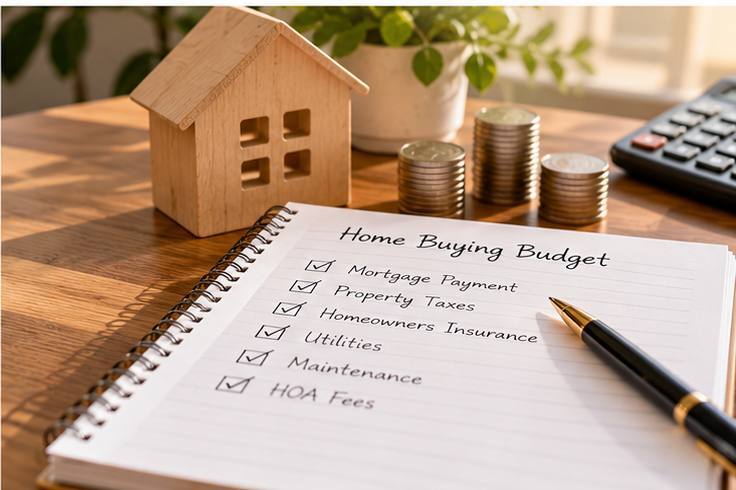
When planning your budget, remember that your mortgage payment is only one part of the cost of homeownership. You will also need to consider property taxes, homeowners insurance, utilities, maintenance, and possible homeowners association fees. A mortgage calculator with taxes can help you estimate your monthly housing expenses before you make an offer.
However, calculator results are only estimates, so you should confirm the actual figures for the property and loan you are considering. It is also helpful to understand mortgage escrow. Some mortgage servicers collect money for property taxes and homeowners insurance through an escrow account as part of your monthly payment.
This can make it easier to plan for those expenses, but your payment may change if taxes or insurance premiums increase. Before committing to a home, ask yourself whether you could comfortably afford the payment while still saving money for emergencies, repairs, and other financial goals.

Understand Mortgage Underwriting
After you submit your mortgage application, the lender begins reviewing your information through a process called mortgage underwriting. During this stage, the lender checks whether you meet the requirements for the loan and may verify your income, employment, savings, debts, credit history, and information about the property.
Your lender might ask you to provide additional documents or explain certain transactions in your bank statements. This is a normal part of the process, so try not to worry if the lender requests more information. The best way to prepare is to keep your documents organized and respond to requests as quickly as possible.
It is also a good idea to avoid taking on significant new debt or making major financial changes during the application process without talking to your lender first.
Compare Mortgage Rates and Understand Rate Locks
Interest rates can make a significant difference in how much you pay over the life of your mortgage. When comparing lenders, look beyond the advertised interest rate and review the annual percentage rate (APR), fees, loan terms, and estimated monthly payment. You may come across searches such as mortgage rates today FHA, mortgage rates today refinance, and refinance rates right now.
These refer to different mortgage situations, and rates can vary depending on market conditions, credit history, loan type, and other factors. An advertised rate is not necessarily the rate you will receive. A mortgage rate lock is another term worth understanding. A rate lock may protect an agreed-upon interest rate for a specific period while your mortgage is being processed, subject to the lender’s conditions.
Ask how long the lock lasts, when it expires, and whether extending it could involve additional fees. You may also encounter the phrase mortgage calculator refinance when researching ways to estimate payments on a refinanced mortgage. Refinancing is generally something homeowners consider after they already have a mortgage. Before refinancing, compare the potential savings with closing costs and other fees.
One keyword in your research, refinance rates auto, usually relates to refinancing a car loan rather than a home mortgage. Make sure you are comparing rates for the correct type of loan.
Learn About HELOCs and Home Equity Loans
Although they are not usually part of the initial homebuying process, home equity products are worth understanding as you learn about homeownership. A home equity line of credit, or HELOC, allows eligible homeowners to borrow against some of the equity they have built in their property.
HELOC requirements may include having sufficient equity, meeting credit requirements, demonstrating income, and maintaining an acceptable debt level. HELOC rates today vary by lender and market conditions, and many HELOCs have variable interest rates. If you are comparing HELOC vs home equity loan, the main difference is how you receive the money.
A HELOC generally lets you borrow funds as needed up to an approved limit, while a home equity loan typically provides a lump sum that you repay over time. A heloc rates calculator can help you estimate potential payments, but you should also consider fees, possible rate changes, and repayment terms. Since these products use your home as collateral, it is important to understand the risks before borrowing.
For first-time buyers, the most important priority is choosing an affordable purchase mortgage and building a stable financial foundation.
Prepare for Closing and Plan for the Future
Once your mortgage is approved and your offer is accepted, you will move toward closing. Before signing the final paperwork, review the loan amount, interest rate, monthly payment, closing costs, and any remaining conditions. If something does not make sense, ask your lender or real estate professional to explain it. You should also keep money available for moving expenses, maintenance, and unexpected repairs.
Even a home that appears to be in excellent condition may need repairs over time, so having an emergency fund can make a big difference. Buying a home is not just about getting approved for a loan. It is about choosing a property and payment that allow you to maintain financial stability after you move in.
Use Your First-Time Home Buyer Checklist to Make an Informed Decision
Following a first time home buyer checklist can help you feel more prepared as you work toward buying your first home. Start by reviewing your finances, comparing mortgage options, getting pre-approved, calculating your total housing costs, and understanding what happens before closing.
For Utah buyers, taking these steps early can make the process easier to understand and help you ask better questions when comparing lenders. Take your time, review your options carefully, and choose a mortgage that fits your long-term financial goals—not simply the largest amount you can borrow.