Adjustable Rate Mortgage Loan: What You Need to Know

A young couple sitting at a kitchen table reviewing adjustable rate mortgage loan options during the early stages of buying their first home.

Adjustable Rate Mortgage Loan: A Comprehensive Guide for Homebuyers

The journey to homeownership comes with many big decisions, and one of the most important is choosing the right mortgage. While fixed-rate options remain popular for their consistency, the adjustable-rate mortgage loan (ARM) is gaining attention, especially in today’s changing interest rate environment. For many home buyers, an ARM offers a compelling, cost-effective alternative, but understanding how it works is essential to making a sound decision.

Understanding Your Adjustable Rate Mortgage Loan

At its core, an adjustable-rate mortgage loan is a home loan with an interest rate that changes over time, usually after an initial fixed-rate period. This means monthly payments can go up or down depending on market trends. Staying informed about adjustable-rate mortgage rates today is essential for buyers exploring this option.

Unlike a fixed-rate mortgage, where the interest rate stays the same, ARMs typically start with a lower rate, making homeownership more affordable in the early years. This can be especially beneficial if you plan to sell or refinance a house before the rate adjusts. For example, if a job relocation or life change is on the horizon, or if you believe you’ll qualify for better terms down the road, an ARM could lead to substantial savings on interest in the early years. Still, it’s important to weigh the potential for higher payments later in the loan term.

A smiling family standing in front of their newly purchased home, representing successful homeownership after getting approved for an adjustable rate mortgage loan.
A family poses proudly outside their new home after mortgage loan approval.

Leveraging the Adjustable Rate Mortgage Calculator and Payment Strategies

Understanding how an ARM affects your finances is crucial, which is where an adjustable rate mortgage calculator becomes incredibly helpful. These calculators model various rate scenarios and help estimate future monthly payments, giving you a clearer picture of what to expect and allowing you to plan ahead.

To reduce the overall cost of your mortgage, use an additional mortgage payment calculator to explore how even small extra payments can lower your principal faster. Pairing this with strategies like accelerated weekly mortgage payments or using an accelerated mortgage payoff calculator can make a noticeable difference. Over time, consistent proactive payments can significantly cut down the length of your loan and reduce total interest, whether you have a fixed-rate or adjustable loan.

If market conditions shift or your personal financial situation changes, you might consider an adjustable-rate mortgage refinance. This option replaces your current ARM with a new loan, often a fixed-rate one, to lock in predictable payments or take advantage of lower interest rates. It’s a strategic move that many homeowners use to gain long-term stability and peace of mind. For more on this approach, check out the US News’ article on refinancing, which offers helpful insights.

Navigating Mortgage Approval and Diverse Loan Options

Beyond the type of loan, securing mortgage approval is a multi-step process. If you’re wondering about the best way to get approved for a home loan, start by maintaining a solid credit history, stable income, and a low debt-to-income ratio. Checking offers from academy mortgage rates or comparing what a popular bank mortgage might provide gives you a sense of where you stand in the market. It’s also worth looking into what a good mortgage company can offer and reviewing rates from a top 10 bank for a home loan to ensure you’re getting the most competitive deal.

For buyers facing credit challenges, working with an adverse mortgage lender or an adverse credit mortgage broker could open doors. These specialists help individuals with poor credit histories explore mortgage opportunities, such as an affordable loan solution mortgage, which offers more flexibility for those in unique financial situations. Older homeowners may also benefit from specific options like those provided by AARP reverse mortgage lenders, though it’s important to note that reverse mortgages differ significantly from standard purchase loans and are tailored to senior borrowers.

From Pre-Approval to Closing: What to Expect Next

Homebuyer and Loan Officer Discussing Mortgage Plan
Navigate the mortgage process with the help of a loan officer.

After receiving pre-approval, the path to closing begins. The steps to buying a house after pre-approval include selecting a home, submitting an offer, and moving through the underwriting process. After getting pre-approved for a mortgage, it’s essential to maintain financial discipline. Many wonder about what’s allowed after pre approval mortgage status or whether applying for credit after mortgage offer is okay. Lenders typically recommend avoiding new credit lines during this period, even if you’re thinking, “after closing on a house can I apply for credit?” The answer is, it’s safest to wait until the deal is fully closed.

Knowing how long it takes from a mortgage application to approval can help ease anxiety; timelines vary, but clear communication with your lender will help you stay on track. Following each of the steps after pre approval with care keeps your loan moving smoothly toward closing.

In conclusion, an adjustable rate mortgage loan can be a smart, flexible option for certain homebuyers, especially those who value lower upfront costs and plan to move or refinance within a few years. But understanding the mechanics, planning for rate changes, and using the right tools like calculators and refinance strategies are key. With thoughtful research and smart planning, you can approach homeownership with confidence and clarity. For more financial guidance, visit Investopedia.

Worried About High Mortgage Rates? Utah Buyers Need to Read This Guide

Tips & Tricks to Save Thousands on Home Loans

Buying a home in Utah is an exciting step, but with rising home prices and fluctuating home loan mortgage rates, it’s also a decision that requires careful financial planning. Whether you’re a first-time homebuyer or looking to refinance your current property, knowing how to secure the best rates can save you thousands over the life of your loan. In this guide, we’ll walk you through everything you need to know to make a confident and cost-effective move in 2025.


Current Housing Interest Rates: What You Need to Know

Understanding current housing interest rates is the first step to getting a good deal on your mortgage. In 2025, rates have shown some volatility due to national economic trends, making it crucial to stay updated. As of this writing, Utah’s average 30-year fixed mortgage rate hovers around 6.9%, but depending on your credit score for mortgage, loan type, and down payment, your personal rate could be higher or lower.

To get the lowest interest rate for a home loan, it’s essential to maintain a strong credit profile. Lenders also factor in your loan-to-value ratio, which is affected by your down payment on your home. The more money you can put down, the better your chances of landing a lower rate. Don’t forget to shop around and compare Utah mortgage lenders to see who offers the most competitive terms.


Mortgage Estimator Tools Can Help You Plan Ahead

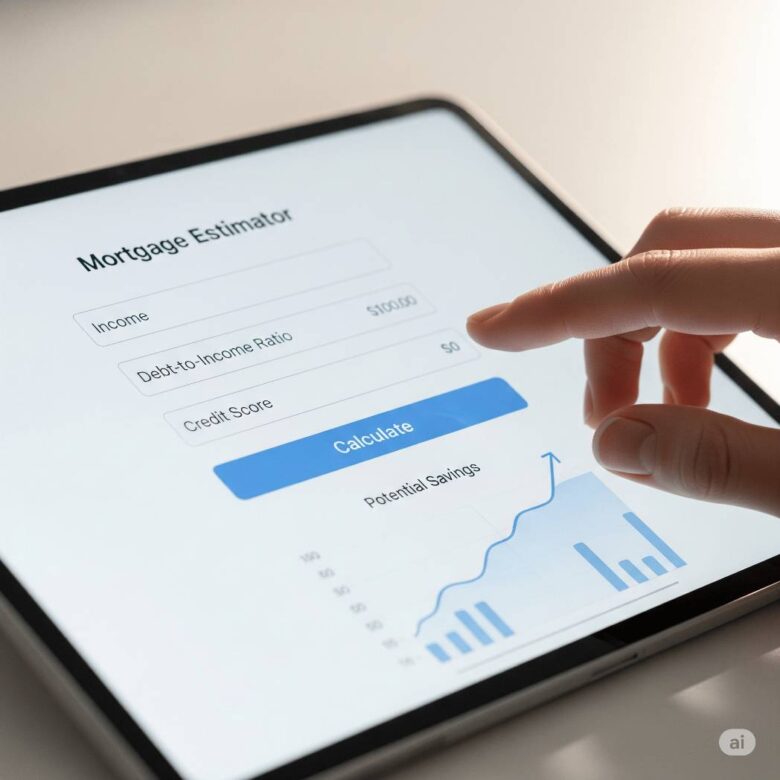
Before making any offers, it’s a good idea to use a mortgage estimator. These online tools calculate your monthly payments based on current rates, loan amount, property taxes, and insurance. This gives you a clearer picture of what you can afford and helps avoid financial surprises.

If you’re still in the early stages, consider getting a mortgage pre approval to strengthen your position as a buyer. Sellers are more likely to take your offer seriously if they know you’re financially ready. Tools like a home loan affordability calculator can also help you estimate how much house you can realistically purchase based on your income and expenses.

When budgeting, make sure to factor in Utah property taxes, mortgage insurance, and closing costs. A mortgage calculator will allow you to tweak inputs and test various down payment scenarios. These tools are especially helpful if you’re considering first-time homebuyer mortgage programs or VA loans that offer flexible terms.


Utah Mortgage Tips for Lowering Your Rate

Navigating the Utah mortgage market can be easier with a few insider strategies. First, consider the type of loan you’re applying for. A 15-year fixed mortgage generally has lower interest rates than a 30-year term and can save you money in the long run. However, your monthly payments will be higher.

One helpful strategy is to improve your credit score by paying off high-interest debts and limiting new credit inquiries before applying. You’ll also want to compare home mortgage loan options across local and national lenders to identify who provides the best deals. Some lenders may offer mortgage refinancing opportunities if you’re an existing homeowner looking to lower your rate.

For veterans or active military, VA home loan options provide zero down payment and competitive rates. If you’re not eligible for VA benefits, explore first-time homebuyer mortgage assistance programs that may include grants, reduced rates, or deferred payments.


Final Thoughts: How to Secure the Best Deal in 2025

Securing the best home loan mortgage rates in Utah involves more than simply watching interest rate trends. It requires being proactive, understanding your credit, knowing what you can afford, and comparing offers from different Utah mortgage lenders.

Using tools like a mortgage estimator, home loan affordability calculator, or a mortgage calculator will give you the clarity you need to move forward with confidence. Combine that with strong preparation, strategic timing, and a well-researched choice of loan, and you’ll be in an excellent position to save money and close on your dream home.

If you’re unsure where to start, reach out to local experts or financial advisors who specialize in Utah’s housing market. And remember, whether you’re buying your first home or refinancing, small decisions now can lead to big savings over time.

Free Mortgage Estimator: Plan Your Home Loan With Confidence

Mortgage Estimator Tool

Buying a home is one of the most important financial steps you’ll ever take, and the first thing you need is information. With the right tools—like a mortgage calculator free, mortgage estimator based on income, or mortgage estimator tool—you can confidently plan your next move in Utah’s competitive housing market. Whether you’re a first-time buyer, investor, or planning to refinance with bad credit, we’ve gathered everything you need to make smarter decisions. Use our free mortgage estimator to be up to date on Utah Home Loan tools and advice.

Mortgage Estimator Tools Every Buyer Should Use

Before you reach out to a lender, use a free mortgage estimator tool to estimate your monthly payments. Most calculators allow you to input your down payment, loan term, and interest rate. More advanced platforms like the mortgage estimator Zillow or a mortgage estimator based on income offer deeper insights based on your salary and debt ratio.

Want to go deeper? Try a how much mortgage can I afford calculator to know your exact buying power before you apply online.

Mortgage Estimator Free | Utah Home Loan Tools and Advice

First-Time Buyers: Mortgage Tips for Utah Residents

Shopping for a mortgage for first time buyers in Utah? You’re in luck. There are dozens of home loan assistance [state] programs that offer grants, lower down payments, or reduced closing costs. To find the best mortgage for new home buyers, look for fixed-rate terms, low fees, and flexible credit requirements.

Don’t forget to learn how to qualify for a mortgage first time buyer. Most programs require proof of income, job stability, and sometimes a credit score over 620.

Refinancing Your Home, Even with Bad Credit

Many Utah homeowners benefit from a refinance, whether to lower monthly payments or change loan terms. Start by comparing mortgage refinance rates and learning how to refinance my mortgage based on your goals. Even with poor credit, refinance with bad credit options exist.

The key is working with the best lenders for refinancing, especially local mortgage lender near me options or a mortgage broker in [city] who understands Utah’s market.

Understanding Home Equity Loan vs HELOC

Many Utah homeowners tap into their home’s value to cover renovations or major expenses. The most common options are a home equity loan vs heloc. A home equity loan with good credit is ideal for those who want fixed monthly payments. If you’re less creditworthy, a home equity loan with bad credit may still be possible, but rates will be higher.

Need more flexibility? A home equity loan vs line of credit comparison will help you understand whether you want a lump sum (loan) or revolving credit (HELOC).

Mortgage Estimator Free | Utah Home Loan Tools and Advice

Investment Properties and DSCR Loans

Looking beyond your primary residence? You’ll want to consider a mortgage for second home or a loan for real estate investment. If you’re investing in rental property, a dscr loan for investors may be the best option—it’s based on rental income, not your personal debt-to-income ratio.

Application Tips and Staying Informed

Apply anytime with a mortgage application online and speed up the process. Use a mortgage pre approval tool to strengthen your offer and avoid surprises during underwriting. Staying informed through mortgage news and regularly checking the best mortgage rates in [city] can save you thousands over the life of your loan.

Need help choosing the right partner? Ask local home loan providers for quotes or schedule time with a mortgage broker in [city].

Conclusion

Whether you’re applying for a mortgage for first time buyers, considering a home equity loan vs heloc, or looking for home loan assistance [state], you don’t have to do it alone. Use every tool at your disposal—from a mortgage estimator free to a mortgage application online—and compare options wisely.

Don’t forget: your financial future begins with knowledge. Bookmark this page, check back for mortgage news, and reach out to local home loan providers to get started today.

Utah Housing Loan: The Key to Affordable Homeownership in Utah

If you’re exploring homeownership in the Beehive State, a Utah housing loan might be your best path forward. Whether you’re a first time home buyer in Utah, a low-income family, a self-employed professional, or even a single parent, Utah offers a wide range of mortgage programs tailored to your needs. These programs—often backed by the Utah Housing Corporation—can help make buying a home more affordable with flexible credit requirements, down payment assistance, and low-interest financing options.

FHA Home Loan in Utah: A Flexible Option for New Buyers

The FHA home loan in Utah is one of the most popular loan options for new buyers, particularly those with moderate or low credit scores. FHA loans are backed by the federal government and offer a down payment as low as 3.5%. These loans also pair well with Utah housing loan programs, which may include grants or second mortgages to assist with upfront costs.

If you’re not sure whether an FHA loan is your best fit, consider using a home loan comparison in Utah to explore other choices. For many, the FHA option stands out thanks to its low barrier to entry and compatibility with Utah mortgage assistance offerings.

The Utah First Time Home Buyer Program: What You Should Know

The Utah first time home buyer program offers significant support for those purchasing their first home. Through the Utah Housing Corporation, eligible buyers can access programs like FirstHome, HomeAgain, Score, and NoMI—all designed to support individuals with limited income or credit history.

These programs often come with Utah housing first time buyer income limits, which are set based on household size and location. If you qualify, you may also be eligible for the first time home buyer tax credit in Utah, giving you additional savings after your purchase.

Don’t forget to check whether your home qualifies for a USDA home loan in Utah—an option for buyers in rural areas—or if you’re a veteran, a VA home loan in Utah might offer zero down and no mortgage insurance. Check out Tools to Beat Today’s Mortgage Rates

Utah Mortgage Preapproval Checklist: Preparing for Success

Before you apply for a mortgage, use a Utah mortgage preapproval checklist to get organized. Preapproval increases your credibility with sellers and gives you a clearer idea of your budget.

Here’s what you’ll likely need:

  • Two years of tax returns and W-2s
  • Recent pay stubs or income proof
  • Asset documentation and bank statements
  • Photo ID and Social Security number

For buyers in unique situations, such as applying for a mortgage for self employed in Utah, you’ll need to provide business income verification, including profit-and-loss statements and 1099 forms. Similarly, a mortgage for single parents in Utah may involve proof of child support or government assistance.

Collecting the documents needed for a mortgage application in Utah can feel overwhelming, but preparation makes the process smoother. Beyond financial records, lenders may also ask for rental history, gift letters (if applicable), and proof of homeowner’s insurance. These documents are crucial, especially when you’re applying for low income mortgage programs in Utah or using down payment assistance Utah funding.

Low Down Payment Mortgage Options in Utah

If saving for a down payment is holding you back, you’re not alone. Thankfully, low down payment mortgage Utah options can get you into a home with minimal upfront cost. These programs—often available through the Utah housing loan system—include grants or secondary loans that cover both the down payment and part of the closing costs.

Working with one of the best lenders for first time buyers in Utah ensures you receive guidance on these options and helps you navigate the eligibility criteria effectively.

How to Apply for a Home Loan in Utah

Understanding how to apply for a home loan in Utah is simpler when broken down step-by-step:

  1. Gather financial documents and get preapproved
  2. Choose a lender or mortgage broker in Salt Lake City
  3. Explore Utah housing loan programs
  4. Compare offers using a home loan comparison Utah tool
  5. Submit your full application and schedule a home inspection

The best mortgage companies in Utah will walk you through each of these steps and ensure you receive all applicable Utah mortgage assistance.

Refinance and Beyond: Getting the Best Rates in Utah

Already a homeowner? You may still benefit from the best refinance rates Utah. Refinancing your existing mortgage—especially if you originally used a Utah housing loan—can lower your monthly payments or reduce your interest rate. Be sure to ask your lender if you qualify for a streamlined refinance under FHA or VA guidelines.

Choosing the Right Lender or Mortgage Broker in Salt Lake City

Partnering with a mortgage broker in Salt Lake City can help you compare multiple loan options at once, especially if you’re not sure whether to go with a conventional, FHA, VA, or USDA home loan in Utah. Brokers often have access to exclusive rates and can assist with unique needs like self-employment income or single-parent households.

Utah Mortgage Rates Made Easy

What Are Mortgage Rates and Why Do They Matter?

Mortgage rates determine how much interest you will pay on a home loan. These rates fluctuate based on economic factors such as inflation, Federal Reserve policies, and local housing market conditions. Whether you’re a first-time homebuyer or a homeowner looking to refinance, understanding current mortgage rates in Utah can help you make informed financial decisions.

Current Mortgage Rate Trends in Utah

2025 Primary Mortgage Market Survey

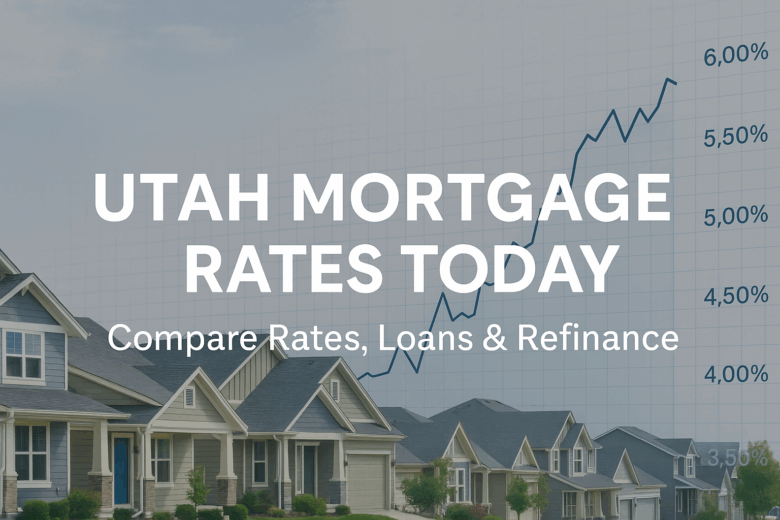
Mortgage rates in Utah are affected by market demand, lender competition, and national interest rate policies. As of February 6, 2025, interest rates have been fluctuating due to economic uncertainty and inflation concerns (as seen in the image to the left). For the latest national mortgage rate data, you can refer to Freddie Mac’s Primary Mortgage Market Survey. Homebuyers looking to lock in a mortgage should consider fixed-rate vs. adjustable-rate loans, depending on their long-term financial goals.

Types of Home Loans Available in Utah

Choosing the right mortgage is essential. In Utah, homebuyers can explore options such as:

Conventional Loans –

Best for buyers with strong credit and a solid down payment.

FHA Loans –

Ideal for first-time buyers with lower credit scores and smaller down payments.

VA Loans –

Designed for veterans and active-duty military members with benefits like no down payment.

Jumbo Loans –

Suitable for purchasing high-value homes beyond conventional loan limits.

Not sure which loan is right for you? Our First-Time Homebuyers Guide breaks down everything you need to know about qualifying for a mortgage and choosing the best loan option.

Should You Lock in Your Rate?

Given current volatility, many borrowers are asking: Should I lock in my mortgage rate now?

If rates are expected to rise, locking in a rate now could save money.

If rates may decrease, some lenders offer “float-down” options that allow you to secure a lower rate before closing.

Is Now the Right Time to Refinance?

Refinancing can help homeowners lower their monthly payments or switch to a better loan term. Utah homeowners should monitor interest rates and consider rate-and-term refinancing to reduce costs or cash-out refinancing for home improvement projects.

How to Get the Best Mortgage Rate in Utah

To secure the most competitive mortgage rate, consider:

Improving Your Credit Score –

A higher score qualifies for lower rates.

Comparing Lenders –

Rates and fees vary between banks and mortgage companies.

Locking in Rates at the Right Time –

Interest rates fluctuate, so timing matters.

15 and 30-Year Fixed Rate Mortgage APRs in Utah (2024)

Final Thoughts & Resources

Navigating mortgage rates and loan options can feel overwhelming, but understanding the basics can empower you to make the best financial decision. Check out our Mortgage Calculator to estimate your monthly payments, or visit this Loan Comparison Calculator to explore different mortgage options. For more expert insights, visit Bankrate’s Mortgage Resources for the latest industry updates.

Proudly powered by WordPress

VA Home Loans: A Veterans guide to home loan programs.

A home being held by a veteran who used a VA home loan

VA home loans are mortgage options that private lenders provide for veterans, active-duty service members, and surviving spouses who qualify. The VA home loan program aims to aid eligible applicants in purchasing, refinancing, or improving a home at the most accessible and affordable price. The Department of Veterans Affairs guarantees a portion of VA home loans, reducing risk for private lenders and enabling eligible applicants to receive the most favorable terms. The benefits of these loans include zero down payment, competitive interest rates, and the absence of private mortgage insurance.

Eligibility for VA Home Loans

A Veteran who is eligible for VA Home Loan and his spouse.

VA home loan requirements have applicants obtain a Certificate of Eligibility (COE). This verifies to lenders that applicants meet the necessary service requirements. These requirements vary based on the type and length of service. Specifically, veterans must have at least 90 days of active-duty service during wartime or a minimum of 181 days of continuous active-duty service during peacetime, provided they have not received a dishonorable discharge. Meanwhile, National Guard and Reserve members must complete at least six years of service in the National Guard or Reserves and receive either an honorable discharge or placement on the retired list. Also, active duty service members are eligible after completing 90 days of continuous active duty service. Surviving spouses married to a veteran who is missing in action or held as a prisoner of war are eligible. In addition to these VA home loan requirements, lenders may have additional requirements applicants must meet to before being approved.

What Type of Home Qualifies for a VA Loan

Borrowers can use VA loans to purchase various home types, including single-family homes, condominiums, mobile homes, and manufactured homes, as long as they meet the VA minimum property requirements (MPRs) and serve as the borrower’s primary residence. However, condominiums must be in a VA-approved complex, although borrowers can request approval for non-listed developments. Manufactured and modular homes must be permanently affixed to a foundation in adherence with HUD and VA home standards. Barndominiums, tiny homes, and other trendy properties may qualify for a VA loan if they meet the MPRs and other required standards. However, VA loans cannot be used to purchase vacant land unless it’s combined with a construction loan for an approved home. The primary criterion for any property is its safety, structural soundness, and move-in readiness, ensuring veterans have a stable place to call home.

A Visual example of home types accepted for VA home loans.

VA Refinancing Options

Veterans are provided two options when it comes to refinancing options through the VA loan program. First is the VA Interest Rate Reduction Refinance Loan (IRRRL) and second is the VA Cash-Out Refinance. The IRRRL also referred to as the VA Streamline is the most common refinancing option for veterans. This is a low-cost option, that in some cases doesn’t require credit underwriting, verification of income, or an appraisal. For veterans to be eligible for the VA IRRRL, they must currently have a VA loan, set a limit on the time it takes to regain costs and fees, and the new rate must be smaller than the previous one. The VA Cash-Out Refinance loan allows a veteran to exchange their current loan for a new one with different terms. Veterans also receive the option to take out cash on their home equity and can refinance up to 90 percent of their home value. The VA Cash-Out Refinance loan is open to veterans with or without a current VA loan, but they must qualify for a COE. This is a good refinancing option for veterans who do not currently have a VA mortgage.

A VA refinanced home loan getting the best rates.

VA Home Loan Types

Multiple home loan types are available to eligible applicants. There are two Direct Home loan options, the first is a VA Direct home loan where the U.S. Department of Veteran Affairs serves as the mortgage lender by working directly with veterans to help them apply for and manage the home loan. The second Direct type is the Native American Direct Loan (NADL). The NADL applies to veterans or their spouses who are Native Americans. This loan helps them buy, build, and improve a home on federal trust land. Purchase Loans or VA-backed home loans are the third type. The VA-backed home loan is a great option in which the VA guarantees a portion of the loan you receive from private lenders. In the case of a foreclosure on the house, your guarantee allows recovery of some or all losses. Another favorable term is that nearly all VA-backed home loans have zero down payment. To qualify, applicants must meet a certain credit score standard and get the home appraised.

Summary

Veteran saluting the country with the American flag.

VA home loans provide a valuable pathway for veterans, active-duty service members, and qualifying spouses to achieve homeownership. With benefits like zero down payment, competitive/low interest rates, and no PMI it is the most favorable mortgage type. Understanding eligibility requirements, property qualifications, loan types, and VA refinancing options helps applicants make informed decisions about their mortgage choices. No matter whether refinancing, purchasing, or building, the VA loan program can make buying a home realistic for every veteran. To find more information on VA home loans, visit the U.S. Department of Veterans Affairs VA home page at, https://www.va.gov/housing-assistance/home-loans/.

Everything You Need to Know About Mortgage Rates in Utah: A Homebuyer’s Guide

Understanding Mortgage Rates in Utah

What Are Mortgage Rates and Why Do They Matter?

Mortgage Rate Utah

Mortgage rates are the interest charged on home loans. They significantly affect the total cost of homeownership. These rates frequently fluctuate based on inflation, the Federal Reserve’s policies, and market demand. In Utah, mortgage rates depend on credit scores, loan types, and lender policies. Therefore, understanding these factors helps homebuyers make informed financial decisions when refinancing or purchasing a home.

Current Mortgage Trends in Utah

Recently, Utah’s real estate market has seen rising interest rates, which have affected housing affordability. As a result, homebuyers should actively track mortgage rates and compare adjustable vs. fixed-rate options. Since federal and local factors influence Utah’s home-buying rates, staying informed allows buyers to choose the best loan for their situation.

Utah's rising rates impact affordability.

How Interest Rates in Utah Are Determined

Market conditions, housing supply, and demand primarily determine Utah’s interest rates. Although buyers cannot control these factors, they can improve their credit scores to secure lower rates. Since low credit scores lead to higher interest rates, improving creditworthiness is crucial. Furthermore, comparing mortgage providers is essential, as different lenders offer varying rates. Additionally, researching fees and prepayment penalties before choosing a mortgage can help avoid unexpected costs.

Locking in an interest rate can prevent fluctuations, offering financial stability. To learn more, the Utah Department of Financial Institutions provides mortgage tips and information on rate locks. Visit their site here: https://dfi.utah.gov/general-information/consumer-tips/mortgage-loan-tips/.

Fixed vs. Adjustable-Rate Mortgages: Which One Is Best?

Utah fixed-rate mortgages (FRMs) and adjustable-rate mortgages (ARMs)

When applying for a home loan in Utah, the two most typically chosen options for mortgage rates are fixed-rate mortgages and adjustable-rate mortgages.

Fixed-Rate Mortgages (FRM)

These loans have a stable interest rate throughout the term. As a result, they offer predictable monthly payments, making them ideal for long-term loans (10+ years). However, they typically start with higher rates than ARMs. Moreover, if market rates drop, borrowers cannot adjust their original rate.

Adjustable-Rate Mortgages (ARM)

These loans start with a lower interest rate but adjust based on market conditions. Consequently, they work well for short-term loans or those planning to refinance or sell soon. However, rates can rise over time, leading to unpredictable payments. Therefore, ARMs are riskier for long-term borrowers.

Should You Refinance Your Mortgage?

Refinancing replaces an existing mortgage with a new one. Many homeowners refinance to lower rates, reduce monthly payments, or access home equity. Even a slight rate drop can lead to significant savings. Additionally, refinancing can shorten loan terms or switch an ARM to an FRM for stability.

Furthermore, cash-out refinancing provides funds for renovations or investments. However, since refinancing comes with fees, homeowners must carefully weigh the costs against the benefits before proceeding. The U.S. Department of Housing Development gives advice on when to refinance.

Refinancing lowers costs, modifies loans.

Making Smart Mortgage Decisions in Utah

If you’re a homeowner considering refinance rates in Utah or a first-time homebuyer navigating the mortgage process, it’s important to understand mortgage rates in Utah. Comparing fixed vs. adjustable-rate mortgages, observing current interest rates, and using tools like mortgage calculators can help secure the best possible loan. Advising with local lenders and researching Utah home loan options can offer insights aligned with your financial goals. For more detailed guidance, check out our first-time homebuyer resources and refinancing insights to take the next step toward homeownership.

First-Time Home Buying 101: Understanding Mortgages, Refinancing, and Interest Rates

An illustration of a real estate agent transfers keys to the owners of a beautiful home in the suburbs. It is an illustration of a new home for the family with a sold sign pointed towards the home.

 What’s a mortgage, and why do we need them?

When choosing a mortgage, the most common types of loans are 15 and 30-year loans. It is important for future homeowners to understand the distinction between both loans so that they know what type of loan best suits their needs. The right decision differs from person to person; and is based on their income, financing, and long-term housing plans. Generally, a 15-year loan comes with a lower interest rate, which allows you to pay your home off faster.

However, that means that there will be higher monthly payments. Someone who would benefit from this is a person who has a job that provides them with a high, stable income because they can not only pay off their house faster but also save on interest. For individuals who would like more flexibility, and might not have the finances to pay off such a high monthly payment, they’d benefit from a 30-year loan. For example, a student homeowner would benefit from this loan because they likely have less income, and this not only makes their month-to-month payments more affordable but also gives them more freedom and flexibility to spend their income on other expenses such as tuition.

Illustration of a house, on the left side is a stack of goal coins and on the right is a bar graph with an arrow that has the percentage symbol on it pointed up signifying that interest rates are going up.

Different types of Mortgages

There are many ways to go about financing a home and there are different loan types to choose from based on your needs. A few examples of common ones are HELOC loans/HELOC as a line of credit, VA Loans, and Adjustable Rate Mortgages to name a few. A HELOC loan (Home Equity Line of Credit) is a line of revolving credit where homeowners borrow money, using the the equity in their home, similar to a credit card, with a variable interest rate. HELOC has a variety of benefits. The loan can be taken out for periods of 5-15 years, only makes you pay for what you used, and can be used for everything from home improvement to funding your child’s college education, or even a vacation if you choose. Though, as with any loan, it must be paid back within the same number of years that it was used. 

An Adjustable-Rate Mortgage (ARM) is a home loan with an interest rate that changes in response to market conditions, matching the current market rates. These often start with a lower fixed rate – compared to a fixed loan – for a set period before adjusting at regular intervals; commonly being annual, or semi-annual (every 6 months). Adjustable-rate mortgages are also a great option for homeowners looking to sell or refinance their home soon.  A VA Home Loan is a mortgage program backed by the U.S. Department of Veterans Affairs, aimed at helping military service members, veterans, and their families purchase homes with benefits like no down payment and competitive interest rates. Another great feature is that these loans offer lower credit standards for approval, making this another great option for first-time home buyers who would have difficulty securing financing through typical channels.

Refinancing Mortgage

In the state of Utah refinance mortgage rates as of February 5, 2025 range from 5.490% to 6.69% depending on the type of loan and the length of the term. Refinancing your home loan can be a powerful financial move, but it’s important to understand the process and consider if it aligns with your financial goals long term. For homeowners in Utah, refinancing has several benefits to offer, but it also comes with some considerations to weigh into your decision. One of the more popular advantages of refinancing is to secure a lower interest rate, which over the life of the loan could save thousands. Refinancing may also lower monthly mortgage payments, either by reducing the interest rate or by extending the term of the loan.

Additionally, if you’ve built up equity in your home, a cash-out refinance or a home equity loan are two viable options to access that equity. A cash-out refinance allows you to pay off your old mortgage in exchange for a new one, ideally, it would be at a lower interest rate. A home equity loan exchanges the equity you’ve built up in your home with cash. The home equity loan is a separate loan that has its own set of requirements and interest rates. While refinancing has some great advantages it does have its drawbacks. Refinancing may extend your loan term, potentially resulting in paying more in interest throughout the life of the loan. A cash-out loan holds its own risks of over-borrowing, increasing your financial risk.

Illustration of a house. On the right side is a clock, percentage symbol, and key. On the left side is a man and woman standing next to a large calculator, gold coins, a pie graph, and bar graph. This image illustrates the multiple considerations that need to be made when refinancing a home.

Interest Rates

As of 2025, 30-year fixed mortgages (6.49%) in Utah have a higher rate than 15-year fixed mortgages (5.625%) because lenders take more risk by lending money for a longer period. The 5-year ARM (6.93%) and 5/1 ARM (6.75%) tend to have a lower rate but may increase over time due to market fluctuations. The conventional fixed mortgage (5.500%) has a lower rate than the Federal Housing Administration (FHA) fixed mortgage (5.875%) because FHA loans are designed for borrowers who either have lower credit scores or smaller down payments. In essence, mortgage rates vary due to several factors including loan length, risk factors, and market conditions.

Mortgages Summary

We hope that after reading this blog post you feel more confident about navigating finding the mortgage that’s right for you. Whether you’re deciding between a 15-year or 30-year loan, choosing to refinance your home in the future, or are a veteran who takes advantage of the highly cost-effective VA loan, feel free to return to this guide or any other sources we have on our site

Illustration of a happy family with three young kids and a dog standing outside their new home.


30-year vs. 15-year Mortgage Loans

What is a Loan?

When looking to buy a home, one can either pay upfront or use a home loan called a mortgage. A mortgage allows home buyers to buy a house when they don’t have enough money to pay for it outright. The loan comes with terms pre-determined by both parties, the lender and the buyer. These terms include everything that is included, including the total sum, the interest rate (extra money one has to pay for borrowing the money), and the rate to which it has to be paid back (usually 15, 20, or 30 years).

Which Term Length is Right for Me?

15-year and 30-year mortgages.  The main differentiator between these two rates is the time it takes to repay the loan. For 15-year mortgages, the buyer has a repayment period of 15 years, meaning that borrowers must make monthly payments for 15 years until the loan is fully paid off. In turn, with 30-year mortgages, the buyer has a repayment period of 30 years. When it comes to making these monthly payments, 15-year mortgages are typically more expensive than that of a 30-year mortgage. Since the term is shorter, borrowers have to pay off the principal (each payment) and the applied interest in a shorter amount of time. This results in larger monthly payments. Buyers can count on 30-year mortgages to be lower, as they are stretched over a longer period. This can make homeownership more affordable on a month-to-month basis.

Interest rates, or the amount a borrower is charged for the money, are typically lower on a 15-year mortgage, than on that of a 30-year mortgage. When choosing between a 15-year and 30-year mortgage, the buyer has to consider their financial flexibility. As a buyer can expect a 15-year mortgage to be more expensive, they can also expect to own their home outright sooner. With 30-year mortgages, lower monthly payments can provide the buyer with more financial flexibility. On the other hand, it takes longer for the buyer to own their home outright. This being said, when it comes to choosing a mortgage rate, consider the long-term financial plans, and whether or not to pay off the home sooner, at a higher rate, or delayed and at a more manageable monthly payment. To estimate the monthly mortgage, see our Mortgage Calculator to break down the payments.

Interest Rates

There are two main types of interest rates. The first one is a fixed interest rate. That means from the moment that the loan is taken out, the rate will be constant. If it starts with 6.8% interest on the loan, that is what will be paid until the loan period ends. The second is an adjustable-rate mortgage. These have the ability to change after a certain amount of years. An example would be the 7/1 loan. This loan has a fixed interest rate for the first seven years and will vary each year after that until your loan pay period is up. There are several that have that same format.

Most mortgage companies have 3 main factors they look at when deciding what your interest rate will be. The first is based on how much money you would be able to put toward a downpayment. They usually require 0%-20%. If you place more, It can lower your interest rate. The second is your credit score. Many require a minimum credit score. The further away you are, the higher the chance of getting a better rate. Lastly, your debt-to-income ratio. This is how much you pay in debts each month compared to how much you make. You have to have at least have 50% higher income vs. your debts to get a better rate.

How to pay off a 30-year Mortgage in 15 years.

So, what if you can’t pay the higher monthly payment associated with a 15-year mortgage but don’t want to be caught with hundreds of thousands in interest? Or maybe your credit score was too low or your debt-to-income ratio was too high to qualify for a 15-year mortgage. Not to fear! This is where refinancing comes in. Let’s say you’ve been paying off your 30-year mortgage for four years and have reached a new height of financial stability or get married and can now afford a higher monthly mortgage payment. At this point, you could opt to restructure your loan to a 15-year mortgage and pay it off in just under 20 years.


Alternatively, you can pay extra installments of monthly payments straight to your principal in order to pay off your 30-year mortgage at an earlier rate. In order to do this you must make sure your mortgage agreement doesn’t have a prepayment penalty, which is written into your agreement. If this is the case, you can make one extra payment a year for a total of 13 payments and pay off your mortgage around four years earlier than expected. This compounds, that if you make two extra payments a year you can pay off your mortgage for around seven to ten years. Altogether there are many strategies to customize your mortgage to make it fit your life and lifestyle at any given time.

Pros and Cons of 15-year mortgages and 30-year mortgages.

How do you know what mortgage is right for you? There are benefits and disadvantages to both types of mortgages. Let’s look at the pros and cons of 15-year mortgages and 30-year mortgages.

Pros and Cons of 15-year mortgages

Starting with 15-year mortgages there is one major pro, you have the chance to save thousands of dollars. Lenders will typically charge a low interest rate for 15-year mortgages so over time you will save on interest. You also have the ability to own your home in 15 years, and you can build home equity faster. When you pay off the balance of your loan faster, you build equity faster.

The cons to be aware of with 15-year mortgages are that your monthly payment will be higher. You will want to be prepared before you commit to a high payment as it may put a strain on your budget. 15-year mortgages may be harder to qualify for because your lender will want to ensure that your income can accommodate the larger interest payments. It may be helpful to look at our mortgage calculator to see what kind of monthly payment you can afford. 

Pros and Cons of 30-year mortgages

The 30-year mortgage is the most popular loan to get. The pros of the 30-year mortgage rate is that it will have lower monthly payments. A lower monthly mortgage rate can allow for savings in other areas such as investing. There is flexibility in a 30-year mortgage rate. You can pay off the loan faster by adding to your monthly payment or by making extra payments. Other pros include more house for your mortgage, so this means you may qualify for a larger home. It is also easier to qualify for a 30-year mortgage.

The downsides to a 30-year mortgage rate are as follows. There are higher interest rates on a 30-year mortgage due to the mortgage lender’s risk of not getting paid back is stretched over a longer period of time, this also means that you will pay more interest over the lifetime of the loan. Finally, it takes longer to build equity in your home. Whichever way you want to pay, we are here to help you through the process of buying a home.

Summary

So, you’d like to buy a home without paying the full price upfront. The most common way to do so is with a 15-year mortgage or a 30-year mortgage. 15-year mortgages are typically more expensive month-to-month, but allow the buyer to own their home sooner. In turn, 30-year mortgages are a more manageable monthly payment but result in more interest over time and a longer pay period.

When it comes to mortgages, the buyer must consider their interest rate, whether fixed or adjustable. The lender will reference the buyer’s down payment, credit score, and debt-to-income ratio to finalize their rate. Whether the mortgage has a 15 or 30-year payment, the interest rates and terms will affect their monthly payments and overall costs.

When looking into which mortgage rate is best for the buyer, weighing the pros and cons will help develop an answer. For 15-year mortgages, the positives include potential savings on interest, faster home ownership, and quicker equity building. However, the complications come with higher monthly payments and stricter qualification criteria. In turn, 30-year mortgages will offer lower monthly payments, flexibility, and easier qualification. They also come with higher interest costs and slower home equity building.

All in all, there is no one-size-fits-all for mortgage rates. The buyer should weigh their options to find what is best for them. For questions, or a full walk-through of the mortgage process, reference our Support tab on our website.

Financial advisor showing report to young couple. Happy couple consulting financial agent for refinance mortgage loan rates

Refinancing Your Home

What is Refinancing?

Mortgage refinancing is a financial strategy that allows homeowners to replace their existing mortgage with a new, more favorable loan. Many homeowners choose this route to save themselves money in the long-run. Refinancing can result in homeowners obtaining more favorable terms, reducing monthly payments, obtaining lower interest-rates, and achieving other financial goals related to their home. Homeowners typically consider refinancing when interest rates fall and economic conditions prove better than they were at the time of the last mortgage closing. To understand current mortgage rates in Utah better visit the Utah Mortgage Rate Calculator page. Other reasons for refinancing may be due to positive changes in credit profiles, to change the duration of the loan, or to switch to a different type of loan.

Refinancing Your Mortgage

The decision to refinance a mortgage is driven by various factors. These include the desire to secure a lower interest rate, reduce monthly payments, or access the equity built in the home. Reasons to refinance can also encompass debt consolidation, adjusting the loan term, or switching from an adjustable-rate mortgage to a fixed-rate one for stability. Whether motivated by financial savings, improved loan terms, or changing financial circumstances, mortgage and refinance options offer homeowners valuable opportunities to enhance their financial well-being. To better understand the best direction is for you, visit our 30 year vs 15 year Mortgage Loans page.

Financial advisor showing report to young couple. Happy couple consulting financial agent for refinance mortgage loan rates

How to Refinance? The Refinancing Process 

Here are the 5 steps to follow in your process of refinancing your home:

  1. Preparing and Applying to Refinance
    1. When applying to refinance you will need the same paperwork you provided when you originally mortgage your home: pay stubs, W-2s, bank statements, tax returns. You will also need your spouse’s documents if you are married and in a community property state.
  2. Choosing your Refinance Interest Rate Type
    1. After you get approved, you have two options for your interest rate: lock it in or float your rate. When you lock your interest rate you are guaranteed to have the same interest rate no matter if the rates rise after you lock. However this also means that the mortgage rates lower you are stuck at that higher initial rate. The best way to make this decision is to watch the markets and look at future predictions. If you go with a floating interest rate your rate will depend on the market conditions and have the possibility of going up or down.
  3. Getting Approved
    1. Behind the application process, a lender will evaluate your credit history, look at your debt-to-income ratio, verify your down payment and savings. They can also order an appraisal heading into the next step. 
  4. Getting a Home Appraisal
    1. Your lender will order an appraisal on your home. All you will have to do is make sure that your house looks amazing for the appraisal.
  5. Closing Your New Home Loan
    1. Once you have completed all the previous steps, it is time to close on your loan. During this stage, you will go over your details and sign them to make them official. There is usually a 3-day grace period for you to change your mind if something comes up.

For more details about the Refinancing process check out Rocket Mortgages Refinancing Steps.

Reasons to Refinance

Refinancing can be a smart financial move for various reasons including:

  • Getting a Lower Interest Rates: One of the primary reasons homeowners refinance is to secure a lower interest rate for their existing loan. By doing so, they can decrease their monthly mortgage payments and potentially save thousands of dollars over the life of the loan.
  • Reducing Monthly Payments: Refinancing can extend the time you have to pay your loan, resulting in lower monthly payments. This can free up cash for other expenses or investments monthly
  • Accessing Home Equity: Homeowners with substantial home equity can tap into it through a cash-out refinance. This allows you to borrow against your home’s value and use the funds for major expenses like home improvements, debt consolidation, or education. Learn more about it down below.
  • Changing Loan Types: Some homeowners opt to change their loan type, such as moving from an adjustable-rate mortgage (ARM) to a fixed-rate mortgage. This is to secure stability and predictability in their monthly payments.
Woman hugging man from behind. The couple is relaxing in their kitchen, browsing internet on laptop about mortgage rates and finances

Cash-Out Refinance

A cash-out refinance is a type of mortgage refinance where the homeowner uses the equity of the home and exchanges a larger mortgage rate for cash. The existing loan amount is increased allowing for the difference to be received in cash by the hom eowner. Both refinancing and cash-out refinancing involve replacing the existing mortgage with a new one but the purposes differ for each. Cash-outs are commonly used for financial investments, home renovations, paying off student loans, debt consolidation, or unexpected expenses. A positive outcome of a cash-out is it uses built up equity and provides cash for one to use. A negative outcome of a cash-out is it increases the total loan balance and mortgage payments. To learn more about cash-out refinancing and if it is right for you, visit our Cash Out Refinance page.

Understanding Refinance Rates

Refinance rates are important in the decision-making process when considering refinancing your home. Refinancing rates can impact your monthly interest rates and the total expense of the loan. The factors that determine refinancing rate are current market conditions, credit score, loan to value ratio, debt to income ratio, and more. If current rates are lower than your original home loan rate, refinancing could save you money in the long term. Online calculators and tools can be used to compare rates that suit your specific needs. Our Mortgage Rate Calculator can help in your decision-making process

Calculating Costs to Refinance

Let’s talk about the costs to refinance a home loan. When you decide to refinance your mortgage loan, it’s like giving your mortgage a facelift. But, much like a makeover, it comes with a price tag. This includes various fees such as application fees, appraisal fees (to determine your home’s value), and potentially some closing costs (like attorney fees and title insurance). It’s crucial to consider that while refinancing your home mortgage. It has the potential to save you money in the long run but you’ll need to take these upfront costs into account. Before you begin the refinancing process, it’s important to do some calculations to ensure that the savings outweigh the costs. Using a reliable tool and researching can provide you with a clearer picture of whether refinancing is the right decision for you. 

Refinancing in Summary

In short, refinancing is a process that replaces an existing mortgage on a property with a newer mortgage, that typically benefits the owner of the mortgage. When you obtain a new mortgage, you often lower your interest rate or change your loan terms. Many also choose to cash-out refinance to tap into their home equity.

For more information on how refinancing works and types of refinancing visit the Investopedia Refinancing page.