How to Start the Process of Selling Your Home

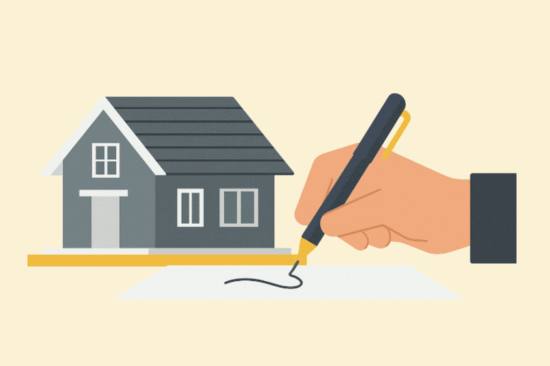
Before you begin to sell your home, it’s important to understand that there are a number of factors you can control to make the home-selling process easier. There are many factors to consider when you are thinking about selling your home. The housing market has undergone some major shifts in the last year so it’s important to consider your options and use the tips we have listed below to aid you in your home-selling process. We go over setting a timeline, home inspections, advising with an agent, and finally listing your home.

Set A Timeline For Selling Your Home

Before beginning the process of selling your home, you need to consider when you want it to be sold and how long it may typically take. There are a variety of websites that offer advice on the best times to sell your home but oftentimes it can be contradictory. Real estate market agencies and companies such as Zillow, Utah Real Estate, and UpNest, offer advice based on the analysis of the home sales around Utah.

Realtor.com offers a home-selling timeline taking 10 steps:

1. Make renovations/repairs

2. Find a listing agent

3. Figure out how much your house is worth

4. Declutter/stage your space

5. Put together your listing with a description, photos, and video

6. Hold home showings/ open houses

7. Wait for an offer (or offers) to roll in and negotiate the best deal

8. Accept an offer, and wait for the home inspection/appraisal

9. Close the deal

10. Move out

While this may not be an exhaustive list- it gives opportunity to consider the factors that play a role in selling your home.

Home Inspections

When it comes to getting your home ready to sell/list on the market there are a few things you want to make sure you have done first, as this is a key part in winner over your buyers.

  1. Start with getting a deep clean of your house.
  2. Get an inspector to check the electrical, plumbing, and physical integrity of the home.
  3. Consider contracting for repairs and replacements that may need to be done by professionals after inspection.
  4. Get an handyman to to check all the locks, squeaky doors, running toilets, and other small fixes that can turn a buyer off.
  5. Repaint the walls if necessary, make sure the home is looking new and nice so buyers are attracted to it.
  6. Stage your home with furniture looking nice, nothing lying around and outside landscaped, bushes, grass, trees, etc…
  7. Finally, get a good photographer to take nice professional pictures of the home to make buyers want to come out and schedule a viewing

This is the make or break for selling a home. No one want’s to buy a home that looks like it has not been taken care of properly. First impressions are everything and you want your buyer to have love at first sight when viewing your home.

Advising with an Agent

Many people either choose the route of selling on their own or going through an agent. Before getting ready to list your home on the market, consider advising with an agent to make all the preparations and gather all the details you need. Advising with an agent and having them assist in the home selling process can position your home on the market for the best possible sale.

It’s important to research agents’ profiles and consider their time in the industry, sales, and how they are marketing their listings-note the quality of their photo listings and where they post their listings is an important factor to consider as well.

Advising with an agent who understands the current market is a key factor in having a smooth and successful sale.

Listing Your Home

When it comes to listing your home on the market one of the best practices is to take professional photos and clean the home to make it appealing. You might want to have the home without furniture (staging the home), or you might want to give the home buyers a picture of what the home looks like with everything in it. Either way, you want the home to be appealing to potential home buyers.

Another great thing that helps when listing your home for sale is to focus on an online appeal. Experts say that nearly all homebuyers look at online listings; meaning that your home’s first showing is online (Bankrate, 2023). So, taking good photos, adding a detailed description, and adding an open/time-slotted showing can help you sell your home quickly.

Summary

Selling your home can be a hassle, but doing all the topics mentioned above can help one sell their home in no time. We have covered most of what it takes to sell a home in order, starting with planning a timeline for the whole process of selling your home. We have also gone over what it takes to make the home look appealing. Whether that is renovating it, decorating it, staging it, or taking professional photos so that it catches one’s attention. However, if you are a first-time home buyer, selling a home is much different than buying a home. If you are interested in buying a home, check out our site on how to buy a home.

Why You Need a Money Market Account

symbolizing Utah home interest rates and mortgage financing. The image illustrates the process of using current mortgage rates in Utah to secure a home loan

A money market account (MMA) is an interest-bearing savings account that enables banks to pay customers on a yearly interest rate in exchange for account owners to store money in their bank. Money Market Accounts allow customers to deposit money and earn interest similar to a savings account while simultaneously reaping the benefits of a checking account. These benefits include debit cards, the ability to write checks, and ATM withdrawals. MMAs are unique from other interest-bearing accounts because these accounts pay a tiered variable interest rate (different rates) determined by how much money an account holder has in the account. These rates will vary depending on the current interest rate within the money markets. The interest rate offered is usually more than a typical savings account but can fluctuate depending on market conditions.

First-time home buying? Refinancing? Wanting painless mortgage payments? This article is for YOU!

Why Create a Money Market Account?

There are a variety of options that provide similar solutions to money market accounts. Savings accounts, certificates of deposit (CDs), and mutual funds are all available alternatives to MMAs. So, what’s the difference between these, and why go with an MMA over the others? Money market accounts are similar to savings accounts, but they offer more flexibility with varying ways to use and move funds. Savings accounts also typically offer lower interest rates. Similar to MMAs, certificates of deposit offer competitive interest rates. The primary difference is that MMAs make it easier and faster to access your funds, and CDs often have penalties for early withdrawal. Finally, the main distinction between MMAs and mutual funds is that mutual funds are not insured like MMAs, which we will discuss more in-depth later.

MMA Benefits (Refinancing, Down Payments, and Mortgages)

Who doesn’t want to save money? Money market accounts provide a very safe method of storing finances while simultaneously earning interest. Many banks and credit unions offer these accounts along with interest rates as high as 5%, and they often place characteristics of both savings and checking accounts. We know how hard it is to save up for an initial down payment on a home, and money market accounts help take some of that unwanted stress off your hands. To explore more of the pros and cons of putting your funds in a money market account, look at this educational article by Forbes.

To remind people that saving money can be easy.

Is a Money Market Account Right For You?

To know whether a money market account is right for you, reach out to one of our experts here. One of the main must-know advantages of a money market account is being able to use checks or a debit card linked to the account WHILE you earn interest. Another great thing to know is that $250,000 is insured for each individual owning an account, and up to a maximum of $500,000 is federally insured for joint accounts.

Best Market Conditions to Open an MMA

Whether you’re preparing to save money for a down payment, to refinance your home, or to pay a monthly mortgage, MMAs have minimal downsides. The require down payments slightly more than your average savings account, typically around $1,000. To do additional research, you can read this article that gives an overview on regulations regarding transfers and withdrawals. Right now in today’s market, some of the best MMAs include UFB Direct, Vio Bank, and CFG Community Bank. Take a look at some of the other top MMAs and what they have to offer to get a better understanding of current market conditions and which specific MMA is the best for you. At the end of the day, money market accounts are worth considering, especially when preparing to make mortgage payments, take out a home loan, refinance your home, or even increase your home equity.

Say Yes to an MMA Because There Are No Reasons to Say No

Deciding whether or not a money market account is a good fit for you is based on what it is you are looking to get out of an interest-bearing account as well as what things you will be using it for, such as mortgage payments, saving up for a down payment, and maybe even preparing to take out a home loan. To figure out what account type is right for you, there are many different articles, such as an article called “What is an Interest Baring Account,” which has a lot of great information, as well as our site, which provides more information on what a money market account would mean to you. 

Real Estate Investing: Wealth through Home Ownership

Become a millionaire real estate investor by simply purchasing homes.

Have you considered the benefits of becoming a landlord as rent prices and real estate prices around the world continue to increase? To illustrate, interest rates are a negligible detail when a renter is paying the entirety of your mortgage. Wouldn’t you agree?

Most importantly, it’s worth noting that a significant number of millionaires in the United States have created their wealth by simply purchasing homes. Don’t believe us at Utah Mortgage Rate? CNBC’s claims, “Real estate is still the best investment you can make today, millionaires say—here’s why.”

Investing in real estate has a reputation that discourages Americans.

Yet, the most tried and true path to building generational wealth involves owning multiple homes and having tenants cover your mortgage expenses. However, traditional investment properties, secondary mortgages, and rental loans often demand a 20% down payment and savings.

Furthermore, these requirements create a substantial barrier for aspiring investors and families. Not to mention these mortgages designed specifically for rentals often carry unattractive interest rates that prevent the ability to qualify further.

Housing is the only necessity disguised as an investment vehicle.

21,951,000 people in the U.S. have a net worth of $1 million or more. 40% of an average millionaire’s assets consist of real estate. 

federal reserve
Diverse individuals racing towards homeownership, symbolizing the competitive nature of homeownership, and securing mortgage lending in today's real estate market.

The key to this strategy is occupancy.

For this reason, at Utah Mortgage Rate we provide a unique pathway to help you become a millionaire real estate investor. Especially, for our clientele with limited cash assets. To begin, the strategy to growing an abundant real estate portfolio is through primary mortgages.

Owning a real estate portfolio worth millions is achievable through primary mortgages.

In this scenario, when you apply for your initial home loan, your intention is to live in the property. If you’re a First Time Home Buyer you have a lower minimum requirement of 3% or 3.5% for a down payment. After your initial purchase, each subsequent home only requires a minimum down payment of 5%. Also, if you’re a veteran or in a rural area the required down payment amounts could be even less. More information regarding VA Loans for our brave service members can be found right here at Mortgage Rate Utah.

Image the equity gains you’ll acquire over time if you own multiple mortgages.

To clarify, this strategic approach regarding occupancy allows you to accumulate home loans that require minimal cash down payments. You can transition your first property into a rental property when you’re ready to occupy a new home. It’s crucial to buy your next property with the intent to live in it initially. Primary mortgages are only originated for owner-occupied properties.

In other words, this strategy secures better mortgage terms and gives investors the opportunity to accumulate properties without large down payments. Eventually, after that one year has passed you can apply again for another primary mortgage with a Mortgage Broker.

As a result, your first home becomes an income-generating asset, generating generational wealth and appreciating over time. More importantly, the mortgage terms remain unchanged throughout this process.

Don’t wait to buy real estate. Buy real estate and wait.

Purchase. Occupy. Rent. Repeat.

The average American can realistically repeat this process multiple times creating an accumulating portfolio of properties. This can potentially lead to substantial equity gains. For guidance on the number of homes you can own, you can consult Fannie Mae’s guidelines on their website.

Envision the hundreds and thousands of dollars in equity accumulation. In fact, explore your next down payment options today through our HELOC blog post.

Secure your future and begin building generational wealth with Utah Mortgage Rate and our strategies.

Have you considered your future average net worth? Ultimately, your journey to wealth creation can begin today. Accelerate your net worth with assistance from our local real estate agents. To learn more about what preparation is required to purchase a home we have helpful information for your learning journey.

However, imagine sitting down with an expert Mortgage Broker and a Local Utah Realtor today. Above all, we can discuss the beginning of many investments in real estate with a no obligation consultation.

Beginner’s Guide to Banking

Banking For Beginners - A Basic Guide

Entry-level Banking Guide

Welcome to a beginner’s guide to banking. If you are looking to get a better understanding of basic banking for beginners, or just starting out on your financial journey, you are in the right place. Banking is the foundation of personal finance, and it is important to understand it with confidence. This page provides you with a basic understanding of four crucial pieces to a healthy personal financial plan. Once you are familiar, we recommend that you navigate to other pages on this website for deeper insights.

Checking and Savings Accounts

            The first step of the beginner’s guide to banking is opening checking and savings accounts. A checking account stores the majority of your spending money. This account is used for day to day purchases and a great start for banking with 16 year olds. You can access the money in this account by making cash withdrawals at a branch or using a debit card. You can fund this account with cash or check deposits. Once you are comfortable with the amount in your checking account, you can start a savings account. It is recommended that every adult has a savings account that can cover you for 3-6 months with no income. Savings accounts are a place to store money for a rainy day. They are not as easily accessible as a checking account. However, you can make transfers from your savings account to your checking account if needed. Savings accounts typically pay interest. Hence, the balance in your account will increase by a specific percentage each month, even if you do not make any additional deposits. To find what are good banks to open an account with, you can check different interest rates on websites such as Nerdwallet. There are also different types of savings such as money market accounts and CD’s. (insert internal links to money market page and CD page)

Credit Score

            Your credit score is essentially a ranking given to you by a reporting from places such as Transunion or Experian. A good credit score allows you to take out loans with better interest rates and apply for credit cards with better benefits. Eligibility for a credit card begins at 18. Therefore, many parents help their children open this account when they start banking for seniors. In order to have a good credit score you must have a credit history. You collect this by obtaining a credit card, using it, and paying it off on time. Credit cards allow you to borrow a set amount of money each month. It is important to pay it off before the end of the month so that there is no interest. However, the longer each month you wait to pay it, interest will accrue meaning that the balance will grow. To have good credit you also must make good on your loan payments.

Credit Score Ranges

  • 800 to 850: Excellent – Borrowers within this range are deemed low-risk. This makes it easier for them to secure loans compared to those with lower scores.
  • 740 to 799: Very good – Those falling into this category have a track record of positive credit behavior, increasing their chances of approval for additional credit.
  • 670 to 739: Good – Lenders generally regard individuals with credit scores of 670 and above as acceptable or low-risk borrowers.
  • 580 to 669: Fair – People in this group are often labeled as “subprime” borrowers. They are considered higher-risk by lenders and may struggle to qualify for new credit.
  • 300 to 579: Poor – Individuals within this range frequently face challenges in obtaining new credit. If you find yourself in the poor category, it’s likely that you’ll need to take steps to improve your credit scores before securing any new credit.

Loans

            A loan is an arrangement where one party borrows money from another. In this case, we will assume that you are the borrower and a bank is the lender. You will pay back this money over time with interest. This means that you will pay the lender back more money than what you borrowed. Paying back a loan quickly reduces the amount of interest you’ll need to pay. People use loans for various purposes, including buying cars, boats, managing personal finances, and acquiring homes. There are multiple different types of home loans, such as FHA loans and VA loans. Loans are a valuable resource but can cause intense levels of debt. That is why it is important that you comprehend the terms and repayment schedules of your loans.

Investing 

To learn to invest is where finances get more complicated. However, trained professionals can help you. Investment companies such as Fidelity and Edward Jones can help match you with an advisor. Financial advisors help find an investment strategy that meets your goals while staying within your risk tolerance and financial capability. These strategies can include stocks, bonds, real estate, or businesses. The typical goals of investing are to generate and preserve capital. In today’s economy, to begin investing is often a vital piece of a healthy financial plan. 

Next Steps In Banking For Beginners

While some banks might offer different interest rates or incentives, there is no best bank for beginners. It depends on your situation and preferences. Banking is crucial, and although there are many different ways to go about it, we are here to help. Just by being on this page, you are taking the first step to learn more about finances. After reading a beginner’s guide to banking, you can find many other helpful resources on our website. Learn about Home Equity Lines of Credit HELOC, Refinancing, How to Start Investing, and How to Prepare for Buying a Home.

Homeowners Insurance

What is Homeowners Insurance ?

Homeowners insurance is a vital financial safeguard for homeowners, offering protection against various risks that can damage or destroy your home and its contents. It provides peace of mind by ensuring that you won’t face severe financial losses in case of unforeseen events such as natural disasters, theft, or accidents. It’s arguably a necessity for all homeowners. 

 Homeowners insurance tips
Homeowners Tips on Policies, Coverage, Premiums, and more

Policy Types

There are several different policy types available and it’s important you are educated about them in order to choose the correct one for you and your needs. Some of the most common options include HO-3, HO-4 and HO-6 policies. An HO-3 policy protects your home and personal belongings, HO-3 is simple, basic and the most common type of homeowners insurance. HO-4 is another type of policy which applies to renters, it protects their personal belongings from unforeseen events but it does not cover the actual structure itself. These different types of policies are important to understand and we are more than happy to help guide you through this process. Click here for more help !

Coverage Limits and Deductibles 

The understanding of coverage limits and deductibles is an extremely important aspect of homeowners insurance. Coverage limits determine the maximum amount that your insurer will pay for a covered loss, and deductibles are the amount that an individual must pay out of pocket before their insurance policy steps in. In order for a homeowner to make an informed decision, it is vital that they understand how both of these factors affect their policy and their premiums.

Factors Affecting Premiums

Insurance premiums are always subject to change, and they are affected by many different factors. Things such as location, construction and age of your home are all important factors when considering a home’s premium. In addition, supplementary things such as security systems and a good credit score can lower costs for homeowners. Knowing this type of information is important because it can help lower insurance costs for homeowners.

The Claim Process

Having the knowledge to be able to navigate the claim process is essential in the case of disaster or emergency. The claim process consists of reporting the damage to your insurer in a timely manner, properly documenting the damage with photos, and keeping records of all the communication that takes place. We will also provide valuable tips on how to maximize your claim and receive fair compensation.

Need more help?

We hope you feel a little more educated on Homeowners Insurance. Homeowners insurance is a crucial financial safety net for homeowners, shielding homeowners against natural disasters, theft, and accidents to ensure your home and personal belongings are safe. These different policies are all designed to provide you with peace of mind, that in the event of  an unforeseen circumstance affecting your home and its contents, you will not suffer devastating financial losses. Understanding policy types, coverage limits, deductibles, premiums and the claim process are all important, but we want to help alleviate your stress and make this an enjoyable journey. We understand that this process can be overwhelming, click below to check out these websites and learn more!

Cash-Out Refinance

What is a cash-out refinance

A Cash-out Refinance is a specific type of mortgage plan which allows a homeowner to loan more than they owe on their current mortgage and borrow the difference in cash. This is possible because homeowners are using the equity in your asset as collateral to refinance your home. Typical cash-out refinances can take up 80% of your home, but some allow you to borrow up to 100%. It’s typical for lenders to ask that the homeowner have at least 20% of your home’s equity. The cash from a cash-out refinance can be used for anything, but typically is used for home improvements, debt consolidations, and other large expenses.

Take your equity and put it back in your pocket.

Qualify for a cash-out Refinance

There isn’t a one size fits all when it comes to a cash-out refinance, as homeowners must meet specific lender requirements. Here are some of the most common requirements:

  • Debt-to-income ratio (DTI) – The Consumer Financial Protection Bureau recommends a maximum of 43% DTI, however high credit scores may influence the lender to accept higher debt-to-income ratios.
  • Credit score – An acceptable credit score of 600-650 should pass requirements for most lenders. However, as with all loans, a high credit score will offer better interest rates and influence lenders in the homeowners favor. 
  • Home equity – For an average credit score stated above, homeowners need at least 20% equity in their home. This means the homeowner has paid off 20% of the current appraised value of the home.

What are the Benefits of a Cash-Out Refinance?

One significant benefit of a cash-out refinance is converting your home equity into ready-to-use cash. Owners use these funds to consolidate debt and also fund home improvement projects. Other key benefits of cash-out refinance are paying off debt, purchasing other assets, improving your credit score, and investing in new business. In addition, they also offer fancy rates compared to those you’d get on a credit card. Furthermore, you can also pay back your current loans or other existing loans.

Qualify Now
Happy couple making informed financial decisions

Top Refinance Lenders

Looking to refinance a mortgage in Utah? You are not alone and there are many great lenders out there at the time. It is better to be proactive than reactive in a market like this. Most lenders look for 20% home equity, a minimum credit score of 600, a Debt to Income Ratio of 43% or lower, an employment history, and a specific property type. Research shows that the best Cash-Out-Refinance lenders 2023 in Utah are; Altius Mortgage, American Refinancing, Shilozitting, and Onepoint Mortgage

Additional Resources

Cash-out refinancing is one of the most popular forms of mortgage, which allows the homeowner to borrow cash from the lender. In addition, Utah also offers some of the most attractive interest rates for homeowners looking to turn equity into ready-to-use cash. Websites such as reddit also allow homeowners to research more about refinance lenders in Utah, linking them back to our website. Cash-out refinancing is one of the best options if you are in need of paying off a current or existing loan or simply purchasing other assets.

Learn more about refinance resources.

Home Equity Lines of Credit (HELOC in Utah)

Couple learns about refinancing HELOC

UTAH HELOCs Defined

In order to properly understand a Home Equity Line of Credit it is important to first understand
a Home Equity Loan. A Home Equity Loan is simply a loan you can take out using your house
as collateral. These loans are typically fixed-rate HELOCs, allowing borrowers to have an idea of what their monthly payments will look like throughout their payment schedule. A Home Equity
Line of Credit, or HELOC, is similar to a Home Equity Loan through the idea of using your
home as collateral to borrow money. However, a HELOC is similar to a credit card in the ways
that you can draw on funds almost instantaneously. Once you draw funds, they
usually carry a variable, or floating, interest rate that changes with the market. Fortunately, these
funds have no interest rate while untapped allowing a HELOC to be a nice source of emergency
funds.

Draw Period vs. Repayment Period & Variable Rate vs. Fixed Rate

There are two phases of a HELOC: the draw period and the repayment period. The draw period commences when you receive approval for a HELOC and typically lasts about 10 years. During this phase, your loan is a line of revolving credit with a variable interest rate. You may borrow as much as you need up to your limit. An alternative to a variable rate is a fixed rate HELOC. A fixed rate may protect you from market fluctuations that affect variable rates and typically allows locking in for anywhere between 5 to 30 years. So why not choose a fixed rate? As compared to a traditional variable rate, fixed rates may have higher initial interest rates, which could incur more fees and penalties, and are typically more difficult to find in the market. Whichever rate type you choose, once the draw period is over, you begin the repayment period where access to the line of credit ceases and payments on the outstanding balance may begin. You can make payments monthly or in a lump sum. If you make payments over time, the repayment period is about 20 years.

Utah Heloc Loan

Cash Out Refinances vs. HELOC

Getting a HELOC isn’t the only way to tap into the equity held through the ownership of your home. You can also take out a loan using cash-out refinancing. This process includes taking out a new loan that replaces your original mortgage. If your new loan is bigger than the balance on your previous loan, you can pocket some extra cash. It is important to consider interest rates when taking loans and with cash-out financing you are often looking at a reduced rate compared to your original mortgage. Homeowners use cash out refinancing in a similar fashion to HELOCs and often make improvements to their property. Homeowners even use cash-out refinancing as a way to consolidate credit card debt. In certain interest rate conditions, it may even make sense to refinance a HELOC!

How to Maximize Equity with FHA

Low to middle-income families use FHA loans to become a homeowner easier with lower monthly payments, lower down payments, or both. Over time, the value of the home appreciates and the homeowner builds equity in their home. The HELOC allows them to access a portion of this equity and spend it on whatever they please. This typically results in home improvement projects, investments, starting a business, or emergency situations. This allows for more financial flexibility for households with generally lower annual income. If you are considering home improvement projects, an FHA 203(k) loan is a suitable option, and you will collaborate with a lender to obtain approval. Make sure you have conducted thorough research into HELOC rates and FHA 203(k) rates to ensure you are not falling victim to large interest payments. You will need to strategize your spending with both HELOC and FHA 203(k) to ensure a positive return on investment when the project is complete. Pay down the HELOC balance and mortgage principal to increase your home’s equity even more!

HELOC loan

When is the Right Time to Refinance with your HELOC?

Similar to refinancing your home, finding the right time to refinance with a HELOC is dependent on your current finances. For example, using a HELOC may be a good idea if you need to borrow large sums of money regularly or borrow equity. It could also be the best option for some people’s budget to refinance with a HELOC. Even if it costs more in the long run, it can help those who have neared the end of their draw period but cannot afford to start repaying the principal as scheduled. Refinancing can help you reduce your monthly mortgage payments and free up money to cover other expenses. It can also help you access additional cash if you need it. Finding the best bank to receive a HELOC, comparing interest rates, repayment terms, and the best no fees HELOC is also important.

HELOC in Summary

In short, a Home Equity Line of Credit, or HELOC, is a line of revolving credit derived from your home equity value. Although this loan most commonly has a variable interest rate, it is possible to secure a fixed interest rate. HELOCs are commonly used for large expenses, such as home improvement projects. Take some time to define your situation and needs. This will help you determine if a HELOC is right for you and if not, what alternatives may better suit your needs. Don’t feel frustrated – understanding HELOCs takes time. To learn more about these loans visit Investopedia and the Federal Trade Commission.

Preparing to Buy a Home

Buying a home in Utah is a multifaceted process that includes financial, emotional, and logistical considerations. It is a detailed series of steps for homebuyers to take to ensure they are well-equipped and informed before making a significant financial investment. Here, we have a detailed list of how to prepare to buy a home.

Preparing to buy a home includes:

  1. Financial decision
  2. Setting goals 
  3. Market research 
  4. Mortgage pre-approval
  5. Hiring real estate professionals
  6. Property inspections 
  7. Understanding legal and financial documents
  8. Budgeting for closing costs
  9. Contingency plans
  10. Negotiating and decision-making

Financial Decision

woman hugging man from behind. couple relaxing in home browsing internet on laptop about mortgage rates. This couple is learning about how to prepare to buy a home
Happy couple making informed financial decisions

Your financial decisions play a pivotal role in the mortgage process. They shape the terms and conditions of one of your life’s most significant financial commitments. Choosing the right mortgage loan type, whether fixed-rate, adjustable-rate, or government loan, such as an FHA loan, can significantly impact your monthly payments and long-term financial stability. Moreover, deciding on the loan term also influences your monthly budget and the total interest paid over the life of a loan. A fixed mortgage loan can take anywhere from 15, 20, or 30 years.

The size of your down payment affects the initial cost and ongoing financial obligations. Beyond the mortgage, understanding the importance of maintaining a solid credit score, managing debt wisely, and budgeting for related expenses like property taxes and insurance are vital in making sound financial decisions when securing a mortgage. Each choice you make contributes to your overall financial health and ability to navigate the path to homeownership successfully.

Mortgage Rates

Making informed decisions about mortgage rates in order to purchase a home.
Woman looking over mortgage rates

The average mortgage rate in Utah is 8.08%. And, we have the best mortgage rates in Salt Lake City. For help determining your mortgage loan, visit our mortgage rate calculator.

Mortgage Pre-Approval and its Importance

Financial advisor showing report to young couple. Happy couple consulting financial agent for refinance mortgage loan rates to prepare them for buying a home.
Happy couple consulting financial agent for refinance mortgage loan rates

A crucial step when preparing to buy a home is to obtain a mortgage pre-approval. This is an assessment by a lender to determine how much money they will lend you for a home purchase. This involves a review of your financial situation, including credit score, income, debt, and assets. Securing a pre-approval letter helps loaners understand the homebuyers’ budget and makes you, as the homebuyer, more attractive to sellers.

Budgeting for Closing Costs

Person using a calculator to budget how much they should spend to prepare to buy a home
Budget how much you should spend to save for a home

Lastly, budgeting for closing costs is a critical aspect of the home-buying process that is sometimes overlooked. These costs cover a range of expenses, including appraisal fees, title searches, attorney fees, property taxes, and insurance. They can amount from 2% to 5% of the home’s purchase price. Having a clear understanding of these costs and how to budget for them ensures that you’re financially prepared when it’s time to close on your home. Thus, by preparing for closing costs at the beginning, you can avoid last-minute financial stress and ensure a smoother transition into homeownership.

Overview: You are Ready to Buy a Home!

In summary, when buying a home in Utah, there are a few essential things to remember. First, your financial decisions, like choosing the right mortgage loan type and the loan term, can significantly impact your monthly payments and long-term financial stability. For example, having a solid credit score, managing debt wisely, and budgeting for expenses like property taxes and insurance. Additionally, getting a mortgage pre-approval and budgeting for closing costs are necessary steps, too. By being well-prepared and making smart financial choices, you’ll be on your way to homeownership! 

30-year vs. 15-year Mortgage Loans

What is a Loan?

When looking to buy a home, one can either pay upfront or use a home loan called a mortgage. A mortgage allows home buyers to buy a house when they don’t have enough money to pay for it outright. The loan comes with terms pre-determined by both parties, the lender and the buyer. These terms include everything that is included, including the total sum, the interest rate (extra money one has to pay for borrowing the money), and the rate to which it has to be paid back (usually 15, 20, or 30 years).

Which Term Length is Right for Me?

15-year and 30-year mortgages.  The main differentiator between these two rates is the time it takes to repay the loan. For 15-year mortgages, the buyer has a repayment period of 15 years, meaning that borrowers must make monthly payments for 15 years until the loan is fully paid off. In turn, with 30-year mortgages, the buyer has a repayment period of 30 years. When it comes to making these monthly payments, 15-year mortgages are typically more expensive than that of a 30-year mortgage. Since the term is shorter, borrowers have to pay off the principal (each payment) and the applied interest in a shorter amount of time. This results in larger monthly payments. Buyers can count on 30-year mortgages to be lower, as they are stretched over a longer period. This can make homeownership more affordable on a month-to-month basis.

Interest rates, or the amount a borrower is charged for the money, are typically lower on a 15-year mortgage, than on that of a 30-year mortgage. When choosing between a 15-year and 30-year mortgage, the buyer has to consider their financial flexibility. As a buyer can expect a 15-year mortgage to be more expensive, they can also expect to own their home outright sooner. With 30-year mortgages, lower monthly payments can provide the buyer with more financial flexibility. On the other hand, it takes longer for the buyer to own their home outright. This being said, when it comes to choosing a mortgage rate, consider the long-term financial plans, and whether or not to pay off the home sooner, at a higher rate, or delayed and at a more manageable monthly payment. To estimate the monthly mortgage, see our Mortgage Calculator to break down the payments.

Interest Rates

There are two main types of interest rates. The first one is a fixed interest rate. That means from the moment that the loan is taken out, the rate will be constant. If it starts with 6.8% interest on the loan, that is what will be paid until the loan period ends. The second is an adjustable-rate mortgage. These have the ability to change after a certain amount of years. An example would be the 7/1 loan. This loan has a fixed interest rate for the first seven years and will vary each year after that until your loan pay period is up. There are several that have that same format.

Most mortgage companies have 3 main factors they look at when deciding what your interest rate will be. The first is based on how much money you would be able to put toward a downpayment. They usually require 0%-20%. If you place more, It can lower your interest rate. The second is your credit score. Many require a minimum credit score. The further away you are, the higher the chance of getting a better rate. Lastly, your debt-to-income ratio. This is how much you pay in debts each month compared to how much you make. You have to have at least have 50% higher income vs. your debts to get a better rate.

How to pay off a 30-year Mortgage in 15 years.

So, what if you can’t pay the higher monthly payment associated with a 15-year mortgage but don’t want to be caught with hundreds of thousands in interest? Or maybe your credit score was too low or your debt-to-income ratio was too high to qualify for a 15-year mortgage. Not to fear! This is where refinancing comes in. Let’s say you’ve been paying off your 30-year mortgage for four years and have reached a new height of financial stability or get married and can now afford a higher monthly mortgage payment. At this point, you could opt to restructure your loan to a 15-year mortgage and pay it off in just under 20 years.


Alternatively, you can pay extra installments of monthly payments straight to your principal in order to pay off your 30-year mortgage at an earlier rate. In order to do this you must make sure your mortgage agreement doesn’t have a prepayment penalty, which is written into your agreement. If this is the case, you can make one extra payment a year for a total of 13 payments and pay off your mortgage around four years earlier than expected. This compounds, that if you make two extra payments a year you can pay off your mortgage for around seven to ten years. Altogether there are many strategies to customize your mortgage to make it fit your life and lifestyle at any given time.

Pros and Cons of 15-year mortgages and 30-year mortgages.

How do you know what mortgage is right for you? There are benefits and disadvantages to both types of mortgages. Let’s look at the pros and cons of 15-year mortgages and 30-year mortgages.

Pros and Cons of 15-year mortgages

Starting with 15-year mortgages there is one major pro, you have the chance to save thousands of dollars. Lenders will typically charge a low interest rate for 15-year mortgages so over time you will save on interest. You also have the ability to own your home in 15 years, and you can build home equity faster. When you pay off the balance of your loan faster, you build equity faster.

The cons to be aware of with 15-year mortgages are that your monthly payment will be higher. You will want to be prepared before you commit to a high payment as it may put a strain on your budget. 15-year mortgages may be harder to qualify for because your lender will want to ensure that your income can accommodate the larger interest payments. It may be helpful to look at our mortgage calculator to see what kind of monthly payment you can afford. 

Pros and Cons of 30-year mortgages

The 30-year mortgage is the most popular loan to get. The pros of the 30-year mortgage rate is that it will have lower monthly payments. A lower monthly mortgage rate can allow for savings in other areas such as investing. There is flexibility in a 30-year mortgage rate. You can pay off the loan faster by adding to your monthly payment or by making extra payments. Other pros include more house for your mortgage, so this means you may qualify for a larger home. It is also easier to qualify for a 30-year mortgage.

The downsides to a 30-year mortgage rate are as follows. There are higher interest rates on a 30-year mortgage due to the mortgage lender’s risk of not getting paid back is stretched over a longer period of time, this also means that you will pay more interest over the lifetime of the loan. Finally, it takes longer to build equity in your home. Whichever way you want to pay, we are here to help you through the process of buying a home.

Summary

So, you’d like to buy a home without paying the full price upfront. The most common way to do so is with a 15-year mortgage or a 30-year mortgage. 15-year mortgages are typically more expensive month-to-month, but allow the buyer to own their home sooner. In turn, 30-year mortgages are a more manageable monthly payment but result in more interest over time and a longer pay period.

When it comes to mortgages, the buyer must consider their interest rate, whether fixed or adjustable. The lender will reference the buyer’s down payment, credit score, and debt-to-income ratio to finalize their rate. Whether the mortgage has a 15 or 30-year payment, the interest rates and terms will affect their monthly payments and overall costs.

When looking into which mortgage rate is best for the buyer, weighing the pros and cons will help develop an answer. For 15-year mortgages, the positives include potential savings on interest, faster home ownership, and quicker equity building. However, the complications come with higher monthly payments and stricter qualification criteria. In turn, 30-year mortgages will offer lower monthly payments, flexibility, and easier qualification. They also come with higher interest costs and slower home equity building.

All in all, there is no one-size-fits-all for mortgage rates. The buyer should weigh their options to find what is best for them. For questions, or a full walk-through of the mortgage process, reference our Support tab on our website.

Financial advisor showing report to young couple. Happy couple consulting financial agent for refinance mortgage loan rates