
Adjustable-Rate Mortgages in Utah: Which Is Best for You?

Choosing the Right Mortgage in Utah

When buying a home in Utah, one of the most important decisions you’ll face is choosing
between a fixed-rate mortgage and an adjustable-rate mortgage (ARM). With interest rates
fluctuating and the Utah housing market growing rapidly
, understanding the pros and cons of
each can help you make a smart, long-term financial decision.
In this article, we’ll walk through the key differences between fixed and adjustable loans, how
adjustable-rate mortgages work, and whether an ARM might be right for you. Whether you’re a
first-time home buyer or looking to refinance your home loan, we’ll help you decide with
confidence.

What Is an Adjustable-Rate Mortgage (ARM)?

An adjustable-rate mortgage (ARM) is a type of home loan where the interest rate changes over
time. Unlike a fixed-rate mortgage, which keeps the same interest rate for the entire term, ARMs
begin with a low introductory rate for a set period—usually 5, 7, or 10 years—before adjusting
annually based on current mortgage interest rates.
For example, a 5/1 ARM offers a fixed rate for the first five years, then adjusts every year based
on the market. These adjustments are tied to mortgage index rates and can move your monthly
payment up or down.

Why Are ARMs Popular in Utah Right Now?

With mortgage rates today on the rise, many buyers in Salt Lake City, Ogden, and Lehi are turning to ARMs for affordability. The lower introductory rate can make monthly payments more manageable—especially if you plan to move or refinance before the adjustment period.

ARM vs. Fixed-Rate Mortgage: Key Differences

Let’s compare adjustable-rate mortgages with fixed-rate options using some of the most
searched mortgage-related terms:

FeatureAdjustable-Rate Mortgage (ARM)Fixed-Rate Mortgage
Initial RateLowerTypically higher
Monthly PaymentMay increaseStable
Rate StabilityChanges after intro periodConstant
Best ForShort-term, flexible buyersLong-term, stable income

Use a mortgage payment calculator or home loan calculator to estimate how these differences affect your budget.
When to Consider an ARM in Utah

An ARM may be a smart choice if:

  • You plan to move or refinance your home loan within 5–7 years.
  • You expect mortgage rates to drop or stabilize.
  • You need lower monthly payments to qualify for a larger loan.

First-time home buyers in Utah often choose ARMs to lower their initial housing costs. Use a mortgage calculator to compare scenarios.

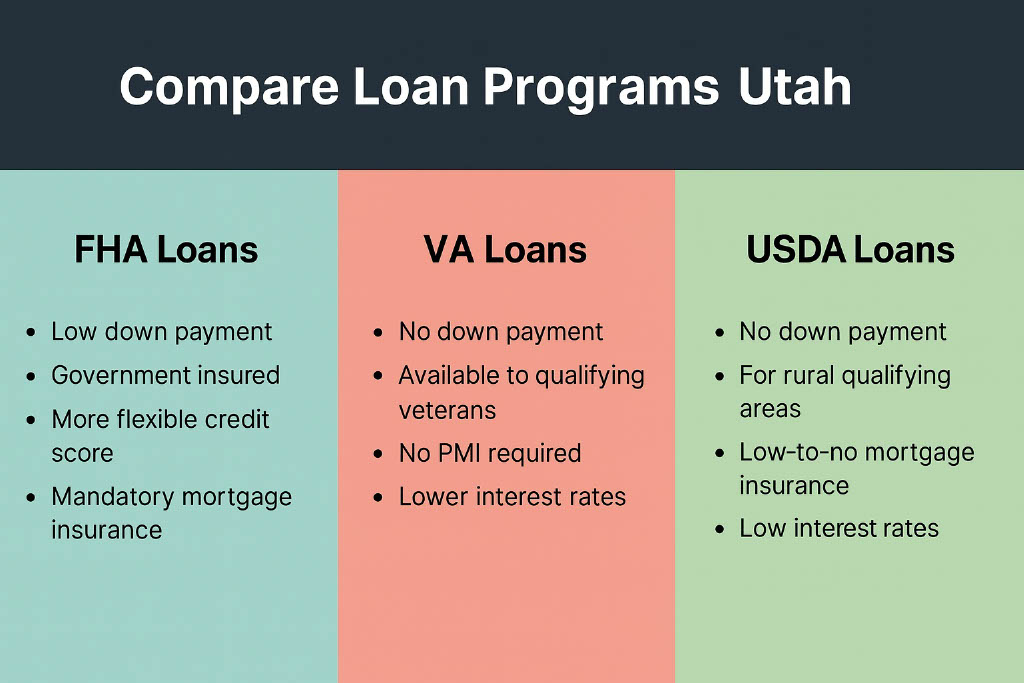
FHA and VA Home Loan Rates in Utah

Many buyers explore FHA mortgage rates and VA home loan rates when considering ARMs. These government-backed loans may allow for lower down payments or easier qualification, especially for first-time home buyer mortgage applicants.

Ask your mortgage broker if an ARM option is available under FHA or VA programs.

Refinancing an ARM Later

An ARM isn’t a lifetime decision. Many Utah homeowners refinance before the adjustment period. Watch refinance mortgage rates, and use a refinance home loan calculator to determine your break-even point. It may be the best time to lock mortgage rates if you’re close to the end of your fixed period.
Final Thoughts – Is an ARM Right for You?

IHere’s a quick checklist:

✔ Do you plan to move or refinance within 5–7 years?
✔ Are you comfortable with potential rate increases?
✔ Do you want to reduce your upfront housing costs?

If yes, an adjustable-rate mortgage in Utah might be a strategic fit.

Ready to Compare Mortgage Rates in Utah?

Before making a final decision, compare mortgage rates side by side and speak with a local mortgage broker. Using tools like a home loan calculator and mortgage pre-approval checklist can help you stay ahead in Utah’s fast-paced housing market.


Get Pre-Approved for a Home Loan in Utah

Young couple in Utah celebrating mortgage pre-approval while reviewing documents at home

Follow These Steps to Get Pre-Approved for a Home Loan in Utah

Buying a home is a significant financial step, and mortgage pre-approval is an important part of the process. For first-time buyers, self-employed individuals, or those navigating credit challenges, understanding how mortgage pre-approval works can make a big difference—especially in Utah’s competitive housing market.

This guide walks you through the steps to get pre-approved for a home loan in Utah.

Ask ChatGPT It includes insights from lenders, current rate trends, and a checklist of essential documents to help you prepare.

How to Get Pre-Approved for a Mortgage Loan

Mortgage pre-approval is a lender’s official estimate of what you can afford based on your income, credit, and financial history. It’s stronger than pre-qualification and can help you:

  • Determine your budget
  • Strengthen your offer
  • Speed up the closing process

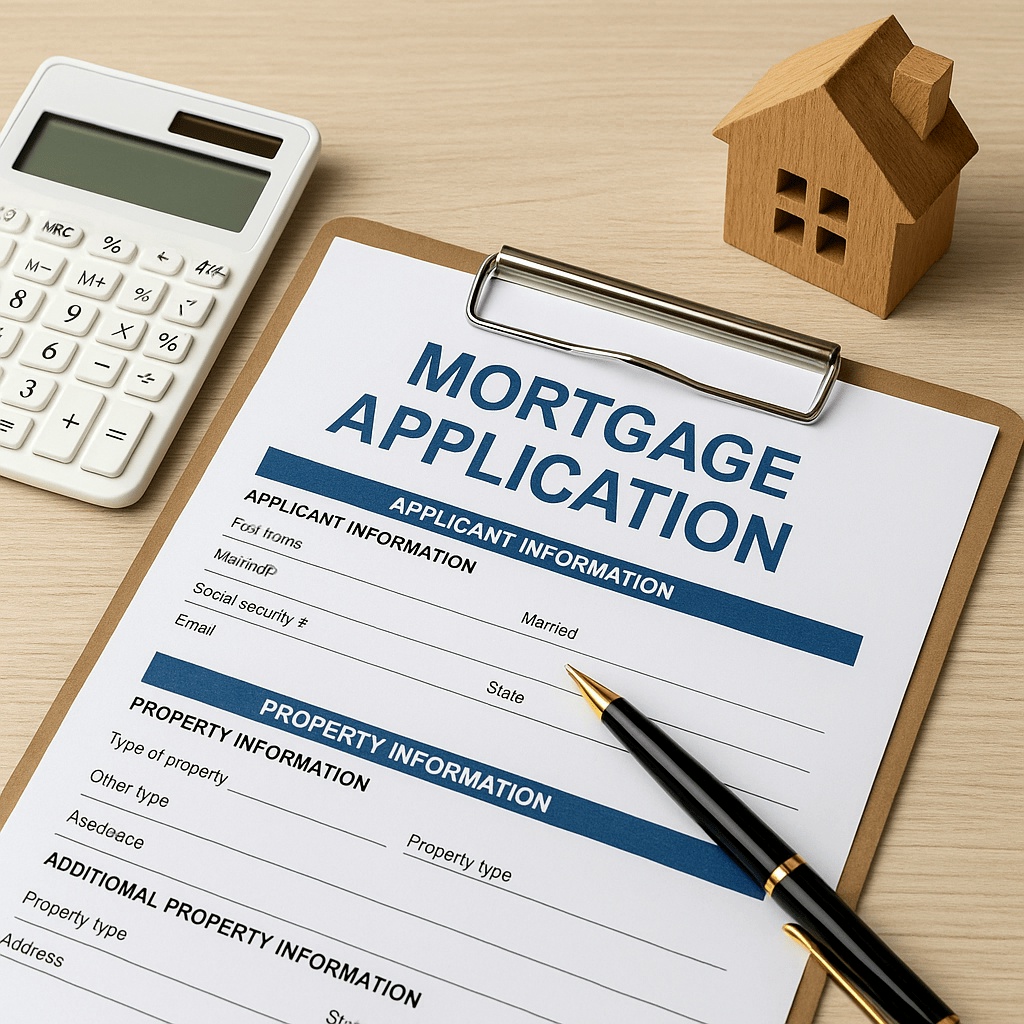
Start by filling out a mortgage application with a local lender or use online tools to pre-qualify and see what you can afford.

Documents Needed for Mortgage Application to be Pre-approved

Be ready to provide:

  • W-2s or 1099s
  • Recent pay stubs or bank statements
  • Tax returns for 2 years
  • Photo ID
  • Credit history

You can begin by reaching out to a local lender or using an online platform to pre-qualify for a mortgage. This early step gives you a general idea of what you might afford and helps set expectations before moving on to full pre-approval.

Understanding Utah Housing Loan Requirements

Utah housing loan requirements may include specific credit score minimums, debt-to-income limits, and property disclosures. Speak with a lender who knows local rules.

If you’re comparing options like FHA vs conventional loan, FHA loans are good for buyers with low credit scores, while traditional loans often require 620+ credit and larger down payments.

Veterans may qualify for better VA loan mortgage rates or no-money-down options through the VA home loan program.

Here you can take a deeper look at VA loans, and if you qualify

Best First Time Home Buyer Loans

Young couple in Utah celebrating first time home purchase

New buyers should explore:

  • Best first-time home buyer loans with down payment assistance
  • State-specific options via Utah Housing Corporation
  • Online lenders for fast mortgage pre-approval estimates

Knowing your options makes pre approval to approval for a mortgage much easier and faster.

Compare Mortgage Rates and Lenders

Mortgage rates can change from day to day, so it’s a good idea to stay updated. To check home mortgage interest rates today, consider using reliable sources such as:

Veterans may also want to explore top-rated VA loan lenders to compare current VA mortgage rates and available loan options..

Apply for Mortgage Online or In Person

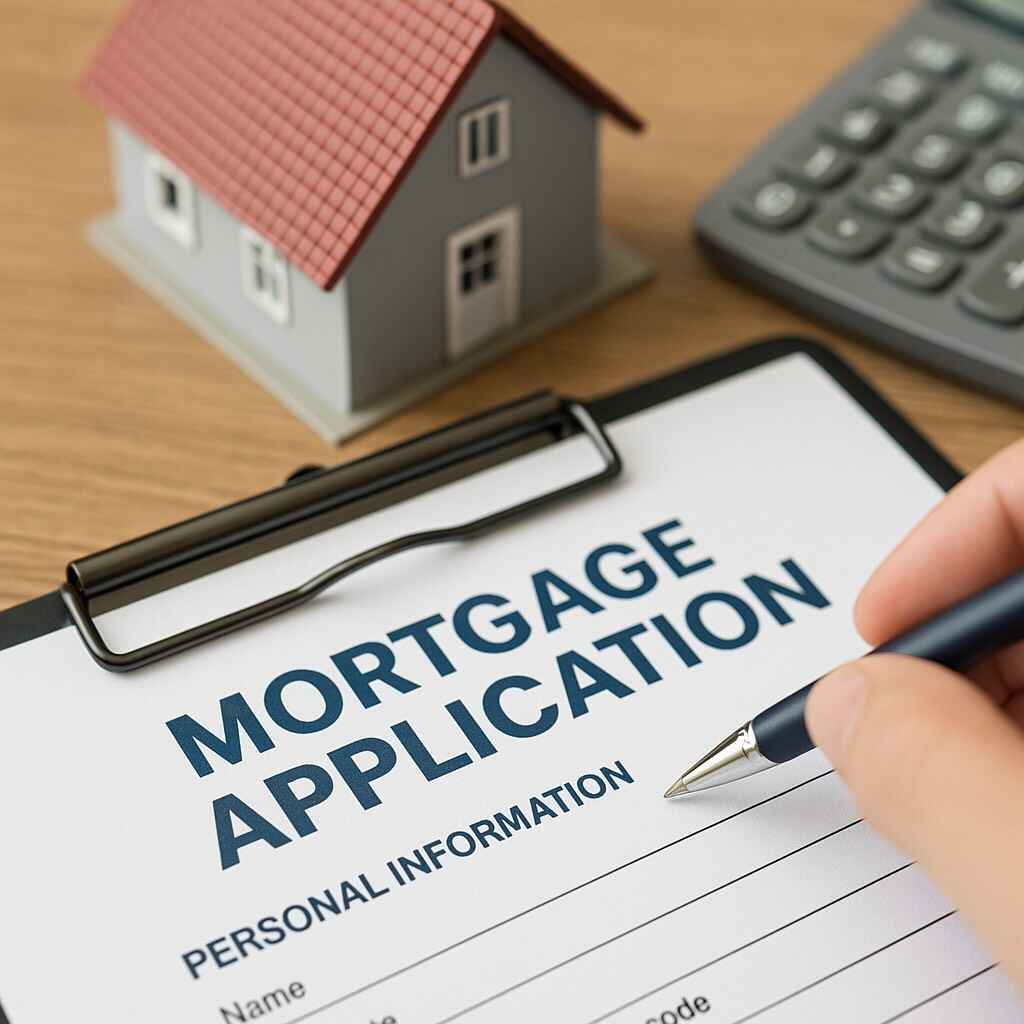
Close-up of a person filling out a mortgage application form with a pen, next to a model house and calculator on a wooden desk

Many lenders now provide the option to apply for a mortgage online, making the process more convenient and efficient. Applying online gives you a clear picture of the mortgage approval timeline and how long the process might take.

Start your home search with a mortgage preapproval—prove you’re a serious buyer and strengthen your offer from the start. Pre-approval shows sellers you’re a serious buyer and can strengthen your offer in a competitive market.

More Utah Home Loan Info – Mortgage Calculator

For more information on how to calculate your mortgage loan, visit our mortgage calculator

Choosing the Best Loan and Lender for First-Time Homebuyers in 2025

Loan Map

First Time Home Buyer Loans: What Are Your Options?

As a first-time buyer, home loan programs are designed to help you qualify more easily with lower credit scores and down payments. The most common first time home buyer loans include:

  • FHA first-time home buyer loans: Backed by the Federal Housing Administration, FHA loans allow as little as 3.5% down and more lenient credit requirements.
  • VA loans for first-time home buyers: If you’re a veteran or active-duty service member, you may qualify for a VA loan with zero down payment.
  • USDA home loans for first-time buyers: Ideal for rural areas, USDA loans also offer no down payment options with reduced rates.
  • Conventional first home owner loans: Many private lenders now offer 3% down mortgages with competitive rates for first-time buyers.

Choosing the right loan depends on your income, location, and long-term plans. Some states also offer first-time home buyer loans with zero down, especially for low-income first-time home buyer families.

Best Mortgage Lenders for First Time Buyers

Finding the best mortgage lenders for first-time buyers means comparing rates, approval requirements, and customer service.

Here are a few to consider:

  • Wells Fargo first-time home buyer loans offer down payment grants and closing cost assistance.
  • Rocket Mortgage is known for its tech-friendly application process and fast preapproval.
  • Navy Federal Credit Union offers great programs for members, including no-down-payment first-time home buyer loans.

Other trusted names include Bank of America, Chase, and local credit unions that offer first-time buyer home support and financial education tools.Tip: Use lender comparison tools and read reviews to identify the best first-time home buyer lenders for your needs.

How to Qualify for First-Time Homeowners’ Loan Programs

Most first-time home owners’ loans require:

  • A credit score of at least 580 (for FHA)
  • Proof of income and employment
  • A manageable debt-to-income ratio
  • Down payment of 0%–5% depending on the program

Some programs, like Conventional 97 or HomeReady, are targeted at those with slightly higher credit scores and may allow gifts to be used for down payments.

Down Payment Assistance and Grants in 2025

In addition to traditional loans, many states and cities offer down payment assistance for first-time home buyers.

You may be eligible for:

  • State Housing Finance Agency (HFA) loans
  • $10,000 first-time home buyer grant programs
  • First-time home buyer assistance programs with forgivable second mortgages or deferred loans

Even if you’re considering first-time home buyer loans with no money down, pairing them with a grant program could help cover closing costs.

Tips for Finding First-Time Home Buyer Programs Near You

Every location has different benefits. Use these tips:

  • Search your state’s housing website for “first-time home buyer programs near me”
  • Speak with a lender who specializes in low-income first-time home buyer options
  • Explore first-time home buyer credit and tax incentives
  • Don’t forget to ask about closing cost assistance for first-time buyers

Your first home owner loan might come bundled with education resources, savings on PMI, or pre-purchase counseling.

Avoiding Common First-Time Buyer Mistakes

While shopping for first-time home buyer mortgages, avoid these errors:

  • Ignoring credit improvement before applying
  • Not comparing loan terms beyond just monthly payments
  • Overlooking the importance of home inspections and maintenance costs

Whether you’re pursuing FHA, VA, or no down payment first-time home buyer programs, understanding the full picture will help you make a confident decision.

Conclusion: Start Strong with the Right Lender and Loan

The 2025 housing market offers more options than ever for first-time buyers. By understanding your loan choices and comparing first-time home buyer lenders, you’ll be better positioned to land your dream home, with fewer headaches and more savings.

The Ultimate Guide to Getting a Mortgage in 2025: Tools, Tips, and Loan Options

Buying a home in 2025? Whether you’re a seasoned homeowner or a first-time buyer,
understanding how to qualify for a mortgage is the first step to unlocking the door to
homeownership. From comparing mortgage rates, getting a loan, and getting pre-approved to choosing the right mortgage lender, this guide will help you navigate today’s mortgage landscape with confidence.

Young couple gathering pay stubs and tax documents to apply for a mortgage loan

To qualify for a mortgage, lenders will assess your credit score, income, debt-to-income ratio,
and job history. Specific income requirements for a home loan vary by loan type, but the
golden rule is this: lenders want to see that you can comfortably manage monthly payments.
If you’re applying for your first home, lenders often recommend programs tailored to mortgage
loans for first-time buyers, which come with lower down payment requirements and flexible
credit standards.

Government-Backed Loan (FHA & VA)

FHA loans for manufactured homes are great for buyers seeking affordability in non-
traditional housing. Veterans should explore their benefits with VA loans, and make sure you
understand VA loan closing costs explained before committing.

Conventional vs Government Loans

Conventional loans typically require higher credit scores and down payments, but they can save
you money in the long run.

The 15-year vs 30-year mortgage comparison helps determine the right term for your budget
and lifestyle. A 15-year term saves on interest; a 30-year term offers lower monthly payments.

Why Mortgage Pre-Approval Matters

Getting mortgage pre-approval shows sellers you’re serious and gives you a clear budget to
work with.

How to Apply for a Mortgage Online

Most lenders now let you apply for a mortgage online and get results quickly. Be sure to request a mortgage quote to compare options.

Use a mortgage calculator to estimate monthly payments. Want more details? Try a mortgage estimator with taxes or use the MACU mortgage calculator for Utah-specific results.

Amortization & PMI Planning

Use an amortization calculator with PMI to understand the payment structure, or a home equity
payment calculator with extra payments to see how extra payments can reduce your interest.

National Trends vs Local Rates

In 2025, home mortgage interest rates for 30-year fixed mortgages continue to fluctuate.
Check both national and regional offers, like mortgage interest rates in Utah and mortgage
rates in Utah.

How to Get a Mortgage Quote

A mortgage quote provides you with real-time pricing tailored to your specific situation.
Compare multiple mortgage rates to find the best fit for you.

Refinancing Options for Lower Scores

You can still refinance a mortgage with bad credit by choosing FHA-backed options or
improving your credit score first.

  • Look for transparent, tech-friendly mortgage companies with solid customer service.
  • Research Rocket Home Loans and Other Digital Options
  • Platforms like Rocket Home Loans simplify the process with fast approvals.
  • Best Mortgage Lenders in Utah
  • If you’re buying locally, check out the best mortgage lenders in Utah for state-specific perks.
  1. Get Pre-Approved: Start with your mortgage pre-approval.
  2. Compare Loan Types: From FHA to VA Loans, Explore Your Options.
  3. Use Tools: Calculate using a mortgage calculator and estimate additional costs, such as PMI.
  4. Know the Rates: Track mortgage rates and request a mortgage quote.
  5. Pick the Right Lender: Choose from the best mortgage companies and compare each
    mortgage lender.
Happy couple holding mortgage loan pre-approval letter in front of their new home

Get that Mortgage Pre-Approval & enjoy your new home!

Current Mortgage Rates in Utah | Compare Home Loan Rates

current mortgage rates in Utah

Understanding mortgage rates today is essential for anyone considering a home purchase or refinance in Utah. Whether you’re just starting your home search or locking in financing, learning about rate trends, loan types, and pre-approval steps can make a big difference in what you pay over time.

Current Mortgage Rates in Utah

As of June 28, 2025, the average 30-year fixed mortgage in the U.S. is approximately 6.77% (source). Utah typically tracks closely with these national trends. It’s wise to compare mortgage quotes from at least three providers to find the best mortgage rates available for your situation.

Apply for a Mortgage in Utah

Before you apply for a mortgage, gather key documents like pay stubs, tax returns, and bank statements. Most lenders in Utah support secure online portals that simplify the application process. Early in your home search, you should prequalify for mortgage options to estimate how much home you can afford.

current mortgage rates in Utah

Getting mortgage pre approval helps solidify your budget and makes you more attractive to sellers in Utah’s competitive housing market. Need help navigating the process? Talk with a mortgage lender or mortgage broker near me for personalized advice.

Finding the Best Mortgage Lender

Choosing the right mortgage lender or working with a mortgage broker can save you time and money. Brokers have access to multiple loan products and help find the most competitive mortgage rates today. The best mortgage companies combine solid rates with strong customer service and local expertise.

Explore Loan Options: VA and Conventional Loans

If you’re a veteran or service member, a VA home loan may offer no down payment and favorable VA loan rates. Utah lenders frequently support these programs, helping eligible buyers secure more affordable financing.

current mortgage rates in Utah

Not eligible for a VA loan? A conventional loan is still a great option for borrowers with strong credit. Your local mortgage broker can help you evaluate fixed vs. adjustable rates and find the loan product that fits best.

Why You Should Shop Around

Even a 0.5% difference in your mortgage rate could save you tens of thousands of dollars. That’s why comparing lenders is so important. According to Freddie Mac, borrowers who shop for the best mortgage rates can benefit from significant rate dispersion (source).

Understanding Home Loan Mortgage Rates and Choosing the Right Mortgage Length

When buying a home or refinancing an existing mortgage, one of the most important decisions you’ll make is choosing the right mortgage length. The term of your loan directly affects your home loan mortgage rates, monthly payments, and how much interest you’ll pay over time. With so many options available—ranging from the well-known 30 year mortgage rates to shorter and less conventional terms like 2 year fixed home loan rates—it’s crucial to understand how each loan length works and how to choose the best fit for your financial situation.

Understanding Home Loan Mortgage Lengths

Home loan mortgage rates refer to the interest rate you pay on the money borrowed from a lender. These rates vary based on multiple factors including the loan term, credit score, market conditions, and whether the rate is fixed or adjustable.

The longer the mortgage term, the higher the interest rate tends to be. However, the monthly payments are usually lower. Shorter-term loans typically come with lower rates but higher monthly payments. Choosing between them depends on your financial goals, income stability, and long-term plans.

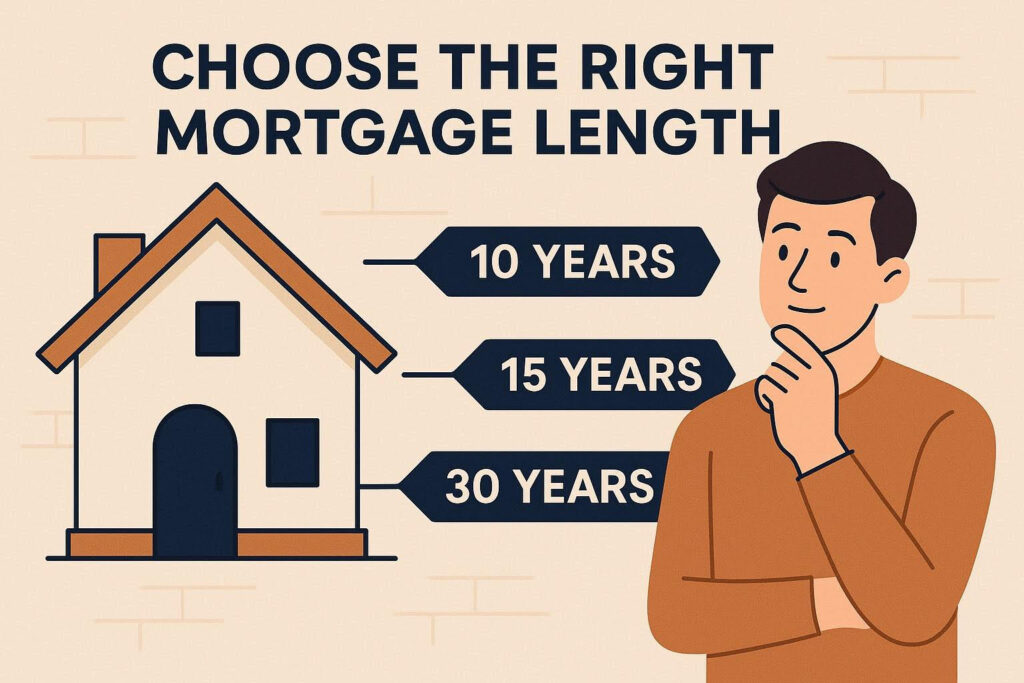
Choosing a mortgage length
Which mortgage length is right for you?

Common Mortgage Lengths

30-Year Mortgage

The 30 year mortgage rates remain the most popular option for homebuyers due to their lower monthly payments. Though you’ll pay more in interest over the life of the loan, this option makes homeownership accessible and manageable for many.

Today’s 30 year mortgage rates and 30 year rates offer stable, predictable payments—perfect for those who plan to stay in their home long-term.

15-Year Mortgage

15 year mortgage rates and 15 year fixed mortgage rates appeal to buyers who want to pay off their loan quickly and save on interest. The trade-off is higher monthly payments, but you’ll build equity faster and pay far less interest over time.

Check 15 year fixed mortgage rates today to see if now is a good time to lock in a low rate. You can also explore your financial outlook using tools like a 15 year fixed mortgage rates calculator or a 15 year mortgage refinance calculator.

If you’re already paying a 30-year loan and can afford higher monthly payments, refinancing into a 15yr mortgage rate may be a financially sound move.

10-Year Mortgage

10 year mortgage rates offer even faster payoff and lower interest rates. These are ideal for buyers who have significant income and want to eliminate debt quickly. You can estimate your savings with a 10 year mortgage rates calculator, which will show how much faster you’ll gain equity and how much less you’ll pay in total interest.

Other Mortgage Lengths: Alternatives to Consider

Not every homeowner fits into the standard 15- or 30-year mold. Fortunately, other terms provide flexibility based on unique needs:

  • 20 year mortgage rates and 20 year fixed mortgage rates strike a balance between the affordability of a 30-year loan and the savings of a 15-year loan.
  • 25 year mortgage rates offer slightly lower monthly payments than 20-year loans but still come with interest savings compared to a 30-year mortgage.
  • 10 year ARM mortgage rates and 10 1 ARM rates today provide low initial interest rates with adjustments later. These are ideal for borrowers planning to move or refinance before the rate resets.
  • 2 year fixed home loan rates and 2 year mortgage rates are short-term loans often used for bridge financing or unique scenarios.
  • 1 year fixed mortgage rates and 1 year mortgage rates are rare but sometimes available in niche financial products.

These less common terms offer specialized benefits but may not be suitable for the average borrower unless paired with a specific financial strategy.

How to Choose the Right Mortgage Length

Choosing the right mortgage length requires a careful look at your financial situation, goals, and risk tolerance. Here are some factors to consider:

1. Monthly Budget

  • Can you comfortably afford higher monthly payments? If so, a shorter term like 10 or 15 years might make sense.
  • If you need lower monthly payments, a 30 year mortgage is likely more appropriate.

2. Total Interest Paid

  • Shorter loans mean less interest overall, even if your monthly payment is higher.
  • Use tools like a 15 year mortgage refinance calculator or 10 year mortgage rates calculator to see how much you can save.

3. Long-Term Plans

  • Planning to stay in your home long-term? A fixed-rate mortgage like a 15 year fixed mortgage or 30 year fixed mortgage offers stability.
  • Planning to sell or refinance in a few years? Consider an ARM product like 10 1 ARM rates today.

4. Current Market Rates

  • Compare current fixed mortgage rates and current fixed rate mortgage rates across different loan terms.
  • Rates fluctuate based on market conditions, so it’s important to lock in a favorable rate when you find one.

5. Your Age and Life Stage

  • Younger buyers may prefer longer terms for affordability.
  • Older buyers nearing retirement may favor shorter terms to become mortgage-free sooner.

Final Thoughts

Understanding home loan mortgage rates and the variety of available loan terms is key to making a smart home financing decision. While 30 year mortgage rates offer long-term affordability, shorter terms like 15 year mortgage rates10 year mortgage rates, and even 20 year mortgage rates provide opportunities for faster payoff and interest savings.

Don’t overlook non-traditional options like 25 year mortgage rates2 year mortgage rates, or adjustable-rate loans like 10 year ARM mortgage rates if they align with your financial strategy. Whatever your goals, be sure to explore all the available tools—such as the 15 year fixed mortgage rates calculator—to understand how different terms will affect your budget and long-term wealth.

By evaluating your income, expenses, and future plans, you can choose the mortgage length that best supports your financial success.

The Ultimate Guide to First Time Home Buyer Programs in Utah

Discover the best first-time home buyer programs in Utah, including FHA, VA, and USDA loan options. Learn how to get pre-approved, compare rates, and calculate what you can afford.

Utah FHA Loan Requirements

One of the most popular choices for new buyers is an FHA loan. These government-backed loans come with lower down payment requirements and more flexible credit standards. If you’re a first-time buyer with limited savings or lower credit, you’ll want to understand the **Utah FHA loan requirements**.

To qualify, you’ll typically need:
– A **minimum credit score for Utah** FHA loans of 580 (or 500 with a larger down payment)
– A debt-to-income ratio below 43%
– Proof of steady income and employment

Utah VA Loan Rates and Benefits

If you’re a veteran, active-duty military member, or eligible spouse, you might qualify for a VA loan. **Utah VA loan rates** are often lower than conventional loans, and you won’t need to pay private mortgage insurance (PMI).

VA loans also require no down payment in most cases—making it one of the best programs for eligible first-time buyers.

Utah USDA Home Loans for Rural Buyers

Looking outside the city? **Utah USDA home loans** are designed to support buyers in rural areas. They offer 100% financing (no down payment) and reduced mortgage insurance.

To qualify, the home must be in a USDA-eligible area, and your income must fall below local limits.

Compare Mortgage Rates Utah

Don’t just settle for the first lender you find—**compare mortgage rates Utah** to find the best deal. Rates vary daily, so keep an eye on:
– **Mortgage rates today**
– **Mortgage rates in Utah today**
– **HELOC rates Utah** if you’re considering a home equity line

Use a **mortgage calculator Utah** or **refinance calculator Utah** to estimate your monthly payments and compare loan scenarios.

Pre Approval Mortgage vs Prequalified

Before house hunting, get a **pre approval mortgage** to show sellers you’re serious. But what about being **prequalified**?

Here’s the difference:
– **Prequalified** = rough estimate based on unverified data
– **Preapproved** = verified loan offer based on your financial info and credit

How Much House Can I Afford Utah?

Use tools like a **mortgage calculator Utah** to answer: **how much house can I afford Utah**? Most lenders recommend your housing costs stay under 28% of gross income.

Should I Refinance My Mortgage in Utah?

Even first-time buyers should think long-term. If rates drop later, consider:
– **Best refinance rates Utah**
– **Refinance calculator Utah**
– **Should I refinance my mortgage in Utah**

Refinancing can lower your monthly payment or change your loan type from **fixed vs variable mortgage Utah**.

Jumbo Loan Rates Utah

For high-priced homes, consider **jumbo loan rates Utah**. These loans may require a higher **minimum credit score for Utah** and a bigger down payment.

Best Time to Buy a House in Utah

Timing your purchase can save you thousands. The **best time to buy a house in Utah** is typically fall or winter, when there’s less competition and sellers are more motivated.

Final Thoughts

Buying a home in Utah for the first time can be exciting and affordable with the right tools. Whether you’re checking **equity loan rates**, comparing **HELOC rates today**, or browsing the **best mortgage lenders in Utah**, preparation is everything.

Talk to a trusted **mortgage broker Salt Lake City**, get **pre approval mortgage**, and take the first confident step toward your new home.

Best Mortgage Options for First-Time Buyers: How to Choose the Right Loan

Best Mortgage Options for First-Time Home Buyers: How to Choose the Right Loan for Your Situation

Buying your first home is one of the most important financial milestones you will ever reach. While it can be exciting, it can also feel stressful and overwhelming. The good news is there are many options to help you find the best first-time home buyer mortgage, whether you have perfect credit or you need extra support to get started. This guide will walk you through the most common loans and programs, and help you feel more confident choosing the right option for your needs.


FHA Loan for First Time Buyers

One of the most popular choices is an fha loan for first-time buyers, which is backed by the Federal Housing Administration. These loans have flexible requirements and low down payment options, making them ideal for first-time borrowers who may have a limited savings history or a lower first-time home buyer credit score. FHA loans often allow down payments as low as 3.5%, helping more people buy a home without waiting years to save. They also allow more flexible debt-to-income ratios, which can make it easier for you to qualify even if you have student loans or other debt.

How to Get a Mortgage as a First Time Buyer

Understanding how to get a mortgage as a first-time buyer can save you stress and money. Start by checking your credit score and pulling your credit report for free. Many lenders will want to see at least a 620 score, but some programs accept lower scores. Next, gather your financial paperwork, including income statements, tax returns, and other document requirements for first-time buyer loans. Securing pre approval for first-time buyer mortgages is a smart way to show sellers you are serious and ready to close.

Make sure you compare lenders. Some of the best banks for first-time buyer loans offer unique programs, while credit unions or online lenders may have better rates. Always check the current first-time home buyer interest rates, since even a half-percent difference can change your payment dramatically over time.

Step-by-Step Mortgage Checklist

First Time Buyer Loan Checklist

1.) Understand the first-time buyer loan requirements for each type of mortgage
2.) Explore down payment assistance for first-time buyer grants or programs
3.) Ask about a first-time home buyer mortgage program options through your state or city
4.) Budget for first-time home buyer closing cost, typically 2%–5% of the home’s price
5.) Research first-time buyer mortgage low income programs if your income is modest
6.) Decide if a first-time home buyer fixed rate mortgage is better than an adjustable-rate
7.) Learn how to apply for a first home loan and what paperwork is needed

Following these steps makes the entire first time home buyer loan process easier, giving you peace of mind.

VA and USDA Loans for First Time Buyers

A VA loan for first-time buyers is one of the best benefits for veterans, active-duty military, and eligible family members. These loans do not require a downpayment and have no private mortgage insurance, making home ownership more affordable. If you live in a rural or eligible suburban area, a usda loan for first-time buyers could be an amazing choice. USDA loans also offer no down payment, but do have income restrictions and property location rules. These programs can open the door to buying a home for many families who thought it was out of reach.

First Time Buyer Choosing a Mortgage: Mistakes to Avoid

Choosing a mortgage can feel complicated, but avoiding these mistakes will help you succeed. First, don’t rush through the process without researching rates. Always check first-time home buyer interest rates with multiple lenders and compare them carefully. Second, never skip the home inspection, even if the market is hot. Skipping inspections can lead to costly surprises later.

Don’t overextend your budget by taking the largest loan you qualify for. Instead, calculate how much a first-time buyer can borrow but only spend what you can truly afford. Check the details of how to qualify for first-time buyer program incentives that could lower your payment. Finally, work only with best lenders for first-time home buyers who understand your needs and will communicate clearly.

Happy couple holding keys to their new home

Ready to Start?

If you’re feeling ready to move forward, take the next steps now. Compare rates, apply for pre approval for first-time buyer programs, and research first time home buyer mortgage program options that match your financial picture. Use a reliable mortgage calculator to see how rates and fees affect your payment.

Ask questions about first-time buyer loan requirements, gather your paperwork, and start conversations with trusted lenders. With the right plan, you can confidently move through the first-time home buyer loan process and make your dream a reality. The best mortgage for first-time home buyers is achievable if you stay organized, get expert advice, and understand your options. For additional resources, visit the HUD First-Time Buyer Resources page.

Easy Guide to VA Home Loans: Benefits, Rates, Simple

VA Home Loans: Your Simple Guide to Getting a Home

For millions of people who served in the military, owning a home can become a reality much
more easily thanks to VA home loans. These special home loans are backed by the U.S.
Department of Veterans Affairs. They offer big advantages to help military families buy homes,
showing our country’s appreciation for their service. Unlike regular home loans, a veteran home loan is made available only to those who served, making it a key benefit for eligible service members. Unlike most traditional loan options military home loans allow eligible buyers to purchase a home without any down payment and no private mortgage insurance, make it an amazing option for members of the Veteran community.  This guide to VA home loans will walk you through everything you need to know about getting a VA mortgage, from figuring out if you qualify, to applying for the loan, checking out ways to refinance, and understanding the costs.

Veterans and Service members have extensive benefits that can help them purchase a home and set roots in Utah. Discover what those benefits are through this easy guide.

Starting your path to a VA home loan means first understanding VA home loan eligibility –
basically, who can get one. Generally, if you’re on active duty, a veteran, a National Guard
member, or a reservist, you may qualify. In some cases, certain surviving spouses can too. The
exact rules depend on when and how long you served, and your discharge status. Your first
important step is getting a Certificate of Eligibility (COE) from the VA. This paper proves to
lenders that you meet the VA’s service requirements. Once you qualify, the VA home loan
benefits are fantastic. The biggest plus is often the VA loan no down payment option. This
means you can borrow the full price of the home, and don’t need to save up a large sum of
money upfront. This can be a huge help, especially when homes are expensive and saving for a
down payment is tough. Also, VA loans don’t require Private Mortgage Insurance (PMI). Regular
loans usually make you pay PMI if you put less than 20% down. Getting rid of this monthly cost
makes owning a home cheaper over time.

Even though there’s no PMI, you should be aware of the VA funding fee. This is a one-time fee
paid to the VA that helps cover the cost of the loan program. How much you pay depends on
things like your service type, the type of loan, and if it’s your first time using this benefit. Besides these money-saving perks, VA loans often have easier credit rules than regular loans. Lenders will still check your credit, but the rules can be more flexible. VA loans also offer competitive VA loan rates, which we’ll talk about next. This makes the overall cost of borrowing less expensive for service members and veterans. For more details on who qualifies and what you get, visit the official VA Home Loans website. The support from the Department of Veterans Affairs home loan program is there to help those who served reach their dream of owning a home with less hassle and fewer money worries.

When thinking about a VA mortgage knowing about and keeping up with current VA loan rates is important. These rates are usually very good, and often lower than rates for regular loans, because the VA guarantees part of the loan to the lenders. The rates do change with the market so in order to make sure you’re getting the best rate shop around and compare offers from different lenders. Besides rates, the process to apply for VA loan is pretty straightforward. You’ll need to gather financial papers like proof of income, job history, and bank statements, just like with other home loans. But with a VA loan, you’ll also give your COE to your chosen lender.

The application usually kicks off with a VA loan pre-approval or VA mortgage prequalification.
Pre-approval is a more thorough check of your finances by a lender, giving you a better idea of
how much you can borrow. This will allow you to set your budget and help the process move faster once you find a home.  Picking the right VA mortgage lenders is also key. Not all lenders specialize in VA loans, so in order for things to run smoothly it’s important to find one with experience, who knows all the ins and outs of the program.  Once you send in your application and all your documents, the lender will work towards your VA loan approval. They’ll get an appraisal to make sure the home meets VA rules, and check your finances to ensure you meet all the VA loan requirements. For more on how to apply and pick a lender, helpful sites like USAA offer good advice.

If you already have a VA mortgage, and are looking to refinance there are several ways to do so. A VA cash-out refinance allows you to take money out of your home’s value. You can use this cash for things like home improvements, paying off other debts, or other big expenses. This loan replaces your current mortgage with a new VA loan, possibly with new terms. Another popular choice is the VA streamline refinance, also known as an Interest Rate Reduction Refinance Loan (IRRRL). A VA IRRRL is designed to help you get a lower interest rate or change from a changing (adjustable) rate to a steady (fixed) rate with very little paperwork. It usually doesn’t need an appraisal, proof of income, or a full credit check, making it a fast and easy way to cut your monthly payments or lock in your interest rate. This makes the VA streamline refinance a very appealing choice for many.

Besides refinancing, it’s good to understand the VA loan closing costs. While VA loans skip PMI
and often the down payment, you’ll still have some costs when the loan closes. These can
include appraisal fees, title insurance, recording fees, and sometimes points if you pay extra to
get a lower interest rate. The VA has specific rules about which fees you can pay. Sometimes,
the seller can also pay some of these costs, which can save you money upfront. To help figure out these costs and what your monthly payments might be, you can use a VA mortgage calculator.  These online calculators let you put in your loan amount, interest rate, and how long you’ll pay, to get an estimate of your monthly principal and interest payment. Lastly, know about VA loan limits. These are the highest loan amounts the VA will guarantee without needing a down payment for eligible borrowers who have their full entitlement. While many areas don’t have a specific limit, some expensive areas might. So, it’s smart to check the current VA loan limits for where you want to buy, on the VA’s official website.

In short, the VA home loan program is an amazing benefit. It offers big financial advantages and
an easier way to own a home for qualified service members and veterans. From special perks
like no down payment and no PMI, to easy refinancing and good rates, these loans are made to
honor service by giving you a real, lasting asset. By understanding your VA home loan
eligibility, going through the application steps, and managing your loan smartly, you can really
make the most of this valuable benefit from the Department of Veterans Affairs. If you’re ready
for the next step, you might want to read more detailed articles on specific topics like
“Understanding the VA Funding Fee” or “Comparing VA Streamline vs. Cash-Out Refinance
Options” to learn even more. For up-to-date rates and extra info, you can always visit The
Military Wallet.

How to Get a Mortgage With Bad Credit

Homebuyer and Loan Officer Discussing Mortgage Plan

Struggling with bad credit? Learn how to get a mortgage in 2025 with practical steps, lender tips, and refinance options tailored to your credit situation.

Home Loans for Single Moms and Self-Employed Borrowers

Not every borrower fits the traditional mold. Whether you’re applying for a home loan for single moms or you’re self-employed, mortgage approval is still possible. A home loan for single moms may include grants, FHA loans, or down payment assistance. Self-employed individuals often qualify for a mortgage with solid income documentation such as tax returns or bank statements.

Refinance With Bad Credit: Your Options in 2025

Many homeowners worry they can’t refinance with bad credit, but options do exist. FHA streamline refinance and cash-out refinance programs are available even for borrowers with less-than-perfect credit. It’s important to compare mortgage refinancing rates and understand the qualifications for these products.

Understanding the Mortgage Application Process

The mortgage application process involves several steps. Many borrowers start with mortgage prequalification or even mortgage pre-approval online. Submitting an online mortgage application is now more convenient than ever. Once submitted, your file enters the mortgage underwriting process, which reviews income, debt, credit, and other key factors

Documents Needed for Mortgage Approval

  • Income Verification (e.g., recent pay stubs or proof of other income)
  • Tax Returns (typically the past 2 years)
  • W-2 Forms (from the past 1–2 years)
  • Bank Statements (usually the most recent 2–3 months)

Best Mortgage Lenders for First-Time Buyers

If you’re a first-time buyer, selecting the right lender is essential. The best mortgage lenders for first time buyers include credit unions, online banks, and niche lenders specializing in low credit mortgage programs. The best banks for mortgage loans often offer competitive rates and flexible underwriting.

Low Credit Mortgage and Other Flexible Loan Types

A low credit mortgage can still get you into your dream home. Options include FHA mortgage rates, VA mortgage loans, interest only mortgage plans, and no down payment mortgage solutions. Some programs even support reverse mortgage for seniors with poor credit. It’s crucial to understand each option’s requirements and benefits.

Breaking Down Mortgage Closing Costs and Loan Comparisons

Understanding mortgage closing costs and how to compare loan options can save you thousands over the life of a loan. Clear explanations help you avoid unexpected fees and make smarter financial decisions. Here’s what to look for:

  • Lender fees – Charges from the bank or financial institution processing your loan.
  • Appraisal costs – A required home valuation to confirm the property’s market value.
  • Title insurance – Protects you and the lender from title disputes or legal claims.

When comparing a home equity loan vs. a first mortgage, remember:

  • Home equity loans are usually second liens, meaning they sit behind your first mortgage in priority.
  • First mortgages typically have a larger impact on your long-term finances and credit profile.

Also, don’t forget to shop around and compare the best mortgage rates for low credit scores, even a small difference in rates can greatly affect your monthly payment and total cost over time.

Final Thoughts: Getting Approved With Confidence

Knowing how to get a mortgage with bad credit means understanding the process, gathering your documents, and choosing the right lender. There are more programs than ever to support people from all walks of life. Use tools like a mortgage pre-approval calculator and research online mortgage application platforms to get started. With the right approach, your homeownership goals are within reach, even with bad credit.

Helpful Links and Tools

FHA Loan Requirements

Mortgage Calculator Tool