Discover the best first-time home buyer programs in Utah, including FHA, VA, and USDA loan options. Learn how to get pre-approved, compare rates, and calculate what you can afford.
Utah FHA Loan Requirements
One of the most popular choices for new buyers is an FHA loan. These government-backed loans come with lower down payment requirements and more flexible credit standards. If you’re a first-time buyer with limited savings or lower credit, you’ll want to understand the **Utah FHA loan requirements**.
To qualify, you’ll typically need: – A **minimum credit score for Utah** FHA loans of 580 (or 500 with a larger down payment) – A debt-to-income ratio below 43% – Proof of steady income and employment
Utah VA Loan Rates and Benefits
If you’re a veteran, active-duty military member, or eligible spouse, you might qualify for a VA loan. **Utah VA loan rates** are often lower than conventional loans, and you won’t need to pay private mortgage insurance (PMI).
VA loans also require no down payment in most cases—making it one of the best programs for eligible first-time buyers.
Utah USDA Home Loans for Rural Buyers
Looking outside the city? **Utah USDA home loans** are designed to support buyers in rural areas. They offer 100% financing (no down payment) and reduced mortgage insurance.
To qualify, the home must be in a USDA-eligible area, and your income must fall below local limits.
Compare Mortgage Rates Utah
Don’t just settle for the first lender you find—**compare mortgage rates Utah** to find the best deal. Rates vary daily, so keep an eye on: – **Mortgage rates today** – **Mortgage rates in Utah today** – **HELOC rates Utah** if you’re considering a home equity line
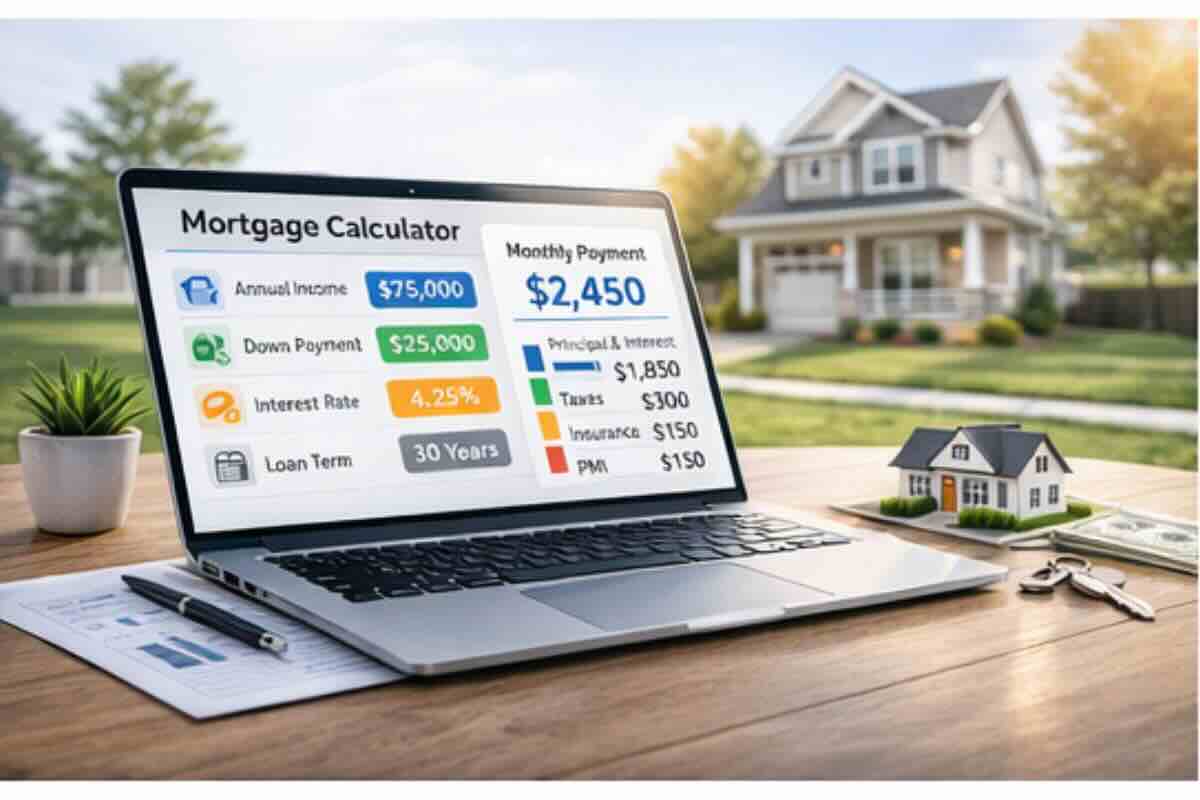
Use a **mortgage calculator Utah** or **refinance calculator Utah** to estimate your monthly payments and compare loan scenarios.
Pre Approval Mortgage vs Prequalified
Before house hunting, get a **pre approval mortgage** to show sellers you’re serious. But what about being **prequalified**?
Here’s the difference: – **Prequalified** = rough estimate based on unverified data – **Preapproved** = verified loan offer based on your financial info and credit
How Much House Can I Afford Utah?
Use tools like a **mortgage calculator Utah** to answer: **how much house can I afford Utah**? Most lenders recommend your housing costs stay under 28% of gross income.
Should I Refinance My Mortgage in Utah?
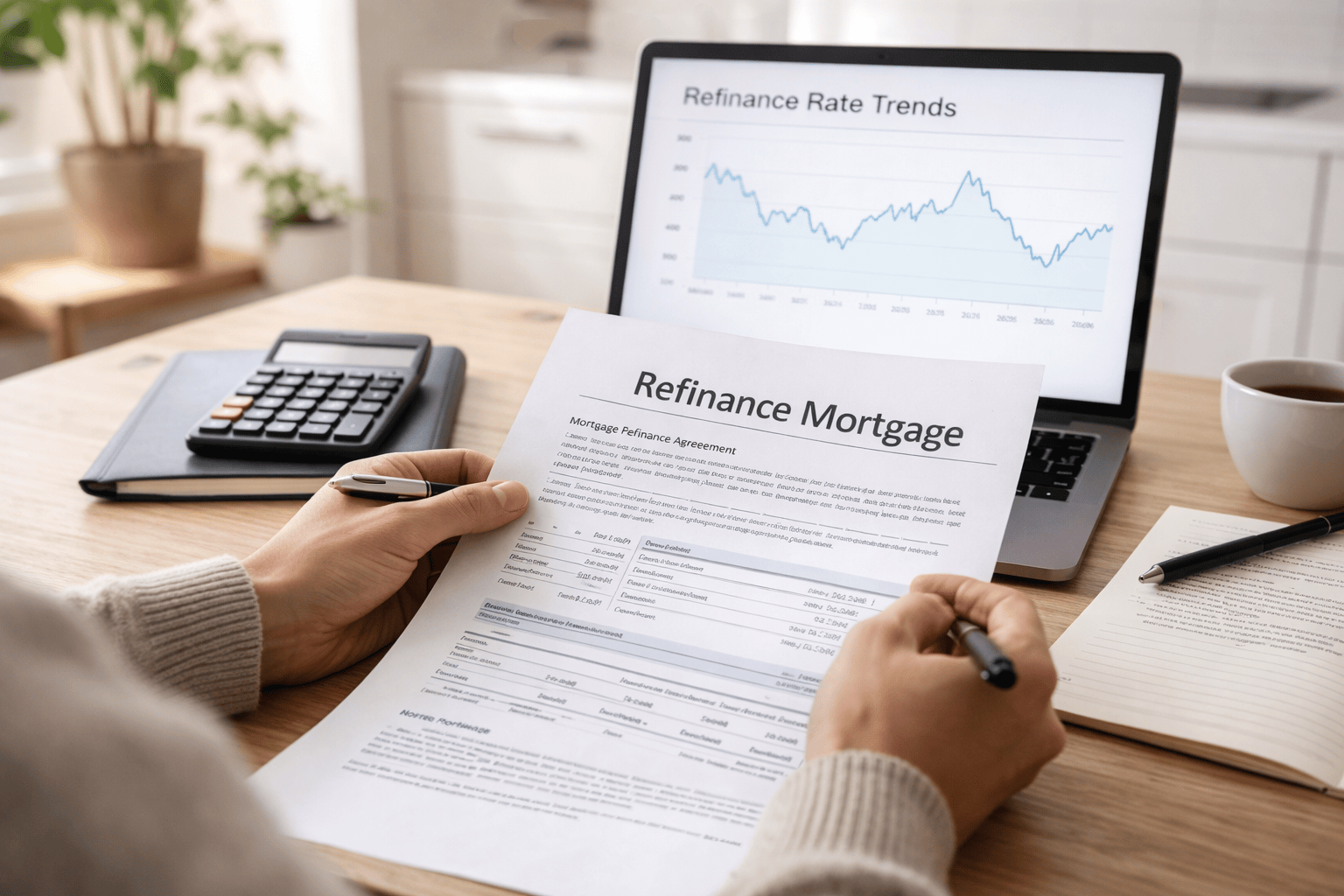
Even first-time buyers should think long-term. If rates drop later, consider: – **Best refinance rates Utah** – **Refinance calculator Utah** – **Should I refinance my mortgage in Utah**
Refinancing can lower your monthly payment or change your loan type from **fixed vs variable mortgage Utah**.
Jumbo Loan Rates Utah
For high-priced homes, consider **jumbo loan rates Utah**. These loans may require a higher **minimum credit score for Utah** and a bigger down payment.
Best Time to Buy a House in Utah
Timing your purchase can save you thousands. The **best time to buy a house in Utah** is typically fall or winter, when there’s less competition and sellers are more motivated.
Final Thoughts
Buying a home in Utah for the first time can be exciting and affordable with the right tools. Whether you’re checking **equity loan rates**, comparing **HELOC rates today**, or browsing the **best mortgage lenders in Utah**, preparation is everything.
Talk to a trusted **mortgage broker Salt Lake City**, get **pre approval mortgage**, and take the first confident step toward your new home.
Best Mortgage Options for First-Time Home Buyers: How to Choose the Right Loan for Your Situation
Buying your first home is one of the most important financial milestones you will ever reach. While it can be exciting, it can also feel stressful and overwhelming. The good news is there are many options to help you find the best first-time home buyer mortgage, whether you have perfect credit or you need extra support to get started. This guide will walk you through the most common loans and programs, and help you feel more confident choosing the right option for your needs.
FHA Loan for First Time Buyers
One of the most popular choices is an fha loan for first-time buyers, which is backed by the Federal Housing Administration. These loans have flexible requirements and low down payment options, making them ideal for first-time borrowers who may have a limited savings history or a lower first-time home buyer credit score. FHA loans often allow down payments as low as 3.5%, helping more people buy a home without waiting years to save. They also allow more flexible debt-to-income ratios, which can make it easier for you to qualify even if you have student loans or other debt.
How to Get a Mortgage as a First Time Buyer
Understanding how to get a mortgage as a first-time buyer can save you stress and money. Start by checking your credit score and pulling your credit report for free. Many lenders will want to see at least a 620 score, but some programs accept lower scores. Next, gather your financial paperwork, including income statements, tax returns, and other document requirements for first-time buyer loans. Securing pre approval for first-time buyer mortgages is a smart way to show sellers you are serious and ready to close.
Make sure you compare lenders. Some of the best banks for first-time buyer loans offer unique programs, while credit unions or online lenders may have better rates. Always check the current first-time home buyer interest rates, since even a half-percent difference can change your payment dramatically over time.
Step-by-Step Mortgage Checklist
First Time Buyer Loan Checklist
1.) Understand the first-time buyer loan requirements for each type of mortgage 2.) Explore down payment assistance for first-time buyer grants or programs 3.) Ask about afirst-time home buyer mortgage program options through your state or city 4.) Budget for first-time home buyer closing cost, typically 2%–5% of the home’s price 5.) Research first-time buyer mortgage low income programs if your income is modest 6.) Decide if a first-time home buyer fixed rate mortgage is better than an adjustable-rate 7.) Learn how to apply for a first home loan and what paperwork is needed
Following these steps makes the entire first time home buyer loan process easier, giving you peace of mind.
VA and USDA Loans for First Time Buyers
A VA loan for first-time buyers is one of the best benefits for veterans, active-duty military, and eligible family members. These loans do not require a downpayment and have no private mortgage insurance, making home ownership more affordable. If you live in a rural or eligible suburban area, a usda loan for first-time buyers could be an amazing choice. USDA loans also offer no down payment, but do have income restrictions and property location rules. These programs can open the door to buying a home for many families who thought it was out of reach.
First Time Buyer Choosing a Mortgage: Mistakes to Avoid
Choosing a mortgage can feel complicated, but avoiding these mistakes will help you succeed. First, don’t rush through the process without researching rates. Always check first-time home buyer interest rates with multiple lenders and compare them carefully. Second, never skip the home inspection, even if the market is hot. Skipping inspections can lead to costly surprises later.
Don’t overextend your budget by taking the largest loan you qualify for. Instead, calculate how much a first-time buyer can borrow but only spend what you can truly afford. Check the details of how to qualify for first-time buyer program incentives that could lower your payment. Finally, work only with best lenders for first-time home buyers who understand your needs and will communicate clearly.
Ready to Start?
If you’re feeling ready to move forward, take the next steps now. Compare rates, apply for pre approval for first-time buyer programs, and research first time home buyer mortgage program options that match your financial picture. Use a reliable mortgage calculator to see how rates and fees affect your payment.
Ask questions about first-time buyer loan requirements, gather your paperwork, and start conversations with trusted lenders. With the right plan, you can confidently move through the first-time home buyer loan process and make your dream a reality. The best mortgage for first-time home buyers is achievable if you stay organized, get expert advice, and understand your options. For additional resources, visit the HUD First-Time Buyer Resourcespage.
Whether you’re a first-time buyer or looking for a fresh start, understanding FHA loan requirements in Utah is the first step toward homeownership. From checking your credit and saving for a down payment, to comparing FHA loan limits and choosing the right lender, this guide will help you navigate the FHA mortgage process in Utah with confidence.
Know What FHA Lenders Want
Understanding basic requirements for an FHA loan is essential. These are some of the requirements:
Credit Scores: 580+ for 3.5% down: 500-579 requires 10% down.
Income: At least 2 years of steady employment rates.
Debt-to-Income: Usually 43% or less.
Residence: This must be your primary residence.
Mortgage Insurance: This is an upfront premium and annual MIP apply.
FHA Loan Limits You Should Know About
FHA loans are county-specific and have maximum loan amounts that you can borrow. Knowing you FHA loan local limits is essential in avoiding unwanted surprises:
Most Utah counties have a limit around $524,225 for single-families.
High-counties like Summit and Wasatch County allow uo to $1,163,800
Check the current limits on the HUD website or with your lender.
Getting Pre-Approved For FHA Loans
Getting pre-approved is a crucial step that tells sellers you’re a serious buyer. This also helps you understand your borrowing power before you go house hunting.
Make sure to submit your financial documents online.
Establish a buget amount and receive a loan amount.
By completing these steps this will accelerate your buying process once you find the right home for you.
Calculating Your Payments for FHA Loans
It is essential to use an FHA mortgage calculator to estimate your monthly payments. This also includes the principal, interest, taxes, insurance, and mortgage insurance premiums. This will help you budget realistically to find your dream home!
City Creek Mortgage Utah FHA Calculator:
Allows you to customize for 15, 20, or 30-year terms and has detail reports for county-specific loan limits
NerdWallet Utah Mortgage Calculator:
Allows you to get a breakdown of estimated payments and see what the annual amortization rates are for Utah homes.
Zillow Mortgage Calculator:
Quickly estimates what the potential prinicpal, interest, taxes, and insurance is depending on your location.
Comparing Lenders & Rates for FHA Loans
It is important to look around and find the best options for FHA mortgage rates and credible lenders with experience in Utah that align with your options. Local lenders also might offer special programs and perks based on certain requirements. Make sure to look for good customer reviews about FHA expertise and choosing Utah-specific lenders may provide faster service or benefits.
Lower Credit Score?
If your credit score is below 580, don’t fret, there are still options for FHA loans. However, here are some things you might be to do to compensate:
Consider putting down 10% if your credit score is lower.
Make sure to check your credit report for any errors and pay any debts.
Avoid any new credit inquiries before applying for an FHA loan.
Game Plan for First-Time Homebuyers
To conclude, make sure to follow these steps to stay organize and help maximize your chances for being approved for a FHA loan:
Get pre-approved for your loan early.
Verify the county FHA loan limit for where you are looking to buy.
Compare different rates from potential lenders.
Utilize FHA loan calculators to estimate payments.
Prepare all of the necessary financial documents.
Work on improving your credit score if needed.
Securing an FHA loan in Utah is an achievable thing for all first-time buyers or those with a less-than-perfect credit score. By understanding what lenders are looking for, checking local limits, getting pre-approved, comparing rates, and calculating potential payments, you’ll be prepared to make confident decision to lead you to becoming a homebuyer!
VA Home Loans: Your Simple Guide to Getting a Home
For millions of people who served in the military, owning a home can become a reality much more easily thanks to VA home loans. These special home loans are backed by the U.S. Department of Veterans Affairs. They offer big advantages to help military families buy homes, showing our country’s appreciation for their service. Unlike regular home loans, a veteran home loan ismade available only to those who served, making it a key benefit for eligible service members. Unlike most traditional loan options military home loans allow eligible buyers to purchase a home without any down payment and no private mortgage insurance, make it an amazing option for members of the Veteran community. This guide to VA home loans will walk you through everything you need to know about getting a VA mortgage, from figuring out if you qualify, to applying for the loan, checking out ways to refinance, and understanding the costs.
Who Can Get a VA Home Loan and What Are the Benefits?
Starting your path to a VA home loan means first understanding VA home loan eligibility – basically, who can get one. Generally, if you’re on active duty, a veteran, a National Guard member, or a reservist, you may qualify. In some cases, certain surviving spouses can too. The exact rules depend on when and how long you served, and your discharge status. Your first important step is getting a Certificate of Eligibility (COE) from the VA. This paper proves to lenders that you meet the VA’s service requirements. Once you qualify, the VA home loan benefits are fantastic. The biggest plus is often the VA loan no down payment option. This means you can borrow the full price of the home, and don’t need to save up a large sum of money upfront. This can be a huge help, especially when homes are expensive and saving for a down payment is tough. Also, VA loans don’t require Private Mortgage Insurance (PMI). Regular loans usually make you pay PMI if you put less than 20% down. Getting rid of this monthly cost makes owning a home cheaper over time.
Even though there’s no PMI, you should be aware of the VA funding fee. This is a one-time fee paid to the VA that helps cover the cost of the loan program. How much you pay depends on things like your service type, the type of loan, and if it’s your first time using this benefit. Besides these money-saving perks, VA loans often have easier credit rules than regular loans. Lenders will still check your credit, but the rules can be more flexible. VA loans also offer competitive VA loan rates, which we’ll talk about next. This makes the overall cost of borrowing less expensive for service members and veterans. For more details on who qualifies and what you get, visit the official VA Home Loans website. The support from the Department of Veterans Affairs home loan program is there to help those who served reach their dream of owning a home with less hassle and fewer money worries.
How VA Loan Rates Work and How to Apply
When thinking about a VA mortgage knowing about and keeping up with current VA loan rates is important. These rates are usually very good, and often lower than rates for regular loans, because the VA guarantees part of the loan to the lenders. The rates do change with the market so in order to make sure you’re getting the best rate shop around and compare offers from different lenders. Besides rates, the process to apply for VA loan is pretty straightforward. You’ll need to gather financial papers like proof of income, job history, and bank statements, just like with other home loans. But with a VA loan, you’ll also give your COE to your chosen lender.
The application usually kicks off with a VA loan pre-approval or VA mortgage prequalification. Pre-approval is a more thorough check of your finances by a lender, giving you a better idea of how much you can borrow. This will allow you to set your budget and help the process move faster once you find a home. Picking the right VA mortgage lenders is also key. Not all lenders specialize in VA loans, so in order for things to run smoothly it’s important to find one with experience, who knows all the ins and outs of the program. Once you send in your application and all your documents, the lender will work towards your VA loan approval. They’ll get an appraisal to make sure the home meets VA rules, and check your finances to ensure you meet all the VA loan requirements. For more on how to apply and pick a lender, helpful sites like USAA offer good advice.
Handling Your VA Mortgage: Refinancing and Other Costs
If you already have a VA mortgage, and are looking to refinance there are several ways to do so. A VA cash-out refinance allows you to take money out of your home’s value. You can use this cash for things like home improvements, paying off other debts, or other big expenses. This loan replaces your current mortgage with a new VA loan, possibly with new terms. Another popular choice is the VA streamline refinance, also known as an Interest Rate Reduction Refinance Loan (IRRRL). A VA IRRRL is designed to help you get a lower interest rate or change from a changing (adjustable) rate to a steady (fixed) rate with very little paperwork. It usually doesn’t need an appraisal, proof of income, or a full credit check, making it a fast and easy way to cut your monthly payments or lock in your interest rate. This makes the VA streamline refinance a very appealing choice for many.
Besides refinancing, it’s good to understand the VA loan closing costs. While VA loans skip PMI and often the down payment, you’ll still have some costs when the loan closes. These can include appraisal fees, title insurance, recording fees, and sometimes points if you pay extra to get a lower interest rate. The VA has specific rules about which fees you can pay. Sometimes, the seller can also pay some of these costs, which can save you money upfront. To help figure out these costs and what your monthly payments might be, you can use a VA mortgage calculator. These online calculators let you put in your loan amount, interest rate, and how long you’ll pay, to get an estimate of your monthly principal and interest payment. Lastly, know about VA loan limits. These are the highest loan amounts the VA will guarantee without needing a down payment for eligible borrowers who have their full entitlement. While many areas don’t have a specific limit, some expensive areas might. So, it’s smart to check the current VA loan limits for where you want to buy, on the VA’s official website.
In short, the VA home loan program is an amazing benefit. It offers big financial advantages and an easier way to own a home for qualified service members and veterans. From special perks like no down payment and no PMI, to easy refinancing and good rates, these loans are made to honor service by giving you a real, lasting asset. By understanding your VA home loan eligibility, going through the application steps, and managing your loan smartly, you can really make the most of this valuable benefit from the Department of Veterans Affairs. If you’re ready for the next step, you might want to read more detailed articles on specific topics like “Understanding the VA Funding Fee” or “Comparing VA Streamline vs. Cash-Out Refinance Options” to learn even more. For up-to-date rates and extra info, you can always visit The Military Wallet.
Navigating the mortgage landscape can be overwhelming, especially with so many loan types, lenders, and rate options. Whether you’re a first-time homebuyer, a low-income applicant, or someone searching for the best mortgage loans in Utah, understanding your options is key to securing your dream home. This guide walks you through loan types, where to find them, and how to choose the right fit for your financial situation.
Understanding the Types of Mortgage Loans
Before diving into specific programs, it’s essential to understand the various mortgage loan types. The most common include:
These types of mortgage loans serve a variety of borrowers, from those with excellent credit to those with non-traditional income sources.
Low Interest Mortgage Loans: A Smart Financial Move
Low interest mortgage loans can save you thousands over time. They’re especially beneficial when rates are low. If you’re asking, “When will mortgage rates go down?” monitor the market closely and lock in rates during dips. Credit union mortgage loans often come with lower interest than traditional bank loans, making them a smart alternative.
Best Mortgage Loans for First-Time Buyers
First time mortgage loans help ease the financial pressure for new homeowners. Many Utah programs offer 0 down and low income mortgage loansto support first-time buyers. These easy mortgage loans are often backed by state or federal programs, reducing risk for lenders and improving access for borrowers.
No Income and Bank Statement Mortgage Loans
For self-employed individuals or those with variable income, traditional mortgage applications can be difficult. This is where bank statement mortgage loans and no income mortgage loans come into play. These options allow you to qualify based on your financial history rather than your W-2 or tax returns.
Guaranteed and Reverse Mortgage Loans
Guaranteed mortgage loans, such as those backed by FHA or VA programs, offer added security. For older homeowners, the best reverse mortgage loans let you access home equity without moving. This option can support retirees who need extra income.
Different Mortgage Loans for Unique Needs
Every borrower is different, which is why different types of mortgage loans exist. From cheap mortgage loans to applying for multiple mortgage loans at once, having choices ensures you find a loan tailored to your situation. For example, some may benefit more from low interest rate mortgage loans, while others seek easy to get mortgage loans with minimal paperwork.
Finding the Best Mortgage Loans Near Me
When searching for the best mortgage loans near me, consider working with top lenders for mortgage loans in Utah. These include national banks, local credit unions, and specialized mortgage companies. Some of the best companies for home mortgage loans have robust online platforms, transparent terms, and personalized service.
Best Way to Apply for Mortgage Loans
The best way to apply for mortgage loans is by preparing your financial documents in advance, comparing loan products, and getting pre-approved. Many online platforms make it easy to apply, while local mortgage brokers can offer tailored advice. Applying for multiple mortgage loans can also help you compare offers and choose the most favorable terms.
Compare Top Utah Lenders
Top Utah mortgage lenders offer competitive rates and strong customer service. Look for lenders with great reviews, responsive loan officers, and a variety of options like low income, first-time buyer, and 0 down mortgage loans. You can explore options via Utah Housing Corporation and local credit unions like Mountain America Credit Union.
Mortgage for Bad Credit: Is It Possible?
Yes, you can still qualify for a mortgage for bad credit. Many lenders offer programs specifically designed for those with credit challenges, including FHA and subprime loans. These easy to get mortgage loans typically come with higher interest rates, but they provide a pathway to homeownership while rebuilding your credit.
Monitoring Rates: When Will Mortgage Rates Go Down?
One of the most frequently asked questions is, “when will mortgage rates go down?” While no one can predict the market perfectly, keeping an eye on economic indicators, inflation data, and Federal Reserve decisions can help you time your application for the most favorable outcome.
Conclusion: Your Roadmap to the Best Mortgage Loans
From low interest mortgage loans to bank statement mortgage loans and everything in between, the Utah mortgage market offers a wealth of options. By understanding the different mortgage loans available and aligning them with your financial needs, you can secure the best mortgage loans for your situation. Whether you’re searching for mortgage loans near me, applying for multiple mortgage loans, or seeking mortgage for bad credit, being informed is your best asset.
Explore your options, connect with top lenders for mortgage loans, and take the next step toward homeownership today.
Estimate Monthly Payments the Smart Way with a Utah Mortgage Calculator
A Utah mortgage calculator is one of the most important tools in your homebuying journey. It helps you estimate your monthly payment based on:
Purchase price
Down payment
Interest rate
Loan term (15 or 30 years)
Property taxes, homeowners insurance, and HOA fees (if applicable)
Let’s say you want to buy a $400,000 home in Utah County with a 5% down payment. Plug those numbers into a mortgage calculator to see your projected monthly cost—including real, local expenses like Utah property taxes.
Pro tip: Choose a calculator that includes Utah-specific taxes and insurance for the most accurate results.
Low Down Payment Mortgage Programs You Should Know
You might be surprised how many low down payment mortgage Utah programs are available, especially for first-time buyers. Here are some top options that could reduce or eliminate your need for a big cash down payment:
Utah Housing Corporation (UHC)
Offers FHA, VA, and USDA loans with up to 6% in down payment assistance.
Accepts moderate credit scores and income levels.
Ideal if you don’t have 20% saved but still want to buy a home.
HomeFirst Salt Lake City Program
Offers up to $14,000 in down payment help.
Forgivable after 15 years if you stay in the home.
Excellent for buyers looking within Salt Lake City limits.
First-Time Home Buyer Tax Credit (Federal)
You may be eligible for a mortgage interest tax credit.
Could save thousands over the life of your loan.
Example of a Utah First-Time Home Buyer Calculator with Assistance Applied
Here’s how you can use a Utah mortgage calculator if you qualify for down payment assistance. Let’s say you qualify for $10,000 in help:
Home price: $400,000
Down payment after assistance: $10,000 instead of $20,000
This simple change could make homeownership a reality years earlier than expected.
Many people think they need 20% down. With low down payment mortgage Utah options and local programs, many buyers purchase with as little as 3%. The link below has some local programs to check out!
Whether you’re buying in Salt Lake, Ogden, or St. George, here are a few smart steps to improve your experience as a first-time home buyer in Utah:
Get pre-approved early: Know what you can afford before you start looking.
Budget for closing costs: These usually run 2–5% of the loan amount.
Research emerging areas: Cities like Tooele, Spanish Fork, and Lehi often have more affordable inventory and new builds.
Why A Local Mortgage Lender Makes A Difference
Working with a Utah mortgage lender instead of a national chain gives you:
Access to local assistance programs
Better understanding of Utah property tax rates
Faster turnaround times and more personal service
Becoming a first-time home buyer in Utah doesn’t have to be confusing. With tools like a Utah mortgage calculator and access to low down payment mortgage Utah programs, you can turn your dream into a reality faster than you think.
Ready to start? Try our free Utah mortgage calculator or contact our lending team to learn more about first-time buyer options in your area. For more information on the process, check out some of our other articles:
Explore current mortgage rates in Utah with expert tips, home loan comparisons, lender insights, and market trends. Learn how to secure the best rate in 2025.
Starting the home buying process in Utah? Understanding mortgage rates in Utah is one of the most important steps in making a smart financial decision. In this post, we’ll explain how Utah home loan rates work, explore factors affecting rate fluctuations, and provide practical tips on getting the best rate—whether you’re a first-time buyer or refinancing your home.
Current Mortgage Rates in Utah
If you’re looking to purchase a home in Salt Lake City, Provo, or anywhere in between, knowing the current mortgage rates in Utah can help you time your decision. As of mid-2025, Utah mortgage interest rates hover between 6.25%–6.75% for 30-year fixed loans, depending on your credit score and down payment.
Factors influencing today’s rates include:
Federal Reserve interest rate trends
Utah’s economic growth and housing demand
Your personal creditworthiness
Tip: Use a mortgage rate calculator Utah to get an estimate before applying.
Best Mortgage Lenders in Utah
Securing a low mortgage rate also means choosing the best mortgage lenders in Utah. Local banks, credit unions, and online lenders all compete for borrowers, offering different terms and perks.
Some top-reviewed lenders in 2025 include:
Mountain America Credit Union
Zions Bank
Rocket Mortgage
Guild Mortgage (popular for FHA loans in Utah)
For competitive options, also check out home loan programs in Utah supported by state and federal grants. First-time buyers may benefit from Utah Housing Corp programs or VA home loans Utah for veterans.
How to get a Low Mortgage Rate in Utah
To secure a competitive mortgage refinance rate in Utah or new home loan, focus on improving the following:
Your credit score (above 700 is ideal)
Your debt-to-income ratio
The size of your down payment
Type of loan (fixed vs. adjustable)
Working with a mortgage broker Utah locals trust can help you compare options. Also, watch for Utah mortgage rate trends, especially around major Fed announcements.
Pro tip: Lock your rate if the market looks volatile.
Utah Mortgage Rate Forecast and Trends
In 2025, Utah home mortgage rates are expected to fluctuate moderately due to inflation control efforts and economic shifts. While the rates are still higher than pre-pandemic levels, many analysts predict some softening later in the year.
Follow resources like Bankrate Utah or Freddie Mac to stay informed. Also consider talking to a local agent who can help you navigate mortgage loan options in Utah that fit your situation.
Mortgage Resources for Utah Homebuyers
Whether you’re looking for conventional loans Utah, Utah FHA loan requirements, or exploring Utah mortgage lenders for first-time buyers, be sure to check these tools:
For many veterans, active-duty service members, and eligible surviving spouses, the dream of homeownership is more attainable than ever, all thanks to the VA home loan program. Backed by the U.S. Department of Veterans Affairs, a VA home loan is a powerful mortgage option that offers significant benefits, including no down payment, competitive interest rates, and limited closing costs.
If you’re exploring the idea of buying a home in Utah, a VA home loan could make the journey much smoother and more affordable. Whether you’re just starting to look or already have your dream home in mind, considering your financing options is a smart first step. From getting pre-approved to working with trusted local lenders, this guide breaks down everything you’ll need to know in order to make buying your home as easy as can be!
How to Get Pre-Approved for a VA Home Loan
The first step in your journey is learning exactly how to get pre-approved for a VA home loan. This is where a lender checks your income, credit, and eligibility to give you an idea of how much you can borrow.
To get pre-approved for a VA home loan, you’ll typically need:
Certificate of Eligibility (COE): This verifies your VA loan entitlement and eligibility.
Proof of income: Recent pay stubs, W-2s (or tax returns if self-employed), and possibly verification of other income sources like disability or retirement.
Employment history: Usually a two-year work history is requested.
Credit report: Lenders will review your credit history and score to assess risk.
Details on assets and debts: Bank statements, investment accounts, and information on monthly obligations like car payments or student loans.
Government-issued ID: Such as a driver’s license or military ID for identity verification.
While these documents are only required for pre-approval, having them ready early can give you an edge. Utah’s housing market moves quickly, so being prepared to act when the right home comes along can make all the difference.
VA Home Loan Application Process: What You’ll Need
Once you’re pre-approved, the next step is completing your VA home loan application. The process is straightforward when you’re working with an experienced VA-approved lender and have your documents in order.
Here’s what the application process typically involves:
Choose a VA-approved lender in Utah
Pick a trusted, experienced lender who handles VA loans regularly.
Complete the full loan application
Fill out the Uniform Residential Loan Application (Form 1003) with your lender’s help.
Collect and submit the commonly required documents:
DD-214 or Statement of Service
Certificate of Eligibility (COE)
Pay stubs, W-2s, tax returns
Bank statements
Photo ID
VA appraisal ordered by lender
Confirms the home’s value and that it meets VA property standards.
Note: This is not a full home inspection—consider getting one separately.
Underwriting review
The lender reviews your finances and the appraisal.
They may request additional documents during this step.
Clear to close
Once everything is approved, your lender will schedule the closing.
Many local Utah VA loan programs also offer extra support, such as assistance with closing costs or streamlined processing, to help make the path to homeownership even smoother.
VA Loan Requirements, Tips, and Tools
Unlike most private loans, VA loans don’t require perfect credit, making homeownership more accessible for veterans and service members. With more flexible credit guidelines than conventional mortgages, VA loans are designed to work in your favor. While the Department of Veterans Affairs doesn’t set a strict minimum credit score, most Utah lenders look for a score of around 620. If you happen to have a lower score, DON’T WORRY! A strong income, low debt, and a steady employment history can still help you qualify. Additionally, lenders also consider your residual income and VA eligibility when determining how much home you can afford.
Before you commit to a home, it’s smart to explore your financing options using online tools. Using a VA Home Loan Calculator can help you estimate your monthly mortgage payments based on loan amount, interest rate, and term. Check out the link below for this tool:
These calculators can give you a clearer idea of what fits your budget and help you compare potential homes. Just remember, online estimates are a great start, but always check with your lender for the most accurate numbers based on current VA loan rates in Utah.
Securing your Personal Rates and Payments
One of the biggest perks of a VA home loan is getting a lower interest rate. If you’ve been searching for “VA mortgage rates today” or “VA loan rates in Utah,” you’ll notice they’re often better than regular mortgage rates. That means you could save thousands over time.
Here are a few simple tips to help you get the best deal:
Lock in your rate early so it doesn’t go up later
Ask your lender if a fixed or adjustable rate is better for you
Check VA loan rates in Utah often—they can change daily
If you’re buying your first home, the benefits only increase with a VA loan:
No down payment
No private mortgage insurance (PMI)
Lower interest rates
Fewer upfront costs
Interested in stacking benefits? Check out another one of our articles that dives deeper into additional programs backed by local Utah governments and regional lenders;
Not ready to apply just yet? You can still get prequalified for a VA loan with no commitment. It’s a quick way to see what you might qualify for before you start shopping for a home.
Final Thoughts and Next Steps
Buying a home is a big step, but with a VA home loan, it doesn’t have to be overwhelming. Whether you’re a first-time buyer or just new to the VA loan process in Utah, the right tools and support can make all the difference. From getting pre-approved to locking in a great rate, you have access to benefits designed to make homeownership easier and more affordable. Take your time, ask questions, and lean on trusted lenders to guide you. You’ve earned this, and your path to a new home might be closer than you think.
Ready to get started? Check out the link below to be paired with a trusted VA loan lender in Utah and begin your pre-approval process today.
Before shopping for homes or applying for a loan, securing a mortgage preapproval is a critical first step. A preapproval gives you a clear sense of your purchasing power and strengthens your offer in a competitive housing market. Most mortgage lenders in Utah require preapproval before they’ll lock in current mortgage rates. During this process, a lender will evaluate your income, credit score, outstanding debt, and assets. Unlike a prequalification, preapproval is more comprehensive and carries more weight with sellers and agents.
Comparing the Best Mortgage Lenders in Utah
Finding the best mortgage lenders requires more than rate shopping. You should also evaluate loan options, fees, support quality, and approval times. Gathering multiple mortgage quotes from both online and local institutions can help you identify the most favorable terms. Working with a mortgage broker near me can streamline this process even further. Brokers often provide access to exclusive loan products, including government-backed options such as:
FHA loans – ideal for first-time buyers
VA home loans – for veterans and service members
USDA loans – for buyers in rural areas
Each loan program offers different benefits, including lower interest rates or reduced down payment requirements, making them worth exploring based on your eligibility.
Understanding Your Mortgage and Equity Options
Most Utah buyers opt for fixed-rate mortgages, which lock in the mortgage interest rate for the life of the loan. Adjustable-rate mortgages may offer initially lower payments but come with the risk of future rate increases. When evaluating the best mortgage rates, it’s also important to compare the home loan interest rates available from different lenders.
For current homeowners, refinancing can be a valuable option. A refinance home loan can reduce your monthly payments or allow you to pay off your loan sooner. A cash out refinance lets you access your home’s equity for large expenses. If you want to keep your existing mortgage, you might consider a home equity loan or a HELOC. Although heloc rates can vary, these lines of credit offer flexibility for renovations or recurring costs.
Some of the best heloc lenders offer competitive terms for borrowers with strong credit profiles. Comparing their offers alongside second mortgage options will help you make a well-informed decision.
Today’s Mortgage Rates in Utah
Given the pace of market changes, it’s important to regularly monitor mortgage rates today. Even small shifts in interest rates can impact your monthly payments. Utah-based lenders may also offer competitive refinance rates, particularly if your credit has improved or your home has appreciated in value.
Using tools like Bankrate or local lender calculators, you can compare offers based on real-time data and better understand how your loan choice aligns with your financial plans.
Tips for Utah Home Buyers
If you’re among the many home buyers entering the Utah market for the first time, don’t overlook the state and federal programs designed to support new buyers. Benefits include:
Lower interest rates for first-time homebuyers
Down payment and closing cost assistance
Loan programs with more flexible credit requirements
Whether you’re applying for a mortgage loan or exploring home improvement loans, it’s important to apply for a mortgage early so you can address any potential financing issues before making an offer.
Final Thoughts: Make Your Mortgage Strategy Work for You
Securing the right mortgage doesn’t have to be overwhelming. Whether you’re looking into mortgage refinancing, exploring second mortgage options, or searching for the best home equity loans, knowledge is power.
Start by getting preapproved. Then, take the time to compare VA loan rates, home loan interest rates, and the latest offers from the best mortgage lenders. With this approach, you’ll be in a position to make confident, well-informed financial decisions about your home
Struggling with bad credit? Learn how to get a mortgage in 2025 with practical steps, lender tips, and refinance options tailored to your credit situation.
Home Loans for Single Moms and Self-Employed Borrowers
Not every borrower fits the traditional mold. Whether you’re applying for a home loan for single moms or you’re self-employed, mortgage approval is still possible. A home loan for single moms may include grants, FHA loans, or down payment assistance. Self-employed individuals often qualify for a mortgage with solid income documentation such as tax returns or bank statements.
Refinance With Bad Credit: Your Options in 2025
Many homeowners worry they can’t refinance with bad credit, but options do exist. FHA streamline refinance and cash-out refinance programs are available even for borrowers with less-than-perfect credit. It’s important to compare mortgage refinancing rates and understand the qualifications for these products.
Understanding the Mortgage Application Process
The mortgage application process involves several steps. Many borrowers start with mortgage prequalification or even mortgage pre-approval online. Submitting an online mortgage application is now more convenient than ever. Once submitted, your file enters the mortgage underwriting process, which reviews income, debt, credit, and other key factors
Documents Needed for Mortgage Approval
Income Verification (e.g., recent pay stubs or proof of other income)
Tax Returns (typically the past 2 years)
W-2 Forms (from the past 1–2 years)
Bank Statements (usually the most recent 2–3 months)
Best Mortgage Lenders for First-Time Buyers
If you’re a first-time buyer, selecting the right lender is essential. The best mortgage lenders for first time buyers include credit unions, online banks, and niche lenders specializing in low credit mortgage programs. The best banks for mortgage loans often offer competitive rates and flexible underwriting.
Low Credit Mortgage and Other Flexible Loan Types
A low credit mortgage can still get you into your dream home. Options include FHA mortgage rates, VA mortgage loans, interest only mortgage plans, and no down payment mortgage solutions. Some programs even support reverse mortgage for seniors with poor credit. It’s crucial to understand each option’s requirements and benefits.
Breaking Down Mortgage Closing Costs and Loan Comparisons
Understanding mortgage closing costs and how to compare loan options can save you thousands over the life of a loan. Clear explanations help you avoid unexpected fees and make smarter financial decisions. Here’s what to look for:
Lender fees – Charges from the bank or financial institution processing your loan.
Appraisal costs – A required home valuation to confirm the property’s market value.
Title insurance – Protects you and the lender from title disputes or legal claims.
When comparing a home equity loan vs. a first mortgage, remember:
Home equity loans are usually second liens, meaning they sit behind your first mortgage in priority.
First mortgages typically have a larger impact on your long-term finances and credit profile.
Also, don’t forget to shop around and compare the best mortgage rates for low credit scores, even a small difference in rates can greatly affect your monthly payment and total cost over time.
Final Thoughts: Getting Approved With Confidence
Knowing how to get a mortgage with bad credit means understanding the process, gathering your documents, and choosing the right lender. There are more programs than ever to support people from all walks of life. Use tools like a mortgage pre-approval calculator and research online mortgage application platforms to get started. With the right approach, your homeownership goals are within reach, even with bad credit.