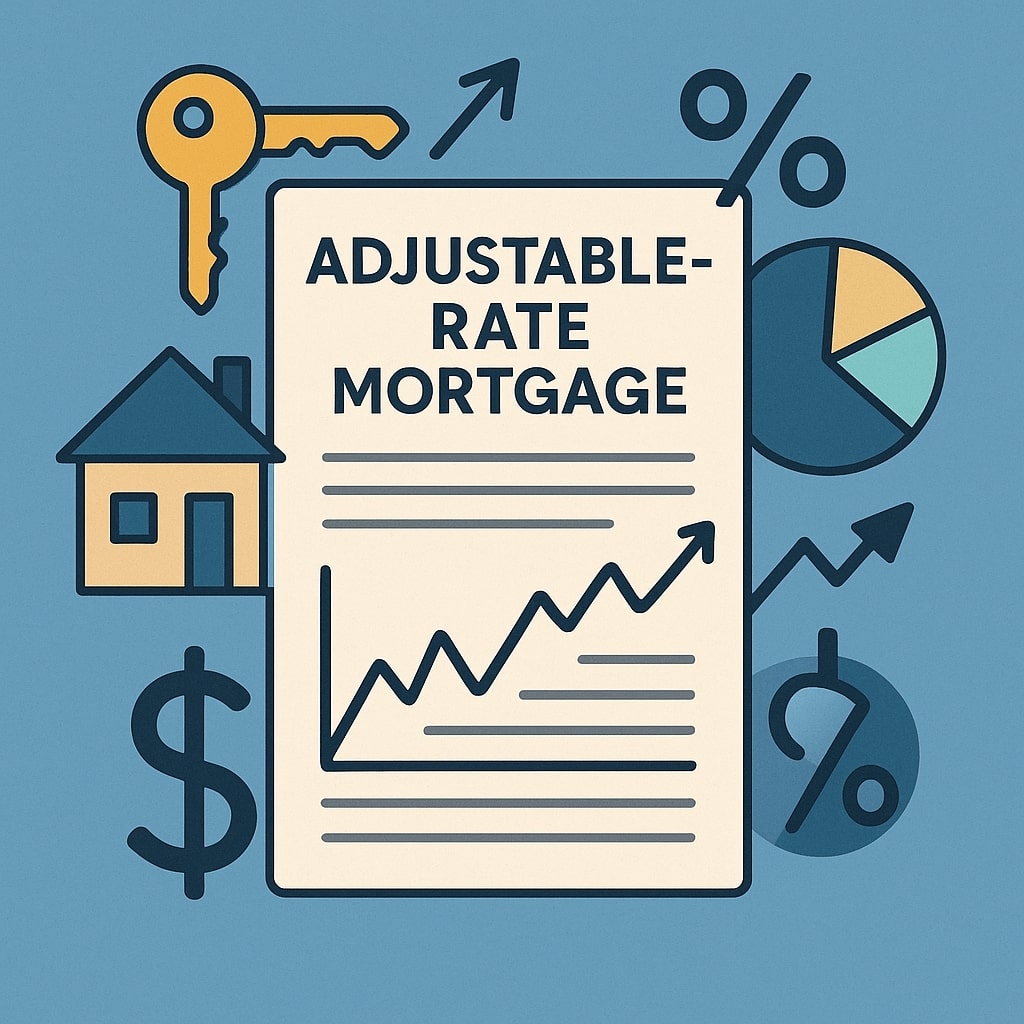



Refinance Mortgage Rates Today: The Complete Utah Homeowner Guide


When Should I Refinance My Mortgage?

When you should refinance your mortgage depends on your current interest rate, equity, and future plans.

The best time to refinance a mortgage is typically when refinance mortgage rates today are significantly lower than your existing rate and you plan to stay in the home long enough to recover refinance mortgage closing costs.

Homeowners also wonder, how soon can you refinance a mortgage. In many cases, refinancing is possible after six months, though loan type matters.

If you paused payments, refinance mortgage after forbearance may require proof of resumed on-time payments.


Is Refinancing a Mortgage Worth It?

Whether refinancing a mortgage is worth it depends entirely on your financial goals.

Many borrowers refinance their mortgage to lower their monthly payment and create more room in their budget. Others choose to refinance to shorten their loan term, helping reduce the total interest paid overtime.

If your home has appreciated in value, refinancing may also allow you to remove PMI, which can significantly decrease your monthly costs.

Homeowners with strong equity might consider a cash-out refinance to access funds for other financial goals. Before moving forward, be sure to review cash-out refinance requirements, including minimum equity and credit score guidelines.


Refinance Mortgage Process Step by Step

Understanding the refinance process step by step makes it smoother.

  1. Compare refinance mortgage rates today
  2. Estimate refinance mortgage closing costs
  3. Submit income and credit documentation
  4. Complete underwriting
  5. Close on your new loan

Some homeowners ask about refinancing without an appraisal, which may be available in streamline programs. Others explore no-income verification options, though these are limited.


Refinance FHA Loan to Conventional

Many Utah homeowners choose to refinance an FHA loan into a conventional loan after building sufficient equity. This move can eliminate long-term mortgage insurance and provide greater loan flexibility.

It also works well for those looking to remove PMI and leverage increased home value to strengthen their approval and overall loan terms.


Refinance Mortgage vs Home Equity Loan

When comparing refinance mortgage vs home equity loan, remember:

● A refinance replaces your existing loan.
● A home equity loan adds a second lien.

If you have multiple loans, you may need to refinance your second mortgage or combine both into one new loan.


Refinancing with Credit or Income Challenges

It is possible to refinance a mortgage with bad credit, though rates may be higher. Improving your credit score before applying can improve results.

Similarly, refinance a mortgage with low income depends on your debt-to-income ratio. Entrepreneurs seeking to refinance mortgage while self-employed must typically provide additional documentation like tax returns.

If you have education debt, refinance mortgage with student loans may require lenders to
factor those payments into your qualification review.


Refinance Mortgage After Major Life Events

Life changes don’t automatically disqualify you.

● Refinance mortgage after bankruptcy is possible after waiting periods.
● Refinance mortgage after divorce is common when removing a spouse from the loan.
● Refinance mortgage with late payments may require recent clean payment history.
● Refinance mortgage after forbearance typically requires resumed on-time payments.

Understanding lender guidelines is essential in these scenarios.


Final Thoughts on Today’s Refinance Mortgage Rates

Ultimately, deciding whether refinancing a mortgage is worth it comes down to your financial goals.

Ask yourself:
● Should I refinance my mortgage to lower my monthly payment?
● Is it better to refinance a mortgage to shorten loan terms?
● Do I meet cash out refinance requirements?
● Will I recover refinance mortgage closing costs?
● Is now the best time to refinance a mortgage?

By reviewing today’s refinance rates and aligning them with your long-term goals, you can make a confident financial decision.


Utah First Time Home Buyer Programs: 2026 Roadmap to Homeownership

Utah first time home buyer meeting with mortgage advisor discussing loan programs.

The dream of owning a home in the Beehive State is more achievable than many realize, especially with the current Utah housing market forecast 2026 indicating a shift toward a more balanced environment. After years of rapid price escalation, inventory has stabilized, and buyers finally have more room to breathe. However, the most common question remains: Is now a good time to buy a house in Utah? For those prepared to leverage state resources, the answer is a resounding yes. By understanding the various Utah first time home buyer programs, you can navigate the path from renting to owning with financial confidence.

How to Qualify for a Mortgage in Utah and Secure Your Financing

Before you begin touring neighborhoods, you must understand the financial benchmarks required by local lenders. Learning how to qualify for a mortgage in Utah starts with a deep dive into your credit health. The minimum credit score for mortgage in Utah typically ranges between 580 and 620 depending on the loan type, though a higher score will always unlock more competitive interest rates.

To gain a competitive edge, you should initiate the Utah home loan prequalification process as early as possible. This preliminary step gives you a ballpark figure of your borrowing power. However, in a serious market, a formal mortgage pre approval Utah is the “gold standard.” This document proves to sellers that a lender has fully vetted your financial documents and is ready to fund your purchase. During this phase, many buyers ask, “how long does mortgage approval take in Utah?” Generally, once you are under contract, the full underwriting process takes between 30 and 45 days.

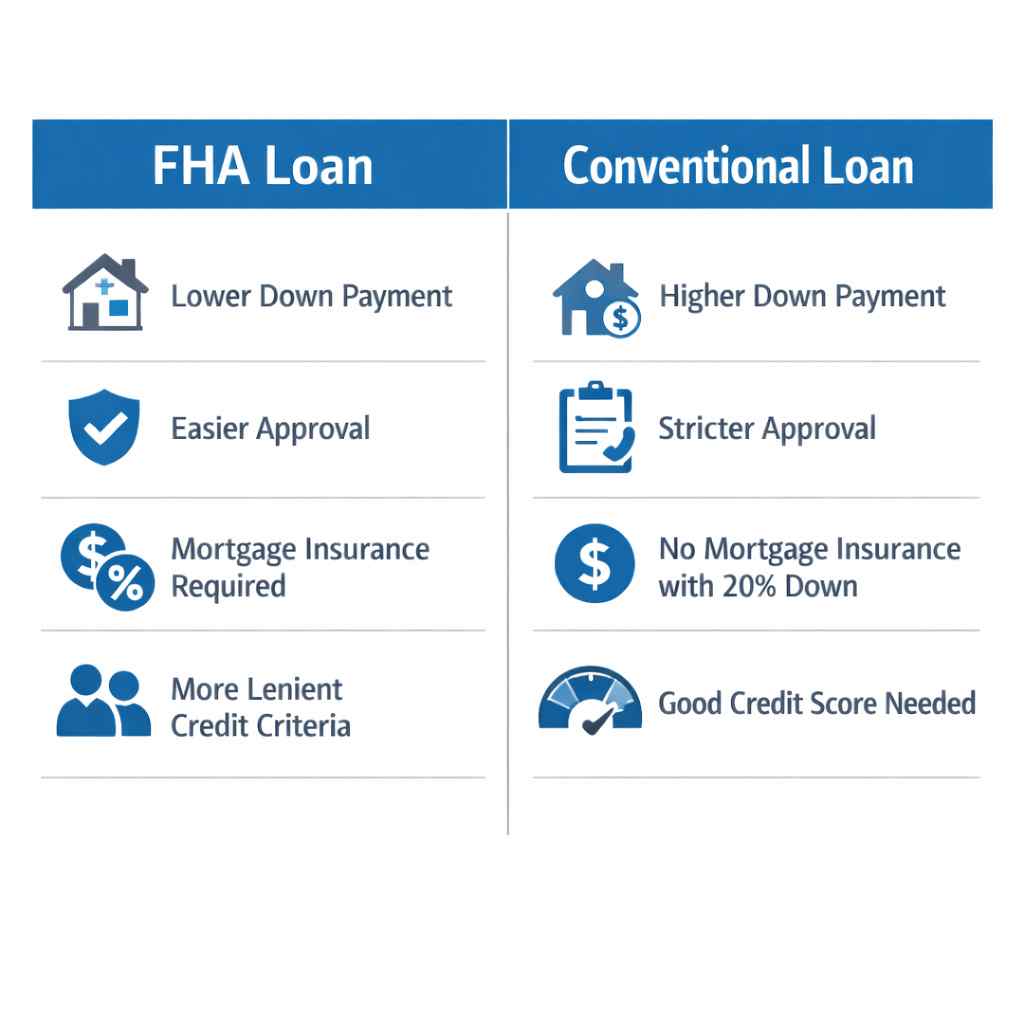
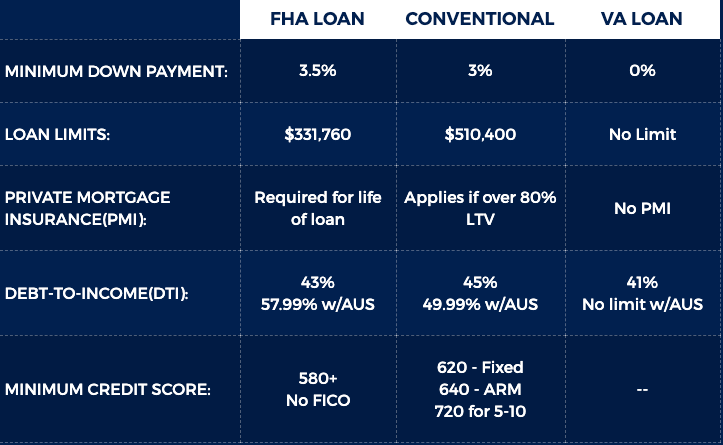
Choosing the right loan product is equally vital. Most buyers weigh the pros and cons of an FHA vs conventional loan Utah. An FHA loan is excellent for those with lower credit scores or smaller down payments, while conventional loan requirements Utah often demand a slightly higher credit profile but may offer lower long-term costs. For specific groups, there are specialized paths:

  • Utah VA loan eligibility: Veterans and active-duty members can often buy with $0 down.
  • Utah rural development loan requirements: Those looking in less populated areas may qualify for zero-down USDA financing.
Visual comparison of FHA and conventional loan options for Utah home buyers.

Utah Home Buying Process Step by Step: From Search to Closing

Navigating the Utah home buying process step by step requires a blend of patience and preparation. Once you have secured your pre-approval, the next step is determining your budget. Use a Utah mortgage calculator to look beyond the listing price and understand the full monthly impact of your investment. This tool will help you answer the critical question: “How much house can I afford in Utah?”

When calculating your budget, don’t forget to account for the average mortgage payment in Utah, which includes principal, interest, taxes, and insurance (PITI). As you monitor the market, keep a close eye on Utah mortgage rates today. In early 2026, 30 year fixed mortgage rates Utah have stabilized, offering a more predictable environment than the volatility seen in previous years. You will also need to decide between a fixed vs adjustable mortgage Utah. While a fixed rate offers a “set it and forget it” stability, an adjustable-rate mortgage (ARM) might offer a lower initial rate if you plan to move or refinance within a few years.

As you approach the finish line, you must prepare for closing costs in Utah. These fees, which cover everything from title insurance to appraisals, typically range from 2% to 5% of the home’s purchase price. To ensure you aren’t overwhelmed by these upfront costs, work with the best mortgage lenders for first time buyers Utah who can help you structure your offer to potentially include seller concessions or lender credits.

Illustration representing down payment assistance programs for first time home buyers in Utah.

Maximizing First Time Home Buyer Grants Utah and Assistance

The most powerful tool in a new buyer’s arsenal is the availability of first time home buyer grants Utah residents can access. The state government and local municipalities have recognized the affordability challenge and created robust down payment assistance Utah initiatives.

One of the most popular programs is the “silent second” mortgage offered through the Utah Housing Corporation, which can provide the funds needed to cover your initial down payment or closing costs. These programs are often designed to work in tandem with other local first time home buyer grants Utah, effectively lowering the barrier to entry. For example, some cities offer forgivable loans if you stay in the home for a set number of years.

Even after you’ve successfully closed on your home, your financial strategy shouldn’t stop. As market conditions change, keep an eye on Utah refinance options for first time buyers. If interest rates drop significantly after your purchase, refinancing can help you lower your monthly payment or eliminate private mortgage insurance (PMI) more quickly as your home equity grows.

Conclusion: Securing Your Future in Utah

The 2026 market presents a unique opportunity for those who are well-informed and ready to act. By mastering the Utah home buying process step by step and taking full advantage of Utah first time home buyer programs, you can secure a home that fits both your lifestyle and your budget. Whether you are aiming for a zero-down path through Utah VA loan eligibility or seeking the best down payment assistance Utah has to offer, the resources are there to support you. Start your journey today by speaking with a local expert to begin your mortgage pre approval Utah and turn the dream of homeownership into a reality.

Best Mortgage Lenders for Self-Employed and Bank Statements

Sunset over Salt Lake City Valley, suburban Neighborhood

Self-employed borrowers face unique challenges when qualifying for a home loan. Traditional underwriting models were built for salaried employees, not entrepreneurs with fluctuating income. Fortunately, programs like bank statement home loans and other Non-QM options now make being self-employed and getting a mortgage far more accessible.

If you’ve been wondering, can a self-employed person get a mortgage? — This guide explains exactly how.

 Bank Statement Home Loans for Self-Employed Borrowers

A mortgage for the self-employed with bank statements allows borrowers to qualify using 12–24 months of bank deposits instead of tax returns.

Unlike conventional loans, bank statement mortgage loans calculate income based on actual deposits, not net income after deductions. This makes them ideal for business owners who maximize write-offs.

How Bank Statement Mortgage Lenders Calculate Income

Self-employed borrower qualifying for bank statement mortgage loans

Most bank statement mortgage lenders:

  • Review 12–24 months of personal or business bank statements
  • Apply an expense ratio (often 50%)
  • Average monthly deposits to determine qualifying income

This structure makes bank statement home loans one of the most popular options among the best mortgage lenders for self-employed borrowers.


Best Mortgage Lenders for Self Employed in 2026

Choosing the best mortgage lenders for self employed borrowers requires finding lenders that specialize in Non-QM products.

When comparing lenders, consider:

  • best bank statement mortgage lenders
  • best no doc mortgage lenders
  • best non qm lenders
  • best mortgage company for self employed
  • best lender for self employed
  • best mortgage broker for self employed
  • best mortgage provider for self employed

The best in mortgage lenders for entrepreneurs understand fluctuating income and business deductions.

Internal Link Suggestion

If you have a Non-QM page, link like this:

Explore all Non-QM options here:
https://www.yourwebsite.com/non-qm-mortgage-programs

Desktop Underwriting vs Manual Underwriting

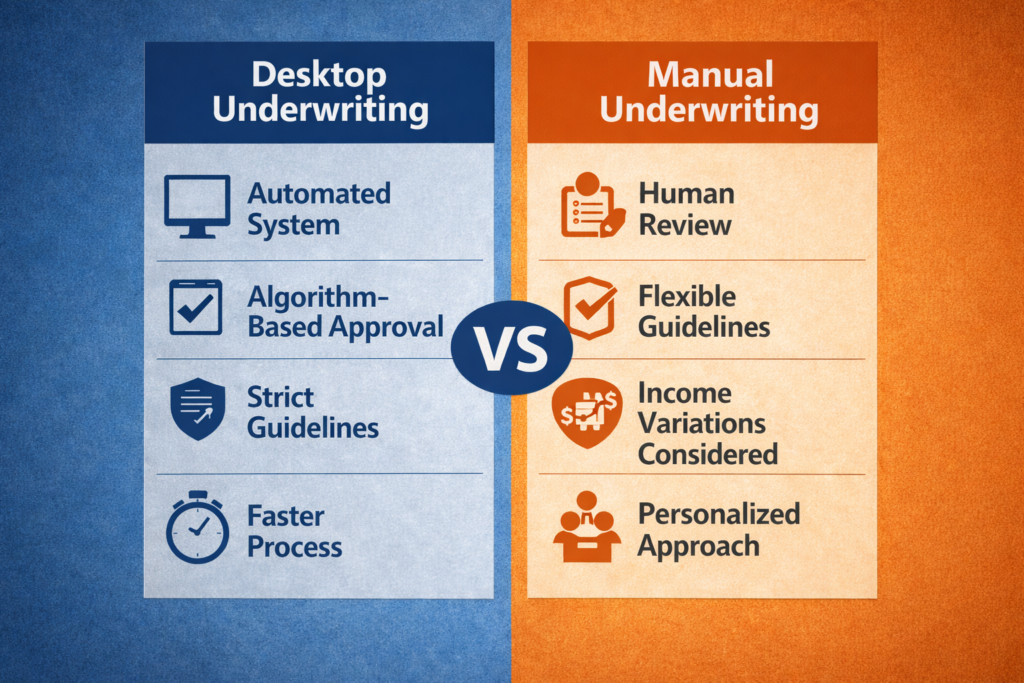
Understanding Desktop Underwriting vs Manual Underwriting can dramatically affect approval outcomes.

Desktop Underwriting vs Manual Underwriting comparison for self employed mortgage

Desktop Underwriting (DU)

  • Strict documentation requirements
  • Automated approval system
  • Used for conventional loans

Manual Underwriting

  • Human review process
  • Greater flexibility
  • Ideal for self-employed borrowers

Many of the best home lenders for self-employed use manual underwriting when income is complex.

DSCR Loans for Real Estate Investors

If you own rental property, DSCR loans for real estate investors may be better than income-based loans.

Instead of verifying personal income, lenders qualify you based on rental property cash flow.

This makes DSCR programs a strong offering from the best non qm lenders.

Internal Link Suggestion

Learn more about DSCR loan programs here:
https://www.yourwebsite.com/dscr-loans-for-real-estate-investors

Anchor text suggestion: DSCR loans for real estate investors

 ITIN Home Loans for Non-Citizens

Self-employed borrowers without a Social Security number may qualify for ITIN home loans for non-citizens.

These programs:

  • Accept Individual Taxpayer Identification Numbers
  • Often paired with a bank statement, mortgage lenders
  • Provide alternative documentation options

Best Mortgage Refinance for Self-Employed Borrowers

Refinancing can help entrepreneurs access equity or lower rates.

Borrowers often search for:

  • best mortgage refinance companies for self-employed
  • best mortgage refinance for self employed
  • best refinance companies for self employed
Best mortgage refinance for self employed borrower reviewing loan documents

If your tax returns show limited income due to deductions, refinancing with bank statement mortgage loans may offer better qualification terms.

The best mortgage for self employed borrowers depends on the income structure.

You may prefer:

  • bank statement, home loan,s if you maximize deductions
  • DSCR loans for real estate investors if you scale rental properties
  • ITIN home loans for non-citizens if you lack an SSN
  • Manual underwriting if automated systems decline your file

If you previously researched the best mortgage for self employed 2021 or best mortgage for self employed 2022, you’ll find that today’s programs are more flexible and competitive.

Working with the best home loan lenders for self-employed individuals ensures your application is structured correctly from the beginning.

 Can a Self-Employed Person Get a Mortgage?

Yes — and more options exist than ever before.

Whether you’re comparing:

  • bank statement mortgage lenders
  • best mortgage lenders for self employed
  • best no doc mortgage lenders
  • best mortgage provider for self employed
  • best refinance companies for self employed

There is a solution that aligns with your business income.

If you’re serious about qualifying, start by speaking with the best lender for self-employed borrowers who understands how entrepreneurs earn, deduct, and grow income.

Current Mortgage Rates in Utah

If you are shopping for a home or considering refinancing, understanding current mortgage
rates in Utah is essential. Rates shift daily based on inflation, Federal Reserve policy, and
overall economic conditions. Monitoring Utah mortgage rates today, along with national
mortgage rates today, can help you lock in the best possible loan terms and reduce your
long-term costs.
Right now, both mortgage interest rates today and housing interest rates today remain
sensitive to inflation data and bond market movements. Borrowers should also compare current
mortgage rates, fixed mortgage rates today, and mortgage interest rates now to determine
whether a fixed or adjustable loan makes more financial sense.

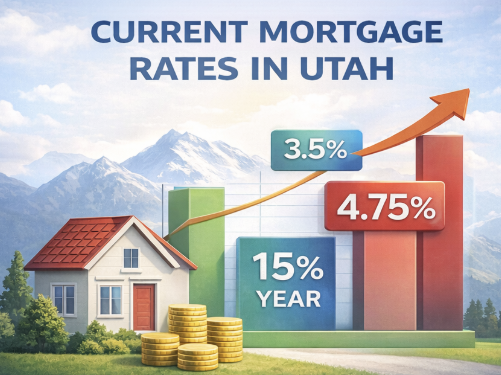
Current mortgage rates in Utah including 30 year and 15 year mortgage rates.

Evaluating Refinance Rates and Utah Housing Market Trends

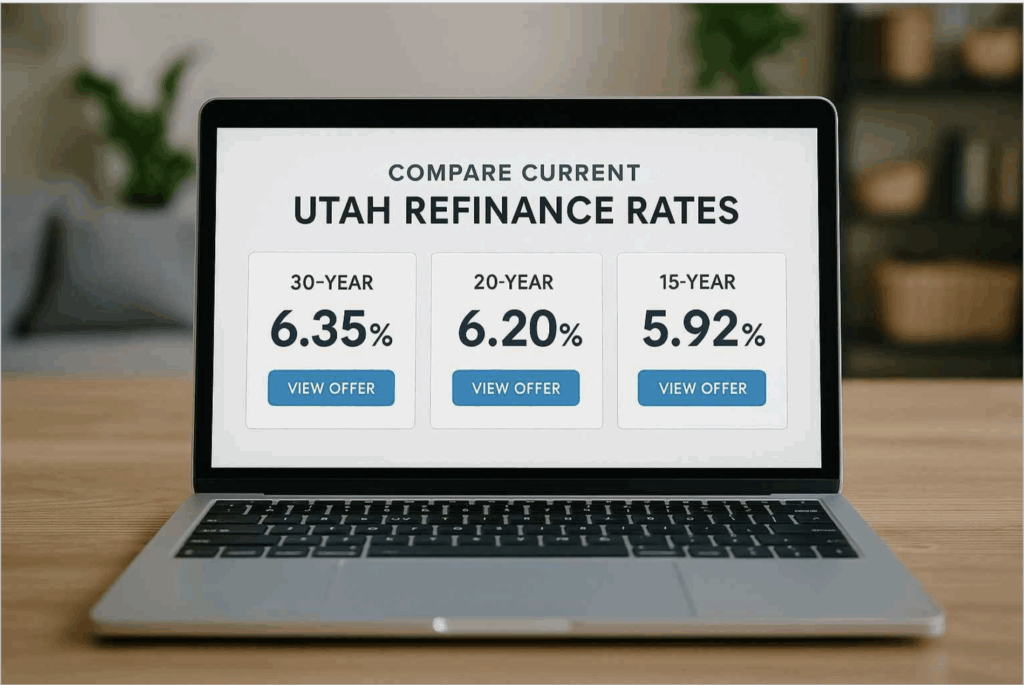
Those exploring mortgage and refinance options should evaluate refinance mortgage rates and
15 year mortgage refinance rates carefully. Even a small reduction in mortgage interest rates
today can significantly lower an average monthly mortgage payment over time. Keeping an
eye on housing interest rates today and broader Utah housing market interest rates is critical.

Understanding Mortgage Pre-Approval in Utah

Before making an offer on a home, buyers should understand how to get pre approved for a
home loan. A Utah mortgage pre approval provides clarity on budget and strengthens purchase
offers. If you are wondering how I can get pre-approved for a home loan, lenders will review
income, credit history, debt, and assets to provide a mortgage loan pre approval estimate.
Knowing where to get a preapproval for a mortgage — such as local banks, credit unions, or
online lenders — can help you secure the best mortgage rates in Utah.

Utah mortgage pre-approval process checklist for first-time home buyers.

Utah Mortgage Refinance Rates in 2025: How to Compare, Save, and Decide If Now Is The Right Time

Utah home with overlay of mortgage refinance rates chart
Utah couple reviewing mortgage refinance documents at home

Utah Mortgage Rates 2025: How to Compare, Save, and Decide If Now Is The Right Time

If you own a home in Utah, you already know how closely Utah Mortgage Rates 2025 influence refinancing decisions. Whether you want to lower payments, shorten your term, or tap into equity, understanding today’s Utah mortgage interest rates can shape your financial strategy for the year.

In this article, we’ll compare current interest rates, review loan types, explore rate predictions, and help you decide whether refinancing in 2025 makes sense for your situation.


A Snapshot of Today’s Utah Mortgage Market

Rates shift constantly, and Utah mortgage refinance rates today are shaped by inflation, investor demand, and Federal Reserve policy. Utah has experienced rate movements similar to national trends, leaving many homeowners wondering whether they should refinance now or wait.

Here’s a quick overview of Utah Mortgage Rates 2025:

  • 30-year mortgage rates Utah continue to offer predictable payments.
  • 15-year mortgage rates Utah are often lower and reduce total interest paid.
  • FHA, VA, and jumbo refinance rates provide tailored solutions based on your eligibility.

Outbound Link:
Federal Reserve Policy Updates: https://www.federalreserve.gov/monetarypolicy.htm


Why Comparison Matters for Utah Mortgage Rates 2025

A quick look at advertised rates isn’t enough. A true mortgage refinance rate comparison helps you avoid leaving thousands in potential savings behind.

Even a 0.25% difference in rate can significantly impact long-term costs.

Your best refinance offer depends on:

  • credit score,
  • equity,
  • loan type, and
  • your existing interest rate.

If you’re shopping online, compare lowest refinance rates Utah but always check lender fees and closing costs.

Internal Link:
Compare Utah lenders → /finding-best-mortgage-lenders-near-you/


Different Types of Refinance Options in Utah

Understanding loan types is key when evaluating Utah Mortgage Rates 2025.

  • Utah FHA refinance rates: Flexible requirements for credit and equity.
  • Utah jumbo loan rates: Designed for higher-value homes; rates vary widely.
  • Utah VA refinance rates: Excellent options for veterans, offering low fees and flexible terms.

Utah home with overlay of mortgage refinance rates chart

Fixed vs. Variable Utah Mortgage Rates 2025

Choosing between fixed and adjustable rates depends on your long-term plans.

  • Fixed rates provide stability throughout your mortgage term.
  • Variable (ARM) rates may start lower but can rise with market fluctuations.

If you expect to sell or refinance within a few years, a variable rate can offer short-term savings. But for most homeowners in 2025, fixed rates offer predictable budgeting.


Timing the Market: Is 2025 the Right Time to Refinance?

Homeowners frequently ask, “Is now a good time to refinance in Utah?”

If you originally bought your home when rates were high, refinancing into lower Utah Mortgage Rates 2025 can greatly reduce monthly payments.

Looking ahead, forecasts suggest Utah refinance rates may remain steady with slight fluctuations depending on inflation and Federal Reserve decisions.

Outbound Link:
Mortgage Market Data (Freddie Mac): https://www.freddiemac.com/pmms


How to Compare Refinance Rates in Utah

Here’s how to compare Utah mortgage refinance rates effectively:

  1. Check daily updates on Utah mortgage interest rates.
  2. Get 3–5 lender quotes for accurate comparisons.
  3. Understand closing costs before selecting the “lowest” rate.
  4. Use refinance calculators to measure long-term impact.
  5. Focus on total savings, not just the interest rate.

Internal Link:
Use our Utah refinance calculator → /mortgage-calculator-tutorial/


Final Thoughts

2025 continues to be a strong year for Utah homeowners considering a refinance. By tracking Utah Mortgage Rates 2025, comparing loan products, and evaluating long-term savings, you can select a refinance path that strengthens your financial future.

The right refinance doesn’t just reduce your payment — it helps your mortgage work for you.

Utah Mortgage Rates Today – Compare Best Rates, Generous Loans, & Helpful Refinance Tools

Utah Mortgage Rates Today- Compare Rates, loans, and Refinance

Current Utah Mortgage Rates

If you’re looking to buy a home or refinance, understanding Utah mortgage rates today is essential. Rates fluctuate daily based on national trends, inflation, and your personal financial profile. As of mid-2025, 30-year mortgage rates in Utah are around 6.75%, while 15-year mortgage rates average 6.1%.

Use a mortgage rate calculator to estimate your specific rate, or get a custom mortgage quote from local mortgage lenders in Utah.

Image Placement Note

“Utah homes with mortgage rate chart overlay”


Use a Mortgage Calculator to Plan Your Budget

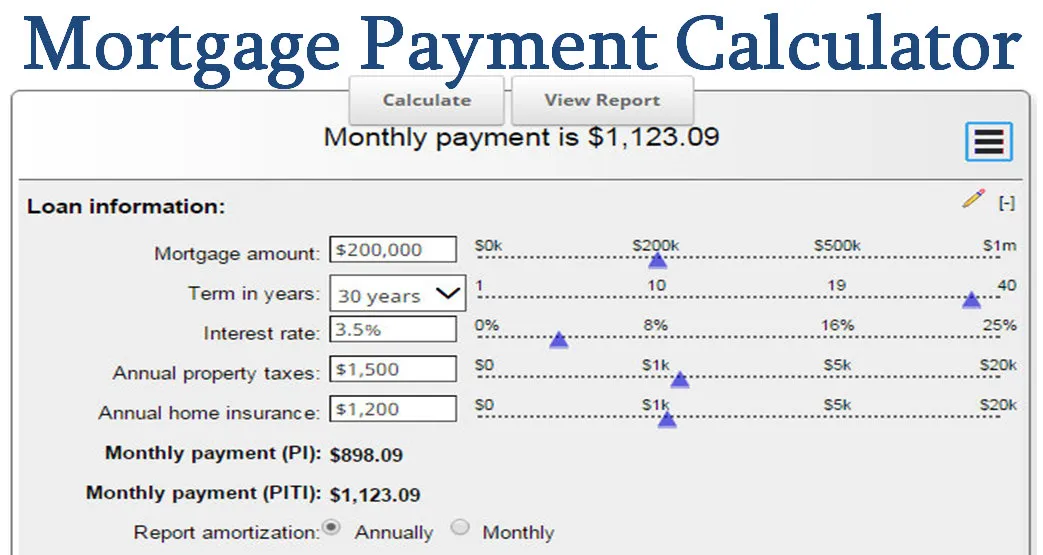
Before you apply, try our mortgage calculator to calculate monthly payments. This tool factors in loan amount, term, rate, property taxes, and insurance. You can also explore a:

  • Mortgage payment calculator
  • Mortgage affordability calculator
  • Refinance calculator
  • Mortgage pre approval calculator
  • VA loan calculator

Each of these tools can help you decide how much house you can afford.

Image Placement Note

“Visual of mortgage calculator inputs and monthly breakdown”


Types of Home Loans in Utah

Choosing the right loan helps you save money over time. Here’s a breakdown:

  • Conventional Loans: Ideal for borrowers with strong credit.
  • FHA Loans: Designed for first-time buyers with low down payments.
  • VA Home Loans: Available to veterans and active-duty military. Try a VA loan calculator to estimate savings.
  • USDA Loans: Zero-down options for rural and suburban homebuyers.
  • Jumbo Loans: Used for high-value homes exceeding $726,200.

Be sure to compare home loan interest rates to find the best fit.

Image Placement Note

“Chart showing FHA vs VA vs conventional loan features”


Refinance Options to Lower Your Payments

Already a homeowner? Explore refinance home loan options:

  • Lower your rate
  • Shorten loan term
  • Switch to a fixed rate
  • Take cash out (see cash out refinance calculator)

Popular choices include:

  • FHA Streamline refinance
  • VA refinance (IRRRL)
  • Cash out refinance
  • Traditional refinance mortgage rates

Compare refinance rates from multiple mortgage lenders Utah to find the best offer.


Tap Your Equity With a Home Equity Loan

Looking for funds to renovate or pay off high-interest debt? Consider a home equity loan or home equity line of credit (HELOC). Tools like a home equity loan calculator and heloc rates checker can help you evaluate payment plans.

Compare home equity loan rates and read the terms carefully.


Get Pre-Approved & Shop With Confidence

A mortgage pre approval gives you a competitive edge when placing an offer on a home. Most lenders allow you to get pre approved for a mortgage online in minutes.

Also explore:

  • Prequalify for home loan
  • Get prequalified for a mortgage
  • First time home buyer programs

Find the Best Mortgage Lenders in Utah

Whether you’re looking for the best mortgage companies or a mortgage broker near me, make sure they offer:

  • Transparent interest rates today
  • Fast pre-approvals
  • Clear closing cost estimates

Search reviews, ask questions, and compare at least three offers to secure your best deal.

Sources and Other helpful Links
View Today’s Utah Mortgage Rates
https://www.mortgagerateutah.com/mortgage-rates


Compare National Mortgage Rates
https://www.bankrate.com/mortgages/mortgage-rates/

Mortgage Estimator Refinance | Calculate Your Savings with Today’s Rates

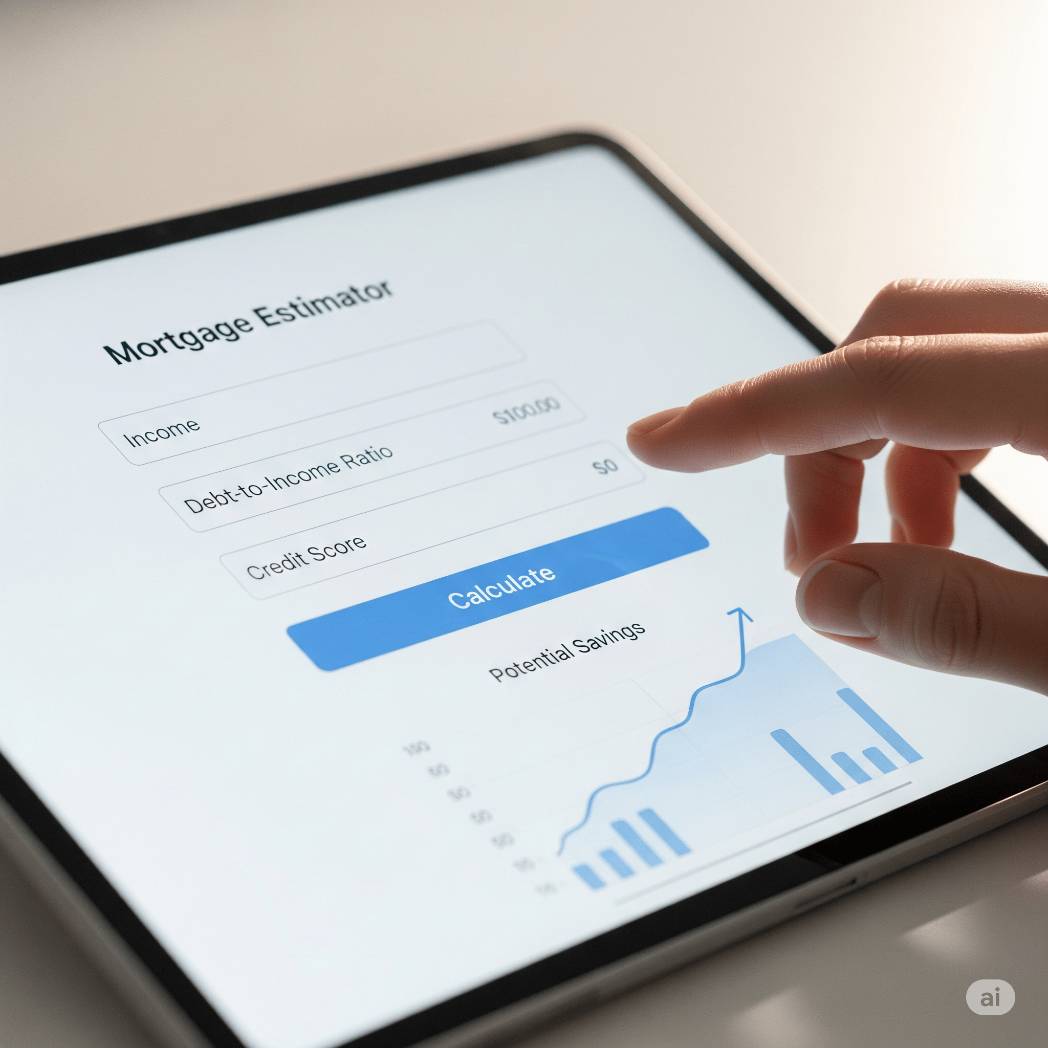
Use our mortgage refinance estimator to calculate savings. See how income, rates, and loan options affect your monthly payment.

Mortgage Estimator by Income

Current Home Interest Rates Today

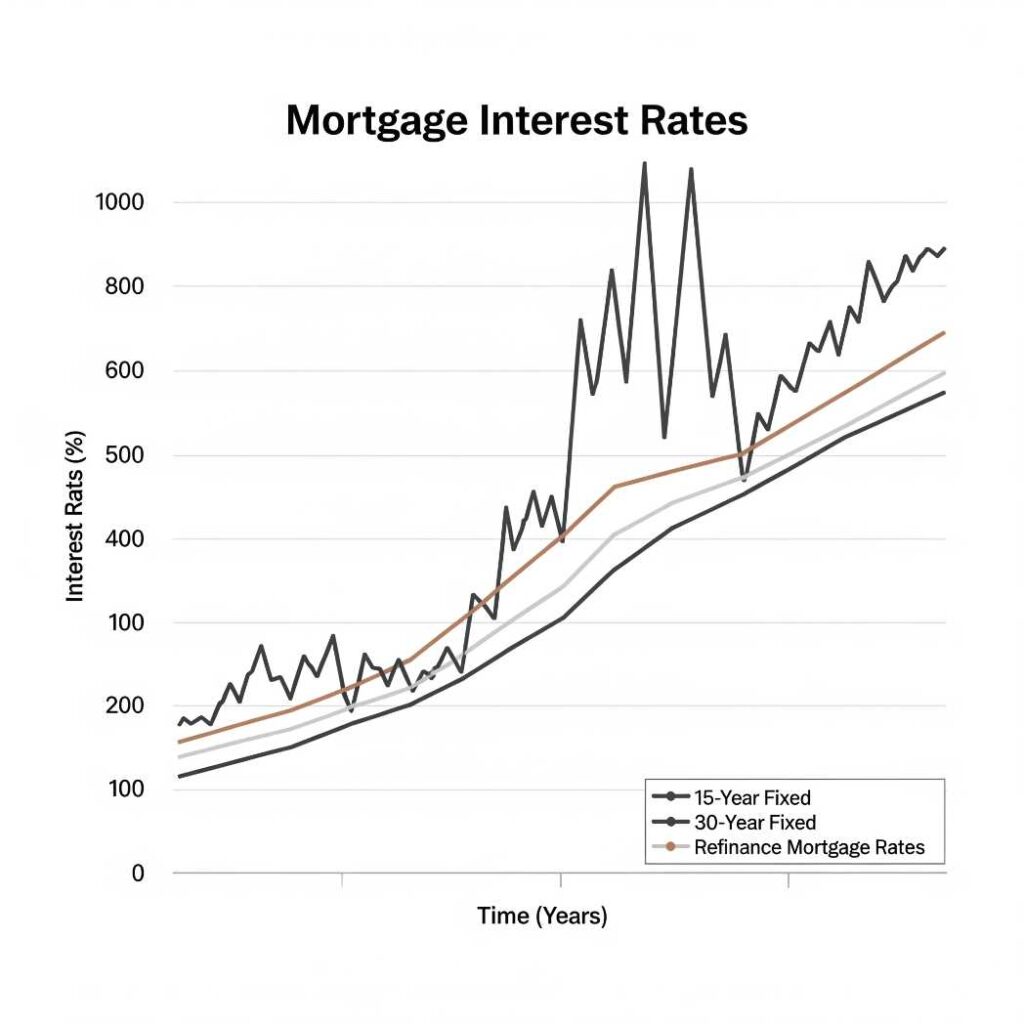
Understanding the market is essential. Current home interest rates today are influenced by various economic factors, including inflation, Federal Reserve actions, and housing market trends. As of this week, 30-year fixed mortgage rates today and 15-year mortgage rates today are showing slight increases, while refinance rates today remain competitive.

Mortgage Rates Chart: Visualizing the Trends

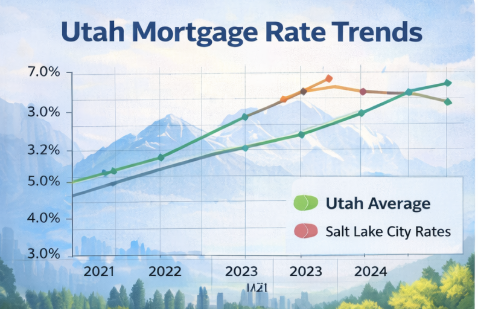
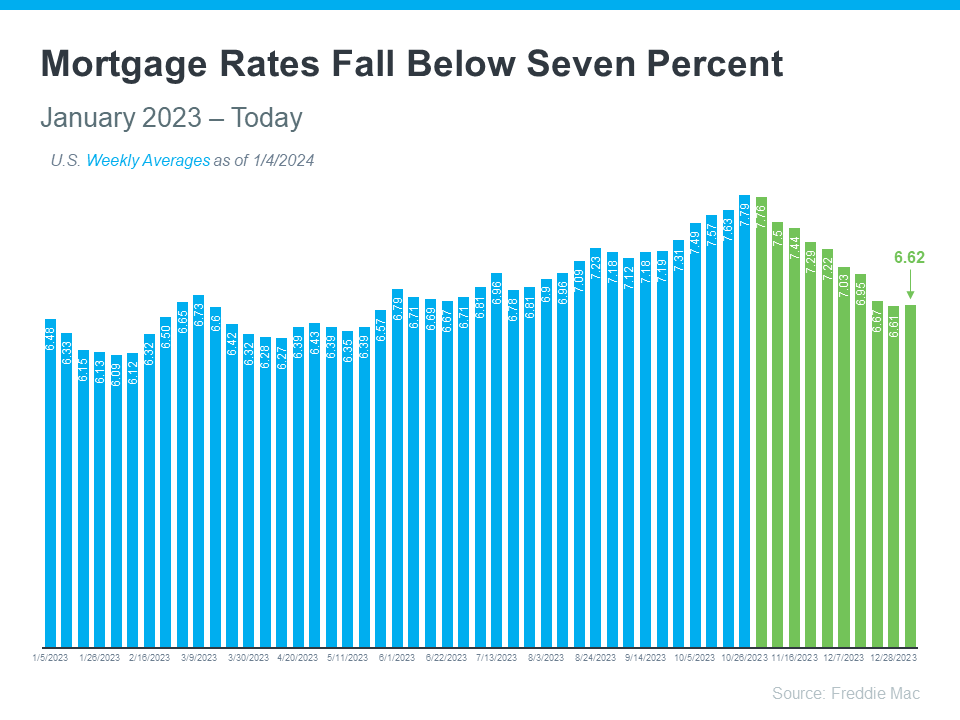
A line chart displaying interest rates over time, comparing 15 year fixed, 30 year fixed, and mortgage refinance rates

First-Time Buyers: Best Mortgage Rates Today

If you’re a first-time buyer, finding the best mortgage rates today might seem overwhelming. Fortunately, some lenders offer special terms for current home interest rates for first time buyers, which can include lower down payments or relaxed credit requirements.

Refinancing Mortgage Rates Today: What You Need to Know

The process of refinancing starts with comparing refinancing mortgage rates today across lenders. Utilize a refinance mortgage estimator to see your potential savings. When using this tool, don’t forget to consider additional factors like loan term, closing costs, and whether you’re doing a cash-out refinance.

Refinance or Not? Use a Refinance Calculator

A mortgage rates refinance calculator helps homeowners compare current rates to their existing mortgage. For instance, if your original loan had a 6% interest rate and today’s home loan refinance rates offer 5%, you might save thousands in interest over the life of your loan.

Understanding Loan Types When Refinancing

Not all refinance loans are created equal. Beyond just comparing interest rates mortgage refinance options, it’s important to choose the right loan product:

  • FHA Streamline Refinance
  • VA Interest Rate Reduction Refinance Loan (IRRRL)
  • Conventional Loan Refinance

Final Thoughts: Use a Home Mortgage Refinance Estimator Today

Don’t leave money on the table. A home mortgage refinance rates today search paired with a reliable refinance home loan rates today calculator can provide clarity and confidence.

Modern house with financial growth charts.

Mortgage Rates 2025: Complete Guid to Mortgage Loans and Refinancing

When exploring mortgage rates 2025, it’s crucial to understand your options for home mortgage loans, refinancing, and government programs. Whether you’re starting a loan application or considering mortgage refinancing, this guide covers everything from using a mortgage calculator to choosing the best mortgage broker for your needs.

How to Qualify for a Mortgage Loan in 2025

If you’re planning to buy a home, knowing how to qualify for a mortgage loan is essential.
Lenders look closely at your:

  • Credit score
  • Debt-to-income ratio
  • Employment history
  • Savings and assets finance

Using a mortgage calculator helps you determine what monthly payment you can
comfortably afford. For buyers asking, is 7% interest rate too high?, the answer depends on your financial situation and housing market trends. Some borrowers lock in rates now to avoid further
increases, while others wait for rates to drop.

What Is the Best Type of Loan to Get for a House?

Many wonder, what is the best type of loan to get for a house? Options include:

  • Conventional loans: Ideal for good credit and bigger down payments
  • FHA loans: Lower credit score requirements. Check FHA loan qualification
    requirements
  • VA loans: No down payment for those who qualify to VA loans
  • Jumbo loans: Required for amounts exceeding the mortgage jumbo loan limit

Even a mortgage on $250,000 loan varies in cost depending on loan type and rate.
For second homes, keep an eye on second home financing rates, which are usually higher than primary residence rates.

Mortgage and Refinance Interest Rates Today

Checking mortgage and refinance interest rates today helps you plan. Experts predict fluctuations in mortgage rates 2025 due to economic changes, inflation, and Fed policies. If you’re refinancing, be aware that the market can feel mortgage refinancing unsteady, but opportunities still exist.
Always ask lenders.

  • What is the interest rate on a mortgage loan?
  • What’s the process for an interest rate and rate lock?
  • Are there prepayment penalties?

Sometimes homeowners explore how to change mortgage companies to find better terms, but it usually requires a new loan application.

Exploring Government Loans or Grants

If you’re researching how to get a government loan or grant, consider these programs:

  • HUD for first-time buyers
  • USDA loans for rural properties
  • State housing grants

Even when applying for grants, your financial profile — including your assets finance — plays a role.

Options for Homeowners with Bad Credit

If your credit isn’t perfect, there are still paths forward. Mortgages for bad credit and unconventional mortgage loans with bad credit (also called non-QM loans) help borrowers who don’t fit traditional guidelines.
Non-QM lenders may consider:

  • Bank statements instead of tax returns
  • Higher debt-to-income ratios
  • Alternative income sources

Before applying, follow a home loan pre-approval checklist to gather documents like pay stubs, W-2s, tax returns, and bank statements.

Using Technology and Brokers to Simplify Your Mortgage

Digital tools like Rocket Mortgage home equity loans make the process faster. But working with the best mortgage broker can help you navigate loan products, interest rates, and closing costs more effectively.

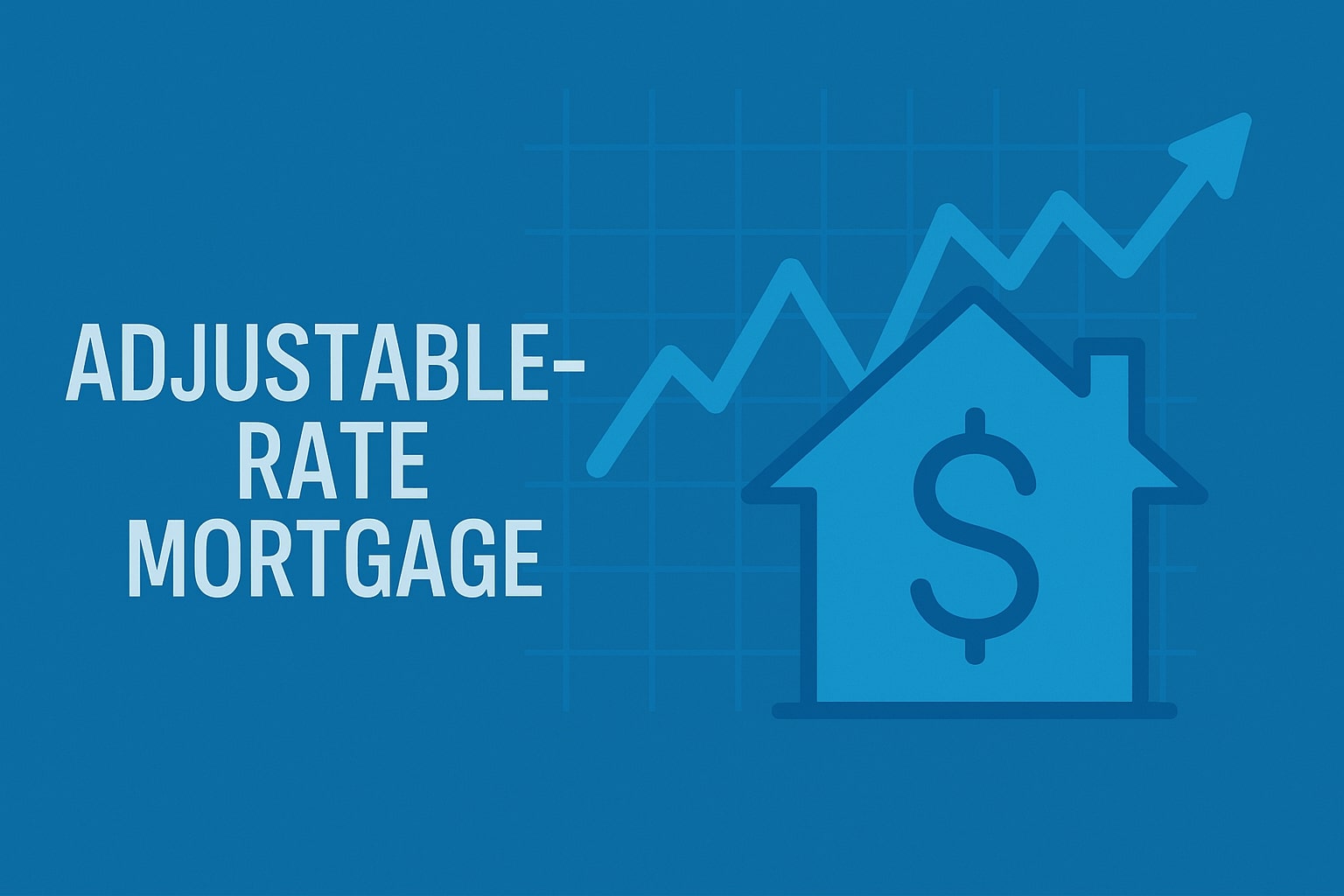
Adjustable-Rate Mortgages in Utah: Which Is Best for You?

Choosing the Right Mortgage in Utah

When buying a home in Utah, one of the most important decisions you’ll face is choosing
between a fixed-rate mortgage and an adjustable-rate mortgage (ARM). With interest rates
fluctuating and the Utah housing market growing rapidly
, understanding the pros and cons of
each can help you make a smart, long-term financial decision.
In this article, we’ll walk through the key differences between fixed and adjustable loans, how
adjustable-rate mortgages work, and whether an ARM might be right for you. Whether you’re a
first-time home buyer or looking to refinance your home loan, we’ll help you decide with
confidence.

What Is an Adjustable-Rate Mortgage (ARM)?

An adjustable-rate mortgage (ARM) is a type of home loan where the interest rate changes over
time. Unlike a fixed-rate mortgage, which keeps the same interest rate for the entire term, ARMs
begin with a low introductory rate for a set period—usually 5, 7, or 10 years—before adjusting
annually based on current mortgage interest rates.
For example, a 5/1 ARM offers a fixed rate for the first five years, then adjusts every year based
on the market. These adjustments are tied to mortgage index rates and can move your monthly
payment up or down.

Why Are ARMs Popular in Utah Right Now?

With mortgage rates today on the rise, many buyers in Salt Lake City, Ogden, and Lehi are turning to ARMs for affordability. The lower introductory rate can make monthly payments more manageable—especially if you plan to move or refinance before the adjustment period.

ARM vs. Fixed-Rate Mortgage: Key Differences

Let’s compare adjustable-rate mortgages with fixed-rate options using some of the most
searched mortgage-related terms:

FeatureAdjustable-Rate Mortgage (ARM)Fixed-Rate Mortgage
Initial RateLowerTypically higher
Monthly PaymentMay increaseStable
Rate StabilityChanges after intro periodConstant
Best ForShort-term, flexible buyersLong-term, stable income

Use a mortgage payment calculator or home loan calculator to estimate how these differences affect your budget.

When to Consider an ARM in Utah

An ARM may be a smart choice if:

  • You plan to move or refinance your home loan within 5–7 years.
  • You expect mortgage rates to drop or stabilize.
  • You need lower monthly payments to qualify for a larger loan.

First-time home buyers in Utah often choose ARMs to lower their initial housing costs. Use a mortgage calculator to compare scenarios.

FHA and VA Home Loan Rates in Utah

Many buyers explore FHA mortgage rates and VA home loan rates when considering ARMs. These government-backed loans may allow for lower down payments or easier qualification, especially for first-time home buyer mortgage applicants.

Ask your mortgage broker if an ARM option is available under FHA or VA programs.

Refinancing an ARM Later

An ARM isn’t a lifetime decision. Many Utah homeowners refinance before the adjustment period. Watch refinance mortgage rates, and use a refinance home loan calculator to determine your break-even point. It may be the best time to lock mortgage rates if you’re close to the end of your fixed period.

Final Thoughts – Is an ARM Right for You?

IHere’s a quick checklist:

✔ Do you plan to move or refinance within 5–7 years?
✔ Are you comfortable with potential rate increases?
✔ Do you want to reduce your upfront housing costs?

If yes, an adjustable-rate mortgage in Utah might be a strategic fit.

Ready to Compare Mortgage Rates in Utah?

Before making a final decision, compare mortgage rates side by side and speak with a local mortgage broker. Using tools like a home loan calculator and mortgage pre-approval checklist can help you stay ahead in Utah’s fast-paced housing market.

How to Get a Mortgage With Bad Credit

Homebuyer and Loan Officer Discussing Mortgage Plan

Struggling with bad credit? Learn how to get a mortgage in 2025 with practical steps, lender tips, and refinance options tailored to your credit situation.

Home Loans for Single Moms and Self-Employed Borrowers

Not every borrower fits the traditional mold. Whether you’re applying for a home loan for single moms or you’re self-employed, mortgage approval is still possible. A home loan for single moms may include grants, FHA loans, or down payment assistance. Self-employed individuals often qualify for a mortgage with solid income documentation such as tax returns or bank statements.

Refinance With Bad Credit: Your Options in 2025

Many homeowners worry they can’t refinance with bad credit, but options do exist. FHA streamline refinance and cash-out refinance programs are available even for borrowers with less-than-perfect credit. It’s important to compare mortgage refinancing rates and understand the qualifications for these products.

Understanding the Mortgage Application Process

The mortgage application process involves several steps. Many borrowers start with mortgage prequalification or even mortgage pre-approval online. Submitting an online mortgage application is now more convenient than ever. Once submitted, your file enters the mortgage underwriting process, which reviews income, debt, credit, and other key factors

Documents Needed for Mortgage Approval

  • Income Verification (e.g., recent pay stubs or proof of other income)
  • Tax Returns (typically the past 2 years)
  • W-2 Forms (from the past 1–2 years)
  • Bank Statements (usually the most recent 2–3 months)

Best Mortgage Lenders for First-Time Buyers

If you’re a first-time buyer, selecting the right lender is essential. The best mortgage lenders for first time buyers include credit unions, online banks, and niche lenders specializing in low credit mortgage programs. The best banks for mortgage loans often offer competitive rates and flexible underwriting.

Low Credit Mortgage and Other Flexible Loan Types

A low credit mortgage can still get you into your dream home. Options include FHA mortgage rates, VA mortgage loans, interest only mortgage plans, and no down payment mortgage solutions. Some programs even support reverse mortgage for seniors with poor credit. It’s crucial to understand each option’s requirements and benefits.

Breaking Down Mortgage Closing Costs and Loan Comparisons

Understanding mortgage closing costs and how to compare loan options can save you thousands over the life of a loan. Clear explanations help you avoid unexpected fees and make smarter financial decisions. Here’s what to look for:

  • Lender fees – Charges from the bank or financial institution processing your loan.
  • Appraisal costs – A required home valuation to confirm the property’s market value.
  • Title insurance – Protects you and the lender from title disputes or legal claims.

When comparing a home equity loan vs. a first mortgage, remember:

  • Home equity loans are usually second liens, meaning they sit behind your first mortgage in priority.
  • First mortgages typically have a larger impact on your long-term finances and credit profile.

Also, don’t forget to shop around and compare the best mortgage rates for low credit scores, even a small difference in rates can greatly affect your monthly payment and total cost over time.

Final Thoughts: Getting Approved With Confidence

Knowing how to get a mortgage with bad credit means understanding the process, gathering your documents, and choosing the right lender. There are more programs than ever to support people from all walks of life. Use tools like a mortgage pre-approval calculator and research online mortgage application platforms to get started. With the right approach, your homeownership goals are within reach, even with bad credit.

Helpful Links and Tools

FHA Loan Requirements

Mortgage Calculator Tool