

The Ultimate Utah VA Home-Loan Resource: Tips for Veterans

VA home loan for a happy family


A VA home loan is a mortgage option available to veterans, active-duty military members, and their families, guaranteed by the U.S. Department of Veterans Affairs (VA). In Utah, VA loans provide several key benefits, including no down payment, no private mortgage insurance (PMI), competitive interest rates, and flexible credit requirements. They also limit closing costs and allow veterans to reuse their benefits. To qualify, applicants must meet specific service criteria, such as active duty during wartime, peacetime, or service in the National Guard or Reserves. In Utah’s competitive housing market, particularly in high-cost areas like Salt Lake City, VA loans can help veterans secure homes with more favorable terms. With the state’s growing real estate market, these loans are especially helpful for veterans looking to buy homes in both urban and rural parts of Utah, making them crucial financial tools for those who have served.

Varieties of VA Home Loan Options

When it comes to VA home loans, there are several flexible and unique options available to veterans, active-duty service members, and their families. Each loan type is designed to cater to specific financial needs and goals, making homeownership more accessible and affordable. Whether you’re purchasing a new home, refinancing an existing mortgage, or looking to tap into your home’s equity, VA loans offer competitive rates and favorable terms. Below, we break down the different types of VA home loan options.

VA Purchase Loan

This loan type allows qualified buyers to purchase a home without needing a down payment, and it often comes with lower Utah mortgage rates than conventional loans.

VA Cash-Out Refinance

This option lets you replace your current mortgage with a new VA loan, helping you access cash by tapping into your home’s equity, with the potential to benefit from Utah VA refinancing rates.

VA Interest Rate Reduction Refinance Loan (IRRRL)

Also known as a streamlined refinance, this loan is designed to help reduce your monthly payments by securing a lower VA loan interest rate Utah on an existing VA loan.

VA Home Loan Lenders in Utah

Finding the right VA home loan lender in Utah is essential for veterans, active-duty service members, and their families looking to take advantage of their VA benefits. Utah has a variety of experienced lenders who specialize in VA loans, offering competitive rates and terms tailored to the unique needs of military borrowers. These lenders understand the specific requirements of VA loans, including no down payment options, lower interest rates, and no private mortgage insurance, making home ownership more affordable. For a full list of reputable lenders offering VA and other mortgage options,

Choosing a trusted VA lender ensures you get the support and expertise needed throughout the home-buying process. Ensuring you’re partnering with the right bank is crucial before making an important decision such as a mortgage.

Visit our guide on the best banks for mortgages in Utah. https://www.mortgagerateutah.com/category/mortgage-loans/best-mortgage-banks-in-utah/

Utah Military Mortgage Rates

As in other states, Utah military mortgage rates are frequently linked to VA loans, which provide a number of advantages to qualifying spouses, veterans, and active-duty military personnel. Military families find VA loans to be an appealing alternative since they often have lower interest rates than regular mortgages, no down payment requirements, and no private mortgage insurance (PMI). Both home purchases and mortgage refinancing are possible with these specific loans in Utah. VA loan Utah requirements are typically straightforward and designed to meet the financial needs of service people, but VA loan interest rates Utah can vary depending on the lender, the borrower’s credit history, and the state of the market.

Summary:

Guaranteed by the U.S. Department of Veterans Affairs, a VA home loan Utah is a great option for veterans, active-duty members, and their families. In Utah specifically, these loans are especially useful because of the benefits they offer, including lower interest rates, no private mortgage insurance (PMI), and no down payment. Adding to that, they are also extremely flexible and can be tailored specifically to meet diverse financial needs and circumstances. These options not only enhance affordability but also empower veterans to make smart financial decisions while homebuying. Considering Utah’s highly competitive real estate market, these types of loans are especially great for those who are seeking a home.

On the website Mortgagerateutah.com, they provide lists of the best mortgage banks and brokers in Utah. The page is designed to be intuitive and easy to navigate, which can help veterans access VA home loans with ease. The website also offers specific tabs dedicated to VA loans, showing insights into lenders who specialize in the field, along with additional resources to help the navigation/decision process for military families. The variety of options reflects a commitment to helping veterans achieve their dream home-buying experience.

For more details on the benefits and general information on VA loans

Here we highlight the benefits of VA loans, whether you qualify for one, and how to apply.

Other Places to Help:

This subreddit is a community for veterans to navigate their finances after serving our country. The members discuss a wide variety of topics, with VA home loans being a large piece of it, so this subreddit makes sense to attract readers to connect and ask questions with others in similar situations.

https://www.reddit.com/r/MilitaryFinance/

A Guide for First-Time Home Buyers

A cozy, modern home perfect for first-time buyers.

Your Path to Owning Your First-Time Home

Buying your first home can be an exciting yet scary experience. For many, it represents a significant milestone in life, often filled with questions. Understanding the home-buying process is important, particularly for first-time buyers. There are many first-time buyer mistakes to avoid, and this guide aims to provide clarity on key concepts, terms, and strategies to help you navigate your journey toward homeownership.

Understanding First-Time Homebuyer Programs

First-time homebuyer programs are designed to help individuals and families purchase their first home. Finding affordable neighborhoods for first-time buyers is not easy. Still, these programs may offer a first-time homebuyer grant, down payment assistance for first-time buyers, or lower interest rates. These programs are a great starting point for first-time buyers looking to ease the financial burden of purchasing a home. Many first-time home buyers need homeowner assistance to guide them through the process.

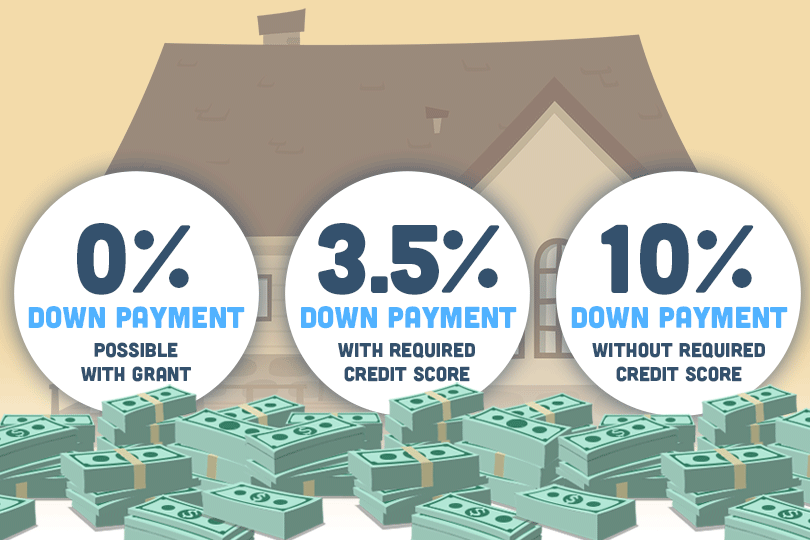
FHA loans graphic for first-time homebuyers, offering low down payments and flexible credit requirements.

Exploring FHA Loans for First-Time Buyers

One of the most popular financing options available is the FHA loan for first-time buyers. The Federal Housing Administration backs this loan type and allows buyers to purchase a home with a lower down payment—often as low as 3.5%. FHA loans are particularly beneficial for those with a lower credit score, helping them become a first-time buyer. It’s crucial to compare this option with other loan types to determine the best fit for your financial situation. FHA loans also provide the best mortgage rates for first-time buyers and are more forgiving of lower credit scores, allowing those with less-than-perfect credit to qualify for a mortgage.

Importance of the Pre-Approval Process

Before starting your home search, first-time buyers must engage in the pre-approval process. Getting pre-approved means a lender has evaluated your financial situation and will lend you a specific amount. This step not only demonstrates your seriousness to sellers but also gives you a clear understanding of your budget, helping you narrow down your home search effectively.

Navigating Closing Costs for First-Time Buyers

Another important aspect to consider is closing costs for first-time buyers. These costs typically range from 2% to 5% of the home’s purchase price and can include fees for appraisal, title insurance, and attorney services. Being aware of these costs ahead of time allows you to budget more effectively and helps ensure you’re financially prepared when purchasing a home. 

Closing Costs Related to Budgeting

Effective budgeting for first-time home purchases is crucial. Along with a mortgage payment, first-time buyers should pay attention to property taxes, homeowners insurance, and maintenance costs. Understanding mortgage types for first-time home buyers creates an essential budget critical to assessing what you can afford.

First-Time Homebuyers standing next to their sold sign.

Summary

In conclusion, making an offer as a first-time buyer can be overwhelming, but understanding concepts like first-time homebuyer programs, FHA loans, the pre-approval process, navigating escrow as a first-time buyer, and budgeting will help you to make informed decisions. For more resources, check out our site for articles on specific loan types and first-time homebuyer tips, look into homebuyer education classes, or visit trusted homebuyer education websites for additional guidance.

Is Now a Good Time to Refinance in Utah?

Home financed through one of the various types of mortgages

First of all, what does it mean to refinance?

The process of refinancing has the goal of replacing a homeowners existing mortgage with a new one! The new mortgage typically has more favorable terms for the homeowner to live life more comfortably. This could mean securing a lower interest rate, reducing your monthly payments, or shortening the loan term.

A process called “cash-out refinancing” allows homeowners to tap into the equity they’ve built in their home and use that money for other possible areas of life. Homeowners may typically use this money for higher education, remodeling, and paying off other loans. There are many different reasons why a refinance could be for you. Refinancing is a valuable tool used by many homeowners. Let’s find out if it’s a good time for you!

Utah homeowners reviewing options for refinancing.

Lower interest rate? When and why.

First off, when and why should you lower your interest rate? Refinancing your mortgage makes sense for several reasons; one of which is lowering interest rates. But why is it so important? The main reason is it allows you to save money every month and who doesn’t want that? The key is WHEN you do it. You can’t refinance at any time or else you could lose money instead of saving it.

The first thing you need to do is look at market rates as the ideal time to refinance is when market rates have fallen below the rate on your current loan. Second, if you want to refinance, calculate the break even point of your loan so you’ll know exactly how long it will take to reap the benefits. A good source to learn more about when and how to figure out the timing on When Should You Refinance?

Reducing your monthly payments

Mortgages are expensive, budget constricting, and just flat out stressful. Figuring out how to lower your monthly mortgage payment can help you keep your housing expenses and budget affordable yet sustainable. Here are a few strategies to combat your high mortgage payment.

First and foremost, refinancing is the most effective and easiest way to lower your monthly payment. Second, lengthening your loan term, it spreads your payments out more and reduces your monthly payment. Lastly, shop for cheaper homeowners insurance, if you can find a cheaper rate out there, it is an easy way to save you money without refinancing or stretching out your mortgage. If you want to see more strategies to lower your monthly payments check out How to Lower Your Monthly Mortgage Payment.

Making the most of your money and how to save every last penny.

Shortening your Loans

No one wants to be stuck on a 30 year loan. Less time = less interest. If the principal is paid in a higher amount at the start, as well as an increase in the monthly payment, the time that is associated with the loan goes down. But why does that matter? Think of it this way. The longer someone pays on a loan, the more interest they are putting down on that loan. When the loan is shortened, less interest is paid overtime ultimately saving you money. Because who doesn’t want to save money? Not sure which loan to pick or have more questions? The Purchase Rates and Types of Loans pages can give you more information on what loan types work best for you.

Live out your loan term in a state of "life elevated."

Cash Out Refinancing

First of all, what is cash-out refinancing? Cash-out refinancing is a type of mortgage loan. This specific mortgage loan allows you to replace your existing mortgage loan with a larger mortgage, and then you, the homeowner, can keep the difference and take advantage of your home’s equity!

First, let’s see if you qualify for cash-out refinancing. To qualify for cash-out refinancing, you first have to have equity in your home. What does it mean to have equity in your home? To have equity in your home, your home’s value must be greater than the current mortgage balance.

Now let’s decide if refinancing your mortgage is for you! If saving money in the long run, reducing your monthly payments, or obtaining lower interest rates sounds like something you’d be interested in, then refinancing may be for you! To get a better understanding of your mortgage loan type; 30 year loan or 15 year loan, refinancing can look different. If you want to learn more about which direction may be best for you our 30 years vs 15 years Mortgage Loans page can give you more information

Cash Out Refinancing

In Conclusion:

Cash out refinancing is a great way to save money on home investments and steer away from longer loan periods that may rack up interest over time. Buying a home can be a scary decision, but our website has many great resources and tools that you need to help you on your way to make that purchase count. Still have questions or are looking for a customized rate? Contact us! You can receive free rate calculations and pre-approvals that are tailored to your needs and lifestyles.

Authors: Isaac Villafranca, Anna Lam, Tim Withers, Bridger Speirs

VA Home Loans in Utah: A Complete Guide

What are Veteran Administration Home Loans?

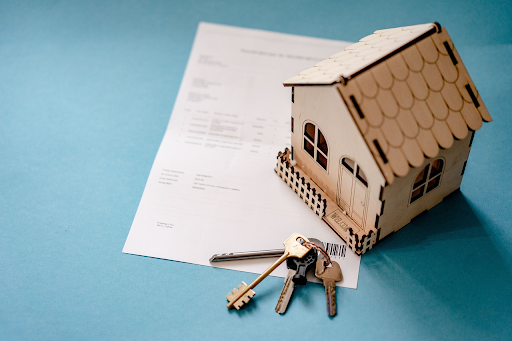
A small house with keys on top of a VA home loans document.

Veteran Administration home loans are a type of mortgage backed by the U.S. Department of Veterans Affairs, designed to help eligible veterans, active-duty service members, and certain members of the National Guard and Reserves achieve homeownership. These loans offer several advantages, including no down payment, no private mortgage insurance (PMI), and competitive interest rates. With these benefits, veterans can overcome the challenges of today’s housing market, where the current VA mortgage rates in Utah can vary. In this article, we will provide complete VA loans information with insights on the following topics: ‘Benefits of VA Home Loans’, ‘Current VA Mortgage Rates in Utah’, ‘Utah VA Home Loan Options’, and ‘How to Submit a VA Request for Certificate of Eligibility’.

Benefits of Veteran Administration Home Loans

One of the most significant benefits of Veteran Administration home loans is the ability to purchase a home without a down payment, which saves veterans thousands of dollars upfront. Moreover, VA mortgage rates in Utah are generally lower than those of conventional loans, which helps veterans save even more over the life of the loan. Another advantage is that these loans do not require private mortgage insurance (PMI), making monthly payments more affordable. The flexible VA eligibility criteria also make it easier for veterans to qualify for home loans than traditional financing options.

Hands signing Current VA Mortgage documents with keys, calculator, and money nearby.

Current VA Mortgage Rates in Utah

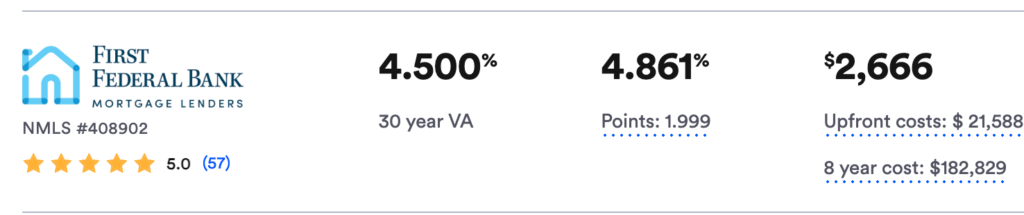
As of September 20, 2024, mortgage rates for Utah veterans seeking VA home loans start as low as 4.5%. However, these rates fluctuate based on various factors, such as economic conditions and individual creditworthiness. It is essential to regularly check the current VA mortgage rates Utah and compare them with other loan products. This will ensure you secure the best possible interest rate when applying for a loan. Veterans should also consider VA refinance rates if they are looking to adjust the terms of an existing VA loan for a better rate.

Screenshot of a 4.5% Utah mortgage rate for a 30 year VA home loan from First Federal Bank Mortgage Lenders.
30-Year VA Mortgage Rate as of September 20, 2024

Utah VA Home Loan Options

Small play-sized house with coins and percentage signs next to it stacked up inferring various home loan rates signifying the VA Home Loans options.

Veterans in Utah have a range of mortgage options, including conventional loans, FHA loans, and USDA loans. However, for eligible veterans, the Utah VA home loan remains one of the most attractive choices. Not only do these loans offer lower interest rates, but the best VA mortgage lenders also provide flexible terms tailored to veterans’ needs. Additionally, understanding VA credit score requirements and VA appraisal requirements is crucial for navigating the loan process. Veterans should compare the various loan types and evaluate which option best fits their circumstances and financial goals.

How to Submit a VA Request for Certificate of Eligibility for a Home Loan

To apply for a VA home loan, veterans must obtain a VA certificate known as the Certificate of Eligibility (COE). This document verifies that you meet the necessary VA eligibility requirements to access the benefits of the loan program. The VA request for Certificate of Eligibility can be submitted online via the VA’s eBenefits portal, by mail, or through your lender. Along with your service dates and discharge status, this certificate is a key document for processing the loan. Veterans should also be mindful of the VA credit score requirements and VA appraisal requirements to ensure a smooth loan approval process.

Conclusion: Exploring Resources and GI Bill Benefits

In conclusion, the Utah VA home loan program offers a fantastic opportunity for veterans to achieve homeownership with minimal financial barriers. By taking advantage of no down payment, no PMI, and the competitiveness of VA mortgage rates, veterans can secure a home loan that meets their needs. For more information, explore our resources on first-time homebuyer tips and understanding the home loan process. To learn more about GI Bill benefits, Veterans Affairs resources, and additional VA loan information, be sure to visit the official Veterans Affairs website. Properly utilizing these benefits can make all the difference in your homeownership journey.

Commonly Asked Questions for First-Time Home Buyers

Looking to learn more information about First-time Home buying quicker, and from those living around you about their thoughts? Follow these links below to solve some of your commonly asked questions.

First-Time Homebuyer Grants and Assistance Programs in Utah

If you are a first-time home buyer that is looking for assistance programs for down payments, closing costs, or to reduce your interest rate. Click HERE to find more programs that can help assist you in this journey.

Utah’s 3 Best Neighborhoods to Live in

Exploring Utah’s neighborhoods can be an exciting adventure, especially for first-time home buyers. Here are the top three of the best areas to consider living in. Click HERE to find out more.

Best School District of First Home Owners

If you are a first-time home buyer in Utah, choosing a house with excellent schools is a top priority. There are several districts in Utah that stand out for their quality of education and support for students. Click HERE to find out more.

Pros and Cons of Buying a Condo vs. a Single-Family Home in Utah

Deciding between a single-family home and a condo can be challenging in Utah, here are some things to consider. Click HERE to find out more.

Top 3 Affordable Suburbs of Salt Lake City

Want to buy a home near SLC? There are plenty of options to consider when looking for affordable housing. Click HERE to find out more.

What does a Home Inspection Cover in Utah

If you want to find out more about what an inspector is looking at, and why you should have them look at your house you are moving in, click HERE to find out more and see what other people think too.

The Ultimate Guide to Buy and Sell a Home in Utah

To sell a home in Utah is a significant milestone, whether you’re a first-time buyer or an experienced homeowner. Utah’s real estate market is thriving, offering unique opportunities and challenges. This guide will walk you through essential tips for both buying and selling homes in Utah, ensuring a smooth and successful experience. If you’re looking to sell a home in Utah, it’s important to understand the local market dynamics and pricing trends. Our comprehensive guide covers everything you need to know to sell a home in Utah, from staging tips to closing costs. Working with a knowledgeable real estate agent can significantly boost your efforts to sell a home in Utah quickly and efficiently.

Understanding Utah’s Real Estate Market

Utah’s real estate market is known for its strong growth and competitive nature. Key factors driving this include a robust job market, high quality of life, and beautiful natural surroundings. Understanding these market dynamics is crucial whether you’re buying or selling

Market Research

Understanding your local market is crucial. Look at recently sold homes comparable to yours to get a sense of a fair asking price. Pay attention to the prices or availability of homes, market predictions, and average home values. First-time homebuyers you may feel inexperienced and need some guidance in navigating the mortgage process. Even existing homeowners you may be looking for information about different mortgage refinance options or even the process of how to sell your home. Real estate investors want knowledge of investment property financing and maximizing returns. By catering to these specific needs, Mortgage Rate Utah can provide all the information needed for Utah homebuyers. We want to be your one stop shop for learning about your mortgage options here in Utah!

Tools

There are various websites that can be used to discover market trends and reports for the housing market. These include your popular sites like Zillow or Redfin. If you’re looking for localized information visit local real estate website like Utah Real Estate. Information on the latest housing trends can be found at various locations, including local news channels. These channels may offer news regarding fluctuations in prices or availability of homes, market predictions, and average home values. Local market trends, economic reports, and detailed information specific to the Utah and Salt Lake housing market can be found on local websites and associations. Practical advice on buying & selling, mortgage options, and financial advice can be found for first-time buyers in Utah.

Preparing Your Home

Before you welcome potential buyers, it’s important to make your home well-presented. First impressions are key, so maintain a well-kept lawn, trimmed greenery, and a welcoming entrance. Get rid of any excess furniture and personal items to create a sense of spaciousness. Potential buyers should be able to envision themselves living in your home, not overwhelmed by your belongings. Stage your furniture strategically to enhance flow functionality of your home. A clean and inviting home showcases its potential to buyers.

Listing Your House

Once your home is market-ready, it’s time to officially put it on the market. This involves partnering with a real estate agent who will handle the listing process. They will take professional photos to showcase your home online as well as creating an appealing listing description highlighting its key features. This information will be uploaded to a Multiple Listing Service, which ensures maximum exposure to potential buyers and their agents. Your agent will also schedule open houses and individual showsing to allow buyers to tour your property. Throughout this process, you’ll work with your agent to review and potential negotiable offers to secure the best possible sale price for your home.

Closing

Closing represents the final hurdle in your home selling journey. It typically takes place in a title company’s office with all relevant parties present. This usually includes yourself, the real agent, the buyer’s agent, and a closing agent. Here, loan documents, title transfers, and closing disclosures will all be thoroughly reviewed and signed. Once everything is in order and all parties have signed, the deed is officially transferred to the buyer, and you’ll receive the sale proceeds minus any closing costs. You’ve successfully navigated the home selling process.

Tips for First-Time Home buyers

  • Ensure your credit score is in good standing. A higher score can help you secure a better mortgage rate. Your credit score significantly impacts your mortgage options. Obtain a free credit report and review it for errors. Aim for a score of 620 or higher for most conventional loans, but higher scores can qualify you for better rates.
  • Lenders look at your debt-to-income (DTI) ratio to determine your ability to manage monthly payments. Calculate this by dividing your total monthly debt payments by your gross monthly income.
  • Factor in all the costs of your new home, closing costs, property taxes, matience and repairs, and utilities and HOA fees.
  • Many states, including Utah, offer programs that provide down payment assistance, low-interest loans, or tax credits to first-time buyers.
  • Research other loan options designed for first-time buyers. Such as, the Utah Housing Corporation which offer options with lower downpayments and favorable terms for you first-time buyers.

Tips for Existing Home Owners

  • Determine the equity you have in your current home. This is the difference between your home’s market value and the remaining balance on your mortgage. Your equity can significantly impact your budget for the new home.
  • Review the terms of your existing mortgage. Understand any penalties for early repayment or conditions for portability, which allows you to transfer your mortgage to a new property.
  • Conduct a comparative market analysis (CMA) to estimate your home’s current market value. Your real estate agent can assist with this, considering recent sales of similar properties in your area.
  • Plan for selling costs, agent commisions, staging and repairs, and closing costs.
  • Decide how much of your home equity you will use as a down payment for the new property. Consider leaving some equity untouched for financial flexibility. If there is a gap between selling your current home and buying a new one, consider a bridge loan. This short-term loan can help you cover the down payment on the new property.
  • Utilize budgeting apps and tools to track your income, expenses, and savings. This helps you stay organized and ensures you’re on track with your financial plan.

Conclusion

Buying or selling a home in Utah is an exciting journey, filled with opportunities and challenges. Whether you’re a new homebuyer eager to plant roots or a seasoned homeowner looking to make a change, understanding the local market, preparing thoroughly, and seeking professional guidance are key to a successful transaction. By following these tips, you can navigate the process with confidence and achieve your real estate goals.

Unlock Your Door to Homeownership: First-Time Homebuyer Resources

Buying your house is a milestone that comes with a mix of emotions, like excitement, anticipation and some uncertainty. Navigating Utah’s housing market can be overwhelming for newcomers. This blog offers tips to help you confidently start your journey as first-time homebuyers in Utah. Learn about mortgages, manage finances, and understand real estate to make informed choices for your goals and lifestyle.

Fixed Rate Mortgages:

For first-time homebuyers in Utah, having a grasp of mortgage options is essential. Consider two mortgage types: fixed-rate and adjustable-rate (ARMs). Each type has its advantages and disadvantages that can impact your stability and monthly payments.

With these loans, you’ll have payments throughout the loan term, which typically lasts for 15 or 30 years. This stability simplifies budgeting and ensures your payments remain steady, giving you peace of mind.

Adjustable Rate Mortgages (ARMs); ARMs usually start with interest rates that can change based on market conditions after a fixed period. While ARMs may offer payments there’s a risk of facing higher payments, down the line.

Fixed rate home loans work well for individuals intending to live in their homes for a period and prefer the stability of payments. On the other hand, adjustable rate mortgages (ARMs) may be more suitable for those planning to relocate within a year or foresee an increase in income enabling them to take advantage of lower initial rates.

When selecting a mortgage it’s crucial to assess your status, future goals, and comfort level with risks. Consulting a mortgage specialist can provide personalized advice for your situation. Achieving homeownership starts with proper financial management.

Budgeting Tips:

  1. Saving for a Down Payment; Aim to put down 20% to avoid PMI and get better loan terms. Nonetheless there are loan options that require down payments if reaching 20% proves challenging.
  2. Understanding Closing Expenses; Besides the payment budgeting should account for closing costs, which typically range from 2% to 5% of the loan amount. These expenses cover charges related to appraisals, inspections, title insurance and other administrative fees.
  3. Preparing for Costs; Homeownership entails expenses, like property taxes, homeowners insurance premiums and upkeep expenditures.
  4. Creating an Emergency Fund; Unexpected repairs and maintenance can crop up unexpectedly. Having an emergency fund, to three to six months of living expenses can provide a financial safety net and peace of mind.
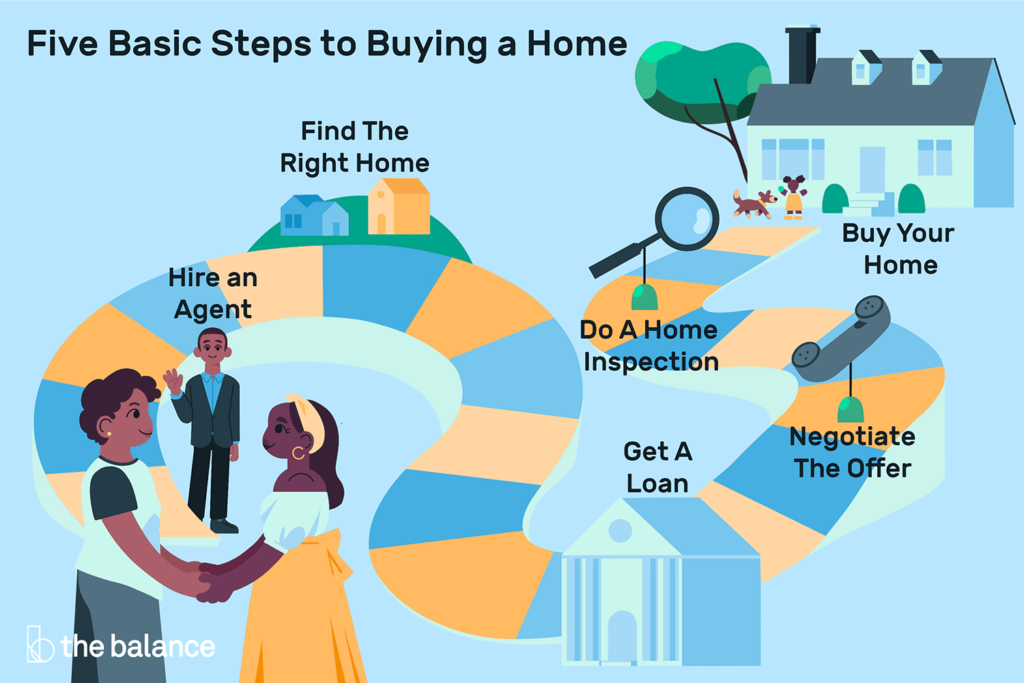
Five steps for first-time homebuyers

A thorough budget ensures you are financially ready for all aspects of owning a home. In addition to the purchase costs it is essential to include expenses for home maintenance and safeguarding your investment. Understanding real estate trends is vital for making decisions. Utah’s housing market is shaped by job growth, population trends, and regional economic conditions. For a deeper understanding to help you buy and sell your home, check out another one of our blog posts: https://www.mortgagerateutah.com/how-to-sell-or-buy-a-home-in-utah/

Expert Interview: Jane Doe, Real Estate Specialist

To gain insights we consulted Jane Doe, a real estate professional with over two decades of experience in the Utah market.

Q; What are the trends in the Utah housing market?

Jane Doe: The Utah housing market is witnessing growth due to a robust job market and an influx of new residents. There is a rising demand for homes, in areas as more individuals look for residences and outdoor spaces.
Prices have been going up. There are still chances for people buying a home for the time especially in up and coming neighborhoods.

Q; Which neighborhoods are seeing property values rise and which areas might be good for long term investment?

Jane Doe: Places like Sugar House and The Avenues are in demand. Have experienced significant value growth. For long term investing consider neighborhoods such as South Salt Lake and Midvale which are currently more affordable yet showing growth due to new developments and improved amenities.

Q; What tips do you have for first time homebuyers in Utah?

Jane Doe: Begin by getting pre approved for a mortgage to understand your scope. Collaborate with a real estate agent with the market. Take your time and research neighborhoods and properties thoroughly. Lastly, don’t rush your decision; ensure that the home aligns with your needs and budget.

In conclusion, Jane Doe emphasizes staying updated on market trends and collaborating with experts. Being aware of which areas are experiencing value appreciation can aid you in making an investment that will pay off in the term.

Embarking on the journey of purchasing a home in Utah is an adventure filled with both opportunities and obstacles. Learn about mortgages, manage finances wisely, and understand the housing market to navigate home buying confidently. Owning a home means creating a space for your future, cherishing memories, and feeling a sense of belonging.

Steps to Successfully Purchase Your Utah Home

Although purchasing a home may appear daunting at glance having the right information and support can make it more approachable and fulfilling. Here’s a summary of steps and advice to assist you along the way:

  1. Explore Your Mortgage Options: Decide whether a fixed rate or adjustable rate mortgage aligns with your circumstances and future goals.
  2. Manage Your Finances Wisely: Set aside savings for a payment account for closing expenses and establish a plan that considers ongoing costs along with an emergency fund.
  3. Stay Updated on Local Real Estate Trends: Collaborate with housing specialists to explore neighborhoods and identify promising investment opportunities.
  4. Obtain Pre Approval: Get pre-approved for a mortgage to know your limits and make your offer more appealing to sellers.
  5. Engage with a Real Estate Professional: Partner with a Utah real estate agent for guidance through the process.
  6. Remember to be patient and thorough: Research thoroughly to find a home that fits your needs and budget.
  7. Think about the run: Consider future impacts like property value appreciation and potential home upgrades when making your purchase.

First time homebuyers in Utah? Head over to Mortgage Rate Utah for resources, expert advice and tools to support you at every stage. Our detailed guides, interactive tools and local insights are tailored to make the process smoother and more enjoyable, for first time homebuyers.

Conclusion

Purchasing a home is a decision that requires careful consideration. Use Mortgage Rate Utah’s tips and resources to confidently navigate the homebuying process. Whether you’re beginning to save for a down payment or actively searching for properties, having a plan and understanding the market will set you up for success. For first-time homebuyers in Utah, it’s about finding a place that truly feels like home. With planning, informed choices and appropriate assistance you can turn your dream of owning a home in Utah into reality. Happy searching for your dream home!

First Time Buyers – Understanding Home Interest Rates Utah

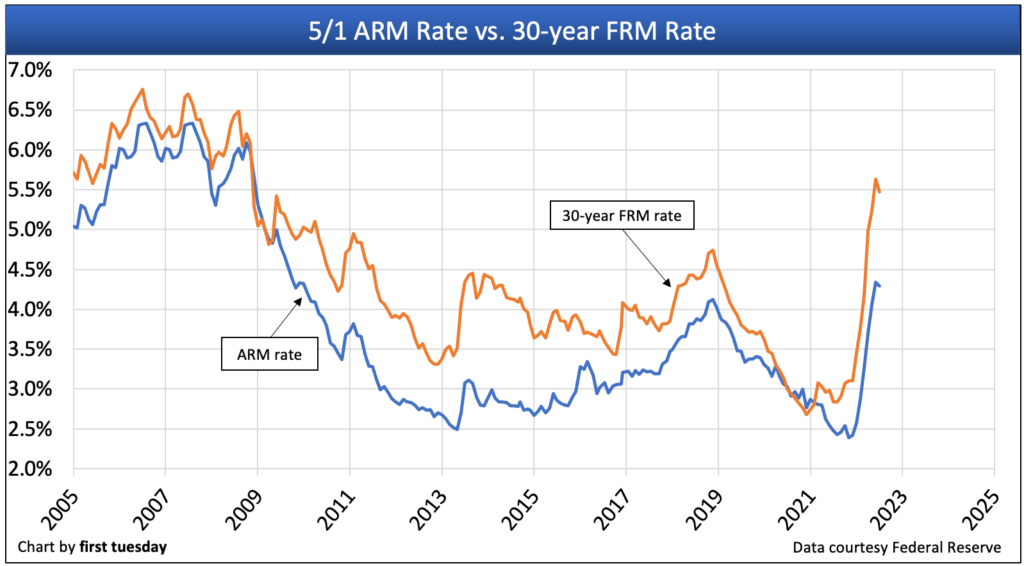
When it comes to buying your first home, it is vital to understand home interest rates in Utah. First, there are two different kinds of interest rates we can take a look at, fixed vs. adjusted mortgages. Understanding the advantages and circumstances in which fixed interest rates can help you the most can be the best financial decision when you get home. Fixed interest rate is a mortgage loan interest rate the remains the same over the entire course of the loan. This is a consistent option that can make budgeting easier when it comes to long term planning. If you are a buyer that prefers a more predictable financial plan, plan to stay in your home for a long period of time, this is the plan for you. Adjustable rate mortgage (ARMs) is a unique offer than can greatly benefit first time buyers under the right circumstances. ARM’s offer an initial lower interest rate the is adjustable over time. They tend to start with a lower rate compared to fixed loans. However, the rate and monthly payment can change annual after the initial fixed period of time. This is the best option if the buyer is planning to move or refinance within just a few years. This can help buyers save up money within the period of time there is the lower initial rate. It is also important to take these initial rates can also allow the buyer to qualify for a larger loan amount, which can be beneficial in the competitive market Utah has to offer.

Home interest Rates Utah 
Difference between fixed and adjustable rates

https://www.themortgagemindsgroup.com/post/fixed-rate-mortgages-and-adjustable-rate-mortgages

Over the past five years, Utah’s home prices have surged by 72%. In just the two years between 2020 and 2022, the median home prices in Utah saw almost a 50% increase. In June of 2022, prices began to decline. As of February 2024, the median home price in Utah was $542,000. With that comes the minimum down payment at 3% comes to $16,275. The average down payment is 16.4%, coming to $43,488. This number can be infeasible for first time home buyers. Which is why there are first time home buyer programs that exist. The is the conventiional 97, offered by Freddie Mac. With 3% down and a 620 minimum credit score, you are able to stop paying mortgage insurance after a few years. There are no income limits, however, it is meant just single unit residents only. FHA loans are backed by the Federal Housing Administration, requiring 3.5% down and a minimum of 580 credit score. This is a great option of you are rebuilding your credit score or in need of making smaller payments. This loan allows for properties with up to four living units. Lastly, there are USDA loans for those with low to moderate incomes buying in rural areas. Individuals with a 640 credit score, allow for low insurance rates. There is no downpayment required. It is important to get multiple quotes. Go to at least 3 different lenders to find the best rate for you. Your bank may not offer the best rates! Compare your loan estimates, look for APRs, monthly payment rates, locked fees, and closing costs. These are all factors that play into understanding home interest rates in Utah, especially when it comes to being a first time home buyer.

Closing Documents Demystified: A Guide For Utah Homebuyers

Let’s get started!

When my husband and I purchased our first home in Salt Lake City, Utah, it seemed like there were endless forms to fill out and too many documents to sign, followed by at least an hour of signing more closing document to wrap up the sale. The amount of paperwork involved with buying a home feels endless. However, It’s important to know what documents you’re signing at closing, and why you’re signing them because purchasing a home is a huge investment!

Don’t drown in closing document confusion! Read on for help.

I want to help first-time homebuyers understand what they’ll be reviewing during closing, and/or give experienced homebuyers a friendly reminder. So, below is a list of the most common closing documents you’ll encounter and a brief description of what they entail. Documents are in order alphabetically, by name.

The Affidavit of Title

The Affidavit of Title is a legal document which establishes that the seller holds the title to the property. The new homeowner will sign this document upon taking ownership. Also, it includes any information about liens or other title issues for that property.

The Certificate of Occupancy

The Certificate of Occupancy is a document that’s provided to the homebuyer and contains the address and description of the property. It verifies that it us up to code, which serves as proof that the property is fit to live in and fit for its purpose. This document only applies to new-build homes, therefore anyone closing on an existing home doesn’t need to worry about this one.

The Closing Disclosure

A Closing Disclosure is a form for the new homebuyer which gives the final details of the mortgage loan. It includes the loan terms, projected monthly payments, and how much the new homebuyer will pay in fees and other costs to get the mortgage (closing costs).

The Deed

A Deed is a legal document that transfers ownership of home from the current owner to the new buyer. It also contains a description of the property boundaries and any real property that it contains. Therefore, it is crucial to review this document for accuracy. Every real estate deed must be notarized and filed with the local government in order for the new homebuyer to sell the property, refinance the property, or obtain a line of credit on it. The title insurance company generally performs this task, but it’s important for the homebuyer to verify the process.

The Home Inspection Report

The Home Inspection Report is a detailed list of the the condition of the home and its components. It generally includes the following: foundation, exterior, bathroom fixtures, appliances, roof, plumbing, HVAC system, gas system, and electrical system. An inspector will visually examine the home and then provide the report. This is done prior to closing so that the buyer can review the document and request fixes to be made or even change their mind about purchasing the property.

The Homeowners Insurance

Lenders in Utah require homeowners insurance, and will ask for proof of insurance as one of the closing documents. Lenders want proof that their investment is protected.

The Initial Escrow Statement

The Initial Escrow Statement also goes by the name of the “Initial Escrow Disclosure”. This document outlines how the escrow account is set up and what expenses it covers. It covers common elements such as property taxes, mortgage insurance, homeowners association dues, etc.

The Loan Application

The Loan Application is the homebuyer’s acknowledgement that they understand the terms of the loan and their financial obligation to repay it. The new homebuyer will review this document along with the mortgage application. Therefore, it is important to review for accuracy and notify of any changes.

The Mortgage

The mortgage also goes by the name “The Deed of Trust.” This is an agreement between the new homebuyer and a lender that allows the homeowner to borrow money to purchase or refinance a home. The mortgage legally allows the lender to put the home up as collateral for the loan.

The Promissory Note

The Promissory Note describes the homebuyer’s commitment and responsibility to the mortgage loan. It will state the amount of the loan, the interest rate, repayment schedule and any consequences of defaulting.

The Purchase Agreement

The Purchase Agreement is sometimes called a “Purchase and Sale Agreement” or a “Real Estate Purchase Contract (REPC)”. It is a legally binding document between the buyer and seller for real estate purchases. The Purchase Agreement contains details such as: new homebuyer info, purchase date, purchase price, purchase details (property and any included amenities), how it will be paid for (loan, cash, etc.) It also contains details such as appraisals, conditions of purchase, etc. Utah law requires licensed Real Estate agents to use the REPC form, although the home buyer and home seller can agree to alter or delete its provisions, or to use a different form.

The Sellers Disclosure

The Sellers Disclosure is a document that lists in detail any issues with a home. In the state of Utah, a seller is required by law to disclose material defects and latent defects. Material defects are things you can easily see or find. Latent defects are not easily seen or not obviously apparent.

The Title Document

The Title Document is a list of all previous owners of the home and any liens or other clouds on the title. You’ll need to pay off any additional/existing liens in order to have a free and clear title. It’s important to review this document to prevent delays in the closing process. When you buy a home, you acquire the title, which represents your ownership rights.

The Title Insurance Policy

The Title Insurance Policy is a document that outlines protections for the lender. Hidden title hazards can emerge after purchasing a home, but title insurance can offer protection against them.

The Transfer of Tax Declaration

The Transfer of Tax Declaration is a document that lists the taxes owed for the transfer of the property. Utah does not charge a real estate transfer tax, therefore this is not a concern for Utah homebuyers as it is not a required closing document.

Thanks for Reading!

I hope this article was helpful! Now you’ve seen a quick summary of the closing documents you’ll encounter when buying a home. Also, depending on which state you’re purchasing a home in, there may be more or fewer documents to sign. If you want more details or additional information, then please check out these posts as well!

Understanding Mortgage Options for First-Time Homebuyers in Utah

As a first-time homebuyer in Utah, navigating the mortgage world can seem very overwhelming. Understanding the various home loan options available to you is important in making a credible decision that best fits your pocket. We will explore the major types of mortgages available, like fixed-rate, adjustable-rate, FHA, and VA loans, which will get you started on the way to becoming a homeowner.

Fixed-Rate Mortgage

The fixed-rate mortgage is the most popular choice of many first-time homebuyers. In this kind of loan, your interest rate doesn’t move during the life of the loan. Because of this, your monthly payment will be predictable. This stability makes it easier to budget and provides peace of mind that your payments won’t change over time. Checking current mortgage rates can help you determine if a fixed-rate mortgage is the right choice for you.

Adjustable-Rate Mortgage (ARM)

An adjustable-rate mortgage enables a lower interest rate at the beginning compared to fixed-rate mortgages. However, it may be changed according to the market conditions after an initial fixed period. ARMs are good if you think you will sell or refinance before the adjustable period kicks in; however, you are also risking increasing interest rates. Using a mortgage payment calculator can help you estimate potential changes in your monthly payments with an ARM.

FHA Loans

The Federal Housing Administration insures FHA loans, which are generally used by first-time homebuyers and help buyers with slightly worse credit scores or those wanting to pay a smaller down payment. Because the requirements in qualifying are laxer, an FHA loan does open up the possibility of homeownership to buyers who otherwise would not be able to qualify for conventional loans. It’s important to regularly check FHA loan rates as they can vary and impact your decision.

VA Loans

VA loans are for veterans, active duty, and eligible spouses. They are guaranteed by the Department of Veterans Affairs and therefore come with no down payment, no private mortgage insurance, and competitive interest rates. VA loans are a great option for eligible first-time homebuyers. Checking current mortgage rates specifically for VA loans can provide you with an accurate picture of the benefits.

USDA Loans

Another excellent rural Utah first-time homebuyer option is the USDA loan. The United States Department of Agriculture guarantees these loans with no down payment and lower interest rates, also cutting mortgage insurance costs. Offering an excellent entry point to begin homeownership outside center cities, USDA loans aim to provide for low- to moderate-income purchasers in eligible rural areas.

Conclusion

First in the process for successful Utah homeownership is an understanding of your options when it comes to mortgages. It’s all about weighing the pros against the cons of a fixed-rate mortgage, an adjustable-rate mortgage, an FHA loan, or a VA loan as they best fit your financial situation and long-term plans. By making this informed decision, you will most definitely be on your way to owning your dream home in Utah. Utilizing tools such as a loan calculator and regularly checking mortgage rates can help you make a more informed and confident decision.