
Understand which mortgage is the best for you and tips

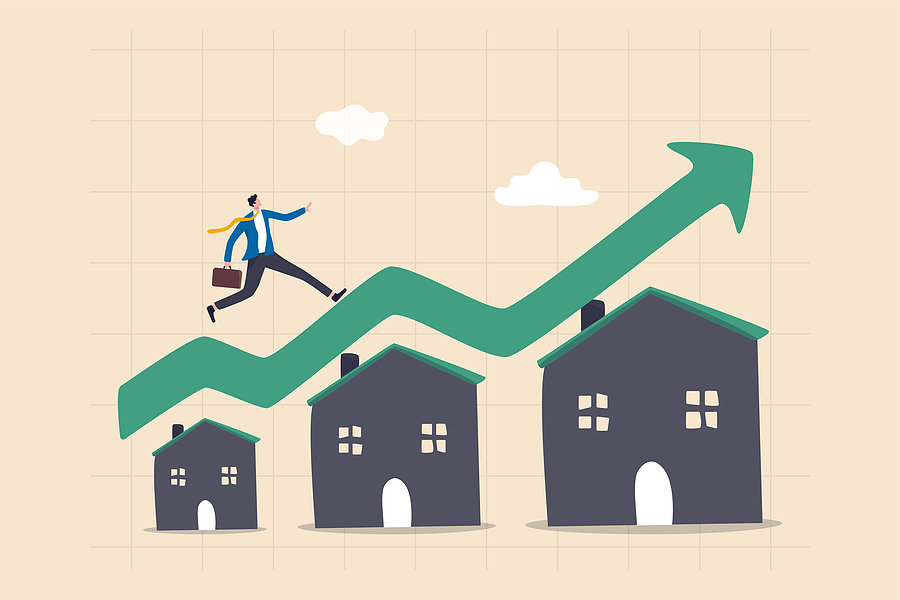
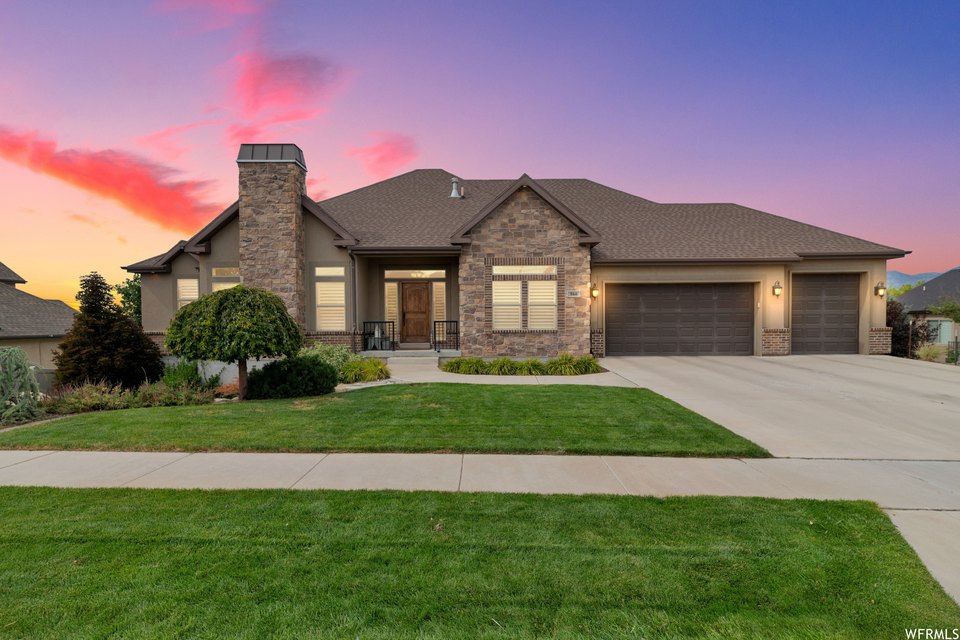
Home financed through one of the various types of mortgages

Understanding Each Mortgage Type

When it comes to choosing and filling out a mortgage for your home, many factors come into play and must remain top of mind. Things like interest rates and Mortgage Rates are crucial. Understand what each mortgage is and does for you. That’s why down below we will discuss each of the most common mortgage types, their drawbacks, and advantages so you can find the best one.

Considerations:

  • Ideal for high-value properties 
  • Higher interest rates
  • Stricter qualification requirements

First Mortgage vs Second Mortgage

First-Time Mortgage is for when an individual has never or within three years has owned a home. A first-time buyer could potentially qualify for an affordable mortgage rate with a down payment and closing costs assistance. Some advantages of having first-time home buyer loans are having lower down payment requirements and less restrictive credit score requirements. Disadvantages of first-time home buyer loans are potentially having lower loan amounts and paying low down payments. Along with private mortgage insurance, having income limits, and limited home equity to start.

A couple with their first home after getting a first time mortgage

A second Mortgage is a loan taken out on a property with an existing mortgage. There are two types: home equity loan and a home equity line of credit (HELOC). HELOCs allow you to access the equity you’ve created with your home and are a cost-effective way to borrow money. An advantage of a second mortgage include long repayment terms, access to large loan amounts, and having low interest rates. Some cons are income requirements to qualify, higher interest rates than refinancing, expensive closing costs, and losing your home if you default. 

Types
Home Equity Loan

A lump sum loan based on your home equity

Home Equity Line of Credit (HELOC)

A revolving line of credit based on your home equity

Fixed and Adjustable Rates

A fixed-rate mortgage is when the interest rate remains constant for the entire loan term, typically 15, 20, or 30 years. This means that the borrower’s monthly principal and interest payments stay the same, regardless of changes in market interest rates. Fixed-rate mortgages provide stability and predictability, making them a popular choice for homeowners.

A 15-year mortgage is a home loan with a 15-year term that has a fixed interest rate and monthly payment. Some benefits of a 15-year mortgage rate are the predictability of it being a fixed rate, lower interest loans, lower costs of borrowing, and faster equity borrowing. Some disadvantages of a 15-year mortgage rate pertain to higher interest monthly payments, less flexibility since the loan remains the same, and it’s more difficult to qualify than other types of loans.

A 30-year mortgage is a home loan that allows a buyer to pay off their mortgage over 30 years with a fixed interest rate that doesn’t change throughout the loan term. This mortgage allows for lower monthly payments, potentially having a bigger home-buying budget, and having more cash flow for investing, retirement, renovations, etc. Disadvantages include more interest paid over time throughout the loan, slightly higher interest rates than 15-year fixed-rate mortgages, and the slow rates of home equity.

An Adjustable Rate Mortgage (ARM) is a type of home loan where the interest rate changes periodically based on a benchmark or index. Unlike a fixed-rate mortgage, where the interest rate remains constant, the initial rate of an ARM is usually lower for a set period (often 5, 7, or 10 years), making the initial payments more affordable.

A house next to a percentage representing mortgage rate percentages which varies with each mortgage type <br>

Mortgages 101

Private Mortgage Insurance (PMI) is a type of insurance that protects lenders if a borrower defaults on their mortgage. Lenders often require PMI when a borrower makes a down payment of less than 20% of the home’s appraised value. The benefits of PMI allow home buyers to overcome housing affordability and inventory. It allows homebuyers to buy a home in a higher price market sooner rather than later but at a cost. The cost of PMI is that it sticks to the mortgage until the principal balance drops below 80% of the value of the home. For those who barely qualify for the mortgage, the additional PMI monthly payment can compromise their ability to qualify for the loan.

Jumbo Mortgage is a nonconforming loan that exceeds the standard loan limits set by the Federal Housing Finance Agency (FHFA) for conventional mortgages. Jumbo mortgages’ advantages include higher loan limits, one single loan, and a lower down payment. The disadvantages of jumbo loans include higher interest rates and more closing costs. You also need a clean credit score and not all properties qualify.

Refinancing a home involves replacing an existing mortgage with a new one, usually to secure better interest rates, lower monthly payments, or change loan terms. This process can lower financial burdens by lowering interest rates or shortening the loan term, saving money over time. It’s essential to evaluate your financial situation before choosing to refinance your home mortgage.

Lower Interest Rates

Potentially reduce monthly payments

Change Loan Terms

Switch from adjustable to fixed rate, or change loan duration

Cash-Out Refinance

Access home equity for other financial needs

Mortgage Types

FHA mortgage is a loan insured by the Federal Housing Administration (FHA), designed to help low- to moderate-income borrowers qualify for a mortgage. These loans are popular among first-time homebuyers because of their lower down payments (as low as 3.5%) and more flexible credit requirements. It requires borrowers to pay mortgage insurance premiums (MIP), both upfront and annually, which protects the lender if the borrower defaults.

VA mortgage is a home loan program available to veterans, active-duty service members, and eligible surviving spouses, backed by the U.S. Department of Veterans Affairs (VA). VA loans offer several benefits that aren’t typically offered with other mortgage types. For example, a down payment is required, no private mortgage insurance, and other benefits that are curcial to those needing these loans. It is less risky for lenders.

A veteran in uniform holding the home he bought with VA Mortgage type

To learn more about VA Home Loans visit our blog post.

A Construction loan is a short-term loan (6-18 months) used to finance the building or renovation of a home or other real estate project. These loans are issued for the duration of the construction process and are structured differently from traditional mortgages. Will generally require a detailed construction plan and higher credit standards, as they carry more risk for lenders. 

Conclusion

Selecting the right mortgage for your home involves more than just focusing on interest and mortgage rates. It’s essential to understand the different types of mortgages and what each one means for your financial future. By evaluating the advantages and drawbacks of each option, you can make an informed decision that aligns with your long-term goals.

There are key differences between lending through a credit union versus lending through a bank or private institution. To find your ideal lender refer back to our blog post on each lender and what they offer.

Sites through individual factors like Mountain America (https://www.macu.com/rates/home) and Zions Bank (https://www.zionsbank.com/personal/home-loans/) can help you find bank-specific requirements.


Frequently Asked Questions About Mortgage Rates in Utah

1. What are the current mortgage rates in Utah?

Mortgage rates can vary daily based on market conditions. For the most up-to-date information, please check our current rates page or contact one of our mortgage advisors.

2. How do mortgage rates in Utah compare to the national average?

Utah’s mortgage rates are often competitive with the national average. Factors such as local economic conditions, state regulations, and the overall housing market influence rates. To see how Utah’s rates compare, view our rate comparison tool.

3. What factors influence mortgage rates in Utah?

Several factors can influence mortgage rates, including:

  • Credit Score: Higher scores typically qualify for lower rates.
  • Loan Amount: Larger loans may have higher rates.
  • Loan Type: Fixed-rate, adjustable-rate, FHA, VA, and USDA loans all have different rates.
  • Loan Term: Shorter terms often have lower rates.
  • Economic Conditions: Inflation, employment rates, and the Federal Reserve’s policies can impact rates.

4. How can I get the best mortgage rate in Utah?

To secure the best mortgage rate:

  • Improve Your Credit Score: Pay off debts and ensure timely payments.
  • Save for a Larger Down Payment: This can lower your loan-to-value ratio.
  • Compare Lenders: Shop around for the best offers.
  • Consider Different Loan Types: Each type may offer different rates and benefits.

5. Are there specific mortgage programs available for first-time homebuyers in Utah?

Yes, Utah offers several programs for first-time homebuyers, such as:

  • Utah Housing Corporation (UHC) Programs: These include down payment assistance and mortgage credit certificates.
  • FHA Loans: Low down payment options and flexible credit requirements.
  • VA Loans: For eligible veterans and active military personnel, offering low or no down payment options.

6. How does the pre-approval process work for mortgages in Utah?

Getting pre-approved involves a lender evaluating your financial situation to determine how much you can borrow. This process includes:

  • Credit Check: Assessing your credit score and history.
  • Income Verification: Reviewing pay stubs, tax returns, and employment status.
  • Debt-to-Income Ratio: Ensuring your debts are manageable relative to your income.

7. What are the benefits of getting pre-approved for a mortgage in Utah?

Pre-approval offers several benefits:

  • Stronger Offers: Shows sellers you are a serious buyer.
  • Budgeting: Helps you understand how much you can afford.
  • Faster Closing: Streamlines the underwriting process once you make an offer.

8. What is the difference between a fixed-rate and an adjustable-rate mortgage (ARM) in Utah?

  • Fixed-Rate Mortgage: The interest rate remains the same throughout the loan term, providing predictable monthly payments.
  • Adjustable-Rate Mortgage (ARM): The interest rate may change periodically, usually starting with a lower rate than fixed-rate loans but potentially increasing over time.

9. Can I refinance my mortgage in Utah to take advantage of lower rates?

Yes, refinancing your mortgage can be a great way to take advantage of lower rates. It involves replacing your current mortgage with a new one, often to:

  • Lower Monthly Payments: By securing a lower interest rate.
  • Shorten Loan Term: Pay off your mortgage faster.
  • Access Home Equity: Through cash-out refinancing.

10. What are the closing costs associated with getting a mortgage in Utah?

Closing costs can vary but typically include:

  • Origination Fees: Charged by the lender for processing the loan.
  • Appraisal Fees: For assessing the property’s value.
  • Title Insurance: Protects against potential title issues.
  • Taxes and Recording Fees: Local government charges for recording the mortgage.

For more detailed information and personalized advice, please contact us or visit our mortgage resources page.

Real Estate Investing: Wealth through Home Ownership

Become a millionaire real estate investor by simply purchasing homes.

Have you considered the benefits of becoming a landlord as rent prices and real estate prices around the world continue to increase? To illustrate, interest rates are a negligible detail when a renter is paying the entirety of your mortgage. Wouldn’t you agree?

Most importantly, it’s worth noting that a significant number of millionaires in the United States have created their wealth by simply purchasing homes. Don’t believe us at Utah Mortgage Rate? CNBC’s claims, “Real estate is still the best investment you can make today, millionaires say—here’s why.”

Investing in real estate has a reputation that discourages Americans.

Yet, the most tried and true path to building generational wealth involves owning multiple homes and having tenants cover your mortgage expenses. However, traditional investment properties, secondary mortgages, and rental loans often demand a 20% down payment and savings.

Furthermore, these requirements create a substantial barrier for aspiring investors and families. Not to mention these mortgages designed specifically for rentals often carry unattractive interest rates that prevent the ability to qualify further.

Housing is the only necessity disguised as an investment vehicle.

21,951,000 people in the U.S. have a net worth of $1 million or more. 40% of an average millionaire’s assets consist of real estate. 

federal reserve
Diverse individuals racing towards homeownership, symbolizing the competitive nature of homeownership, and securing mortgage lending in today's real estate market.

The key to this strategy is occupancy.

For this reason, at Utah Mortgage Rate we provide a unique pathway to help you become a millionaire real estate investor. Especially, for our clientele with limited cash assets. To begin, the strategy to growing an abundant real estate portfolio is through primary mortgages.

Owning a real estate portfolio worth millions is achievable through primary mortgages.

In this scenario, when you apply for your initial home loan, your intention is to live in the property. If you’re a First Time Home Buyer you have a lower minimum requirement of 3% or 3.5% for a down payment. After your initial purchase, each subsequent home only requires a minimum down payment of 5%. Also, if you’re a veteran or in a rural area the required down payment amounts could be even less. More information regarding VA Loans for our brave service members can be found right here at Mortgage Rate Utah.

Image the equity gains you’ll acquire over time if you own multiple mortgages.

To clarify, this strategic approach regarding occupancy allows you to accumulate home loans that require minimal cash down payments. You can transition your first property into a rental property when you’re ready to occupy a new home. It’s crucial to buy your next property with the intent to live in it initially. Primary mortgages are only originated for owner-occupied properties.

In other words, this strategy secures better mortgage terms and gives investors the opportunity to accumulate properties without large down payments. Eventually, after that one year has passed you can apply again for another primary mortgage with a Mortgage Broker.

As a result, your first home becomes an income-generating asset, generating generational wealth and appreciating over time. More importantly, the mortgage terms remain unchanged throughout this process.

Don’t wait to buy real estate. Buy real estate and wait.

Purchase. Occupy. Rent. Repeat.

The average American can realistically repeat this process multiple times creating an accumulating portfolio of properties. This can potentially lead to substantial equity gains. For guidance on the number of homes you can own, you can consult Fannie Mae’s guidelines on their website.

Envision the hundreds and thousands of dollars in equity accumulation. In fact, explore your next down payment options today through our HELOC blog post.

Secure your future and begin building generational wealth with Utah Mortgage Rate and our strategies.

Have you considered your future average net worth? Ultimately, your journey to wealth creation can begin today. Accelerate your net worth with assistance from our local real estate agents. To learn more about what preparation is required to purchase a home we have helpful information for your learning journey.

However, imagine sitting down with an expert Mortgage Broker and a Local Utah Realtor today. Above all, we can discuss the beginning of many investments in real estate with a no obligation consultation.

Preparing to Buy a Home

Buying a home in Utah is a multifaceted process that includes financial, emotional, and logistical considerations. It is a detailed series of steps for homebuyers to take to ensure they are well-equipped and informed before making a significant financial investment. Here, we have a detailed list of how to prepare to buy a home.

Preparing to buy a home includes:

  1. Financial decision
  2. Setting goals 
  3. Market research 
  4. Mortgage pre-approval
  5. Hiring real estate professionals
  6. Property inspections 
  7. Understanding legal and financial documents
  8. Budgeting for closing costs
  9. Contingency plans
  10. Negotiating and decision-making

Financial Decision

woman hugging man from behind. couple relaxing in home browsing internet on laptop about mortgage rates. This couple is learning about how to prepare to buy a home
Happy couple making informed financial decisions

Your financial decisions play a pivotal role in the mortgage process. They shape the terms and conditions of one of your life’s most significant financial commitments. Choosing the right mortgage loan type, whether fixed-rate, adjustable-rate, or government loan, such as an FHA loan, can significantly impact your monthly payments and long-term financial stability. Moreover, deciding on the loan term also influences your monthly budget and the total interest paid over the life of a loan. A fixed mortgage loan can take anywhere from 15, 20, or 30 years.

The size of your down payment affects the initial cost and ongoing financial obligations. Beyond the mortgage, understanding the importance of maintaining a solid credit score, managing debt wisely, and budgeting for related expenses like property taxes and insurance are vital in making sound financial decisions when securing a mortgage. Each choice you make contributes to your overall financial health and ability to navigate the path to homeownership successfully.

Mortgage Rates

Making informed decisions about mortgage rates in order to purchase a home.
Woman looking over mortgage rates

The average mortgage rate in Utah is 8.08%. And, we have the best mortgage rates in Salt Lake City. For help determining your mortgage loan, visit our mortgage rate calculator.

Mortgage Pre-Approval and its Importance

Financial advisor showing report to young couple. Happy couple consulting financial agent for refinance mortgage loan rates to prepare them for buying a home.
Happy couple consulting financial agent for refinance mortgage loan rates

A crucial step when preparing to buy a home is to obtain a mortgage pre-approval. This is an assessment by a lender to determine how much money they will lend you for a home purchase. This involves a review of your financial situation, including credit score, income, debt, and assets. Securing a pre-approval letter helps loaners understand the homebuyers’ budget and makes you, as the homebuyer, more attractive to sellers.

Budgeting for Closing Costs

Person using a calculator to budget how much they should spend to prepare to buy a home
Budget how much you should spend to save for a home

Lastly, budgeting for closing costs is a critical aspect of the home-buying process that is sometimes overlooked. These costs cover a range of expenses, including appraisal fees, title searches, attorney fees, property taxes, and insurance. They can amount from 2% to 5% of the home’s purchase price. Having a clear understanding of these costs and how to budget for them ensures that you’re financially prepared when it’s time to close on your home. Thus, by preparing for closing costs at the beginning, you can avoid last-minute financial stress and ensure a smoother transition into homeownership.

Overview: You are Ready to Buy a Home!

In summary, when buying a home in Utah, there are a few essential things to remember. First, your financial decisions, like choosing the right mortgage loan type and the loan term, can significantly impact your monthly payments and long-term financial stability. For example, having a solid credit score, managing debt wisely, and budgeting for expenses like property taxes and insurance. Additionally, getting a mortgage pre-approval and budgeting for closing costs are necessary steps, too. By being well-prepared and making smart financial choices, you’ll be on your way to homeownership! 

30-year vs. 15-year Mortgage Loans

What is a Loan?

When looking to buy a home, one can either pay upfront or use a home loan called a mortgage. A mortgage allows home buyers to buy a house when they don’t have enough money to pay for it outright. The loan comes with terms pre-determined by both parties, the lender and the buyer. These terms include everything that is included, including the total sum, the interest rate (extra money one has to pay for borrowing the money), and the rate to which it has to be paid back (usually 15, 20, or 30 years).

Which Term Length is Right for Me?

15-year and 30-year mortgages.  The main differentiator between these two rates is the time it takes to repay the loan. For 15-year mortgages, the buyer has a repayment period of 15 years, meaning that borrowers must make monthly payments for 15 years until the loan is fully paid off. In turn, with 30-year mortgages, the buyer has a repayment period of 30 years. When it comes to making these monthly payments, 15-year mortgages are typically more expensive than that of a 30-year mortgage. Since the term is shorter, borrowers have to pay off the principal (each payment) and the applied interest in a shorter amount of time. This results in larger monthly payments. Buyers can count on 30-year mortgages to be lower, as they are stretched over a longer period. This can make homeownership more affordable on a month-to-month basis.

Interest rates, or the amount a borrower is charged for the money, are typically lower on a 15-year mortgage, than on that of a 30-year mortgage. When choosing between a 15-year and 30-year mortgage, the buyer has to consider their financial flexibility. As a buyer can expect a 15-year mortgage to be more expensive, they can also expect to own their home outright sooner. With 30-year mortgages, lower monthly payments can provide the buyer with more financial flexibility. On the other hand, it takes longer for the buyer to own their home outright. This being said, when it comes to choosing a mortgage rate, consider the long-term financial plans, and whether or not to pay off the home sooner, at a higher rate, or delayed and at a more manageable monthly payment. To estimate the monthly mortgage, see our Mortgage Calculator to break down the payments.

Interest Rates

There are two main types of interest rates. The first one is a fixed interest rate. That means from the moment that the loan is taken out, the rate will be constant. If it starts with 6.8% interest on the loan, that is what will be paid until the loan period ends. The second is an adjustable-rate mortgage. These have the ability to change after a certain amount of years. An example would be the 7/1 loan. This loan has a fixed interest rate for the first seven years and will vary each year after that until your loan pay period is up. There are several that have that same format.

Most mortgage companies have 3 main factors they look at when deciding what your interest rate will be. The first is based on how much money you would be able to put toward a downpayment. They usually require 0%-20%. If you place more, It can lower your interest rate. The second is your credit score. Many require a minimum credit score. The further away you are, the higher the chance of getting a better rate. Lastly, your debt-to-income ratio. This is how much you pay in debts each month compared to how much you make. You have to have at least have 50% higher income vs. your debts to get a better rate.

How to pay off a 30-year Mortgage in 15 years.

So, what if you can’t pay the higher monthly payment associated with a 15-year mortgage but don’t want to be caught with hundreds of thousands in interest? Or maybe your credit score was too low or your debt-to-income ratio was too high to qualify for a 15-year mortgage. Not to fear! This is where refinancing comes in. Let’s say you’ve been paying off your 30-year mortgage for four years and have reached a new height of financial stability or get married and can now afford a higher monthly mortgage payment. At this point, you could opt to restructure your loan to a 15-year mortgage and pay it off in just under 20 years.


Alternatively, you can pay extra installments of monthly payments straight to your principal in order to pay off your 30-year mortgage at an earlier rate. In order to do this you must make sure your mortgage agreement doesn’t have a prepayment penalty, which is written into your agreement. If this is the case, you can make one extra payment a year for a total of 13 payments and pay off your mortgage around four years earlier than expected. This compounds, that if you make two extra payments a year you can pay off your mortgage for around seven to ten years. Altogether there are many strategies to customize your mortgage to make it fit your life and lifestyle at any given time.

Pros and Cons of 15-year mortgages and 30-year mortgages.

How do you know what mortgage is right for you? There are benefits and disadvantages to both types of mortgages. Let’s look at the pros and cons of 15-year mortgages and 30-year mortgages.

Pros and Cons of 15-year mortgages

Starting with 15-year mortgages there is one major pro, you have the chance to save thousands of dollars. Lenders will typically charge a low interest rate for 15-year mortgages so over time you will save on interest. You also have the ability to own your home in 15 years, and you can build home equity faster. When you pay off the balance of your loan faster, you build equity faster.

The cons to be aware of with 15-year mortgages are that your monthly payment will be higher. You will want to be prepared before you commit to a high payment as it may put a strain on your budget. 15-year mortgages may be harder to qualify for because your lender will want to ensure that your income can accommodate the larger interest payments. It may be helpful to look at our mortgage calculator to see what kind of monthly payment you can afford. 

Pros and Cons of 30-year mortgages

The 30-year mortgage is the most popular loan to get. The pros of the 30-year mortgage rate is that it will have lower monthly payments. A lower monthly mortgage rate can allow for savings in other areas such as investing. There is flexibility in a 30-year mortgage rate. You can pay off the loan faster by adding to your monthly payment or by making extra payments. Other pros include more house for your mortgage, so this means you may qualify for a larger home. It is also easier to qualify for a 30-year mortgage.

The downsides to a 30-year mortgage rate are as follows. There are higher interest rates on a 30-year mortgage due to the mortgage lender’s risk of not getting paid back is stretched over a longer period of time, this also means that you will pay more interest over the lifetime of the loan. Finally, it takes longer to build equity in your home. Whichever way you want to pay, we are here to help you through the process of buying a home.

Summary

So, you’d like to buy a home without paying the full price upfront. The most common way to do so is with a 15-year mortgage or a 30-year mortgage. 15-year mortgages are typically more expensive month-to-month, but allow the buyer to own their home sooner. In turn, 30-year mortgages are a more manageable monthly payment but result in more interest over time and a longer pay period.

When it comes to mortgages, the buyer must consider their interest rate, whether fixed or adjustable. The lender will reference the buyer’s down payment, credit score, and debt-to-income ratio to finalize their rate. Whether the mortgage has a 15 or 30-year payment, the interest rates and terms will affect their monthly payments and overall costs.

When looking into which mortgage rate is best for the buyer, weighing the pros and cons will help develop an answer. For 15-year mortgages, the positives include potential savings on interest, faster home ownership, and quicker equity building. However, the complications come with higher monthly payments and stricter qualification criteria. In turn, 30-year mortgages will offer lower monthly payments, flexibility, and easier qualification. They also come with higher interest costs and slower home equity building.

All in all, there is no one-size-fits-all for mortgage rates. The buyer should weigh their options to find what is best for them. For questions, or a full walk-through of the mortgage process, reference our Support tab on our website.

Financial advisor showing report to young couple. Happy couple consulting financial agent for refinance mortgage loan rates