Adjustable-Rate Mortgages in Utah: Which Is Best for You?

Choosing the Right Mortgage in Utah

When buying a home in Utah, one of the most important decisions you’ll face is choosing
between a fixed-rate mortgage and an adjustable-rate mortgage (ARM). With interest rates
fluctuating and the Utah housing market growing rapidly
, understanding the pros and cons of
each can help you make a smart, long-term financial decision.
In this article, we’ll walk through the key differences between fixed and adjustable loans, how
adjustable-rate mortgages work, and whether an ARM might be right for you. Whether you’re a
first-time home buyer or looking to refinance your home loan, we’ll help you decide with
confidence.

What Is an Adjustable-Rate Mortgage (ARM)?

An adjustable-rate mortgage (ARM) is a type of home loan where the interest rate changes over
time. Unlike a fixed-rate mortgage, which keeps the same interest rate for the entire term, ARMs
begin with a low introductory rate for a set period—usually 5, 7, or 10 years—before adjusting
annually based on current mortgage interest rates.
For example, a 5/1 ARM offers a fixed rate for the first five years, then adjusts every year based
on the market. These adjustments are tied to mortgage index rates and can move your monthly
payment up or down.

Why Are ARMs Popular in Utah Right Now?

With mortgage rates today on the rise, many buyers in Salt Lake City, Ogden, and Lehi are turning to ARMs for affordability. The lower introductory rate can make monthly payments more manageable—especially if you plan to move or refinance before the adjustment period.

ARM vs. Fixed-Rate Mortgage: Key Differences

Let’s compare adjustable-rate mortgages with fixed-rate options using some of the most
searched mortgage-related terms:

FeatureAdjustable-Rate Mortgage (ARM)Fixed-Rate Mortgage
Initial RateLowerTypically higher
Monthly PaymentMay increaseStable
Rate StabilityChanges after intro periodConstant
Best ForShort-term, flexible buyersLong-term, stable income

Use a mortgage payment calculator or home loan calculator to estimate how these differences affect your budget.

When to Consider an ARM in Utah

An ARM may be a smart choice if:

  • You plan to move or refinance your home loan within 5–7 years.
  • You expect mortgage rates to drop or stabilize.
  • You need lower monthly payments to qualify for a larger loan.

First-time home buyers in Utah often choose ARMs to lower their initial housing costs. Use a mortgage calculator to compare scenarios.

FHA and VA Home Loan Rates in Utah

Many buyers explore FHA mortgage rates and VA home loan rates when considering ARMs. These government-backed loans may allow for lower down payments or easier qualification, especially for first-time home buyer mortgage applicants.

Ask your mortgage broker if an ARM option is available under FHA or VA programs.

Refinancing an ARM Later

An ARM isn’t a lifetime decision. Many Utah homeowners refinance before the adjustment period. Watch refinance mortgage rates, and use a refinance home loan calculator to determine your break-even point. It may be the best time to lock mortgage rates if you’re close to the end of your fixed period.

Final Thoughts – Is an ARM Right for You?

IHere’s a quick checklist:

✔ Do you plan to move or refinance within 5–7 years?
✔ Are you comfortable with potential rate increases?
✔ Do you want to reduce your upfront housing costs?

If yes, an adjustable-rate mortgage in Utah might be a strategic fit.

Ready to Compare Mortgage Rates in Utah?

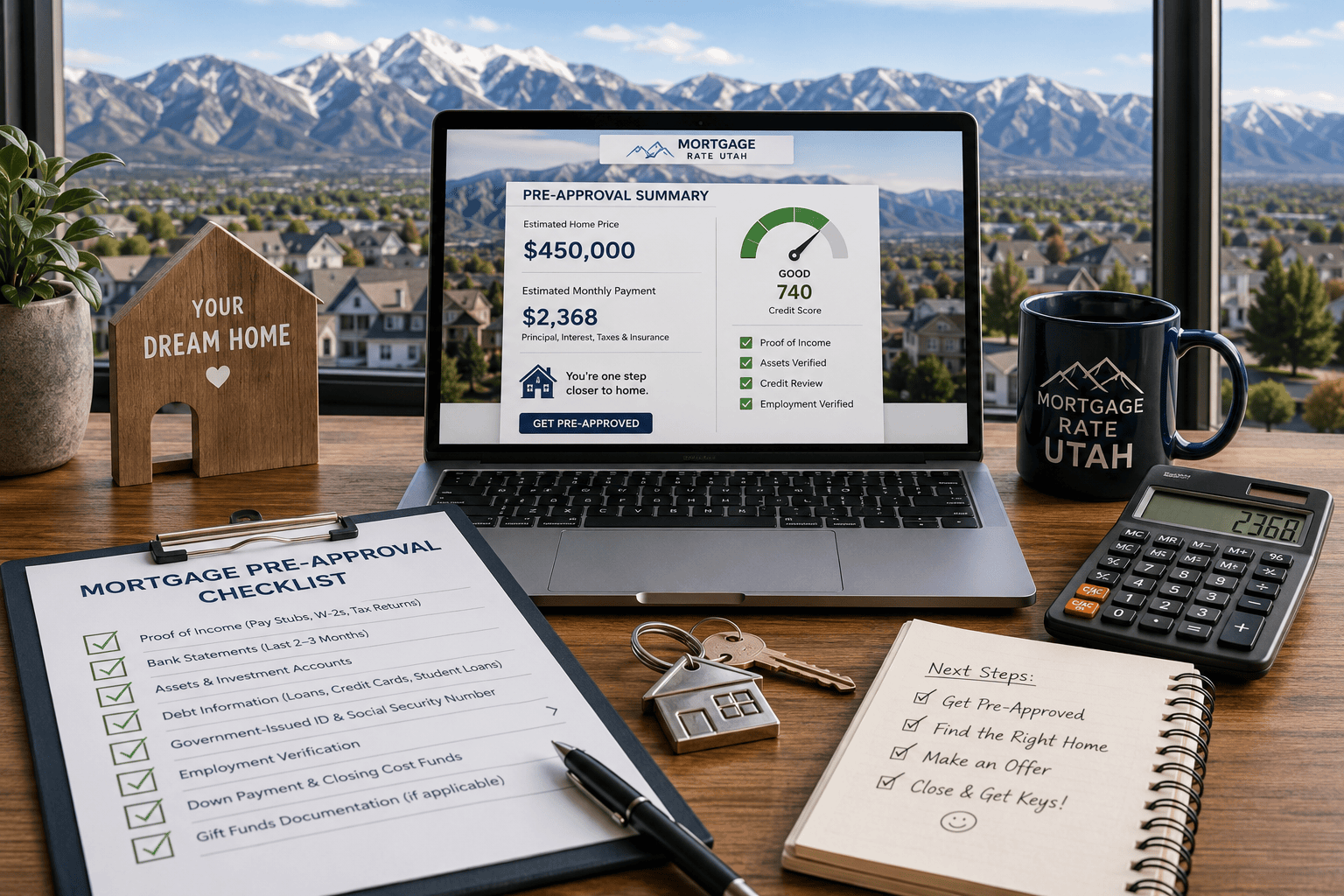
Before making a final decision, compare mortgage rates side by side and speak with a local mortgage broker. Using tools like a home loan calculator and mortgage pre-approval checklist can help you stay ahead in Utah’s fast-paced housing market.

Navigating New Beginnings: A Utah Mortgage Calculator for Aspiring Homeowners

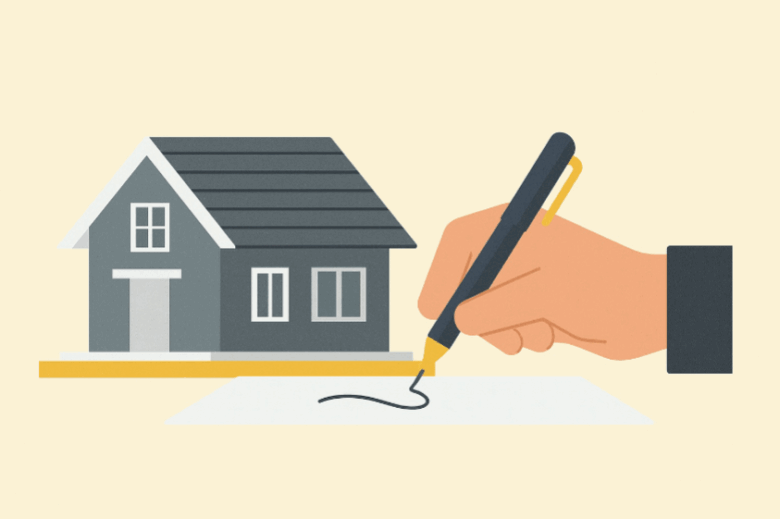
First-time homebuyer signing mortgage documents to close on a Utah home

Estimate Monthly Payments the Smart Way with a Utah Mortgage Calculator

A Utah mortgage calculator is one of the most important tools in your homebuying journey. It helps you estimate your monthly payment based on:

  • Purchase price
  • Down payment
  • Interest rate
  • Loan term (15 or 30 years)
  • Property taxes, homeowners insurance, and HOA fees (if applicable)

Let’s say you want to buy a $400,000 home in Utah County with a 5% down payment. Plug those numbers into a mortgage calculator to see your projected monthly cost—including real, local expenses like Utah property taxes.

Pro tip: Choose a calculator that includes Utah-specific taxes and insurance for the most accurate results.

Home with Utah Mortgage

Low Down Payment Mortgage Programs You Should Know

You might be surprised how many low down payment mortgage Utah programs are available, especially for first-time buyers. Here are some top options that could reduce or eliminate your need for a big cash down payment:

Utah Housing Corporation (UHC)

  • Offers FHA, VA, and USDA loans with up to 6% in down payment assistance.
  • Accepts moderate credit scores and income levels.
  • Ideal if you don’t have 20% saved but still want to buy a home.

HomeFirst Salt Lake City Program

  • Offers up to $14,000 in down payment help.
  • Forgivable after 15 years if you stay in the home.
  • Excellent for buyers looking within Salt Lake City limits.

First-Time Home Buyer Tax Credit (Federal)

  • You may be eligible for a mortgage interest tax credit.
  • Could save thousands over the life of your loan.

Example of a Utah First-Time Home Buyer Calculator with Assistance Applied

Here’s how you can use a Utah mortgage calculator if you qualify for down payment assistance. Let’s say you qualify for $10,000 in help:

  • Home price: $400,000
  • Down payment after assistance: $10,000 instead of $20,000
  • Monthly payment = lower (less cash upfront and potentially lower interest rates)

This simple change could make homeownership a reality years earlier than expected.

Many people think they need 20% down. With low down payment mortgage Utah options and local programs, many buyers purchase with as little as 3%. The link below has some local programs to check out!

First Time Home Buyer Programs

Smart Tips for Home Buying Success in Utah

Whether you’re buying in Salt Lake, Ogden, or St. George, here are a few smart steps to improve your experience as a first-time home buyer in Utah:

  • Get pre-approved early: Know what you can afford before you start looking.
  • Budget for closing costs: These usually run 2–5% of the loan amount.
  • Research emerging areas: Cities like Tooele, Spanish Fork, and Lehi often have more affordable inventory and new builds.

Why A Local Mortgage Lender Makes A Difference

Working with a Utah mortgage lender instead of a national chain gives you:

  • Access to local assistance programs
  • Better understanding of Utah property tax rates
  • Faster turnaround times and more personal service

Becoming a first-time home buyer in Utah doesn’t have to be confusing. With tools like a Utah mortgage calculator and access to low down payment mortgage Utah programs, you can turn your dream into a reality faster than you think.

Ready to start? Try our free Utah mortgage calculator or contact our lending team to learn more about first-time buyer options in your area. For more information on the process, check out some of our other articles:

Other Helpful Articles

https://www.mortgagerateutah.com/mortgage-prequalification-vs-preapproval-in-utah-what-homebuyers-need-to-know/

The Best Guide To Understanding Mortgage Rates in Utah

What are mortgage rates and how can I find the best mortgage rate? Mortgage rates are interest rates charged by lenders for home loans and determine the cost of purchasing a home. These tend to fluctuate based on current economic conditions when looking at Utah’s booming real estate market. This has led to increased home prices. And is why mortgage rates are essential to take into consideration for new and old home buyers. The smallest incremental changes can significantly affect your monthly and the total amount that is paid over the loan’s life. Check out our Mission page to learn more about how we can help you with all things involving mortgage rates. 

best mortgage rate Utah family home house buying home

Factors that influence Mortgage Rates

We have to look at factors that are influencing these increased or lower rates in Utah. Currently Utah is being driven by:

  • High population growth,
  • New residents,
  • And new employment opportunities especially in the tech industry with companies like Adobe. All these factors end up driving up the mortgage rates for Utah.

Utah mortgage rates are generally in line with national averages, although they can vary slightly depending on local housing market trends. For example: rapid growth in Utah’s housing market may cause rates to fluctuate more than in states with a more stable market. Comparing Utah mortgage rates with national averages can help you understand if you’re getting a competitive offer. Use online rate comparison tools or consult with local lenders to find the best rate available to you.

Tips for getting the best Mortgage Rate in Utah

Securing the lowest possible mortgage rate requires preparation and research. Start by improving your credit score. You can do this by paying down debt, avoiding new credit inquiries, and ensuring all your payments are on time. Learn more about your credit score by visiting the Consumer Financial Protection Bureau.  Saving for a larger down payment can also help you qualify for a better rate. Shopping around and getting quotes from multiple lenders is crucial; even a slight difference in rates can lead to significant savings over the life of the loan.

Refinancing Your Mortgage in Utah

Refinancing your mortgage rate in Utah can be extremely beneficial for the homeowner. This is especially true if today’s home mortgage interest rates are lower than when you previously got your loan. In addition to the refinancing interest rates, you must also keep in mind other costs that could be associated with the process. Our page on Refinancing Advice allows for an even more in-depth look on how and when homeowners refinancing is a good idea. 

Utah’s mortgage rates play a critical role in the affordability of homeownership. Mortgage rates in Utah can be influenced by economic conditions, local market trends, and personal financial factors. Whether you’re a first-time buyer, looking to refinance, or simply comparing rates, understanding these elements can help you to find your mortgage solutions. By improving your credit score, saving for a larger down payment, and shopping around for the best mortgage rate, you can optimize your mortgage options. For more insights and expert guidance, explore our Mortgage and Money Resources page for a deeper understanding of mortgage rates in Utah, visit our Saving and Investing section for refinancing tips, and find the best mortgage rate in Utah.

Everything You Need to Know About Mortgage Rates in Utah: A Homebuyer’s Guide

Understanding Mortgage Rates in Utah

What Are Mortgage Rates and Why Do They Matter?

Mortgage Rate Utah

Mortgage rates are the interest charged on home loans. They significantly affect the total cost of homeownership. These rates frequently fluctuate based on inflation, the Federal Reserve’s policies, and market demand. In Utah, mortgage rates depend on credit scores, loan types, and lender policies. Therefore, understanding these factors helps homebuyers make informed financial decisions when refinancing or purchasing a home.

Current Mortgage Trends in Utah

Recently, Utah’s real estate market has seen rising interest rates, which have affected housing affordability. As a result, homebuyers should actively track mortgage rates and compare adjustable vs. fixed-rate options. Since federal and local factors influence Utah’s home-buying rates, staying informed allows buyers to choose the best loan for their situation.

Utah's rising rates impact affordability.

How Interest Rates in Utah Are Determined

Market conditions, housing supply, and demand primarily determine Utah’s interest rates. Although buyers cannot control these factors, they can improve their credit scores to secure lower rates. Since low credit scores lead to higher interest rates, improving creditworthiness is crucial. Furthermore, comparing mortgage providers is essential, as different lenders offer varying rates. Additionally, researching fees and prepayment penalties before choosing a mortgage can help avoid unexpected costs.

Locking in an interest rate can prevent fluctuations, offering financial stability. To learn more, the Utah Department of Financial Institutions provides mortgage tips and information on rate locks. Visit their site here: https://dfi.utah.gov/general-information/consumer-tips/mortgage-loan-tips/.

Fixed vs. Adjustable-Rate Mortgages: Which One Is Best?

Utah fixed-rate mortgages (FRMs) and adjustable-rate mortgages (ARMs)

When applying for a home loan in Utah, the two most typically chosen options for mortgage rates are fixed-rate mortgages and adjustable-rate mortgages.

Fixed-Rate Mortgages (FRM)

These loans have a stable interest rate throughout the term. As a result, they offer predictable monthly payments, making them ideal for long-term loans (10+ years). However, they typically start with higher rates than ARMs. Moreover, if market rates drop, borrowers cannot adjust their original rate.

Adjustable-Rate Mortgages (ARM)

These loans start with a lower interest rate but adjust based on market conditions. Consequently, they work well for short-term loans or those planning to refinance or sell soon. However, rates can rise over time, leading to unpredictable payments. Therefore, ARMs are riskier for long-term borrowers.

Should You Refinance Your Mortgage?

Refinancing replaces an existing mortgage with a new one. Many homeowners refinance to lower rates, reduce monthly payments, or access home equity. Even a slight rate drop can lead to significant savings. Additionally, refinancing can shorten loan terms or switch an ARM to an FRM for stability.

Furthermore, cash-out refinancing provides funds for renovations or investments. However, since refinancing comes with fees, homeowners must carefully weigh the costs against the benefits before proceeding. The U.S. Department of Housing Development gives advice on when to refinance.

Refinancing lowers costs, modifies loans.

Making Smart Mortgage Decisions in Utah

If you’re a homeowner considering refinance rates in Utah or a first-time homebuyer navigating the mortgage process, it’s important to understand mortgage rates in Utah. Comparing fixed vs. adjustable-rate mortgages, observing current interest rates, and using tools like mortgage calculators can help secure the best possible loan. Advising with local lenders and researching Utah home loan options can offer insights aligned with your financial goals. For more detailed guidance, check out our first-time homebuyer resources and refinancing insights to take the next step toward homeownership.