


Utah’s Guide to Fixed-Rate Mortgages

Utah valley housing with mountain in background. Understanding mortgage rates in Utah.

Understanding 30-Year Fixed-Rate Mortgages in Utah

A 30-year fixed mortgage rate may seem daunting, but it doesn’t always have to be. Many issues can stem from just not fully understanding the process. By breaking it down into easier steps such as advantages, factors influencing fixed rates, and how long your loan should be, you will leave feeling confident in your knowledge of mortgage rates within Utah. 

A 30-year fixed-rate mortgage is the most popular loan length allowing homeowners to purchase property by paying the balance over 30 years through fixed interest rates. The loan features predictable monthly payments as payments stay unchanged throughout the loan period. This length choice stands out as the most popular selection for first-time homebuyers as monthly payments are lower than what borrowers would pay with shorter mortgage terms. Residents of Utah frequently choose this type as it helps them purchase homes in an ever-changing market by providing steady payment amounts.

Advantages of a 30-Year Fixed-Rate Mortgage

There are several benefits to a 30-year fixed mortgage rate. Borrowers with mortgage rates such as these benefit from consistent monthly payments that remain lower than those for 15-year mortgage loans. When choosing this payment plan, homeowners can extend their financial resources ultimately leading them to purchase their dream homes, staying far away from compromise. Fixed interest rates also protect borrowers from market rate increases, establishing a constant payment amount for future periods. Because of its stable payment plan, Utah families can more confidently plan their future while living in this constantly evolving housing market.

Factors Influencing 30-Year Mortgage Rates in Utah

A variety of factors affect the rates of 30-year mortgages in Utah. Some significant economic factors that usually play a part can include inflation, employment rates, and the country’s general economic well-being. Monetary policies of the Federal Reserve can also affect mortgage rates indirectly. For instance, when the Federal Reserve raises interest rates, banks are forced to increase the rates at which they borrow money leading to higher costs for consumers. Locally, mortgage rates within Utah are influenced by the market demand for housing and property values as lenders change their interest rates according to market trends.

As of 2025, the 30-year fixed rate mortgage in Utah sits at 6.56%, which is only slightly below the current national average. This is possible due to Utah having a strong economy, with a prosperous and overall healthy housing market to follow. As a result, rates are relatively stable compared to other states. It is predicted that mortgage rates in Utah will stay between 6.0% and 6.9% throughout 2025. For potential homebuyers, any rate changes will be accompanied by changes in their monthly payments and the overall total amount paid toward the loan.

30-Year vs. 15-Year Fixed Rate Mortgages

You may be wondering, why choose a 30-year over a 15-year mortgage? The major disadvantage of a 15-year mortgage is the higher and more frequent monthly payments that accompany it. Alternatively, the main advantage is that homeowners can make fewer payments, overall paying less in interest over the life of the loan. This option is quite popular in Utah for buyers who want to build equity quickly or be mortgage-free as soon as possible. The choice between a 30-year and 15-year mortgage ultimately boils down to the personal financial objectives, income stability, and personal preference of each individual homeowner.

Take-Aways

In conclusion In Utah, many homebuyers prefer a 30-year fixed-rate mortgage as it offers affordability and financial planning advantages. Understanding the advantages and disadvantages of each available option helps individuals select the correct mortgage term for their circumstances. However, It is crucial to make sure to evaluate your own financial goals before making a final decision. Our website https://www.mortgagerateutah.com/ features additional resources about Utah mortgages and current rate information. Additional resources include the Utah Department of Financial Institutions and City Creek Mortgage which can help you discover more detailed and specific loan options.
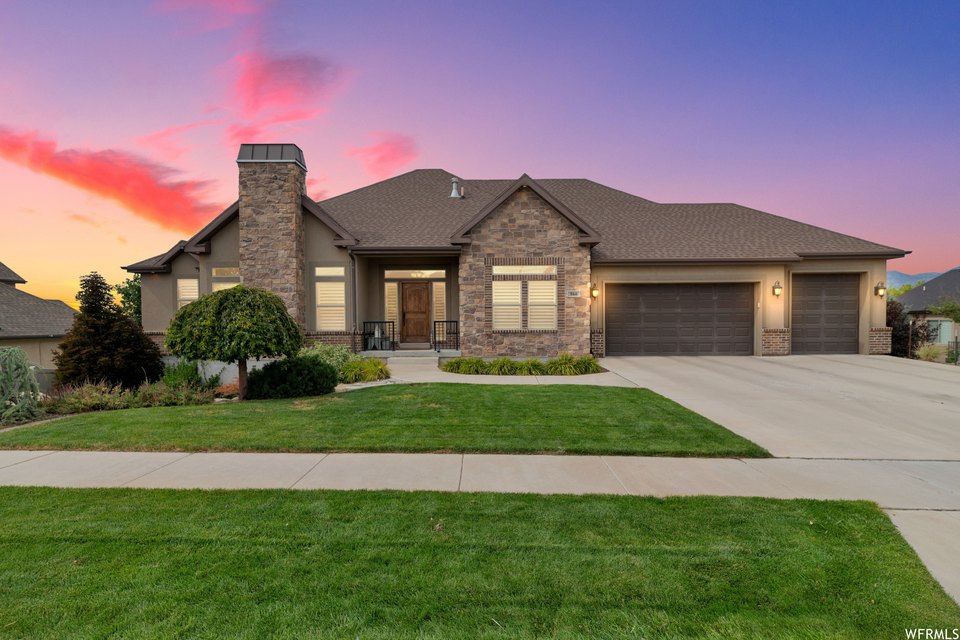

Is Now a Good Time to Refinance in Utah?

Home financed through one of the various types of mortgages

First of all, what does it mean to refinance?

The process of refinancing has the goal of replacing a homeowners existing mortgage with a new one! The new mortgage typically has more favorable terms for the homeowner to live life more comfortably. This could mean securing a lower interest rate, reducing your monthly payments, or shortening the loan term.

A process called “cash-out refinancing” allows homeowners to tap into the equity they’ve built in their home and use that money for other possible areas of life. Homeowners may typically use this money for higher education, remodeling, and paying off other loans. There are many different reasons why a refinance could be for you. Refinancing is a valuable tool used by many homeowners. Let’s find out if it’s a good time for you!

Utah homeowners reviewing options for refinancing.

Lower interest rate? When and why.

First off, when and why should you lower your interest rate? Refinancing your mortgage makes sense for several reasons; one of which is lowering interest rates. But why is it so important? The main reason is it allows you to save money every month and who doesn’t want that? The key is WHEN you do it. You can’t refinance at any time or else you could lose money instead of saving it.

The first thing you need to do is look at market rates as the ideal time to refinance is when market rates have fallen below the rate on your current loan. Second, if you want to refinance, calculate the break even point of your loan so you’ll know exactly how long it will take to reap the benefits. A good source to learn more about when and how to figure out the timing on When Should You Refinance?

Reducing your monthly payments

Mortgages are expensive, budget constricting, and just flat out stressful. Figuring out how to lower your monthly mortgage payment can help you keep your housing expenses and budget affordable yet sustainable. Here are a few strategies to combat your high mortgage payment.

First and foremost, refinancing is the most effective and easiest way to lower your monthly payment. Second, lengthening your loan term, it spreads your payments out more and reduces your monthly payment. Lastly, shop for cheaper homeowners insurance, if you can find a cheaper rate out there, it is an easy way to save you money without refinancing or stretching out your mortgage. If you want to see more strategies to lower your monthly payments check out How to Lower Your Monthly Mortgage Payment.

Making the most of your money and how to save every last penny.

Shortening your Loans

No one wants to be stuck on a 30 year loan. Less time = less interest. If the principal is paid in a higher amount at the start, as well as an increase in the monthly payment, the time that is associated with the loan goes down. But why does that matter? Think of it this way. The longer someone pays on a loan, the more interest they are putting down on that loan. When the loan is shortened, less interest is paid overtime ultimately saving you money. Because who doesn’t want to save money? Not sure which loan to pick or have more questions? The Purchase Rates and Types of Loans pages can give you more information on what loan types work best for you.

Live out your loan term in a state of "life elevated."

Cash Out Refinancing

First of all, what is cash-out refinancing? Cash-out refinancing is a type of mortgage loan. This specific mortgage loan allows you to replace your existing mortgage loan with a larger mortgage, and then you, the homeowner, can keep the difference and take advantage of your home’s equity!

First, let’s see if you qualify for cash-out refinancing. To qualify for cash-out refinancing, you first have to have equity in your home. What does it mean to have equity in your home? To have equity in your home, your home’s value must be greater than the current mortgage balance.

Now let’s decide if refinancing your mortgage is for you! If saving money in the long run, reducing your monthly payments, or obtaining lower interest rates sounds like something you’d be interested in, then refinancing may be for you! To get a better understanding of your mortgage loan type; 30 year loan or 15 year loan, refinancing can look different. If you want to learn more about which direction may be best for you our 30 years vs 15 years Mortgage Loans page can give you more information

Cash Out Refinancing

In Conclusion:

Cash out refinancing is a great way to save money on home investments and steer away from longer loan periods that may rack up interest over time. Buying a home can be a scary decision, but our website has many great resources and tools that you need to help you on your way to make that purchase count. Still have questions or are looking for a customized rate? Contact us! You can receive free rate calculations and pre-approvals that are tailored to your needs and lifestyles.

Authors: Isaac Villafranca, Anna Lam, Tim Withers, Bridger Speirs