

Utah Housing Loan: The Key to Affordable Homeownership in Utah

If you’re exploring homeownership in the Beehive State, a Utah housing loan might be your best path forward. Whether you’re a first time home buyer in Utah, a low-income family, a self-employed professional, or even a single parent, Utah offers a wide range of mortgage programs tailored to your needs. These programs—often backed by the Utah Housing Corporation—can help make buying a home more affordable with flexible credit requirements, down payment assistance, and low-interest financing options.

FHA Home Loan in Utah: A Flexible Option for New Buyers

The FHA home loan in Utah is one of the most popular loan options for new buyers, particularly those with moderate or low credit scores. FHA loans are backed by the federal government and offer a down payment as low as 3.5%. These loans also pair well with Utah housing loan programs, which may include grants or second mortgages to assist with upfront costs.

If you’re not sure whether an FHA loan is your best fit, consider using a home loan comparison in Utah to explore other choices. For many, the FHA option stands out thanks to its low barrier to entry and compatibility with Utah mortgage assistance offerings.

The Utah First Time Home Buyer Program: What You Should Know

The Utah first time home buyer program offers significant support for those purchasing their first home. Through the Utah Housing Corporation, eligible buyers can access programs like FirstHome, HomeAgain, Score, and NoMI—all designed to support individuals with limited income or credit history.
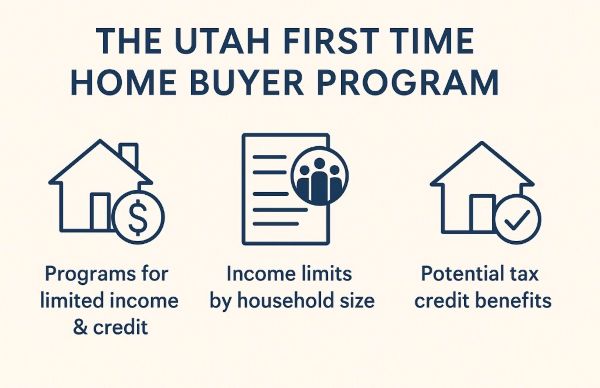
These programs often come with Utah housing first time buyer income limits, which are set based on household size and location. If you qualify, you may also be eligible for the first time home buyer tax credit in Utah, giving you additional savings after your purchase.

Don’t forget to check whether your home qualifies for a USDA home loan in Utah—an option for buyers in rural areas—or if you’re a veteran, a VA home loan in Utah might offer zero down and no mortgage insurance. Check out Tools to Beat Today’s Mortgage Rates

Utah Mortgage Preapproval Checklist: Preparing for Success

Before you apply for a mortgage, use a Utah mortgage preapproval checklist to get organized. Preapproval increases your credibility with sellers and gives you a clearer idea of your budget.

Here’s what you’ll likely need:

  • Two years of tax returns and W-2s
  • Recent pay stubs or income proof
  • Asset documentation and bank statements
  • Photo ID and Social Security number

For buyers in unique situations, such as applying for a mortgage for self employed in Utah, you’ll need to provide business income verification, including profit-and-loss statements and 1099 forms. Similarly, a mortgage for single parents in Utah may involve proof of child support or government assistance.
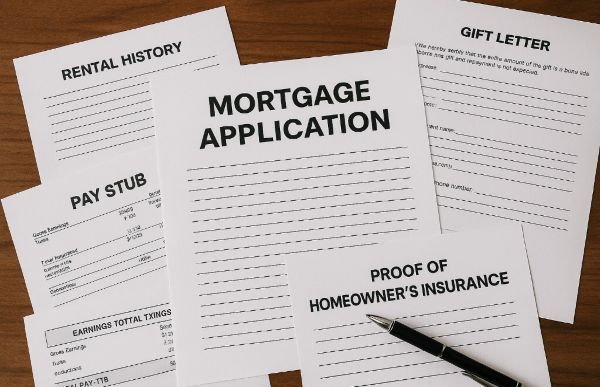
Collecting the documents needed for a mortgage application in Utah can feel overwhelming, but preparation makes the process smoother. Beyond financial records, lenders may also ask for rental history, gift letters (if applicable), and proof of homeowner’s insurance. These documents are crucial, especially when you’re applying for low income mortgage programs in Utah or using down payment assistance Utah funding.

Low Down Payment Mortgage Options in Utah

If saving for a down payment is holding you back, you’re not alone. Thankfully, low down payment mortgage Utah options can get you into a home with minimal upfront cost. These programs—often available through the Utah housing loan system—include grants or secondary loans that cover both the down payment and part of the closing costs.

Working with one of the best lenders for first time buyers in Utah ensures you receive guidance on these options and helps you navigate the eligibility criteria effectively.

How to Apply for a Home Loan in Utah

Understanding how to apply for a home loan in Utah is simpler when broken down step-by-step:

  1. Gather financial documents and get preapproved
  2. Choose a lender or mortgage broker in Salt Lake City
  3. Explore Utah housing loan programs
  4. Compare offers using a home loan comparison Utah tool
  5. Submit your full application and schedule a home inspection

The best mortgage companies in Utah will walk you through each of these steps and ensure you receive all applicable Utah mortgage assistance.

Refinance and Beyond: Getting the Best Rates in Utah

Already a homeowner? You may still benefit from the best refinance rates Utah. Refinancing your existing mortgage—especially if you originally used a Utah housing loan—can lower your monthly payments or reduce your interest rate. Be sure to ask your lender if you qualify for a streamlined refinance under FHA or VA guidelines.

Choosing the Right Lender or Mortgage Broker in Salt Lake City

Partnering with a mortgage broker in Salt Lake City can help you compare multiple loan options at once, especially if you’re not sure whether to go with a conventional, FHA, VA, or USDA home loan in Utah. Brokers often have access to exclusive rates and can assist with unique needs like self-employment income or single-parent households.


Navigating 30-Year Fixed-Rate Refinancing in Utah: Your Complete Guide

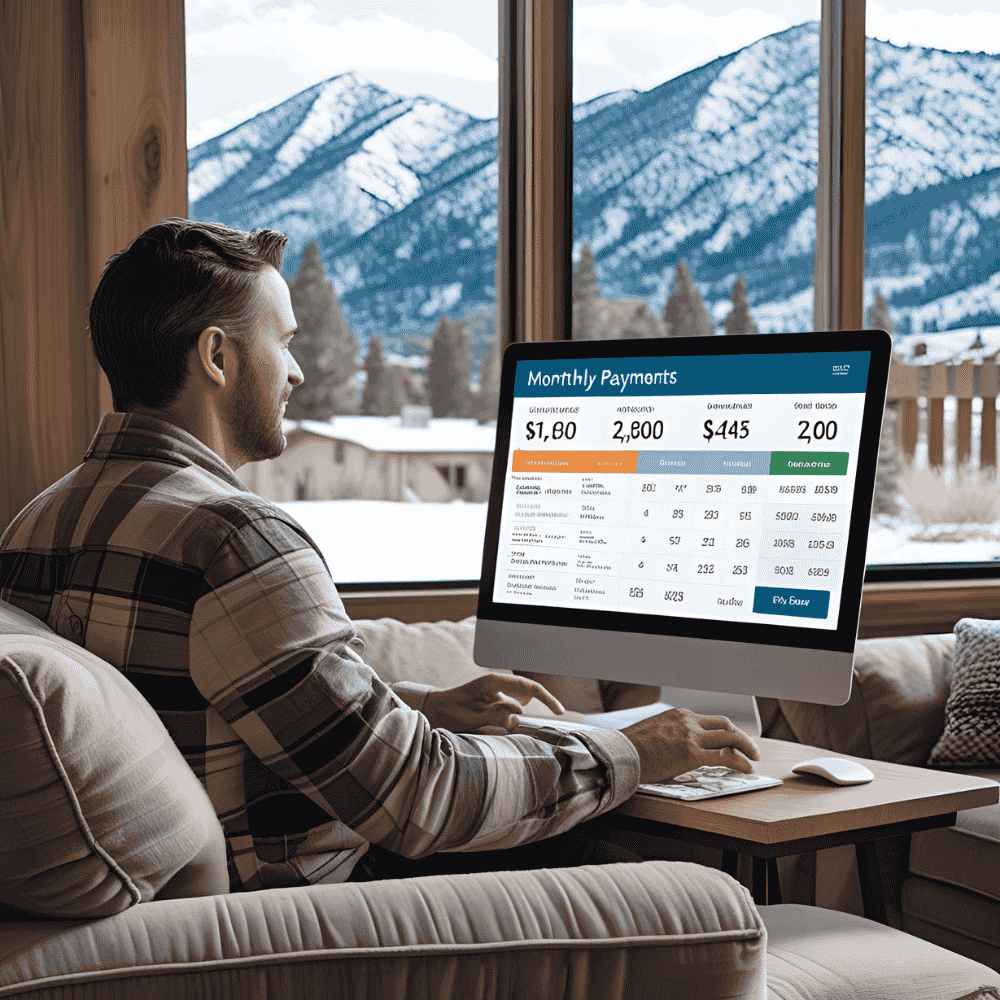
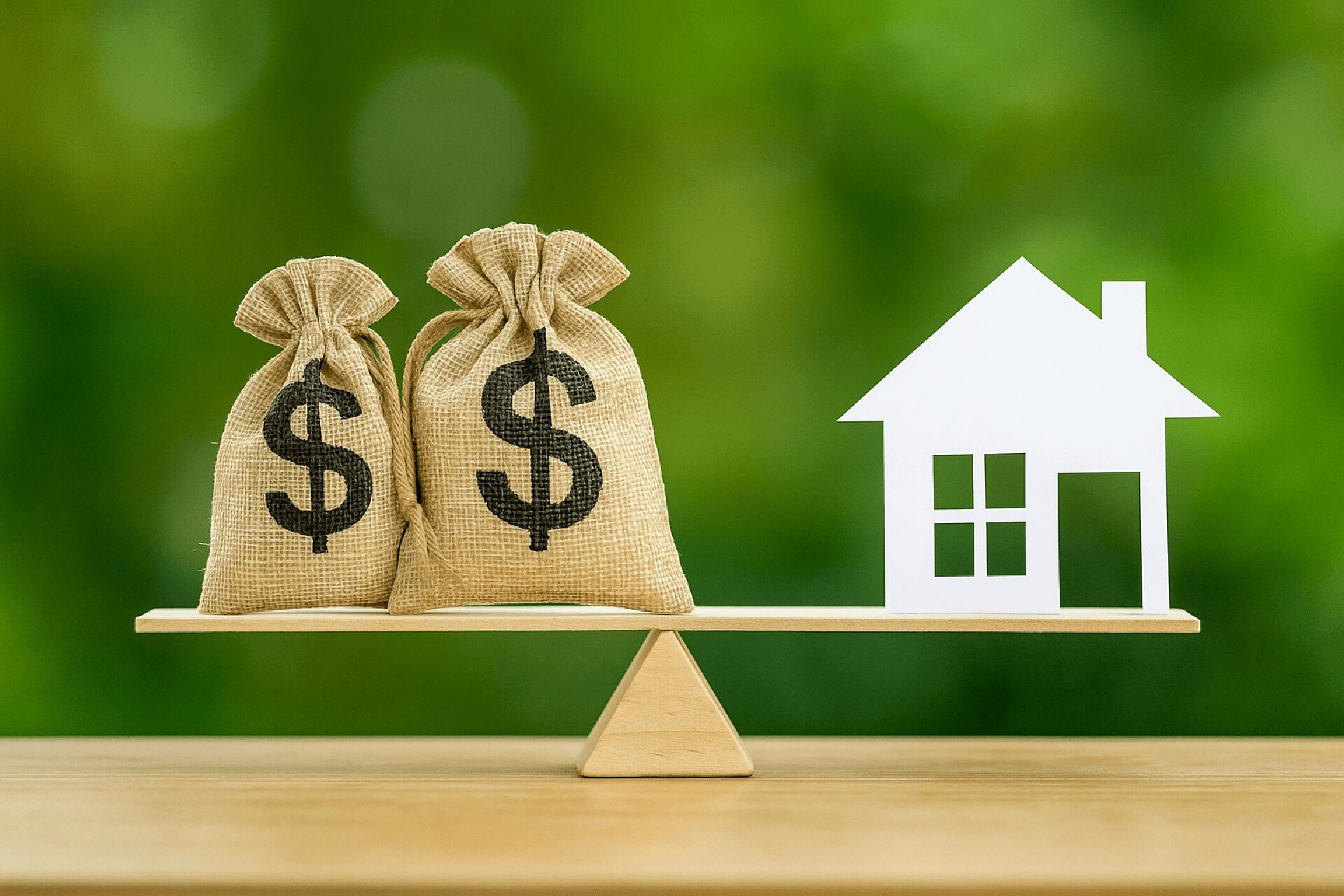
Person deciding to refinance

Navigating 30-Year Fixed-Rate Refinancing in Utah: Your Complete Guide

For many Utah homeowners, their home is not just a place to live; it’s a significant financial asset. As market conditions evolve, understanding your mortgage options becomes paramount. Among the various choices, the 30-year fixed-rate mortgage stands out as a popular and stable option, especially when considering refinancing. This guide will delve into the intricacies of 30-year fixed-rate refinancing in Utah, exploring everything from current refinance rates 30 year fixed to the potential impact on your monthly budget and long-term financial goals. Haven’t bought your forever home yet? Check out our tips and tricks to buying in Utah.

Understanding the Appeal of a 30-Year Fixed Mortgage

A 30-year fixed mortgage offers remarkable predictability, a quality highly valued by homeowners. Unlike adjustable-rate options, this loan type is characterized by a consistent interest rate throughout the entire loan term. This stability ensures that the principal and interest portion of your mortgage payment 30 years remains unchanged, providing a predictable housing cost for three decades. When you decide to refinance into a 30-year fixed loan, you are essentially replacing your existing mortgage with a new one that locks in these stable rates refinance 30 year fixed, offering a sense of financial security. Want to learn more about your current mortgage? Check out our helpful piece on understanding your mortgage .

Why Consider Refinancing Your Mortgage?

The decision to refinance into a new 30 year mortgage is often driven by several strategic financial motivations. Understanding these can help you determine if it’s the right move for your current situation:

  1. Lowering Your Monthly Payments: This is perhaps the most compelling reason homeowners explore refinance rates 30 year fixed. If today’s refinance mortgage rates 30 year fixed are significantly lower than what you’re currently paying, even a modest reduction can lead to substantial long-term savings and a more manageable mortgage payment 30 years. Many individuals actively seek the lowest 30 year refinance rates or the best 30 year refinance rates to optimize their monthly budget.
  2. Accessing Home Equity (Cash-Out Refinance): A cash out refinance rates 30 year fixed allows you to leverage your home’s accumulated equity. This popular option provides a lump sum of cash, ideal for funding major expenses such as home renovations, educational pursuits, or consolidating high-interest debt. When considering this, it’s crucial to thoroughly evaluate the 30 year cash out refinance rates and compare them against other financing avenues.
  3. Changing Loan Terms: Life circumstances change, and so might your financial capacity. If you’re currently managing a more aggressive 15-year loan and find its higher mortgage payment challenging, refinancing from 15 to 30 year loan can dramatically reduce your monthly obligations, thereby improving your cash flow. Conversely, if your goal is to pay off your home faster and you can comfortably afford higher payments, refinancing from 30 year to 15 year mortgage can save you significant interest over the loan’s lifetime.
  4. Switching Loan Types: For those with an adjustable-rate mortgage (ARM) who desire greater stability, a 30-year conventional mortgage refinance rates option provides the security of a predictable fixed rate, shielding you from future market fluctuations.

Factors Influencing Your 30-Year Refinance Rate

While general trends like the average 30 year refinance rate are widely reported, your specific refinance rates 30 year fixed in Utah will be a personalized reflection of several individual and broader market factors:

  • Credit Score: Your creditworthiness is a primary determinant. A robust credit profile, typically a FICO score of 740 or higher, will generally qualify you for the most favorable and lowest 30 year mortgage refinance rates.
  • Loan-to-Value (LTV) Ratio: This ratio compares your loan amount to your home’s appraised value. A lower LTV, indicating substantial equity in your home, usually translates into more competitive rates refinance 30 year fixed.
  • Debt-to-Income (DTI) Ratio: Lenders meticulously assess your ability to comfortably manage monthly payments by comparing your total monthly debt obligations against your gross monthly income.
  • Discount Points: You may have the option to pay “points” (prepaid interest) at closing, which are essentially prepaid interest. In exchange for this upfront cost, you can secure a lower interest rate over the life of the loan.
  • Market Conditions: Broader economic indicators, including inflation rates and the monetary policies set by the Federal Reserve, exert a direct influence on mortgage rates today refinance 30 year fixed across the market.

Understanding Your 30-Year Mortgage Payments: A Look at the Numbers

Understanding 30-Year Mortgage Payments

One of the most practical considerations for any homeowner contemplating a refinance is the actual mortgage payment 30 years. While an online mortgage 30 years calculator is an invaluable tool for precise figures, let’s explore some typical scenarios to give you an idea of potential monthly principal and interest payments (note: these figures are illustrative and do not include property taxes or home insurance, which vary by location in Utah):

  • For a $100 000 mortgage payment 30 years, at an example 6.5% interest rate, your principal and interest payment would be approximately $632.
  • A $250 000 mortgage payment 30 years at the same 6.5% rate would be around $1,580.
  • If you have a $300 000 mortgage payment 30 years, expect to pay roughly $1,896.
  • For a $350 000 mortgage payment 30 years, the payment could be approximately $2,219.
  • And for a $400 000 mortgage payment 30 years, it would be in the vicinity of $2,528.
  • Even for a $500 000 mortgage 30 years, the monthly principal and interest could be around $3,160.

These examples powerfully demonstrate how significantly the total loan amount impacts your monthly mortgage payment 30 years, even with consistent interest rates.

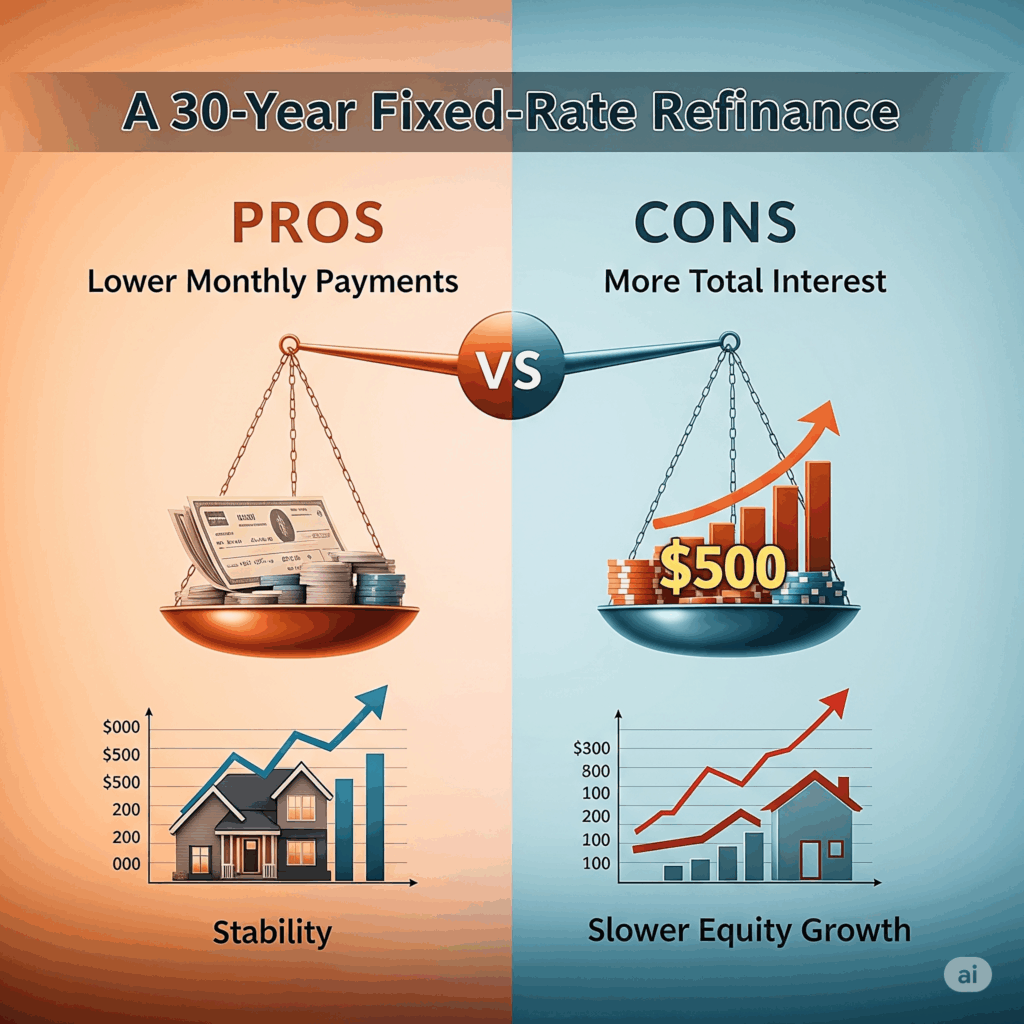
The Pros and Cons of a 30-Year Fixed Refinance

Pros and Cons of 30-Year Fixed Refinance

Choosing a 30-year fixed loan for your refinancing comes with a distinct set of advantages and disadvantages, which are crucial to weigh against your personal financial goals:

Pros:

  • Lower Monthly Payments: Spreading the loan over 30 years typically results in the lowest possible monthly principal and interest payment, significantly improving your monthly cash flow.
  • Payment Stability: The fixed interest rate provides unparalleled budget predictability, effectively shielding you from future rate hikes and market volatility.
  • Financial Flexibility: Lower payments can free up valuable funds that can be strategically redirected towards other investments, bolster your savings, or accelerate the repayment of other higher-interest debts.
  • Wider Lender Choice: Due to its widespread popularity, you’ll generally find a broad array of competitive 30 year mortgage quote options from numerous lenders, offering ample choice.

Cons:

  • More Total Interest Paid: Over a lengthy 30-year term, you will inevitably pay a significantly larger sum in total interest compared to a shorter-term loan, such as a 15-year fixed mortgage.
  • Slower Equity Build-Up: The extended amortization schedule means that a smaller proportion of your early payments is allocated towards reducing the principal, which can slow down the pace at which you build home equity.
  • Slightly Higher Interest Rates: In some market conditions, the 30 year refinance rates offered might be marginally higher than the interest rates available for 15-year terms on the same day.

Specialized 30-Year Refinance Scenarios and Lender Considerations

Beyond the standard conventional mortgage refinance rates, several specialized scenarios might apply when considering a 30-year fixed loan:

  • 30 year second home mortgage rates: If you own a vacation home or an investment property in Utah, refinancing it can carry different rate implications compared to a primary residence, often due to perceived higher risk.
  • Lender-Specific Rates: As you explore the lowest 30 year mortgage rates refinance, you’ll likely encounter specific offers from various financial institutions. For instance, some individuals actively seek USAA 30 year mortgage rates, Navy Federal 30 year mortgage rates, or Alliant Credit Union 30 year mortgage rates. It’s always prudent to compare offers from a diverse range of lenders to ensure you secure the best 30 year refinance rates tailored to your unique financial situation.

Getting Your Personalized 30-Year Mortgage Quote in Utah

The most effective way to determine if a 30-year fixed-rate refinance aligns with your financial aspirations is to obtain a personalized 30 year mortgage quote. It’s important not to rely solely on broadly advertised mortgage rates today refinance 30 year fixed, as these are often presented for ideal borrower profiles. A local Utah mortgage professional possesses the expertise to help you understand all the intricate factors at play, including closing costs and fees, and can expertly guide you through every step of the process. They can thoroughly explain how various scenarios, such as refinancing from 15 year to 30 year or vice-versa, will specifically impact your financial future.

Ultimately, whether your primary goal is to find the lowest 30 year refinance rates to significantly reduce your monthly expenses, or you’re contemplating a cash out refinance rates 30 year fixed to strategically unlock your home’s equity, making a well-informed decision is paramount. By understanding the profound nuances of the 30-year fixed loan, diligently comparing rates refinance 30 year fixed, and carefully considering your long-term financial objectives, you can confidently navigate the dynamic Utah mortgage market. We encourage you to reach out to a local expert today to get a tailored 30 year mortgage quote and thoroughly explore all your available options.

Unlock Your Dream Home: Utah Home Loans and Tools to Beat Today’s Mortgage Rates

Woman mortgage lender calculating mortgage rates in Utah at her desk with mountains in the background through her window

Buying a home in Utah is both exciting and complex, especially with interest rates shifting and a wide range of home loan options to consider. From estimating monthly payments to comparing lenders, knowing how to use the right mortgage tools can save you time and money. Whether you’re a first-time buyer or considering a home equity loan, understanding key calculators and current rates is critical.

Woman mortgage lender calculating mortgage rates in Utah at her desk with mountains in the background through her window

Start With Smart Planning: Tools to Estimate What You Can Afford

Before applying for a loan, it’s important to evaluate your buying power. That’s where the Home Affordability Calculator comes in. By entering your income, down payment, and debt, this tool helps you determine a realistic home price range based on your financial picture.

Another essential tool is the mortgage calculator. Simple yet powerful, a Mortgage Calculator can break down your estimated monthly payment, including taxes and insurance. If you want a quick answer on the go, try the mortgage calculator. It’s an easy ways to explore payment options without a deep dive.

Try our Free Mortgage Calculator now to estimate your payments in seconds.

Dig Deeper with Amortization Schedules

Understanding how your mortgage balance decreases over time is crucial to long-term planning. Use an amortization calculator or loan amortization calculator to track how much of your payment goes toward principal vs. interest.

You can also Calculate a Loan Payment and Amortization Schedule tailored to your specific loan terms. These tools allow you to compare scenarios like prepayments or switching from a 30-year to a 15-year loan.

Learn more about how amortization works on Investopedia.

Monitor Interest Rates in Utah

Knowledge is power! Especially when it comes to mortgage interest rates. Check our Current Rates to stay informed. Comparing today’s mortgage rates with past trends can help you lock in a more favorable rate.

Ready to commit? Compare 30-Year Mortgage Rates Today to see how lenders stack up. You can also Compare current mortgage interest rates across different loan types to find the best deal for your situation.

For Utah buyers, home loan mortgage rates can vary based on your credit score, down payment, and location, so use a home loan mortgage calculator to explore options in real-time.

See today’s mortgage rates in Utah and find the best fit for your needs.

Don’t Overlook Equity: Long-Term Financial Strategy

As your mortgage matures, you begin to build home equity. This can be used strategically through a home equity loan or line of credit. A Home Equity Loan Calculator can help you see how much value you’ve built and what portion may be available to borrow against. Whether you’re planning home improvements or consolidating debt, understanding your options can lead to smarter financial decisions.

As your mortgage matures, you begin to build home equity. This can be used strategically through a home equity loan or line of credit. A Home Equity Loan Calculator can help you see how much value you’ve built and what portion may be available to borrow against.

Whether you’re planning home improvements or consolidating debt, understanding your options can lead to smarter financial decisions.

Estimate your borrowing potential with our Home Equity Loan Calculator.

Find a Trusted Partner: Work With a Local Mortgage Lender

Tools and calculators are helpful, but nothing replaces the value of a knowledgeable mortgage lender. At Mortgage Rate Utah, our lending partners are here to answer questions, explain terms, and help you navigate everything from loan pre-qualification to closing.

Whether you need a mortgage calculator or want a full breakdown from a mortgage estimator, working with the right people can make the process smoother and more rewarding.

Contact us today! Our mortgage lenders are here to help you get into your dream home.

Blue sky with the welcome to Utah sign on the left showing red mountains.

What‘s Next

No matter where you are in your home buying journey, using the right tools makes all the difference. From the Home Affordability Calculator to the loan amortization calculator, Utah buyers can feel empowered with the right data in hand. Remember to Compare current mortgage interest rates, use a mortgage calculator that fits your needs, and reach out to a trusted mortgage lender when you’re ready to move forward. MortgageRateUtah.com is your go-to resource for accurate information, free tools, and local insight.

Turn Your Home’s Value into a Wealth-Building Tool Heloc vs Home Equity

HELOC vs Home Equity Loan in Utah: Which Option is Best?

With Utah home values soaring, now’s the time to unlock your home’s potential. Whether you’re renovating, paying off debt, or covering big life expenses, understanding the difference between a HELOC vs Home Equity Loan in Utah is essential. In this guide, you’ll learn how each works and which option could be right for you.

What Is a HELOC in Utah?

A Home Equity Line of Credit (HELOC) is a flexible, revolving line of credit that lets you borrow against your home’s equity as needed. Like a credit card—only with lower interest—it’s ideal for multi-phase projects, emergency funds, or future expenses.

Many low-interest HELOC Utah lenders offer promotional rates, giving you affordable access to funds without locking into a full loan amount upfront.

How Does a Home Equity Loan Work in Utah?

Unlike a HELOC, a home equity loan provides a lump sum with a fixed interest rate and set monthly payments. This option is best for Utah homeowners with a clear, one-time financial need—like tuition, medical bills, or home upgrades.

A fixed-rate home equity loan Utah offers stability and predictability, making it easy to budget long-term.

HELOC vs Home Equity Loan in Utah: A Quick Comparison

FeatureHELOCHome Equity Loan
Interest RateVariableFixed
DisbursementAs neededLump sum
PaymentsFlexible or interest-onlyFixed monthly payments
Best ForOngoing or future costsOne-time expenses

Need more details? Compare Utah mortgage rates from trusted local lenders.

When to Choose a HELOC in Utah

A HELOC in Utah is perfect if:

  • Your expenses are uncertain or spread over time
  • You want flexible access to funds
  • You prefer to only pay interest on what you borrow

When to Choose a Home Equity Loan in Utah

A home equity loan is a better choice if:

  • You need a large sum now
  • You want a fixed rate and set monthly payments
  • You’re consolidating debt or paying for a major project

Why Tapping Utah Real Estate Equity Matters

According to Redfin’s Utah Housing Market Trends, Utah home values continue to rise—meaning your equity is growing too. By using a HELOC or home equity loan, you can turn that equity into opportunity.

Homeowners across Utah are leveraging equity to:

  • Renovate kitchens and bathrooms
  • Install solar panels
  • Consolidate credit card debt
  • Pay off student loans
  • Invest in rental properties

Talk to a Utah Mortgage Lender

Before making a decision, speak with a reliable mortgage lender in Utah who can walk you through both options and explain closing costs, terms, and turnaround times.

Ask:

  • What are the best HELOC rates in Utah?
  • Do I qualify for a home equity loan in Utah?
  • How soon can I access the funds?

Final Thoughts: HELOC vs Home Equity Loan in Utah

There’s no universal answer—just the option that fits your needs. If you want flexible borrowing and only pay for what you use, consider a HELOC. If you need a predictable, fixed plan, a home equity loan might be your best move.

Either way, working with an experienced lender and evaluating your goals will help you make the most of your home’s equity.


Ready to take the next step?

Visit mortgagerateutah.com to explore current HELOC and home equity loan options tailored to Utah homeowners.

Understanding Home Loans in Utah: How to Compare Rates and Choose the Right Lender

Understanding home loans in Utah is an essential part for homebuyers looking to secure the best mortgage. By taking the time to review Utah’s mortgage rate history and comparing them to the most recent rates today, you will be able to make an informed decision and choose the best lender and home loans based on your needs. Looking at mortgage rate history, the average since 1971 has seen 7.73%. However, Utah’s interest rate today for a 30-year fixed rate loan is 6.49%. This article will guide you through seeing the best mortgage rates in Utah, rate options, the difference between FHA and VA loans, and staying up to date with today’s rates.

The Best Mortgage Rates in Utah

Buying a home is one of the biggest financial decisions you’ll make in your lifetime. With a process that large, finding the best mortgage rate can save you thousands over the life of your loan. If you are looking for a home in Salt Lake City, Provo, or Utah County, understanding how mortgage rates work and what factors change them is important to getting the best deal. In this guide, we’ll break down mortgage rates across Utah and share tips to help you lock in the most competitive rate possible.

Best Mortgage Rates In Utah

If you’re searching for the best Salt Lake mortgage rates, it’s important to know that the market here is very competitive. Since Salt Lake has very strong demand and is constantly fluctuating interest rates. Buyers should compare multiple lenders and explore first time home buying programs to secure the lowest rate possible, don’t just settle for the first one you come across.

In West Jordan and South Jordan, mortgage rates can vary depending on factors like credit score, loan type, and down payment size. Since these areas continue to grow, buyers should carefully look to see whether a fixed or adjustable-rate mortgage is the best fit for their long-term financial goals. Keeping an eye on the most recent West Jordan mortgage rates and South Jordan mortgage rates can help you lock in a better deal.  

For those looking in Provo and Utah County, the housing market remains strong due to affordable home prices and a thriving job market. Provo mortgage rates and Utah County mortgage rates are often lower than those in Salt Lake City, with that being said, they can still fluctuate. Comparing lenders and working with a local mortgage expert can help ensure you get the most favorable rate available whenever you are ready to purchase a property.

Rate Options

Getting to know your different rate options is also a crucial part when looking for the right mortgage. As of today, the jumbo mortgage rates in Utah are 30-year ⅚ ARM rate: 5.875% (7.012 APR), 30- year 7/6 ARM rare: 6.25% (6.869% APR), and 30-year 10/6 ARM rate: 6.375% (6.823% APR). Jumbo loans are mortgages that exceed the conforming loan limits in Utah and are set by the FHFA and adjusted each year.

A first year mortgage rate refers to the interest rate applied to the first year of a mortgage loan. These specifically apply to adjustable-rate mortgages, also known as ARM’s. Currently, for a first-year mortgage rate for a 30-year fixed rate is 6.49% whereas a 15-year fixed-rate loan is 5.625%. A second mortgage rate refers to interest applied to a second mortgage. This is typically a loan taken out against the equity of your home in addition to your primary mortgage. These rates typically change based on market conditions. A 20-year mortgage rate in Utah is currently 6.49% for a 30-year fixed rate and 5.625% for a 15-year fixed rate. Looking to refinance? No problem! A 30-year refinance rate in Utah is currently 6.88%. There are plenty of options within the world of mortgages that can cater to anyone’s needs.

Should you get a VA or FHA Loan?

If you are looking for a home and are a veteran or a first-time homeowner you may be eligible for a VA or FHA Home Loan for discounted mortgage programs. When considering a financial plan for your mortgage in the state of Utah, one of the decisions you will face is whether to choose a Veteran Administration (VA) loan program or the Federal Housing Administration (FHA) housing program. With a traditional mortgage, you typically need a 20% down payment. For a $250,000 30-year mortgage loan, that would mean a $50,000 down payment, leaving you with a $200,000 mortgage rate. If you’re weighing your mortgage options, it’s important to compare Utah FHA loan rates and VA mortgage rates in Utah to find the best fit for your financial situation.

Current VA mortgage rates in Utah can offer 100% financing for veterans or active duty individuals, with competitive interest rates. The Veteran Administration plan also allows for adjusted or fixed rates and no down payment or credit score required. For VA loan, veterans and active-duty service members can receive a discounted rate on the entire loan amount. For example, a $250,000 loan with no down payment, offers the advantage of a lower interest rate and no private mortgage insurance.

flag on new home

On the other hand, FHA rates Utah are another solid option, especially for first-time homebuyers. The FHA home loan plan provides mortgage insurance to encourage market activity allowing individuals the option to buy a home. FHA interest rates in Utah tend to be favorable, though they may come with some additional fees like mortgage insurance or limitations of loans.

 For instance, an FHA loan requires as little as 3.5% down, so on a $250,000 loan, the down payment would be around $10,000. However, there is an additional home loan to cover the delta of the down payment that is around $40,000, which may come with higher mortgage insurance and a higher interest rate. The main $200,000 loan could benefit from a lower rate, resulting in less interest and lower monthly payments. Whether you opt for an FHA or VA loan, understanding the specific FHA interest rates Utah and VA mortgage rates Utah can help you make the most informed and cost-effective decision.

Keys in hand after buying a home

Staying Up to Date With Today’s Rates

Staying up to date with today’s rates is an essential step for anyone navigating the home market. Whether you are a first-time home buyer or a current homeowner looking to refinance your mortgage, it is important you understand how current mortgage rates or current refinance rates will impact you and your financial decisions.

         Rates are dependent on several key factors such as the type of loan, the term of loan, lender policies, and your individual financial situation. When in the market for a home or to refinance, you should develop a keen understanding of what each type of rate is, therefore when consistently monitoring these rates, it will be more beneficial to you.

The first rate is housing interest rates. These are the rates that lenders will charge to borrow money for a home. Current housing interest rates in Utah are between 4.84% and 7.17%. Next are home loan rates which are the interest rates charged on mortgages that are calculated by lenders. Current home loan rates in Utah are between 4.84% and 6.75%. Then there are mortgage rates, which are the interest rates you pay on loans to buy a home. Mortgage rates today in Utah are between 6.125% and 6.99%. Finally we have refinance rates. There are interest rates for refinancing a loan or mortgage, replacing the terms of your existing loan with a new one. Refinance rates today in Utah are between 5.97% and 6.75%.

The process of understanding and securing mortgages and home loans can be overwhelming, particularly for first-time home buyers, therefore, navigating the ever changing market and engaging in careful research is crucial. Fortunately, there are many ways to stay informed on up to date rates as well as various resources to utilize such as A Beginner’s Guide to Interest Rates or Best Mortgage Lenders 2025. Assessing these will give you a clearer understanding of the process, and ensure you are informed and prepared to make a decision. Securing the right loan can seem complex, but through educating yourself and understanding your specific needs will instill the confidence to make the best choice.

Home Buying Tips in Utah | Current Mortgage Rates & Market Insights

Home Buying Tips in Utah: How Current Mortgage

Buying a home in Utah? Understanding current mortgage rates in Utah—which are currently higher than the national average—and navigating the real estate market can save you thousands. With home prices rising and interest rates fluctuating, it’s crucial to be well-prepared. This guide will walk you through expert home buying tips, from getting pre-approved to securing the best financing options, so you can purchase your dream home confidently.

Why Utah is a Great Place to Buy a Home

Utah has become one of the most attractive states for homebuyers primarily because of its booming economy and job growth. With a growing tech sector, known as the “Silicon Slopes,” and a strong business environment, Utah offers excellent employment opportunities, making it an ideal place to settle down. In addition to economic stability, Utah is famous for its stunning landscapes and outdoor recreation. From world-class skiing in Park City to world renown hiking trails and national parks, Utah has it all. These lifestyle perks make homeownership even more desirable. Another major advantage is affordability in Utah and Utah remains more cost-effective than neighboring states like California and Colorado, allowing buyers to get more value for their money while still enjoying a high quality of life.

7 Home Buying Tips to Get the Best Deal

Buying a home is one of the biggest financial decisions you’ll make, and getting the best deal requires careful planning. From understanding current mortgage rates in Utah to navigating a competitive housing market, being prepared can save you thousands of dollars. The key to a successful home purchase is securing favorable financing, knowing what loan options are available, and strategically negotiating your offer. Whether you’re a first-time buyer or a seasoned investor, these seven expert home-buying tips will help you find the right home at the best possible price. By following these steps, you’ll be able to make informed decisions, avoid common pitfalls, and ensure a smooth home-buying process. Let’s dive in!

1. Check Current Mortgage Rates in Utah

Before starting your home search, it’s crucial to research current mortgage rates in Utah. Mortgage rates directly impact your monthly payment and the overall cost of your home, so staying informed can save you thousands over the life of your loan. Compare fixed vs. adjustable-rate mortgages to see which best suits your financial goals. Keep an eye on historical trends to understand whether rates are rising or falling, and consider locking in a rate when market conditions are favorable. Working with a lender early in the process can help you secure a competitive mortgage rate that aligns with your budget.

2. Get Pre-Approved Before You Shop

A mortgage pre-approval is one of the most important steps in the home-buying process. It signals to sellers that you are a serious buyer and can afford the home you are bidding on. During pre-approval, lenders evaluate your credit score, income, and debt-to-income ratio to determine your borrowing capacity. The stronger your credit profile, the better mortgage rates you can qualify for, potentially saving you thousands over the life of your loan. Getting pre-approved before house hunting also helps you set a realistic budget and avoid falling in love with homes outside your price range. you set a realistic budget and avoid falling in love with homes outside your price range.

3. Understand Your Loan Options

Choosing the right mortgage loan type can significantly impact your affordability and long-term financial stability. Conventional loans are best for buyers with strong credit and stable income, often requiring a 20% down payment. FHA loans are great for first-time buyers, offering lower down payment options and more flexible credit requirements. VA loans (for military service members and veterans) and USDA loans (for rural homebuyers) provide additional financing benefits with low or no down payment requirements. Understanding the pros and cons of each mortgage type will help you select the best financing option for your home purchase.

4. Know Utah’s First-Time Home Buyer Programs

If you’re a first-time homebuyer, Utah’s first-time home buyer programs can help make home ownership more affordable. The Utah Housing Corporation provides loans with low-interest rates and down payment assistance, making it easier to qualify for a mortgage. Additionally, various federal and state grants are available to help cover closing costs and down payments, reducing the upfront financial burden. Researching these programs and working with a knowledgeable lender can help you maximize your home-buying benefits and secure the best possible deal.

5. Choose the Right Location

Location is one of the most critical factors in determining the value of your home. The best place to buy in Utah depends on your lifestyle, budget, and long-term goals. Salt Lake City is a great choice for those seeking urban amenities, job opportunities, and a vibrant city life. Provo is ideal for families and students, with a strong rental market and great schools. If you prefer a warmer climate and scenic beauty, St. George offers a relaxed, nature-filled lifestyle with easy access to national parks. To help narrow your search, check out our in-depth breakdown of the best Utah cities for homebuyers.

6. Be Prepared for a Competitive Market

Utah’s real estate market is highly competitive, with many homes selling quickly and above asking price. To increase your chances of securing a home, be prepared to act fast when you find a property you love. In competitive areas, buyers may need to offer above the asking price to stand out. Additionally, waiving certain contingencies, such as appraisal or home inspection contingencies, can make your offer more attractive to sellers—but be sure to discuss risks with your real estate agent before making these decisions. If you’re entering a bidding war, our guide on winning a bidding war on a home in Utah has expert strategies to help you succeed.

7. Factor in Closing Costs & Extra Fees

Many buyers focus on the down payment but overlook additional expenses such as closing costs, taxes, and fees. Closing costs typically range between 2-5% of the home’s purchase price, covering lender fees, title insurance, and escrow expenses. Additional costs like home inspections, property taxes, and homeowners insurance can add to your budget. Understanding these expenses ahead of time will help you plan financially and avoid last-minute surprises. Before closing on your home, review our complete guide to closing costs in Utah so you know what to expect.

Final Thoughts: Secure the Best Mortgage Rate in Utah

Yes! We understand that buying a home is a very exciting journey, but it can also feel very stressful, especially with fluctuating mortgage rates and the competitive Utah Market. The key to a successful home purchase is staying informed about current mortgage rates in Utah and prepping in advance. Monitoring rates, getting pre-approved, and partnering with a trusted local real estate agent can help position you for success.

Even just a slight reduction in your mortgage rate will lead to significant savings over the life of your loan. Making smart financial decisions early on in the process is vital to securing the right home at the best price and one that aligns with your budget, lifestyle, preferences.

Explore Other Resources:
For additional help and guidance on navigating Utah’s real estate market and securing the best mortgage rates, visit our [Home Buying Resources Page]. You can also check trusted sites like [Bankrate] and [Zillow] for the latest Utah mortgage rates and property listings.

Utah Mortgage Myths

Blue sky with the welcome to Utah sign on the left showing red mountains.

Mortgage Myths Debunked: What Every Utah Homebuyer Should Know

Buying a home can feel like a daunting task, especially with some common misconceptions that can make it feel like homeownership is out of reach for so many. Homebuyer education, mortgage calculators and tools, loan, and down payment assistance programs can make homeownership more accessible and affordable than you might think. We will debunk common myths regarding mortgage rates and homeownership in Utah and show how you might access a mortgage that previously seemed out of reach.   

Myth: You Need a 20% Down Payment and Perfect Credit to Buy a House in Utah

The belief that you need a perfect credit score and a 20% down payment to buy a home discourages many potential homebuyers. While these can ease the process of buying a home, certain incentives and benefits make it easier to get approval for a loan than you might think. 

Utah Down payment Assistance

One myth that keeps many from pursuing homeownership is the idea that you need a 20% down payment to purchase a home. While it’s true that a larger down payment can help you secure a better mortgage rate, it’s far from a requirement. In fact, there are several Utah mortgage assistance programs that can help you cover your down payment. For first-time homebuyers in Utah, down payment assistance programs and low down payment mortgage options like FHA loans or USDA loans can make buying a home much more affordable. The Utah Housing Corporation down payment assistance program offers down payment assistance specifically for eligible Utah homebuyers. Some Utah communities offer additional down payment assistance should you choose to purchase a home there. Using a Utah mortgage calculator, you can quickly see how much you can save on your down payment by exploring different loan options, including low down payment mortgages or even no down payment loans for eligible buyers in rural areas with USDA loan eligibility.

Homebuyer Assistance in Utah with Low Credit

Smiling couple standing in front of their new home, holding a wooden sign that reads 'Home Sweet Home,' symbolizing homeownership and a fresh start. This is their first mortgage.

A common myth that discourages many potential buyers is the belief that you need a perfect credit score to secure Utah home loans. While having a strong credit history certainly helps when applying for a mortgage, it’s not a dealbreaker if your score isn’t flawless. Many Utah mortgage brokers and local mortgage companies in Utah offer specialized loan options for those with less-than-perfect credit. FHA loans, for instance, are designed to help buyers with lower credit scores (often as low as 580) secure financing with lower down payments. If you’re worried about your credit score, talk to the best mortgage lenders in Utah about homebuyer resources and options like FHA loans, VA loans or USDA loans. These can be forgiving of lower scores, especially if other financial factors, such as your debt-to-income ratio, are strong.

Myth: Renting is Always Cheaper Than Buying in Terms of Home Affordability

There is a common myth that states that renting is always cheaper than buying. We will discuss and debunk this myth. It is not necessarily true that renting is always cheaper. While renting has lower upfront costs, buying a house can be more cost-effective in the long run. There are many different factors at play to determine which is better for you. Current Utah mortgage rates, tax benefits, access to FHA loans in Utah, and property appreciation can all impact your financial decisions. Depending on the rates when you buy, a mortgage payment could be cheaper than a rent payment.

Utah Homebuyer Grants vs. Costs of Renting

While buying means more upfront costs, there are resources which can combat this. First-time homebuyers can qualify for homebuyer grants which provide sums of money for free to use towards a down payment or closing costs. This can be huge in the long run, because the larger down payment you put down, the lower your monthly mortgage payment is. On the flip side, with renting there can be many extra costs that can increase your monthly rent payment. For example, parking fees, pet ownership fees, and amenities fees; as well as one-time large payments for a security deposit. Additionally, when you pay a monthly mortgage, you are building equity by owning a property and can get money back if you sell the house later on. When you rent, you do not build any equity or get any money back that you have paid. This is because owning a house is an investment. Fixed-rate mortgages mean that payments do not inflate over time, but rent payments generally increase steadily every year. While mortgage rates are currently higher in Utah than they were several years ago, analysts predict them to be lower in the future. This gives you the chance to lock in a house at the current price and refinance at a lower rate down the road.  With the right loans, homeowner assistance programs, and a look to the future, now could be a great time to make the switch from being a renter to being a homeowner. 

Navigating Utah’s Mortgage Myths and Homebuying Realities

Buying a home in Utah can seem overwhelming with all the myths surrounding mortgage rates, down payments, and credit requirements. However, as we’ve explored, you don’t need a perfect credit score or a 20% down payment to become a homeowner. With various federal / Utah down payment assistance programs and flexible loan options, purchasing a home is more accessible than many realize. While renting might seem like the cheaper option upfront, buying a home can often be more cost-effective in the long run, thanks to homebuyer grants, equity building, and stable mortgage payments. To further assist you in navigating Utah’s mortgage landscape, check out the resource Mortgage Rates Made Easy for helpful tools, updated rates, and personalized guidance. Understanding your options, using tools like a Utah mortgage calculator and working with reputable lenders can help you make the best decision for your financial future. Whether you’re looking to buy your first home or exploring ways to invest, debunking these common myths is the first step toward turning homeownership into a reality in Utah.

Young couple in Utah sitting on the floor of their new home, toasting with drinks, surrounded by moving boxes and a pizza box, celebrating their move. This is their first home and first mortgage!

Mortgage Rates In Utah: The Hidden Shock of the Federal Reserve

How the Federal Reserve Impacts Utah Mortgage Rates (And What It Means for You)

If you’re looking to buy a home or thinking about refinancing, it’s important to understand how the Federal Reserve affects mortgage rates in Utah. So, how does the Fed influence these rates, and what issues could it have for home buyers and current homeowners? While the Fed doesn’t directly set mortgage rates in Utah, its monetary policy decisions, like raising or lowering interest rates, have a significant impact on the economy and borrowing costs. Being able to understand this relationship will help you make better financial choices, whether you’re in the market to buy, sell, or plan for the future. In the following sections, we’ll explore the main ways the Federal Reserve shapes Utah mortgage rates and how you can get ready for changes happening in the market.

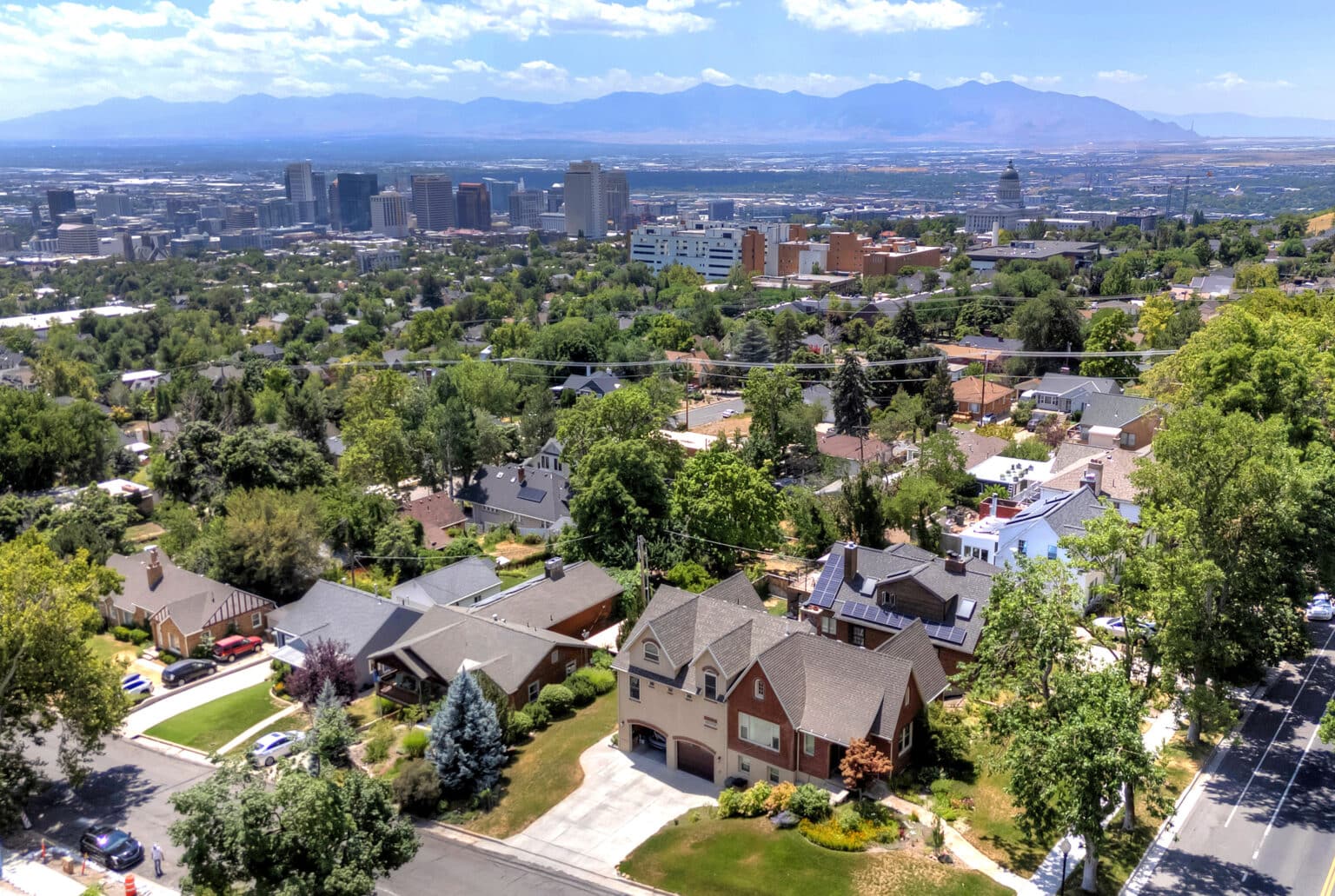
Utah home in hands with coins in front investing into 30 year fixed rate mortgage

The Federal Reserve’s Role in the Economy

The Federal Reserve plays an essential role in the U.S. economy by managing monetary policy, controlling inflation, and influencing interest rates. One major impact from their role is on mortgage rates in Utah. As changes in the federal funds rate directly affect mortgage interest rates and home loan interest rates for buyers. When the Fed raises rates to combat inflation, current mortgage rates in Utah tend to increase. Making borrowing more expensive and affecting housing affordability. Conversely, rate cuts can lower interest rates in Utah, enticing home purchases, real estate investments, and mortgage refinancing. Understanding the Fed’s policies is essential for Utah residents looking to navigate the housing market and secure the best loan options.

How the Federal Funds Rate Affects Mortgage Rates

The federal funds rate is the interest rate banks charge each other for overnight loans. It also has a significant impact on mortgage rates in Utah. When the Federal Reserve raises the federal funds rate, borrowing costs for banks increase, leading to higher mortgage rates for consumers. This makes home loans more expensive, potentially slowing down the housing market. On the other hand, when the Fed lowers rates, mortgage rates typically decrease. Making it more affordable for Utah home buyers to secure loans. Keeping an eye on Federal Reserve decisions can help prospective homeowners make informed financial choices.

The Fed’s Balancing Act

The balancing act between mortgage rates and inflation varies depending on the current economic status. Although both of them fluctuate on market forces, mortgage rates tend to raise with inflation rates. When the mortgage rates rise too far the Federal Reserve discuss the steps to address the rates that influence homeowners’ borrowing. To come to this conclusion the Federal Reserve hosts the Federal Open Market Committee (FOMC) eight times a year. They discuss the current trends, analyses, then determine the next steps to take for the market to stabilize mortgage rates. Once the steps are taken the policies are put into act to increase the loans. For first time home buyers and current homeowners to assist in purchasing homes to keep the economy afloat. 

What Happens When the Fed Raises or Lowers Rates?

When the federal government lowers or raises mortgage rates, it is implemented through policies. They reflect how the market should be impacted based on changes in federal funds rates. When this happens, mortgage lenders adjust their rates accordingly, leading to higher borrowing costs. For current homeowners and potential home buyers, this often results in decreased market activity. As mortgage rates in Utah are higher, they reduce borrower interest and affordability.

Apart from this, home loan interest rates fluctuate with the market. This means higher interest rates in Utah lead to higher mortgage rates. While lower interest rates result in more affordable home loans. These fluctuations are influenced by economic trends, inflation rates, and housing market demand. All of which contribute to how current mortgage rates in Utah are determined. Policy analysts and financial experts consider these factors to make informed decisions that impact home affordability investments across Utah.

End Notes

The Federal Reserve significantly impacts mortgage rates in Utah, even though it doesn’t set them directly. When the Fed changes the federal funds rate to manage inflation it creates a ripple effect for mortgage rates. Generally, when the Fed increases rates, mortgage rates also rise. This makes home loans more costly, while lower rates can make purchasing a home more affordable. For young professionals in Utah who are considering buying a home or refinancing in the future; it’s essential to understand how the Fed’s decisions. They affect mortgage rates in the state to make informed financial choices. Check out the latest on the Fed’s policy stance, why it has limited power over housing inflation. Additionally, how current mortgage rate trends could impact your future home buying plans. Finally, learn more here at The Best Guide To Understanding Mortgage Rates in Utah.

The Ultimate Guide to Mortgage Rate Shopping in Utah

Understanding Mortgage Rates in Utah


In order to secure the best deal on your mortgage rate, you must understand the ultimate guide to mortgage rate shopping in Utah. Finding the best home loan rate in Utah is essential for anyone looking to buy a home. Mortgage rates determine how much you’ll pay monthly and over the life of your loan. Several factors influence home loan rates in Utah, including credit scores, loan terms, and the real estate market. This article will serve as the ultimate guide to mortgage rate shopping in Utah.

Utah’s real estate market, characterized by high demand and limited inventory, plays a major role in mortgage rates. As home prices continue to rise, finding a competitive mortgage rate becomes more challenging. However, understanding the key factors that impact home loans can help buyers in finding the best home loan rate in Utah.

Factors that Affect Mortgage Rates in Utah

When applying for a home loan in Utah, lenders evaluate multiple factors to determine your mortgage rate:

  1. Credit Score
    Lenders use credit scores to assess borrower risk. Generally, borrowers with scores above 700 qualify for lower mortgage rates, while those with lower scores may face higher interest rates. If you’re aiming for the best home loan rate in Utah, improving your credit score should be a priority.
  2. Loan Types
    Different types of home loans come with varying mortgage rates:

Fixed-Rate Mortgages → Offer stable monthly payments but often start with higher initial rates.
Adjustable-Rate Mortgages (ARMs) → Feature lower introductory rates, but payments may increase over time.


Government-backed loans (FHA, VA, USDA) → Offer low mortgage rates with flexible qualification requirements. FHA loans are ideal for first-time buyers, VA loans provide benefits for veterans, and USDA loans help rural homebuyers.

Market Conditions:
The Utah real estate market affects mortgage rates based on supply, demand, and economic factors. Interest rate trends also influence whether now is the best time to buy a home.

How to Compare Mortgage Rates in Utah


An important aspect of mortgage rates is knowing how to compare different aspects of them. One of the biggest things to look for is the best mortgage lenders in Utah. There are various lists with reviews from past experiences and this will also help you compare mortgage rates in Utah. Along with comparing various lenders, it’s important to get pre-approved so you have a competitive advantage over others looking at the same house. Lastly, look into whether you want a 30-year mortgage which will give you lower monthly payments but a higher total interest, or if you want a 15-year mortgage which will cost significantly less in the long run. 

Tips to Secure the Best Mortgage Rate in Utah

To ensure that you are prepared to get the lowest mortgage rate you can follow these next steps. Improve your credit score to preferably above 740. You can do this by paying off debt and avoiding new credit inquiries before applying. Next, you need to increase your down payment. A larger down payment reduces risk for the lender and helps you to qualify for a fixed-rate mortgage with a lower interest rate. Lastly, make sure that you lock in your rate at the best time. With the interest rate constantly fluctuating, it is vital that you are prepared to act when the time is right so that you are able to obtain the best home loan rate in Utah.

Finding the Right Mortgage Rate for You

All in all, there are many factors that go into your mortgage rate. Maintaining a good credit score is essential to securing a low mortgage rate. Alongside this, increasing the size of your down payment can vastly lower your mortgage rate or even offer you a fixed mortgage rate in Utah. Selecting the right type of loan can also be helpful towards your mortgage rate. Another way you can ensure that you are getting the best mortgage rate is to compare different lenders, credit unions, and banks. In combination with this, deciding the right time to secure your mortgage rate is very important. Rates can fluctuate and change, and tracking trends may be timely; however, it may save thousands in the long run. As far as the next steps go, do not wait! Get pre-approved, plan to lock in your rate, and prepare to select the right type of loan for yourself and your personal needs. Additional resources are also out there to help! Utilize tools such as mortgage rate calculators, read lender reviews, and explore refinancing options in order to find the best home loan rates in Utah.

Resources

Title image featuring a house, representing the topic of mortgage rates and how to calculate them.

https://citycreekmortgage.com/todays-rates/

Beginner’s Guide to Banking

Best Mortgage Banks in Utah

The Best Guide To Understanding Mortgage Rates in Utah

What are mortgage rates and how can I find the best mortgage rate? Mortgage rates are interest rates charged by lenders for home loans and determine the cost of purchasing a home. These tend to fluctuate based on current economic conditions when looking at Utah’s booming real estate market. This has led to increased home prices. And is why mortgage rates are essential to take into consideration for new and old home buyers. The smallest incremental changes can significantly affect your monthly and the total amount that is paid over the loan’s life. Check out our Mission page to learn more about how we can help you with all things involving mortgage rates. 

best mortgage rate Utah family home house buying home

Factors that influence Mortgage Rates

We have to look at factors that are influencing these increased or lower rates in Utah. Currently Utah is being driven by:

  • High population growth,
  • New residents,
  • And new employment opportunities especially in the tech industry with companies like Adobe. All these factors end up driving up the mortgage rates for Utah.

Utah mortgage rates are generally in line with national averages, although they can vary slightly depending on local housing market trends. For example: rapid growth in Utah’s housing market may cause rates to fluctuate more than in states with a more stable market. Comparing Utah mortgage rates with national averages can help you understand if you’re getting a competitive offer. Use online rate comparison tools or consult with local lenders to find the best rate available to you.

Tips for getting the best Mortgage Rate in Utah

Securing the lowest possible mortgage rate requires preparation and research. Start by improving your credit score. You can do this by paying down debt, avoiding new credit inquiries, and ensuring all your payments are on time. Learn more about your credit score by visiting the Consumer Financial Protection Bureau.  Saving for a larger down payment can also help you qualify for a better rate. Shopping around and getting quotes from multiple lenders is crucial; even a slight difference in rates can lead to significant savings over the life of the loan.

Refinancing Your Mortgage in Utah

Refinancing your mortgage rate in Utah can be extremely beneficial for the homeowner. This is especially true if today’s home mortgage interest rates are lower than when you previously got your loan. In addition to the refinancing interest rates, you must also keep in mind other costs that could be associated with the process. Our page on Refinancing Advice allows for an even more in-depth look on how and when homeowners refinancing is a good idea. 

Utah’s mortgage rates play a critical role in the affordability of homeownership. Mortgage rates in Utah can be influenced by economic conditions, local market trends, and personal financial factors. Whether you’re a first-time buyer, looking to refinance, or simply comparing rates, understanding these elements can help you to find your mortgage solutions. By improving your credit score, saving for a larger down payment, and shopping around for the best mortgage rate, you can optimize your mortgage options. For more insights and expert guidance, explore our Mortgage and Money Resources page for a deeper understanding of mortgage rates in Utah, visit our Saving and Investing section for refinancing tips, and find the best mortgage rate in Utah.