Utah’s Guide to Fixed-Rate Mortgages

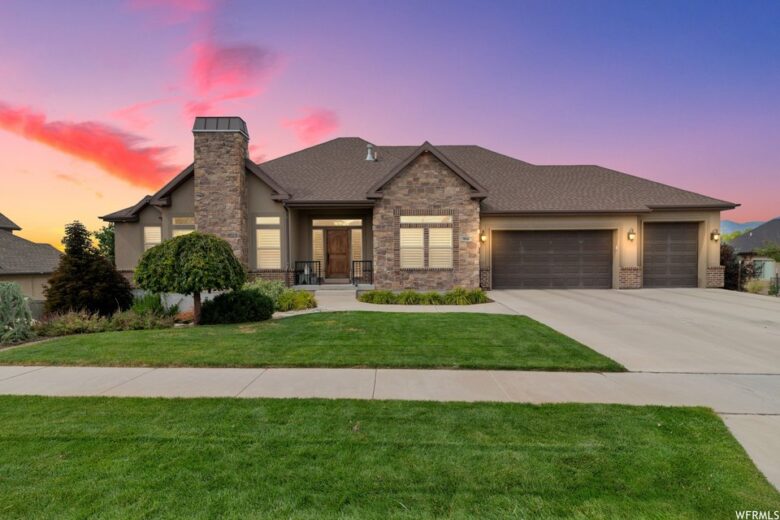
Utah valley housing with mountain in background. Understanding mortgage rates in Utah.

Understanding 30-Year Fixed-Rate Mortgages in Utah

A 30-year fixed mortgage rate may seem daunting, but it doesn’t always have to be. Many issues can stem from just not fully understanding the process. By breaking it down into easier steps such as advantages, factors influencing fixed rates, and how long your loan should be, you will leave feeling confident in your knowledge of mortgage rates within Utah. 

A 30-year fixed-rate mortgage is the most popular loan length allowing homeowners to purchase property by paying the balance over 30 years through fixed interest rates. The loan features predictable monthly payments as payments stay unchanged throughout the loan period. This length choice stands out as the most popular selection for first-time homebuyers as monthly payments are lower than what borrowers would pay with shorter mortgage terms. Residents of Utah frequently choose this type as it helps them purchase homes in an ever-changing market by providing steady payment amounts.

Advantages of a 30-Year Fixed-Rate Mortgage

There are several benefits to a 30-year fixed mortgage rate. Borrowers with mortgage rates such as these benefit from consistent monthly payments that remain lower than those for 15-year mortgage loans. When choosing this payment plan, homeowners can extend their financial resources ultimately leading them to purchase their dream homes, staying far away from compromise. Fixed interest rates also protect borrowers from market rate increases, establishing a constant payment amount for future periods. Because of its stable payment plan, Utah families can more confidently plan their future while living in this constantly evolving housing market.

Factors Influencing 30-Year Mortgage Rates in Utah

A variety of factors affect the rates of 30-year mortgages in Utah. Some significant economic factors that usually play a part can include inflation, employment rates, and the country’s general economic well-being. Monetary policies of the Federal Reserve can also affect mortgage rates indirectly. For instance, when the Federal Reserve raises interest rates, banks are forced to increase the rates at which they borrow money leading to higher costs for consumers. Locally, mortgage rates within Utah are influenced by the market demand for housing and property values as lenders change their interest rates according to market trends.

As of 2025, the 30-year fixed rate mortgage in Utah sits at 6.56%, which is only slightly below the current national average. This is possible due to Utah having a strong economy, with a prosperous and overall healthy housing market to follow. As a result, rates are relatively stable compared to other states. It is predicted that mortgage rates in Utah will stay between 6.0% and 6.9% throughout 2025. For potential homebuyers, any rate changes will be accompanied by changes in their monthly payments and the overall total amount paid toward the loan.

30-Year vs. 15-Year Fixed Rate Mortgages

You may be wondering, why choose a 30-year over a 15-year mortgage? The major disadvantage of a 15-year mortgage is the higher and more frequent monthly payments that accompany it. Alternatively, the main advantage is that homeowners can make fewer payments, overall paying less in interest over the life of the loan. This option is quite popular in Utah for buyers who want to build equity quickly or be mortgage-free as soon as possible. The choice between a 30-year and 15-year mortgage ultimately boils down to the personal financial objectives, income stability, and personal preference of each individual homeowner.

Take-Aways

In conclusion In Utah, many homebuyers prefer a 30-year fixed-rate mortgage as it offers affordability and financial planning advantages. Understanding the advantages and disadvantages of each available option helps individuals select the correct mortgage term for their circumstances. However, It is crucial to make sure to evaluate your own financial goals before making a final decision. Our website https://www.mortgagerateutah.com/ features additional resources about Utah mortgages and current rate information. Additional resources include the Utah Department of Financial Institutions and City Creek Mortgage which can help you discover more detailed and specific loan options.

Understand which mortgage is the best for you and tips

Home financed through one of the various types of mortgages

Understanding Each Mortgage Type

When it comes to choosing and filling out a mortgage for your home, many factors come into play and must remain top of mind. Things like interest rates and Mortgage Rates are crucial. Understand what each mortgage is and does for you. That’s why down below we will discuss each of the most common mortgage types, their drawbacks, and advantages so you can find the best one.

Considerations:

  • Ideal for high-value properties 
  • Higher interest rates
  • Stricter qualification requirements

First Mortgage vs Second Mortgage

First-Time Mortgage is for when an individual has never or within three years has owned a home. A first-time buyer could potentially qualify for an affordable mortgage rate with a down payment and closing costs assistance. Some advantages of having first-time home buyer loans are having lower down payment requirements and less restrictive credit score requirements. Disadvantages of first-time home buyer loans are potentially having lower loan amounts and paying low down payments. Along with private mortgage insurance, having income limits, and limited home equity to start.

A couple with their first home after getting a first time mortgage

A second Mortgage is a loan taken out on a property with an existing mortgage. There are two types: home equity loan and a home equity line of credit (HELOC). HELOCs allow you to access the equity you’ve created with your home and are a cost-effective way to borrow money. An advantage of a second mortgage include long repayment terms, access to large loan amounts, and having low interest rates. Some cons are income requirements to qualify, higher interest rates than refinancing, expensive closing costs, and losing your home if you default. 

Types
Home Equity Loan

A lump sum loan based on your home equity

Home Equity Line of Credit (HELOC)

A revolving line of credit based on your home equity

Fixed and Adjustable Rates

A fixed-rate mortgage is when the interest rate remains constant for the entire loan term, typically 15, 20, or 30 years. This means that the borrower’s monthly principal and interest payments stay the same, regardless of changes in market interest rates. Fixed-rate mortgages provide stability and predictability, making them a popular choice for homeowners.

A 15-year mortgage is a home loan with a 15-year term that has a fixed interest rate and monthly payment. Some benefits of a 15-year mortgage rate are the predictability of it being a fixed rate, lower interest loans, lower costs of borrowing, and faster equity borrowing. Some disadvantages of a 15-year mortgage rate pertain to higher interest monthly payments, less flexibility since the loan remains the same, and it’s more difficult to qualify than other types of loans.

A 30-year mortgage is a home loan that allows a buyer to pay off their mortgage over 30 years with a fixed interest rate that doesn’t change throughout the loan term. This mortgage allows for lower monthly payments, potentially having a bigger home-buying budget, and having more cash flow for investing, retirement, renovations, etc. Disadvantages include more interest paid over time throughout the loan, slightly higher interest rates than 15-year fixed-rate mortgages, and the slow rates of home equity.

An Adjustable Rate Mortgage (ARM) is a type of home loan where the interest rate changes periodically based on a benchmark or index. Unlike a fixed-rate mortgage, where the interest rate remains constant, the initial rate of an ARM is usually lower for a set period (often 5, 7, or 10 years), making the initial payments more affordable.

A house next to a percentage representing mortgage rate percentages which varies with each mortgage type <br>

Mortgages 101

Private Mortgage Insurance (PMI) is a type of insurance that protects lenders if a borrower defaults on their mortgage. Lenders often require PMI when a borrower makes a down payment of less than 20% of the home’s appraised value. The benefits of PMI allow home buyers to overcome housing affordability and inventory. It allows homebuyers to buy a home in a higher price market sooner rather than later but at a cost. The cost of PMI is that it sticks to the mortgage until the principal balance drops below 80% of the value of the home. For those who barely qualify for the mortgage, the additional PMI monthly payment can compromise their ability to qualify for the loan.

Jumbo Mortgage is a nonconforming loan that exceeds the standard loan limits set by the Federal Housing Finance Agency (FHFA) for conventional mortgages. Jumbo mortgages’ advantages include higher loan limits, one single loan, and a lower down payment. The disadvantages of jumbo loans include higher interest rates and more closing costs. You also need a clean credit score and not all properties qualify.

Refinancing a home involves replacing an existing mortgage with a new one, usually to secure better interest rates, lower monthly payments, or change loan terms. This process can lower financial burdens by lowering interest rates or shortening the loan term, saving money over time. It’s essential to evaluate your financial situation before choosing to refinance your home mortgage.

Lower Interest Rates

Potentially reduce monthly payments

Change Loan Terms

Switch from adjustable to fixed rate, or change loan duration

Cash-Out Refinance

Access home equity for other financial needs

Mortgage Types

FHA mortgage is a loan insured by the Federal Housing Administration (FHA), designed to help low- to moderate-income borrowers qualify for a mortgage. These loans are popular among first-time homebuyers because of their lower down payments (as low as 3.5%) and more flexible credit requirements. It requires borrowers to pay mortgage insurance premiums (MIP), both upfront and annually, which protects the lender if the borrower defaults.

VA mortgage is a home loan program available to veterans, active-duty service members, and eligible surviving spouses, backed by the U.S. Department of Veterans Affairs (VA). VA loans offer several benefits that aren’t typically offered with other mortgage types. For example, a down payment is required, no private mortgage insurance, and other benefits that are curcial to those needing these loans. It is less risky for lenders.

A veteran in uniform holding the home he bought with VA Mortgage type

To learn more about VA Home Loans visit our blog post.

A Construction loan is a short-term loan (6-18 months) used to finance the building or renovation of a home or other real estate project. These loans are issued for the duration of the construction process and are structured differently from traditional mortgages. Will generally require a detailed construction plan and higher credit standards, as they carry more risk for lenders. 

Conclusion

Selecting the right mortgage for your home involves more than just focusing on interest and mortgage rates. It’s essential to understand the different types of mortgages and what each one means for your financial future. By evaluating the advantages and drawbacks of each option, you can make an informed decision that aligns with your long-term goals.

There are key differences between lending through a credit union versus lending through a bank or private institution. To find your ideal lender refer back to our blog post on each lender and what they offer.

Sites through individual factors like Mountain America (https://www.macu.com/rates/home) and Zions Bank (https://www.zionsbank.com/personal/home-loans/) can help you find bank-specific requirements.