Understand which mortgage is the best for you and tips

Home financed through one of the various types of mortgages

Understanding Each Mortgage Type

When it comes to choosing and filling out a mortgage for your home, many factors come into play and must remain top of mind. Things like interest rates and Mortgage Rates are crucial. Understand what each mortgage is and does for you. That’s why down below we will discuss each of the most common mortgage types, their drawbacks, and advantages so you can find the best one.

Considerations:

  • Ideal for high-value properties 
  • Higher interest rates
  • Stricter qualification requirements

First Mortgage vs Second Mortgage

First-Time Mortgage is for when an individual has never or within three years has owned a home. A first-time buyer could potentially qualify for an affordable mortgage rate with a down payment and closing costs assistance. Some advantages of having first-time home buyer loans are having lower down payment requirements and less restrictive credit score requirements. Disadvantages of first-time home buyer loans are potentially having lower loan amounts and paying low down payments. Along with private mortgage insurance, having income limits, and limited home equity to start.

A couple with their first home after getting a first time mortgage

A second Mortgage is a loan taken out on a property with an existing mortgage. There are two types: home equity loan and a home equity line of credit (HELOC). HELOCs allow you to access the equity you’ve created with your home and are a cost-effective way to borrow money. An advantage of a second mortgage include long repayment terms, access to large loan amounts, and having low interest rates. Some cons are income requirements to qualify, higher interest rates than refinancing, expensive closing costs, and losing your home if you default. 

Types
Home Equity Loan

A lump sum loan based on your home equity

Home Equity Line of Credit (HELOC)

A revolving line of credit based on your home equity

Fixed and Adjustable Rates

A fixed-rate mortgage is when the interest rate remains constant for the entire loan term, typically 15, 20, or 30 years. This means that the borrower’s monthly principal and interest payments stay the same, regardless of changes in market interest rates. Fixed-rate mortgages provide stability and predictability, making them a popular choice for homeowners.

A 15-year mortgage is a home loan with a 15-year term that has a fixed interest rate and monthly payment. Some benefits of a 15-year mortgage rate are the predictability of it being a fixed rate, lower interest loans, lower costs of borrowing, and faster equity borrowing. Some disadvantages of a 15-year mortgage rate pertain to higher interest monthly payments, less flexibility since the loan remains the same, and it’s more difficult to qualify than other types of loans.

A 30-year mortgage is a home loan that allows a buyer to pay off their mortgage over 30 years with a fixed interest rate that doesn’t change throughout the loan term. This mortgage allows for lower monthly payments, potentially having a bigger home-buying budget, and having more cash flow for investing, retirement, renovations, etc. Disadvantages include more interest paid over time throughout the loan, slightly higher interest rates than 15-year fixed-rate mortgages, and the slow rates of home equity.

An Adjustable Rate Mortgage (ARM) is a type of home loan where the interest rate changes periodically based on a benchmark or index. Unlike a fixed-rate mortgage, where the interest rate remains constant, the initial rate of an ARM is usually lower for a set period (often 5, 7, or 10 years), making the initial payments more affordable.

A house next to a percentage representing mortgage rate percentages which varies with each mortgage type <br>

Mortgages 101

Private Mortgage Insurance (PMI) is a type of insurance that protects lenders if a borrower defaults on their mortgage. Lenders often require PMI when a borrower makes a down payment of less than 20% of the home’s appraised value. The benefits of PMI allow home buyers to overcome housing affordability and inventory. It allows homebuyers to buy a home in a higher price market sooner rather than later but at a cost. The cost of PMI is that it sticks to the mortgage until the principal balance drops below 80% of the value of the home. For those who barely qualify for the mortgage, the additional PMI monthly payment can compromise their ability to qualify for the loan.

Jumbo Mortgage is a nonconforming loan that exceeds the standard loan limits set by the Federal Housing Finance Agency (FHFA) for conventional mortgages. Jumbo mortgages’ advantages include higher loan limits, one single loan, and a lower down payment. The disadvantages of jumbo loans include higher interest rates and more closing costs. You also need a clean credit score and not all properties qualify.

Refinancing a home involves replacing an existing mortgage with a new one, usually to secure better interest rates, lower monthly payments, or change loan terms. This process can lower financial burdens by lowering interest rates or shortening the loan term, saving money over time. It’s essential to evaluate your financial situation before choosing to refinance your home mortgage.

Lower Interest Rates

Potentially reduce monthly payments

Change Loan Terms

Switch from adjustable to fixed rate, or change loan duration

Cash-Out Refinance

Access home equity for other financial needs

Mortgage Types

FHA mortgage is a loan insured by the Federal Housing Administration (FHA), designed to help low- to moderate-income borrowers qualify for a mortgage. These loans are popular among first-time homebuyers because of their lower down payments (as low as 3.5%) and more flexible credit requirements. It requires borrowers to pay mortgage insurance premiums (MIP), both upfront and annually, which protects the lender if the borrower defaults.

VA mortgage is a home loan program available to veterans, active-duty service members, and eligible surviving spouses, backed by the U.S. Department of Veterans Affairs (VA). VA loans offer several benefits that aren’t typically offered with other mortgage types. For example, a down payment is required, no private mortgage insurance, and other benefits that are curcial to those needing these loans. It is less risky for lenders.

A veteran in uniform holding the home he bought with VA Mortgage type

To learn more about VA Home Loans visit our blog post.

A Construction loan is a short-term loan (6-18 months) used to finance the building or renovation of a home or other real estate project. These loans are issued for the duration of the construction process and are structured differently from traditional mortgages. Will generally require a detailed construction plan and higher credit standards, as they carry more risk for lenders. 

Conclusion

Selecting the right mortgage for your home involves more than just focusing on interest and mortgage rates. It’s essential to understand the different types of mortgages and what each one means for your financial future. By evaluating the advantages and drawbacks of each option, you can make an informed decision that aligns with your long-term goals.

There are key differences between lending through a credit union versus lending through a bank or private institution. To find your ideal lender refer back to our blog post on each lender and what they offer.

Sites through individual factors like Mountain America (https://www.macu.com/rates/home) and Zions Bank (https://www.zionsbank.com/personal/home-loans/) can help you find bank-specific requirements.

Are You Ready to Buy Your First Home in Utah?

Are you ready to buy your first home? Take our quiz to find out: (Link to internal quiz)

For Sale Real Estate Sign in Front of New House.


Are you a first-time home buyer? Buying a home is one of the largest financial decisions you will ever make! Unless you can pay in cash, you’ll need a mortgage. A mortgage is a loan for purchasing real estate, typically offered by banks with interest rates between 4%-6%. Over 30-year mortgage rates in Utah, these interest rates can significantly increase the cost of your home. The property serves as collateral, meaning if you default on payments, the bank can foreclose and take possession of the home. Understanding the mortgage process can help save time, money, and stress. Learn more about affordability and your rights as a first-time home buyer at: https://www.hud.gov/topics/buying_a_home

The Basics

Principal:

This is the amount of money you borrow. For example, if you buy a home for $450,000 and put down a $90,000 down payment, the mortgage principal will be $360,000. You should put down at least 20% of whatever the total cost of the home is. While you may go as low as 3%, that is not suggested. If you are unable to put down 20%, consider saving a little longer. This website explains FHA loans and how they can help you afford your first home!

Home interest rates in Utah:

This is what the lender charges you for borrowing the money. Local bank mortgage rates can vary based on your credit score, the type of loan, and market conditions. There are many benefits to being a first-time home buyer in Utah, be sure to talk to your bank about opportunities available to you!

Term:

The length of time you must repay the mortgage. Common terms are 15, 20, or 30 years. Now terms go all the way up to 40 years!

Mortgage Insurance Rate:

If your down payment is less than 20%, you may have to pay for private mortgage insurance (PMI). This protects your bank in case you default on your loan.

The Process

There are many different types of loans, and it is important to choose the one that is best for you. As a first-time home buyer, the process can be very overwhelming. If you aren’t sure what is best for you, start here!

Step 1: Pre-Approval

Before you start shopping for a home, it’s smart to get pre-approved for a mortgage. A pre-approval gives you an idea of how much you can borrow based on your financial situation. The lender will check your credit score, income, assets, and debts to determine how much they’re willing to lend. You can do a less formal version of this here: mortgage calculator.

Step 2: House Hunting and Making an Offer

Once you’re pre-approved, you can begin searching for homes within your budget. A great place to start is Zillow. With Zillow, you are able to view thousands of homes from your phone! When you find a house you love, you’ll make an offer to the seller. If the offer is accepted, the next step is securing your mortgage

Step 3: Apply for the Mortgage

Now it’s time to submit a formal application. Your local bank mortgage rates will affect your monthly payments. Your bank will ask for documentation to verify your income, employment, and assets. They’ll also schedule an appraisal to ensure the home’s value aligns with the loan amount. You should also get your new home inspected through a third party to ensure you know the status of the home before purchasing.

Step 4: Loan Underwriting

This is the behind-the-scenes work where the lender verifies all your information, reviews the appraisal, and assesses the risk of lending to you. This stage can take several weeks and may require additional documentation. But mostly, you can sit back and let the bank do the heavy lifting for you.

Step 5: Closing

Once the loan is approved, you’ll go to a closing meeting where you sign the final paperwork and pay any closing costs, which can include fees for the appraisal, title insurance, and legal services. After this, the mortgage is officially in place, and you are a first-time homebuyer!

Lowest Mortgage Rates in Utah

Mortgages may seem complex at first, but understanding the basics can make the process less intimidating. When comparing options, look for the lowest mortgage rates Utah and consider if your Utah mortgage rate chart aligns with your financial goals. Some banks offer the lowest mortgage rates, especially those with programs aimed at first-time home buyers seeking the best interest rates.

You may also want to explore federal housing association (FHA) rates Utah or (FHA) mortgage rate in Utah, as these can be beneficial for buyers with lower credit scores or smaller down payments. Understanding 30-year mortgage rates in Utah and how mortgage insurance rate impacts your overall costs is key when making such a big decision.

Current Utah Mortgage Rates: A Look Inside

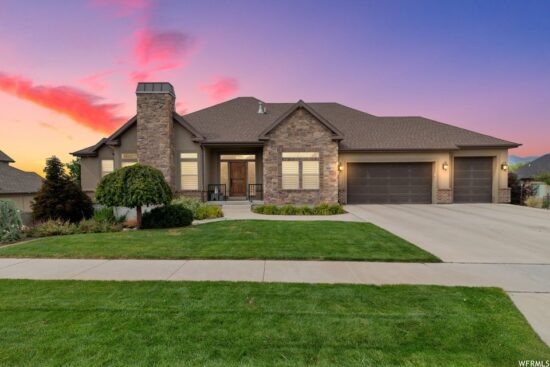
Charming home surrounded by mature trees, offering peaceful curb appeal. Explore how low Utah mortgage rates can make owning a home like this more affordable.
Stunning modern home illuminated by warm evening lights, ideal for those seeking luxury living. Explore how a Jumbo loan can help you finance a home like this.
A spacious, modern home with elegant evening lighting. Discover financing options like a Jumbo loan to make this dream home possible.

Utah Mortgage Rates as of September 22, 2024

Table with average interest rates and the weekly change for each type of mortgage: conventional, VA, FHA, and Jumbo.

This past week, we have seen a slight decrease in rate with most of the mortgage types and a slight increase in rates for Conventional 15 Year Fixed Utah Mortgages. By far the most substantial change over the past week is with the fixed Utah FHA mortgage loans which saw a decrease of .54% in the 30 year fixed Utah FHA mortgage rate and a whopping 1.47% decrease in the 15 year fixed Utah FHA mortgage rate. After a bit of a rate hike over the past couple of weeks, it’s nice to see the rates fall a bit, even if it’s not by much. Even though rates have fallen over the past week, I would recommend that most potential Utah home buyers wait another week before checking the rates again. Utah mortgage rates have been steadily decreasing over the past three months but we have seen a spike over the past couple of weeks and we are currently at the peak of the spike. Therefore I recommend waiting to apply for a mortgage for potential Utah home buyers. On the other hand, if the home buyer qualifies for a Utah FHA mortgage loan, then I would recommend they consider applying for a mortgage due to the steep drop the mortgage type experienced. Keep reading if you want to know if you qualify for a Utah FHA mortgage loan, as well as information and directories for all other major mortgage types.

Current Utah Mortgage Rates for Conventional Loans Analysis

If you’re considering a Conventional Home Loan in Utah, it’s essential to understand how the current Utah mortgage rates and Utah interest rates can impact your decision. These loans typically appeal to buyers with a strong credit history and a stable income looking for stability and predictable payments. The current average interest rate for a 30 year fixed Utah conventional mortgage loan is 5.73%, which has dropped by 0.04% in the past week. The average interest rate for a 15 year fixed Utah conventional mortgage loan is 5.12%, which has risen by 0.03% in the past week. While there’s been a slight increase in Utah 15 Year interest rates, the average Utah mortgage rates for conventional loans can vary. With the recent fluctuations, particularly the drop in Utah 30 Year interest rates, now might be a good time to explore your options.

Current Utah Mortgage Rates for VA Loans Analysis

If you served in the military, then you should really consider applying for a VA loan. Utah VA loans come from a mortgage loan program offered by the Department of Veterans Affairs. These loans are exclusively for veterans, service members, and their families in purchasing, refinancing, building, repairing, or improving their home. Private lenders like banks and mortgage companies offer these loans, but those eligible are able to get better loan terms than with a conventional loan since the VA guarantees a portion of the loan. In order to qualify for a VA loan, you have to request a Certificate of Eligibility. This certificate contains information on your service history and duty status. You can find out if you meet the credentials for a Certificate of Eligibility here. The limits for VA home loans are the same as FHFA limits, which are Conforming Loan Limits. The 2024 limits sorted by county can be found on the FHFA website

The current average interest rate for a 30 year fixed mortgage rate VA loan is 5.48%, which has dropped by 0.06% in the past week. The average interest rate for a 15 year fixed mortgage rate VA loan is 5.38%, which has dropped by 0.03% in the past week. For the most part, these rates are noticeably lower than the other rate options.

To learn more information about VA loans and if it’s the right loan for you, visit this post on our blog dedicated to VA loans.

Current Utah Mortgage Rates for FHA Loans Analysis

For those exploring FHA Loans in Utah, this option is ideal for first-time homebuyers, individuals with limited savings for a down payment, or those with less-than-perfect credit histories. These loans are particularly beneficial for buyers who may struggle to meet the stricter requirements of conventional financing. Recently, we’ve seen a significant drop in the FHA 30 Year Fixed Mortgage Rate, now at 6.27% after a decrease of 0.54%, and the FHA 15 Year Fixed Mortgage Rate has reached 6.18% with an impressive 1.47% decrease—the largest drop among loans. With these favorable rates, now is a great time to consider this route. To learn more about FHA loans and their benefits, check out this blog post all about FHA loans.

Current Utah Mortgage Rates for Jumbo Loans Analysis

If you plan on buying a home for over $766,550, then you need to apply for a jumbo loan. A Utah jumbo loan is a mortgage used to finance properties that financially exceed a conventional conforming loan. In most counties in Utah, the maximum amount for a conforming loan for a single unit house is $766,550. But if you intend to move to Summit or Wasatch county, then the limit is $1,149,825 while the limit in Wayne county is $997,050. You can see jumbo loan limits by Utah county here. Jumbo loan limits are determined by the Federal Housing Finance Agency every year, and also varies by house size (single unit, duplex, etc.) Homes that exceed the local conforming loan limit require a jumbo loan in Utah, and are usually used for high-value properties. Jumbo loans have stricter criteria for borrowers: a higher credit score, larger income/assets, and bigger down payments. Therefore, they can vary significantly based on the borrower’s creditworthiness, income, and overall financial profile.

In the current market,  the average 30-year fixed jumbo mortgage APR stands at 6.13%, decreasing 0.09% from the previous week. The 15-year fixed jumbo mortgage rate is slightly higher at 6.37%, which has decreased by 0.6% in the past week.

Charming home surrounded by mature trees, offering peaceful curb appeal. Explore how low Utah mortgage rates can make owning a home like this more affordable.

Final Summary

Make sure to come back next week for updated information and analysis on current Utah mortgage rates. Make sure to regularly visit our blog,  where you can find new information about all of the major mortgage types as well as refinancing. Visit our monthly reddit ama on r/Utah where you can ask a Utah mortgage expert any questions you may have about applying for a mortgage in the state. If there is any information you’d like to know that we don’t seem to have, feel free to message us through our contact page. 

Sources

“See Today’s Mortgage Rates on Zillow.” Zillow, www.zillow.com/mortgage-rates/ut/. Accessed 22 Sept. 2024.

“VA-Backed Veterans Home Loans.” Department of Veterans Affairs, www.va.gov/housing-assistance/home-loans/#:~:text=VA%20direct%20and%20VA%2Dbacked,programs%E2%80%94and%20how%20to%20apply. Accessed 24 Sept. 2024. 

VA Home Loans, Veterans Benefits Administration. Department of Veterans Affairs, www.benefits.va.gov/homeloans/#:~:text=VA%20helps%20Veterans%2C%20Servicemembers%2C%20and,you%20with%20more%20favorable%20terms. Accessed 24 Sept. 2024. 

Dehan, Andrew. “What Is a Jumbo Loan?” Bankrate, 2 Apr. 2024, www.bankrate.com/mortgages/what-is-jumbo-mortgage/. 

Banton, Caroline. “Underwriting: Definition and How the Various Types Work.” Investopedia, Investopedia, www.investopedia.com/terms/u/underwriting.asp. Accessed 20 Sept. 2024. 

“Jumbo Loans: What You Need to Know.” NerdWallet, www.nerdwallet.com/article/mortgages/jumbo-loans-what-you-need-to-know. Accessed 20 Sept. 2024. 

Segal, T. (n.d.). Federal Housing Administration (FHA) loan: Requirements, limits, how to qualify. Investopedia. https://www.investopedia.com/terms/f/fhaloan.asp Conventional loans. Consumer Financial Protection Bureau. (n.d.). https://www.consumerfinance.gov/owning-a-home/conventional-loans/

Current Mortgage Rates in Utah: Today’s Home Interest Rates and Trends

Utah Housing Market Real Estate Rates

Interest rates, also known as mortgage rates or mortgage interest rates, represent the cost of borrowing money from a lender, typically exhibited by a percentage, paid as part of the borrower’s monthly mortgage payments. This rate varies based on various factors, including the borrower’s creditworthiness, the length of the loan, and overall economic conditions. The most common lengths of loans are 15 and 30 year terms, at a fixed rate. For example, a 15 year fixed rate mortgage means that the interest rate will remain the same over the span of the 15 year payment term, even if the average interest rate goes up or down in the market.

The average interest rates in Utah today for a 30-year fixed mortgage rate are at  approximately 6.2%. By understanding the mechanics of Utah mortgage interest rates today, you can make more informed decisions in the current housing market.

symbolizing Utah home interest rates and mortgage financing. The image illustrates the process of using current mortgage rates in Utah to secure a home loan

Interest rates have experienced significant fluctuations over the years, notably influenced by the 2008 financial crisis. This crisis prompted central banks globally, including the Federal Reserve, to lower rates to historically low levels in an effort to stimulate economic recovery. Following this, rates remained near zero for an extended period, fostering an environment of inexpensive borrowing that contributed to asset price inflation and overall economic growth. However, starting in 2021, rising inflation prompted a series of aggressive rate hikes aimed at stabilizing the economy. The COVID-19 pandemic further complicated this landscape; initial lockdowns and economic uncertainty led central banks to reduce interest rates sharply to support struggling economies. This unprecedented response initially fueled a rapid recovery, but as supply chain disruptions and labor shortages emerged, inflation surged, compelling the Fed to pivot towards increasing rates. In Utah, the environment closely mirrored these national trends, with local lending practices adapting in response to federal rate changes and the state’s growing demand for housing and business investment.

When the Federal Reserve decides to cut interest rates, it aims to influence the overall economy, particularly affecting Mortgage Rates in Utah. A lower federal funds rate decreases the cost of borrowing, encouraging individuals and businesses to take loans for various purposes, such as buying homes or financing education. This shift leads to lower current mortgage rates, making it easier for consumers to access home loan rates. As borrowing becomes more affordable, consumer spending typically increases, resulting in greater economic activity. This mechanism is crucial during economic downturns, as it can help revive spending and boost growth. A significant rate cut has direct and indirect effects on both consumers and businesses.

For consumers, lower interest rates today can mean reduced mortgage payments, lower credit card interest, and cheaper auto loans. This increases disposable income, allowing individuals to spend more on goods and services. Low mortgage interest rates reduce financing costs for businesses, enabling them to invest in expansion, hire new employees, and increase production. With current interest rates in Utah favoring borrowers, it’s an ideal time to explore options for the best mortgage rates. Mortgage rates fell below 3% for a 30-year fixed rate mortgage during 2020 and 2021 due to pandemic lockdowns. However, they rose to nearly 8% last year because of a strong economy and rising inflation. As of last Wednesday, the Federal Reserve announced that long term fixed mortgage rates are now at 6.2%, the lowest level since February 2023.

The Utah Real Estate Interest Rates have been recognized for its rapid growth and resilient economy within the past few years. This is significant for both potential homeowners and investors in Utah’s rapidly growing real estate industry. These rates have been affected by the recent fight against inflation, resulting in shifts that directly drive down the affordability of homes. Since 2022, Utah mortgage rates have been trending upward. Utah’s current 30-year fixed mortgage interest rates are about 6.2%, while 15-year fixed mortgage interest rates are about 5.5%. Even if mortgage rates have somewhat leveled down after rising in 2022, Utah home buyers still have difficulties with house affordability due to the current rate environment, which also makes refinancing less appealing to homeowners. Although it’s hard to predict mortgage rates today in Utah, a lot of home economists believe that they will have gradually declined by the end of the year 2024. Utah’s competitive housing market is evident when one compares the state’s mortgage rates to the national averages. Low interest rates encourage investment opportunities by luring new residents and promoting economic growth. As a result, Utah’s Real Estate Interest Rates must keep up with current rates as it is crucial for making wise financial decisions.

Welcome to Utah sign. Current mortgage rates Utah. Home interest rates Utah. Utah real estate market

When exploring the Utah real estate market, staying informed about current interest rates in the state of Utah is crucial for both first-time homebuyers and those considering refinancing. While national trends influence mortgage interest rates in Utah, local economic factors can create unique opportunities in our state. For instance, the average mortgage interest rate in Utah often differs slightly from national averages.

To help you make informed decisions, we recommend checking out Bankrate.com, which maintains an up-to-date list of the lowest available mortgage rates in Utah. This resource is invaluable for comparing current mortgage interest rates across various lenders. Remember, rates today in Utah can fluctuate, so it’s wise to monitor them regularly. For a deeper understanding of how these rates affect your home buying or refinancing journey, be sure to explore our Mortgage Resources section. There, you’ll find comprehensive guides on home interest rates in Utah and how they impact your long-term financial planning. By staying informed and leveraging these resources, you’ll be well-equipped to navigate the Utah real estate landscape and secure the best possible terms for your mortgage.  Keep in mind that interest rates in Utah today may not be the same tomorrow, so timing can be crucial in your decision-making process. Staying in the loop on mortgage rates news, updates, and fluctuations through our site can be the best resource for personalized guidance on how to make the most of the current interest rate environment in Utah.

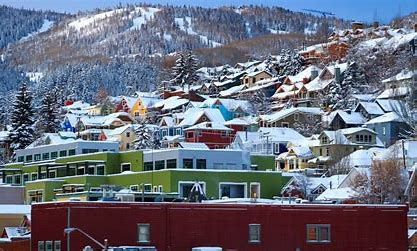
Luxury Utah mansion. Mountain real estate. Utah jumbo loan rates. Best mortgage rates Utah. Utah housing market

The world of mortgages and real estate in Utah is constantly in flux, influenced by local economic trends, national policies, and global events. As we’ve seen, these factors can significantly impact your home buying or refinancing journey. Keeping abreast of these changes is not just beneficial—it’s essential for making well-informed decisions about your financial future. We encourage you to continue your research beyond this article, delving deeper into the nuances of Utah’s housing market and mortgage trends. By staying curious and proactive, you’ll be better equipped to navigate the complexities of home financing, whether you’re a first-time buyer or a seasoned homeowner. Remember, knowledge is your most valuable asset in the ever-evolving world of real estate and mortgages.  Check out Home Buying and Selling to read new and relevant articles on this topic in the future.

Help others stay informed about Utah’s mortgage landscape! Consider sharing this article on Reddit in the r/Utah or r/SaltLakeCity subreddits. These communities are often interested in local financial and real estate topics, making them ideal platforms for spreading valuable information about current mortgage rates and trends in Utah. By sharing, you’ll not only help fellow Utahns make informed decisions but also contribute to a broader discussion about our state’s housing market.

How to Get the Best Mortgage Rate in Utah?

Home purchased after using mortgage rate utah's advice

Current Mortgage Rates in Utah

When it comes to securing a home loan in Utah, finding the best mortgage rate is key to saving money in both the short and long term. Whether you’re a first-time buyer or looking to refinance, knowing how to navigate the world of mortgage rates is crucial. In this post, we’ll explore how you can lock in the best mortgage rates Utah has to offer, and what factors affect Utah home interest rates today.

Understanding Home Mortgage Rates

Before you begin the home-buying process, it’s important to know the current mortgage rates Utah offers. Rates can fluctuate daily based on market trends and economic factors, so keeping up-to-date with the Utah housing interest rates will help you make informed decisions.

Many homeowners prefer the stability of a 30-year fixed mortgage rate Utah, but some choose the shorter-term option of a 15-year fixed mortgage rate Utah, which typically offers a lower interest rate but comes with higher monthly payments.

It’s also worth noting that Utah mortgage rates history shows how these rates have changed over time, allowing potential buyers to understand trends and predict future shifts. You can use a tool to explore the range of mortgage interest rates you can expect to receive.

For those interested in more details, check out our updated guide on mortgage interest rates today in Utah.

Refinance Rates

Refinance rate is the interest rate offered when refinancing an existing mortgage, which may differ from current mortgage rates due to factors like market conditions and borrower credit.

If you’re already a homeowner, refinancing your loan to take advantage of lower Utah refinance rates could save you a significant amount over the life of your loan. By keeping an eye on Utah average mortgage rate, you can decide if now is the right time to refinance. Many homeowners opt to refinance when rates drop, locking in better terms and reducing monthly payments.

Looking for tips on how to refinance and get the best deal? Learn more about how to compare Utah refinance rates and find the best options available.

Tips for First-Time Homebuyers

For first-time buyers, understanding how to navigate Utah mortgage lenders and loan programs is essential to getting the best mortgage rates Utah has to offer. Here are a few steps you can take:

A happy couple finding the best mortgage rate Utah
  • Improve Your Credit Score: A higher credit score often leads to better rates from Utah mortgage lenders. Work on reducing debt and making timely payments to increase your chances of securing a low rate. You should understand how your credit score is determined and increase your credit score.
  • Consider Different Loan Terms: While a 30-year fixed mortgage rate Utah is the most common option, opting for a shorter term such as a 15-year fixed mortgage rate Utah can save you more money over time. You usually pay higher if you decide to choose a 15-year fixed mortgage. However, you can save the overall cost of the loan, since you’re paying interest for a shorter amount of time. So it is important to consider which loan term is right for you based on your situation.
  • Shop Around: Don’t settle for the first offer you receive. Compare Utah mortgage lenders to find the most competitive rates. The more quotes you receive, the better chance you have of finding the best mortgage rates Utah.

Mortgage Programs You Might Qualify For

There are several loan programs tailored to first-time buyers that may offer favorable Utah mortgage interest rates today. These include: Jumbo loan, VA loan, FHA loan.

What is a Jumbo loan?

For those buying higher-priced homes, a jumbo loan may be necessary. This is a mortgage that exceeds the limits set by the Federal Housing Finance Agency (FHFA). While jumbo loan rates Utah can be slightly higher than conventional loans, they are often required for luxury properties.

Large home showing Mortgage rate on a Jumbo Loan

If you are unsure that you are qualified for this loan type, go to the U.S. Department of Housing and Urban Development. You can call them to ask some questions.

What is a VA loan?

Veteran holding a small model home showing a Mortgage rate based on a VA Loan

This loan type is a mortgage program for military veterans and their families, guaranteed by the U.S. Department of Veterans Affairs.

Veterans and active-duty service members may qualify for a VA loan with zero down payment and competitive VA mortgage rates Utah. Find out if you qualify for a VA loan.

If you are unsure that you are qualified for this loan type, go to the U.S. Department of Veterans Affairs. You can call them to ask some questions.

What is an FHA loan?

Small model home and paperwork symbolizing a FHA Loan

These loans are insured by the Federal Housing Administration and are ideal for buyers with lower credit scores. FHA loan rates Utah are often competitive and allow for lower down payments. Check rates, requirements, and benefits to see if this loan type is right for you.

A Simple Guide To Buying A Home In Utah

First time home buyers arriving at their new home.

Buying a home is one of the biggest financial decisions that most people continue to make in their lifetime. Whether you’re a first time home buyer or looking to move into a new home, the preparation needed beforehand is essential for a smooth process. This guide walks you through the steps to prepare financially to purchase your dream home. 

Get Real About Your Finances

Credit Score Magic

Your credit score is the golden ticket to a great mortgage rate. A score over 700 puts you in the VIP section for the best deals. Below 700? No worries. Work on boosting it by paying off debts and avoiding new credit for a while.

Debt vs. Income

Lenders love seeing a healthy debt-to-income ratio (DTI)—basically, they want to know you won’t be stretched too thin with your new mortgage. Keep that DTI under 36% for better mortgage options.

debit vs income balance

Cash on Hand

Aiming for a 20% down payment? Fantastic! Not only will it keep you from paying pesky PMI (Private Mortgage Insurance), but it’ll also give you some serious equity right off the bat. Don’t forget to have savings for closing costs and a bit extra for unexpected expenses, like that dream couch that costs way more than you planned.

Setting A Home Budget

Pre-Approval

Before you even start looking at homes, you need to get pre-approved for a mortgage. This will help you know what you can afford and will help sellers take you seriously. 

Manageable Payments

Monthly payments such as mortgage, insurance, and property taxes shouldn’t take up more than 28% of your monthly income. Staying within this limit gives you a great balance for other life activities. 

Extra Costs 

Never forget the hidden costs of home ownership things like maintenance, repairs, utilities, and maybe HOA fees. These can quickly add up, so make sure your budget has room for these rates.  

Power of Pre-Approval

Choosing Your Loan

There are many real estate financing options available, from adjustable-rate mortgages to fixed-rate mortgages. Your lender will usually help you select the best loan, based on your financial situation that suits the current financial market. 

Competitive Edge  

In a competitive real estate market, having a pre-approved mortgage is an advantage in making an offer. Sellers are very likely to accept an offer from a home buyer who already has their loan approval. 

Paperwork

To get pre-approved you need to provide financial documents such as tax returns, pay stubs, and bank statements to show banks/lenders that you are financially stable. This helps them know your home buying eligibility and helps determine your mortgage rates. 

pre-approval stamp

Find A Rockstar Real Estate Agent

Experienced & Local  

A  real estate agent who understands your needs and knows your desired neighborhood. He/she can also provide insightful trends, property values, and the local housing market

Personal Recommendations

Ask for referrals from friends, and family, and check online for reviews. You need an agent who is dependable and can understand their client and their needs. 

Communication is Key

couple communicating with a real estate agent

The agent should be well versed in communication and proactive in helping you through the process of home buying. They will assist in everything from house hunting to negotiating offers and closing details. 

Closing-The Finish Line

Closing process  

Be prepared for closing costs which can range between 2% and 5% of the home’s price. This can include loan fees, title insurance, and other expenses. 

Completing the Home

Inspection Before closing/finalizing a purchase, schedule a thorough home inspection. This is to ensure that the house is in good condition and that there are no hidden issues that may arise shortly.

inspector; inspecting a home
Building Surveyor Wearing Hard Hat With Clipboard Looking At Interior Of New Property

Finalizing Financing

Before the official closing of the deal, do a last-minute walkthrough of everything to ensure things are in order the way you like them and the contracts are agreed upon and completed. This ensures there are no unknown damages that may have gone unseen and helps you know that when you purchase your home it’s in the best condition possible. Visit a top rated inspection service to get the best results.

Conclusion

Buying a home can be one of life’s most rewarding experiences especially when you’re prepared for every step of the journey. By ensuring that you take your time to get your finances in order, researching mortgage rates, and having a skilled helpful real estate agent by your side. You will be ready to take on the market and purchase the home of your dreams. For additional resources visit this link on how to create a better budget. If you need more resources on preparing to purchase a home then consult this link on hidden costs and closing documents.


Ultimate Guide to Buying a Home in Utah

Homes in Utah

Buying your first home in Utah is an exciting journey, but it can also feel overwhelming without the right guidance. There are many steps involved, from understanding the Utah Real Estate Market Trend to choosing the ideal mortgage. Whether you’re a first-time buyer or have some experience in real estate, being well-informed about Utah-specific mortgage rates and the home-buying process is essential for making confident decisions.

This comprehensive guide will walk you through the key steps to successfully purchasing a home in Utah. We’ll cover crucial topics such as saving for a down payment, selecting the right mortgage, and sharing valuable tips tailored to the unique Utah market. With the right knowledge and preparation, you’ll be well on your way to finding your dream home!

For sale sign in front of a charming house, representing opportunities for first-time home buyers in Utah.
A nice house is up for sale in Utah

Utah Mortgage Options

When looking for mortgage rates in Utah, you’ll find a wide range of options from both national and local lenders. Large banks like Bank of America, Chase, Wells Fargo, and PNC Bank offer various mortgage products. At the same time, regional institutions such as Zions Bank, Altabank, Utah Community Credit Union, and Jordan Credit Union provide competitive rates and personalized services. Selecting the right mortgage is crucial, as mortgage interest rates in Utah today can significantly impact your overall cost. Understanding your options and comparing current mortgage rates in Utah will help you make the best decision for financing your home.

Selecting the right mortgage is crucial. Different mortgage interest rates in Utah today can significantly impact your overall cost. By comparing the current mortgage rates in Utah, you can make an informed decision and secure the best deal for your home loan.

Fixed-Rate Mortgages

A 30-year fixed mortgage rate is a popular choice in Utah. With this option, the interest rate stays the same for the entire period which can be great if you plan on staying in the home for that whole period. 

Additionally, the longer term typically results in lower monthly payments, making homeownership more accessible. This allows you to manage your budget more effectively and invest in other priorities, like home improvements or savings. Whether you’re a first-time buyer or looking to refinance, a 30-year fixed mortgage offers a reliable and efficient path to achieving your homeownership dreams in Utah.

Adjustable Rate Mortgages

An adjustable-rate mortgage (ARM) can be an attractive option for first-time homebuyers in Utah due to its typically lower initial interest rates compared to fixed-rate loans. However, it’s important to be aware that the rates on an ARM can fluctuate periodically based on market conditions, which may impact your monthly payments over time.

If you’re considering an ARM, it’s crucial to understand the potential for rate changes and how they may affect your financial situation. Researching current ARM rates in Utah and staying informed about market trends can help you make an informed decision.

An ARM can be particularly beneficial if you plan to move or refinance before the rate adjustment period begins. This allows you to take advantage of the lower initial rates without facing the uncertainty of future increases. Be sure to assess your long-term plans and consult with a mortgage professional to determine if an ARM aligns with your homeownership goals.

By understanding the nuances of ARMs and their implications in the Utah market, you can make a smart choice that fits your financial strategy.

Comparison of 30-Year Fixed Mortgage vs. Adjustable-Rate Mortgage: Key Features, Benefits, and Interest Rate Trends

Saving for a Down Payment in Utah: Key Strategies

When saving for a down payment in Utah, it’s essential to set a clear goal based on the type of home you want and current market conditions. With 30-year mortgage rates in Utah averaging around 7.52%, a larger down payment can significantly reduce your monthly payments and overall interest costs.

Aiming to save at least 20% of the home’s purchase price is a smart move. This not only helps you avoid Private Mortgage Insurance (PMI)—which adds extra costs to your monthly payments—but also strengthens your application to lenders, potentially securing better loan terms.

To create an effective savings plan, research average home prices in your desired area to calculate your target down payment. For instance, if the average home price is $400,000, aim to save around $80,000. Use online mortgage calculators to see how different down payment amounts impact your monthly costs and overall interest.

Additionally, explore various savings options, including high-yield savings accounts and down payment assistance programs, to enhance your savings strategy. By being proactive and considering current mortgage rates, you can develop a realistic plan that brings you closer to your dream of homeownership in Utah.

Down Payment Assistance Programs

For many first-time homebuyers in Utah, saving for a substantial down payment can be a significant challenge. Fortunately, several down payment assistance programs can help make homeownership more attainable.

Utah Housing Corporation Assistance

The Utah Housing Corporation (UHC) offers various loan programs that require as little as 3.5% down, making it easier for low-to-moderate income families to access affordable housing. This is a fantastic resource for first-time buyers looking to enter the market.

FHA Loans

Another excellent option is the FHA loan, which allows for a minimum down payment of 3.5%. These loans feature competitive interest rates and flexible credit requirements, making them a popular choice for new buyers.

VA Loans

Veterans and active-duty military members can benefit from VA loans, which may require 0% down payment and do not have private mortgage insurance (PMI) requirements. This makes homeownership much more accessible for eligible individuals.

Local Programs

In addition to state and federal options, many local programs offer grants or second mortgages to assist with down payments. Researching these resources can uncover additional support tailored to your community.

Stay Informed

Before choosing a program, it’s essential to research current Utah FHA loan rates and VA mortgage rates. Understanding these can help you make informed decisions about the best loan options for your situation.

Couple receiving guidance from a mortgage advisor to make informed financial decisions about home financing options

Finding a Bank and the Best Interest Rates

When looking to buy a home in Utah, it is important to research local banks and credit unions to find the best rates. First-time homeowners should start by comparing current mortgage rates in Utah to ensure that they secure the most favorable deal. Generally, 30-year mortgage rates in Utah are a popular option for first-time buyers because they offer lower monthly payments. However, it’s also important to explore shorter-term loans for potential savings. Many banks in Utah offer competitive home interest rates. However, it’s crucial to research refinance rates if you plan on doing so in the future. Altogether, by exploring different bank options, you can identify the best mortgage rates, leading to significant savings over your loan term. If you are interested you can also talk to a professional and look into refinance rates in Utah.

Closing Thoughts on Buying a Home in Utah

Buying a home in Utah involves several important steps, from choosing the right mortgage to understanding local market trends. However, there are many helpful sites for the most up-to-date information on prices and rates, such as Utah Real Estate and Zillow. You can also find more information about this topic on our other blog posts such as First-Time Homebuyer Resources and A Guide to Buy and Sell a Home in Utah.