VA Loan: Everything Veterans Need to Know in 2025

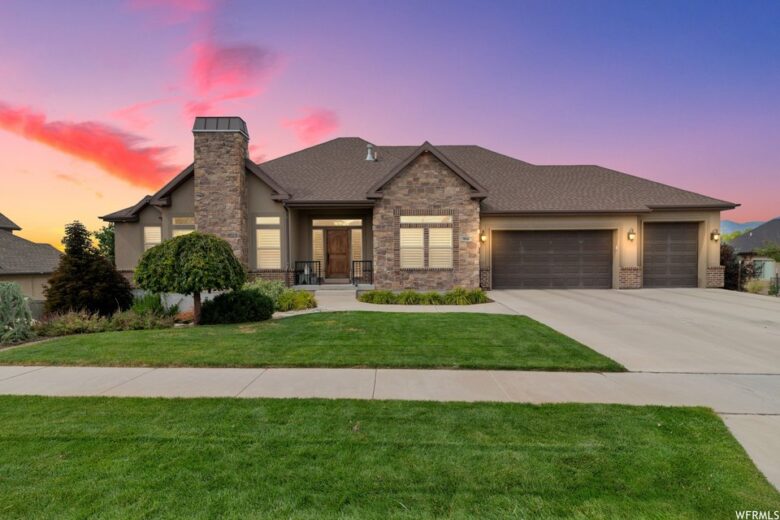
Veteran and their family in front of a home purchased with the VA Loan.

If you’re a veteran or active-duty service member considering buying a home, understanding VA loan requirements is your first step to unlocking affordable homeownership. This guide covers eligibility, benefits, costs, calculators, and comparisons to conventional loans, giving you all the information you need to make a smart decision.


VA Loan Requirements: Who Qualifies?

The VA loan requirements are straightforward, but essential to understand:

  • 90 consecutive days of active wartime service or 181 days in peacetime;
  • 6 years in the National Guard or Selected Reserve;
  • Spouse of a service member who died in the line of duty or from service-connected causes.

Besides military service, lenders also assess your credit, income stability, and debt-to-income ratio before issuing VA loan pre‑approval, which strengthens your offer in today’s competitive market.


Benefits: Why Choose a VA Loan?

The VA loan benefits make this mortgage type one of the most valuable financial tools available to service members:

  • No down payment required (in most cases);
  • No private mortgage insurance (PMI);
  • Lower veterans mortgage rates compared to conventional loans;
  • Restricted closing costs to protect the borrower.

These advantages help make the veteran home loan an appealing and accessible option for military families.

Clipboard showing the full list of VA loan benefits.

VA Loan vs. Conventional Loan: What’s the Difference?

Choosing a loan type requires careful consideration. Here’s a clear comparison:

FeatureVA LoanConventional Loan
Down Payment0% (in most cases)3%–20% required
PMINot requiredRequired if <20% down
Current mortgage ratesTypically lowerUsually higher
AppraisalVA-mandatedStandard
Funding FeeRequired (unless exempt)None
Property UsePrimary residence onlyPrimary, vacation, or rental

Downsides:

While beneficial, VA loans have limitations:

  • Must be for a primary residence only—no rentals or investment properties;
  • VA loan closing costs include a funding fee, from 1.25–3.3% of the loan amount;
  • VA appraisals can be stricter, potentially extending the timeline.

Calculator: Estimate Your Costs Accurately

To project your monthly payment—including closing costs, taxes, and insurance—you can use calculators offered by these reliable institutions:

These calculators help estimate costs and compare offers effectively.


Interest Rates: What to Expect

In 2025, VA home loan interest rates remain competitive. When shopping for rates, be sure to check:

These reputable lenders frequently offer updated rate information on their websites.


Refinancing Options: When to Consider It

Already own a VA mortgage? A refinance VA loan, like the Interest Rate Reduction Refinance Loan (IRRRL), could help you save. Compare VA home loan refinance options using calculators and lender tools before making a decision.


Practical Next Steps

Ready to take action on your veteran home loan? Follow this plan:

Husband and wife closing on a home purchased with the VA Loan.
  1. Check Your Eligibility — Confirm you meet VA loan requirements.
  2. Compare Lenders — Research current VA mortgage rates from trusted sources listed above.
  3. Calculate Your Payments — Use a VA loan calculator to estimate monthly costs.
  4. Get Pre‑Approved — Apply for VA loan pre‑approval with your selected lender.
  5. Prepare for Closing — Budget for the funding fee and ensure the home meets VA standards.
  6. Consider Refinancing Later — Explore VA home loan refinance options to reduce future costs.

Conclusion: Is a VA Loan the Right Choice for You?

The VA loan benefits, from no down payment to lower rates, offer strong advantages. However, possible downsides like funding fees and stricter property requirements mean you should compare them carefully against conventional loans. Use calculators, research rates, and follow the steps above to make the right choice.

Understand which mortgage is the best for you and tips

Home financed through one of the various types of mortgages

Understanding Each Mortgage Type

When it comes to choosing and filling out a mortgage for your home, many factors come into play and must remain top of mind. Things like interest rates and Mortgage Rates are crucial. Understand what each mortgage is and does for you. That’s why down below we will discuss each of the most common mortgage types, their drawbacks, and advantages so you can find the best one.

Considerations:

  • Ideal for high-value properties 
  • Higher interest rates
  • Stricter qualification requirements

First Mortgage vs Second Mortgage

First-Time Mortgage is for when an individual has never or within three years has owned a home. A first-time buyer could potentially qualify for an affordable mortgage rate with a down payment and closing costs assistance. Some advantages of having first-time home buyer loans are having lower down payment requirements and less restrictive credit score requirements. Disadvantages of first-time home buyer loans are potentially having lower loan amounts and paying low down payments. Along with private mortgage insurance, having income limits, and limited home equity to start.

A couple with their first home after getting a first time mortgage

A second Mortgage is a loan taken out on a property with an existing mortgage. There are two types: home equity loan and a home equity line of credit (HELOC). HELOCs allow you to access the equity you’ve created with your home and are a cost-effective way to borrow money. An advantage of a second mortgage include long repayment terms, access to large loan amounts, and having low interest rates. Some cons are income requirements to qualify, higher interest rates than refinancing, expensive closing costs, and losing your home if you default. 

Types
Home Equity Loan

A lump sum loan based on your home equity

Home Equity Line of Credit (HELOC)

A revolving line of credit based on your home equity

Fixed and Adjustable Rates

A fixed-rate mortgage is when the interest rate remains constant for the entire loan term, typically 15, 20, or 30 years. This means that the borrower’s monthly principal and interest payments stay the same, regardless of changes in market interest rates. Fixed-rate mortgages provide stability and predictability, making them a popular choice for homeowners.

A 15-year mortgage is a home loan with a 15-year term that has a fixed interest rate and monthly payment. Some benefits of a 15-year mortgage rate are the predictability of it being a fixed rate, lower interest loans, lower costs of borrowing, and faster equity borrowing. Some disadvantages of a 15-year mortgage rate pertain to higher interest monthly payments, less flexibility since the loan remains the same, and it’s more difficult to qualify than other types of loans.

A 30-year mortgage is a home loan that allows a buyer to pay off their mortgage over 30 years with a fixed interest rate that doesn’t change throughout the loan term. This mortgage allows for lower monthly payments, potentially having a bigger home-buying budget, and having more cash flow for investing, retirement, renovations, etc. Disadvantages include more interest paid over time throughout the loan, slightly higher interest rates than 15-year fixed-rate mortgages, and the slow rates of home equity.

An Adjustable Rate Mortgage (ARM) is a type of home loan where the interest rate changes periodically based on a benchmark or index. Unlike a fixed-rate mortgage, where the interest rate remains constant, the initial rate of an ARM is usually lower for a set period (often 5, 7, or 10 years), making the initial payments more affordable.

A house next to a percentage representing mortgage rate percentages which varies with each mortgage type <br>

Mortgages 101

Private Mortgage Insurance (PMI) is a type of insurance that protects lenders if a borrower defaults on their mortgage. Lenders often require PMI when a borrower makes a down payment of less than 20% of the home’s appraised value. The benefits of PMI allow home buyers to overcome housing affordability and inventory. It allows homebuyers to buy a home in a higher price market sooner rather than later but at a cost. The cost of PMI is that it sticks to the mortgage until the principal balance drops below 80% of the value of the home. For those who barely qualify for the mortgage, the additional PMI monthly payment can compromise their ability to qualify for the loan.

Jumbo Mortgage is a nonconforming loan that exceeds the standard loan limits set by the Federal Housing Finance Agency (FHFA) for conventional mortgages. Jumbo mortgages’ advantages include higher loan limits, one single loan, and a lower down payment. The disadvantages of jumbo loans include higher interest rates and more closing costs. You also need a clean credit score and not all properties qualify.

Refinancing a home involves replacing an existing mortgage with a new one, usually to secure better interest rates, lower monthly payments, or change loan terms. This process can lower financial burdens by lowering interest rates or shortening the loan term, saving money over time. It’s essential to evaluate your financial situation before choosing to refinance your home mortgage.

Lower Interest Rates

Potentially reduce monthly payments

Change Loan Terms

Switch from adjustable to fixed rate, or change loan duration

Cash-Out Refinance

Access home equity for other financial needs

Mortgage Types

FHA mortgage is a loan insured by the Federal Housing Administration (FHA), designed to help low- to moderate-income borrowers qualify for a mortgage. These loans are popular among first-time homebuyers because of their lower down payments (as low as 3.5%) and more flexible credit requirements. It requires borrowers to pay mortgage insurance premiums (MIP), both upfront and annually, which protects the lender if the borrower defaults.

VA mortgage is a home loan program available to veterans, active-duty service members, and eligible surviving spouses, backed by the U.S. Department of Veterans Affairs (VA). VA loans offer several benefits that aren’t typically offered with other mortgage types. For example, a down payment is required, no private mortgage insurance, and other benefits that are curcial to those needing these loans. It is less risky for lenders.

A veteran in uniform holding the home he bought with VA Mortgage type

To learn more about VA Home Loans visit our blog post.

A Construction loan is a short-term loan (6-18 months) used to finance the building or renovation of a home or other real estate project. These loans are issued for the duration of the construction process and are structured differently from traditional mortgages. Will generally require a detailed construction plan and higher credit standards, as they carry more risk for lenders. 

Conclusion

Selecting the right mortgage for your home involves more than just focusing on interest and mortgage rates. It’s essential to understand the different types of mortgages and what each one means for your financial future. By evaluating the advantages and drawbacks of each option, you can make an informed decision that aligns with your long-term goals.

There are key differences between lending through a credit union versus lending through a bank or private institution. To find your ideal lender refer back to our blog post on each lender and what they offer.

Sites through individual factors like Mountain America (https://www.macu.com/rates/home) and Zions Bank (https://www.zionsbank.com/personal/home-loans/) can help you find bank-specific requirements.