
Understanding Home Loans in Utah: How to Compare Rates and Choose the Right Lender

Understanding home loans in Utah is an essential part for homebuyers looking to secure the best mortgage. By taking the time to review Utah’s mortgage rate history and comparing them to the most recent rates today, you will be able to make an informed decision and choose the best lender and home loans based on your needs. Looking at mortgage rate history, the average since 1971 has seen 7.73%. However, Utah’s interest rate today for a 30-year fixed rate loan is 6.49%. This article will guide you through seeing the best mortgage rates in Utah, rate options, the difference between FHA and VA loans, and staying up to date with today’s rates.

The Best Mortgage Rates in Utah

Buying a home is one of the biggest financial decisions you’ll make in your lifetime. With a process that large, finding the best mortgage rate can save you thousands over the life of your loan. If you are looking for a home in Salt Lake City, Provo, or Utah County, understanding how mortgage rates work and what factors change them is important to getting the best deal. In this guide, we’ll break down mortgage rates across Utah and share tips to help you lock in the most competitive rate possible.

Best Mortgage Rates In Utah

If you’re searching for the best Salt Lake mortgage rates, it’s important to know that the market here is very competitive. Since Salt Lake has very strong demand and is constantly fluctuating interest rates. Buyers should compare multiple lenders and explore first time home buying programs to secure the lowest rate possible, don’t just settle for the first one you come across.

In West Jordan and South Jordan, mortgage rates can vary depending on factors like credit score, loan type, and down payment size. Since these areas continue to grow, buyers should carefully look to see whether a fixed or adjustable-rate mortgage is the best fit for their long-term financial goals. Keeping an eye on the most recent West Jordan mortgage rates and South Jordan mortgage rates can help you lock in a better deal.  

For those looking in Provo and Utah County, the housing market remains strong due to affordable home prices and a thriving job market. Provo mortgage rates and Utah County mortgage rates are often lower than those in Salt Lake City, with that being said, they can still fluctuate. Comparing lenders and working with a local mortgage expert can help ensure you get the most favorable rate available whenever you are ready to purchase a property.

Rate Options

Getting to know your different rate options is also a crucial part when looking for the right mortgage. As of today, the jumbo mortgage rates in Utah are 30-year ⅚ ARM rate: 5.875% (7.012 APR), 30- year 7/6 ARM rare: 6.25% (6.869% APR), and 30-year 10/6 ARM rate: 6.375% (6.823% APR). Jumbo loans are mortgages that exceed the conforming loan limits in Utah and are set by the FHFA and adjusted each year.

A first year mortgage rate refers to the interest rate applied to the first year of a mortgage loan. These specifically apply to adjustable-rate mortgages, also known as ARM’s. Currently, for a first-year mortgage rate for a 30-year fixed rate is 6.49% whereas a 15-year fixed-rate loan is 5.625%. A second mortgage rate refers to interest applied to a second mortgage. This is typically a loan taken out against the equity of your home in addition to your primary mortgage. These rates typically change based on market conditions. A 20-year mortgage rate in Utah is currently 6.49% for a 30-year fixed rate and 5.625% for a 15-year fixed rate. Looking to refinance? No problem! A 30-year refinance rate in Utah is currently 6.88%. There are plenty of options within the world of mortgages that can cater to anyone’s needs.

Should you get a VA or FHA Loan?

If you are looking for a home and are a veteran or a first-time homeowner you may be eligible for a VA or FHA Home Loan for discounted mortgage programs. When considering a financial plan for your mortgage in the state of Utah, one of the decisions you will face is whether to choose a Veteran Administration (VA) loan program or the Federal Housing Administration (FHA) housing program. With a traditional mortgage, you typically need a 20% down payment. For a $250,000 30-year mortgage loan, that would mean a $50,000 down payment, leaving you with a $200,000 mortgage rate. If you’re weighing your mortgage options, it’s important to compare Utah FHA loan rates and VA mortgage rates in Utah to find the best fit for your financial situation.

Current VA mortgage rates in Utah can offer 100% financing for veterans or active duty individuals, with competitive interest rates. The Veteran Administration plan also allows for adjusted or fixed rates and no down payment or credit score required. For VA loan, veterans and active-duty service members can receive a discounted rate on the entire loan amount. For example, a $250,000 loan with no down payment, offers the advantage of a lower interest rate and no private mortgage insurance.

flag on new home

On the other hand, FHA rates Utah are another solid option, especially for first-time homebuyers. The FHA home loan plan provides mortgage insurance to encourage market activity allowing individuals the option to buy a home. FHA interest rates in Utah tend to be favorable, though they may come with some additional fees like mortgage insurance or limitations of loans.

 For instance, an FHA loan requires as little as 3.5% down, so on a $250,000 loan, the down payment would be around $10,000. However, there is an additional home loan to cover the delta of the down payment that is around $40,000, which may come with higher mortgage insurance and a higher interest rate. The main $200,000 loan could benefit from a lower rate, resulting in less interest and lower monthly payments. Whether you opt for an FHA or VA loan, understanding the specific FHA interest rates Utah and VA mortgage rates Utah can help you make the most informed and cost-effective decision.

Keys in hand after buying a home

Staying Up to Date With Today’s Rates

Staying up to date with today’s rates is an essential step for anyone navigating the home market. Whether you are a first-time home buyer or a current homeowner looking to refinance your mortgage, it is important you understand how current mortgage rates or current refinance rates will impact you and your financial decisions.

         Rates are dependent on several key factors such as the type of loan, the term of loan, lender policies, and your individual financial situation. When in the market for a home or to refinance, you should develop a keen understanding of what each type of rate is, therefore when consistently monitoring these rates, it will be more beneficial to you.

The first rate is housing interest rates. These are the rates that lenders will charge to borrow money for a home. Current housing interest rates in Utah are between 4.84% and 7.17%. Next are home loan rates which are the interest rates charged on mortgages that are calculated by lenders. Current home loan rates in Utah are between 4.84% and 6.75%. Then there are mortgage rates, which are the interest rates you pay on loans to buy a home. Mortgage rates today in Utah are between 6.125% and 6.99%. Finally we have refinance rates. There are interest rates for refinancing a loan or mortgage, replacing the terms of your existing loan with a new one. Refinance rates today in Utah are between 5.97% and 6.75%.

The process of understanding and securing mortgages and home loans can be overwhelming, particularly for first-time home buyers, therefore, navigating the ever changing market and engaging in careful research is crucial. Fortunately, there are many ways to stay informed on up to date rates as well as various resources to utilize such as A Beginner’s Guide to Interest Rates or Best Mortgage Lenders 2025. Assessing these will give you a clearer understanding of the process, and ensure you are informed and prepared to make a decision. Securing the right loan can seem complex, but through educating yourself and understanding your specific needs will instill the confidence to make the best choice.

Home Buying Tips in Utah | Current Mortgage Rates & Market Insights

Home Buying Tips in Utah: How Current Mortgage

Buying a home in Utah? Understanding current mortgage rates in Utah—which are currently higher than the national average—and navigating the real estate market can save you thousands. With home prices rising and interest rates fluctuating, it’s crucial to be well-prepared. This guide will walk you through expert home buying tips, from getting pre-approved to securing the best financing options, so you can purchase your dream home confidently.

Why Utah is a Great Place to Buy a Home

Utah has become one of the most attractive states for homebuyers primarily because of its booming economy and job growth. With a growing tech sector, known as the “Silicon Slopes,” and a strong business environment, Utah offers excellent employment opportunities, making it an ideal place to settle down. In addition to economic stability, Utah is famous for its stunning landscapes and outdoor recreation. From world-class skiing in Park City to world renown hiking trails and national parks, Utah has it all. These lifestyle perks make homeownership even more desirable. Another major advantage is affordability in Utah and Utah remains more cost-effective than neighboring states like California and Colorado, allowing buyers to get more value for their money while still enjoying a high quality of life.

7 Home Buying Tips to Get the Best Deal

Buying a home is one of the biggest financial decisions you’ll make, and getting the best deal requires careful planning. From understanding current mortgage rates in Utah to navigating a competitive housing market, being prepared can save you thousands of dollars. The key to a successful home purchase is securing favorable financing, knowing what loan options are available, and strategically negotiating your offer. Whether you’re a first-time buyer or a seasoned investor, these seven expert home-buying tips will help you find the right home at the best possible price. By following these steps, you’ll be able to make informed decisions, avoid common pitfalls, and ensure a smooth home-buying process. Let’s dive in!

1. Check Current Mortgage Rates in Utah

Before starting your home search, it’s crucial to research current mortgage rates in Utah. Mortgage rates directly impact your monthly payment and the overall cost of your home, so staying informed can save you thousands over the life of your loan. Compare fixed vs. adjustable-rate mortgages to see which best suits your financial goals. Keep an eye on historical trends to understand whether rates are rising or falling, and consider locking in a rate when market conditions are favorable. Working with a lender early in the process can help you secure a competitive mortgage rate that aligns with your budget.

2. Get Pre-Approved Before You Shop

A mortgage pre-approval is one of the most important steps in the home-buying process. It signals to sellers that you are a serious buyer and can afford the home you are bidding on. During pre-approval, lenders evaluate your credit score, income, and debt-to-income ratio to determine your borrowing capacity. The stronger your credit profile, the better mortgage rates you can qualify for, potentially saving you thousands over the life of your loan. Getting pre-approved before house hunting also helps you set a realistic budget and avoid falling in love with homes outside your price range. you set a realistic budget and avoid falling in love with homes outside your price range.

3. Understand Your Loan Options

Choosing the right mortgage loan type can significantly impact your affordability and long-term financial stability. Conventional loans are best for buyers with strong credit and stable income, often requiring a 20% down payment. FHA loans are great for first-time buyers, offering lower down payment options and more flexible credit requirements. VA loans (for military service members and veterans) and USDA loans (for rural homebuyers) provide additional financing benefits with low or no down payment requirements. Understanding the pros and cons of each mortgage type will help you select the best financing option for your home purchase.

4. Know Utah’s First-Time Home Buyer Programs

If you’re a first-time homebuyer, Utah’s first-time home buyer programs can help make home ownership more affordable. The Utah Housing Corporation provides loans with low-interest rates and down payment assistance, making it easier to qualify for a mortgage. Additionally, various federal and state grants are available to help cover closing costs and down payments, reducing the upfront financial burden. Researching these programs and working with a knowledgeable lender can help you maximize your home-buying benefits and secure the best possible deal.

5. Choose the Right Location

Location is one of the most critical factors in determining the value of your home. The best place to buy in Utah depends on your lifestyle, budget, and long-term goals. Salt Lake City is a great choice for those seeking urban amenities, job opportunities, and a vibrant city life. Provo is ideal for families and students, with a strong rental market and great schools. If you prefer a warmer climate and scenic beauty, St. George offers a relaxed, nature-filled lifestyle with easy access to national parks. To help narrow your search, check out our in-depth breakdown of the best Utah cities for homebuyers.

6. Be Prepared for a Competitive Market

Utah’s real estate market is highly competitive, with many homes selling quickly and above asking price. To increase your chances of securing a home, be prepared to act fast when you find a property you love. In competitive areas, buyers may need to offer above the asking price to stand out. Additionally, waiving certain contingencies, such as appraisal or home inspection contingencies, can make your offer more attractive to sellers—but be sure to discuss risks with your real estate agent before making these decisions. If you’re entering a bidding war, our guide on winning a bidding war on a home in Utah has expert strategies to help you succeed.

7. Factor in Closing Costs & Extra Fees

Many buyers focus on the down payment but overlook additional expenses such as closing costs, taxes, and fees. Closing costs typically range between 2-5% of the home’s purchase price, covering lender fees, title insurance, and escrow expenses. Additional costs like home inspections, property taxes, and homeowners insurance can add to your budget. Understanding these expenses ahead of time will help you plan financially and avoid last-minute surprises. Before closing on your home, review our complete guide to closing costs in Utah so you know what to expect.

Final Thoughts: Secure the Best Mortgage Rate in Utah

Yes! We understand that buying a home is a very exciting journey, but it can also feel very stressful, especially with fluctuating mortgage rates and the competitive Utah Market. The key to a successful home purchase is staying informed about current mortgage rates in Utah and prepping in advance. Monitoring rates, getting pre-approved, and partnering with a trusted local real estate agent can help position you for success.

Even just a slight reduction in your mortgage rate will lead to significant savings over the life of your loan. Making smart financial decisions early on in the process is vital to securing the right home at the best price and one that aligns with your budget, lifestyle, preferences.

Explore Other Resources:
For additional help and guidance on navigating Utah’s real estate market and securing the best mortgage rates, visit our [Home Buying Resources Page]. You can also check trusted sites like [Bankrate] and [Zillow] for the latest Utah mortgage rates and property listings.

Utah Mortgage Myths

Blue sky with the welcome to Utah sign on the left showing red mountains.

Mortgage Myths Debunked: What Every Utah Homebuyer Should Know

Buying a home can feel like a daunting task, especially with some common misconceptions that can make it feel like homeownership is out of reach for so many. Homebuyer education, mortgage calculators and tools, loan, and down payment assistance programs can make homeownership more accessible and affordable than you might think. We will debunk common myths regarding mortgage rates and homeownership in Utah and show how you might access a mortgage that previously seemed out of reach.   

Myth: You Need a 20% Down Payment and Perfect Credit to Buy a House in Utah

The belief that you need a perfect credit score and a 20% down payment to buy a home discourages many potential homebuyers. While these can ease the process of buying a home, certain incentives and benefits make it easier to get approval for a loan than you might think. 

Utah Down payment Assistance

One myth that keeps many from pursuing homeownership is the idea that you need a 20% down payment to purchase a home. While it’s true that a larger down payment can help you secure a better mortgage rate, it’s far from a requirement. In fact, there are several Utah mortgage assistance programs that can help you cover your down payment. For first-time homebuyers in Utah, down payment assistance programs and low down payment mortgage options like FHA loans or USDA loans can make buying a home much more affordable. The Utah Housing Corporation down payment assistance program offers down payment assistance specifically for eligible Utah homebuyers. Some Utah communities offer additional down payment assistance should you choose to purchase a home there. Using a Utah mortgage calculator, you can quickly see how much you can save on your down payment by exploring different loan options, including low down payment mortgages or even no down payment loans for eligible buyers in rural areas with USDA loan eligibility.

Homebuyer Assistance in Utah with Low Credit

Smiling couple standing in front of their new home, holding a wooden sign that reads 'Home Sweet Home,' symbolizing homeownership and a fresh start. This is their first mortgage.

A common myth that discourages many potential buyers is the belief that you need a perfect credit score to secure Utah home loans. While having a strong credit history certainly helps when applying for a mortgage, it’s not a dealbreaker if your score isn’t flawless. Many Utah mortgage brokers and local mortgage companies in Utah offer specialized loan options for those with less-than-perfect credit. FHA loans, for instance, are designed to help buyers with lower credit scores (often as low as 580) secure financing with lower down payments. If you’re worried about your credit score, talk to the best mortgage lenders in Utah about homebuyer resources and options like FHA loans, VA loans or USDA loans. These can be forgiving of lower scores, especially if other financial factors, such as your debt-to-income ratio, are strong.

Myth: Renting is Always Cheaper Than Buying in Terms of Home Affordability

There is a common myth that states that renting is always cheaper than buying. We will discuss and debunk this myth. It is not necessarily true that renting is always cheaper. While renting has lower upfront costs, buying a house can be more cost-effective in the long run. There are many different factors at play to determine which is better for you. Current Utah mortgage rates, tax benefits, access to FHA loans in Utah, and property appreciation can all impact your financial decisions. Depending on the rates when you buy, a mortgage payment could be cheaper than a rent payment.

Utah Homebuyer Grants vs. Costs of Renting

While buying means more upfront costs, there are resources which can combat this. First-time homebuyers can qualify for homebuyer grants which provide sums of money for free to use towards a down payment or closing costs. This can be huge in the long run, because the larger down payment you put down, the lower your monthly mortgage payment is. On the flip side, with renting there can be many extra costs that can increase your monthly rent payment. For example, parking fees, pet ownership fees, and amenities fees; as well as one-time large payments for a security deposit. Additionally, when you pay a monthly mortgage, you are building equity by owning a property and can get money back if you sell the house later on. When you rent, you do not build any equity or get any money back that you have paid. This is because owning a house is an investment. Fixed-rate mortgages mean that payments do not inflate over time, but rent payments generally increase steadily every year. While mortgage rates are currently higher in Utah than they were several years ago, analysts predict them to be lower in the future. This gives you the chance to lock in a house at the current price and refinance at a lower rate down the road.  With the right loans, homeowner assistance programs, and a look to the future, now could be a great time to make the switch from being a renter to being a homeowner. 

Navigating Utah’s Mortgage Myths and Homebuying Realities

Buying a home in Utah can seem overwhelming with all the myths surrounding mortgage rates, down payments, and credit requirements. However, as we’ve explored, you don’t need a perfect credit score or a 20% down payment to become a homeowner. With various federal / Utah down payment assistance programs and flexible loan options, purchasing a home is more accessible than many realize. While renting might seem like the cheaper option upfront, buying a home can often be more cost-effective in the long run, thanks to homebuyer grants, equity building, and stable mortgage payments. To further assist you in navigating Utah’s mortgage landscape, check out the resource Mortgage Rates Made Easy for helpful tools, updated rates, and personalized guidance. Understanding your options, using tools like a Utah mortgage calculator and working with reputable lenders can help you make the best decision for your financial future. Whether you’re looking to buy your first home or exploring ways to invest, debunking these common myths is the first step toward turning homeownership into a reality in Utah.

Young couple in Utah sitting on the floor of their new home, toasting with drinks, surrounded by moving boxes and a pizza box, celebrating their move. This is their first home and first mortgage!

Mortgage Rates In Utah: The Hidden Shock of the Federal Reserve

How the Federal Reserve Impacts Utah Mortgage Rates (And What It Means for You)

If you’re looking to buy a home or thinking about refinancing, it’s important to understand how the Federal Reserve affects mortgage rates in Utah. So, how does the Fed influence these rates, and what issues could it have for home buyers and current homeowners? While the Fed doesn’t directly set mortgage rates in Utah, its monetary policy decisions, like raising or lowering interest rates, have a significant impact on the economy and borrowing costs. Being able to understand this relationship will help you make better financial choices, whether you’re in the market to buy, sell, or plan for the future. In the following sections, we’ll explore the main ways the Federal Reserve shapes Utah mortgage rates and how you can get ready for changes happening in the market.

Utah home in hands with coins in front investing into 30 year fixed rate mortgage

The Federal Reserve’s Role in the Economy

The Federal Reserve plays an essential role in the U.S. economy by managing monetary policy, controlling inflation, and influencing interest rates. One major impact from their role is on mortgage rates in Utah. As changes in the federal funds rate directly affect mortgage interest rates and home loan interest rates for buyers. When the Fed raises rates to combat inflation, current mortgage rates in Utah tend to increase. Making borrowing more expensive and affecting housing affordability. Conversely, rate cuts can lower interest rates in Utah, enticing home purchases, real estate investments, and mortgage refinancing. Understanding the Fed’s policies is essential for Utah residents looking to navigate the housing market and secure the best loan options.

How the Federal Funds Rate Affects Mortgage Rates

The federal funds rate is the interest rate banks charge each other for overnight loans. It also has a significant impact on mortgage rates in Utah. When the Federal Reserve raises the federal funds rate, borrowing costs for banks increase, leading to higher mortgage rates for consumers. This makes home loans more expensive, potentially slowing down the housing market. On the other hand, when the Fed lowers rates, mortgage rates typically decrease. Making it more affordable for Utah home buyers to secure loans. Keeping an eye on Federal Reserve decisions can help prospective homeowners make informed financial choices.

The Fed’s Balancing Act

The balancing act between mortgage rates and inflation varies depending on the current economic status. Although both of them fluctuate on market forces, mortgage rates tend to raise with inflation rates. When the mortgage rates rise too far the Federal Reserve discuss the steps to address the rates that influence homeowners’ borrowing. To come to this conclusion the Federal Reserve hosts the Federal Open Market Committee (FOMC) eight times a year. They discuss the current trends, analyses, then determine the next steps to take for the market to stabilize mortgage rates. Once the steps are taken the policies are put into act to increase the loans. For first time home buyers and current homeowners to assist in purchasing homes to keep the economy afloat. 

What Happens When the Fed Raises or Lowers Rates?

When the federal government lowers or raises mortgage rates, it is implemented through policies. They reflect how the market should be impacted based on changes in federal funds rates. When this happens, mortgage lenders adjust their rates accordingly, leading to higher borrowing costs. For current homeowners and potential home buyers, this often results in decreased market activity. As mortgage rates in Utah are higher, they reduce borrower interest and affordability.

Apart from this, home loan interest rates fluctuate with the market. This means higher interest rates in Utah lead to higher mortgage rates. While lower interest rates result in more affordable home loans. These fluctuations are influenced by economic trends, inflation rates, and housing market demand. All of which contribute to how current mortgage rates in Utah are determined. Policy analysts and financial experts consider these factors to make informed decisions that impact home affordability investments across Utah.

End Notes

The Federal Reserve significantly impacts mortgage rates in Utah, even though it doesn’t set them directly. When the Fed changes the federal funds rate to manage inflation it creates a ripple effect for mortgage rates. Generally, when the Fed increases rates, mortgage rates also rise. This makes home loans more costly, while lower rates can make purchasing a home more affordable. For young professionals in Utah who are considering buying a home or refinancing in the future; it’s essential to understand how the Fed’s decisions. They affect mortgage rates in the state to make informed financial choices. Check out the latest on the Fed’s policy stance, why it has limited power over housing inflation. Additionally, how current mortgage rate trends could impact your future home buying plans. Finally, learn more here at The Best Guide To Understanding Mortgage Rates in Utah.

The Ultimate Guide to Mortgage Rate Shopping in Utah

Understanding Mortgage Rates in Utah


In order to secure the best deal on your mortgage rate, you must understand the ultimate guide to mortgage rate shopping in Utah. Finding the best home loan rate in Utah is essential for anyone looking to buy a home. Mortgage rates determine how much you’ll pay monthly and over the life of your loan. Several factors influence home loan rates in Utah, including credit scores, loan terms, and the real estate market. This article will serve as the ultimate guide to mortgage rate shopping in Utah.

Utah’s real estate market, characterized by high demand and limited inventory, plays a major role in mortgage rates. As home prices continue to rise, finding a competitive mortgage rate becomes more challenging. However, understanding the key factors that impact home loans can help buyers in finding the best home loan rate in Utah.

Factors that Affect Mortgage Rates in Utah

When applying for a home loan in Utah, lenders evaluate multiple factors to determine your mortgage rate:

  1. Credit Score
    Lenders use credit scores to assess borrower risk. Generally, borrowers with scores above 700 qualify for lower mortgage rates, while those with lower scores may face higher interest rates. If you’re aiming for the best home loan rate in Utah, improving your credit score should be a priority.
  2. Loan Types
    Different types of home loans come with varying mortgage rates:

Fixed-Rate Mortgages → Offer stable monthly payments but often start with higher initial rates.
Adjustable-Rate Mortgages (ARMs) → Feature lower introductory rates, but payments may increase over time.


Government-backed loans (FHA, VA, USDA) → Offer low mortgage rates with flexible qualification requirements. FHA loans are ideal for first-time buyers, VA loans provide benefits for veterans, and USDA loans help rural homebuyers.

Market Conditions:
The Utah real estate market affects mortgage rates based on supply, demand, and economic factors. Interest rate trends also influence whether now is the best time to buy a home.

How to Compare Mortgage Rates in Utah


An important aspect of mortgage rates is knowing how to compare different aspects of them. One of the biggest things to look for is the best mortgage lenders in Utah. There are various lists with reviews from past experiences and this will also help you compare mortgage rates in Utah. Along with comparing various lenders, it’s important to get pre-approved so you have a competitive advantage over others looking at the same house. Lastly, look into whether you want a 30-year mortgage which will give you lower monthly payments but a higher total interest, or if you want a 15-year mortgage which will cost significantly less in the long run. 

Tips to Secure the Best Mortgage Rate in Utah

To ensure that you are prepared to get the lowest mortgage rate you can follow these next steps. Improve your credit score to preferably above 740. You can do this by paying off debt and avoiding new credit inquiries before applying. Next, you need to increase your down payment. A larger down payment reduces risk for the lender and helps you to qualify for a fixed-rate mortgage with a lower interest rate. Lastly, make sure that you lock in your rate at the best time. With the interest rate constantly fluctuating, it is vital that you are prepared to act when the time is right so that you are able to obtain the best home loan rate in Utah.

Finding the Right Mortgage Rate for You

All in all, there are many factors that go into your mortgage rate. Maintaining a good credit score is essential to securing a low mortgage rate. Alongside this, increasing the size of your down payment can vastly lower your mortgage rate or even offer you a fixed mortgage rate in Utah. Selecting the right type of loan can also be helpful towards your mortgage rate. Another way you can ensure that you are getting the best mortgage rate is to compare different lenders, credit unions, and banks. In combination with this, deciding the right time to secure your mortgage rate is very important. Rates can fluctuate and change, and tracking trends may be timely; however, it may save thousands in the long run. As far as the next steps go, do not wait! Get pre-approved, plan to lock in your rate, and prepare to select the right type of loan for yourself and your personal needs. Additional resources are also out there to help! Utilize tools such as mortgage rate calculators, read lender reviews, and explore refinancing options in order to find the best home loan rates in Utah.

Resources

Title image featuring a house, representing the topic of mortgage rates and how to calculate them.

https://citycreekmortgage.com/todays-rates/

Beginner’s Guide to Banking

Best Mortgage Banks in Utah

The Best Guide To Understanding Mortgage Rates in Utah

What are mortgage rates and how can I find the best mortgage rate? Mortgage rates are interest rates charged by lenders for home loans and determine the cost of purchasing a home. These tend to fluctuate based on current economic conditions when looking at Utah’s booming real estate market. This has led to increased home prices. And is why mortgage rates are essential to take into consideration for new and old home buyers. The smallest incremental changes can significantly affect your monthly and the total amount that is paid over the loan’s life. Check out our Mission page to learn more about how we can help you with all things involving mortgage rates. 

best mortgage rate Utah family home house buying home

Factors that influence Mortgage Rates

We have to look at factors that are influencing these increased or lower rates in Utah. Currently Utah is being driven by:

  • High population growth,
  • New residents,
  • And new employment opportunities especially in the tech industry with companies like Adobe. All these factors end up driving up the mortgage rates for Utah.

Utah mortgage rates are generally in line with national averages, although they can vary slightly depending on local housing market trends. For example: rapid growth in Utah’s housing market may cause rates to fluctuate more than in states with a more stable market. Comparing Utah mortgage rates with national averages can help you understand if you’re getting a competitive offer. Use online rate comparison tools or consult with local lenders to find the best rate available to you.

Tips for getting the best Mortgage Rate in Utah

Securing the lowest possible mortgage rate requires preparation and research. Start by improving your credit score. You can do this by paying down debt, avoiding new credit inquiries, and ensuring all your payments are on time. Learn more about your credit score by visiting the Consumer Financial Protection Bureau.  Saving for a larger down payment can also help you qualify for a better rate. Shopping around and getting quotes from multiple lenders is crucial; even a slight difference in rates can lead to significant savings over the life of the loan.

Refinancing Your Mortgage in Utah

Refinancing your mortgage rate in Utah can be extremely beneficial for the homeowner. This is especially true if today’s home mortgage interest rates are lower than when you previously got your loan. In addition to the refinancing interest rates, you must also keep in mind other costs that could be associated with the process. Our page on Refinancing Advice allows for an even more in-depth look on how and when homeowners refinancing is a good idea. 

Utah’s mortgage rates play a critical role in the affordability of homeownership. Mortgage rates in Utah can be influenced by economic conditions, local market trends, and personal financial factors. Whether you’re a first-time buyer, looking to refinance, or simply comparing rates, understanding these elements can help you to find your mortgage solutions. By improving your credit score, saving for a larger down payment, and shopping around for the best mortgage rate, you can optimize your mortgage options. For more insights and expert guidance, explore our Mortgage and Money Resources page for a deeper understanding of mortgage rates in Utah, visit our Saving and Investing section for refinancing tips, and find the best mortgage rate in Utah.

Utah’s Guide to Fixed-Rate Mortgages

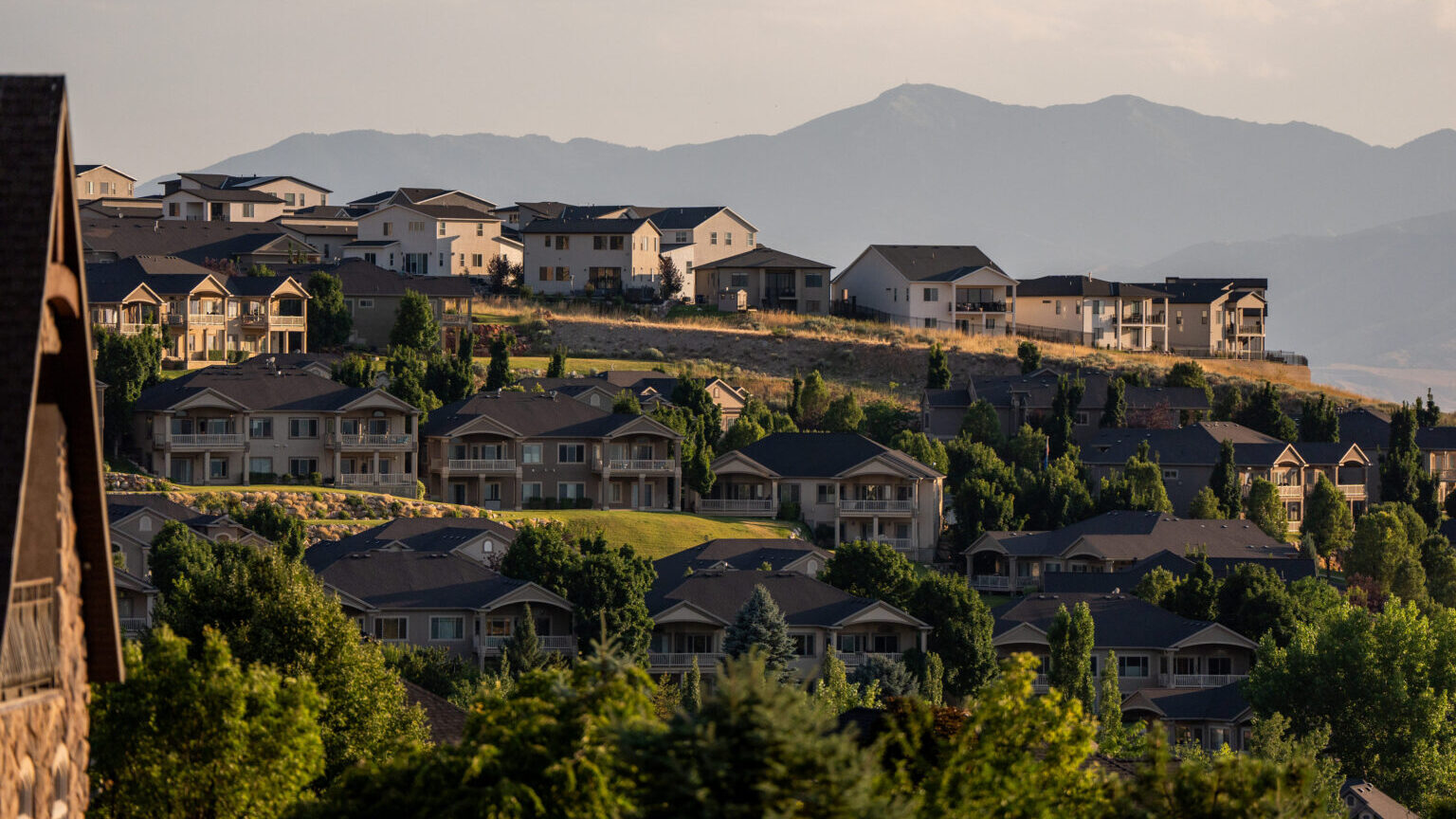
Utah valley housing with mountain in background. Understanding mortgage rates in Utah.

Understanding 30-Year Fixed-Rate Mortgages in Utah

A 30-year fixed mortgage rate may seem daunting, but it doesn’t always have to be. Many issues can stem from just not fully understanding the process. By breaking it down into easier steps such as advantages, factors influencing fixed rates, and how long your loan should be, you will leave feeling confident in your knowledge of mortgage rates within Utah. 

A 30-year fixed-rate mortgage is the most popular loan length allowing homeowners to purchase property by paying the balance over 30 years through fixed interest rates. The loan features predictable monthly payments as payments stay unchanged throughout the loan period. This length choice stands out as the most popular selection for first-time homebuyers as monthly payments are lower than what borrowers would pay with shorter mortgage terms. Residents of Utah frequently choose this type as it helps them purchase homes in an ever-changing market by providing steady payment amounts.

Advantages of a 30-Year Fixed-Rate Mortgage

There are several benefits to a 30-year fixed mortgage rate. Borrowers with mortgage rates such as these benefit from consistent monthly payments that remain lower than those for 15-year mortgage loans. When choosing this payment plan, homeowners can extend their financial resources ultimately leading them to purchase their dream homes, staying far away from compromise. Fixed interest rates also protect borrowers from market rate increases, establishing a constant payment amount for future periods. Because of its stable payment plan, Utah families can more confidently plan their future while living in this constantly evolving housing market.

Factors Influencing 30-Year Mortgage Rates in Utah

A variety of factors affect the rates of 30-year mortgages in Utah. Some significant economic factors that usually play a part can include inflation, employment rates, and the country’s general economic well-being. Monetary policies of the Federal Reserve can also affect mortgage rates indirectly. For instance, when the Federal Reserve raises interest rates, banks are forced to increase the rates at which they borrow money leading to higher costs for consumers. Locally, mortgage rates within Utah are influenced by the market demand for housing and property values as lenders change their interest rates according to market trends.

As of 2025, the 30-year fixed rate mortgage in Utah sits at 6.56%, which is only slightly below the current national average. This is possible due to Utah having a strong economy, with a prosperous and overall healthy housing market to follow. As a result, rates are relatively stable compared to other states. It is predicted that mortgage rates in Utah will stay between 6.0% and 6.9% throughout 2025. For potential homebuyers, any rate changes will be accompanied by changes in their monthly payments and the overall total amount paid toward the loan.

30-Year vs. 15-Year Fixed Rate Mortgages

You may be wondering, why choose a 30-year over a 15-year mortgage? The major disadvantage of a 15-year mortgage is the higher and more frequent monthly payments that accompany it. Alternatively, the main advantage is that homeowners can make fewer payments, overall paying less in interest over the life of the loan. This option is quite popular in Utah for buyers who want to build equity quickly or be mortgage-free as soon as possible. The choice between a 30-year and 15-year mortgage ultimately boils down to the personal financial objectives, income stability, and personal preference of each individual homeowner.

Take-Aways

In conclusion In Utah, many homebuyers prefer a 30-year fixed-rate mortgage as it offers affordability and financial planning advantages. Understanding the advantages and disadvantages of each available option helps individuals select the correct mortgage term for their circumstances. However, It is crucial to make sure to evaluate your own financial goals before making a final decision. Our website https://www.mortgagerateutah.com/ features additional resources about Utah mortgages and current rate information. Additional resources include the Utah Department of Financial Institutions and City Creek Mortgage which can help you discover more detailed and specific loan options.

Utah Mortgage Rates Made Easy

What Are Mortgage Rates and Why Do They Matter?

Mortgage rates determine how much interest you will pay on a home loan. These rates fluctuate based on economic factors such as inflation, Federal Reserve policies, and local housing market conditions. Whether you’re a first-time homebuyer or a homeowner looking to refinance, understanding current mortgage rates in Utah can help you make informed financial decisions.

Current Mortgage Rate Trends in Utah

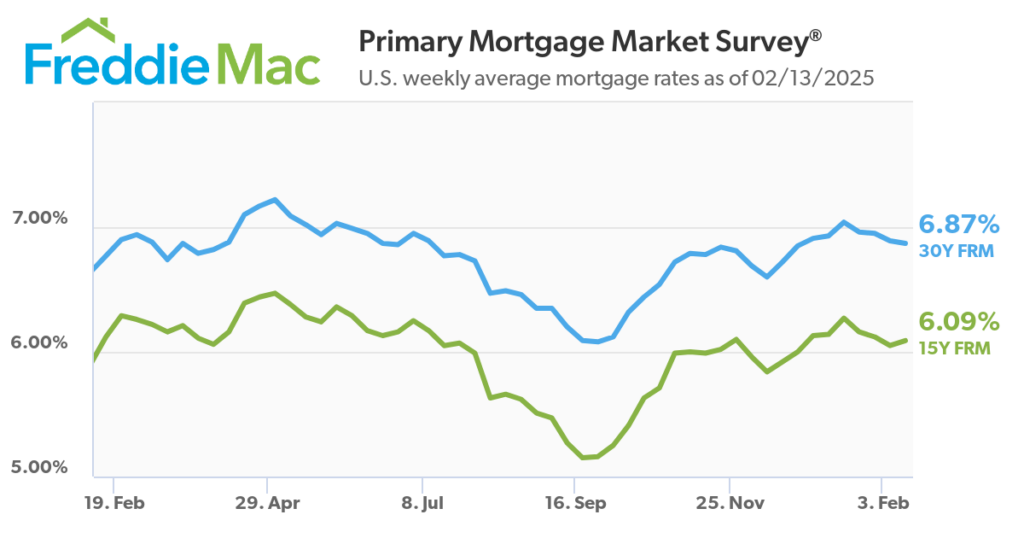
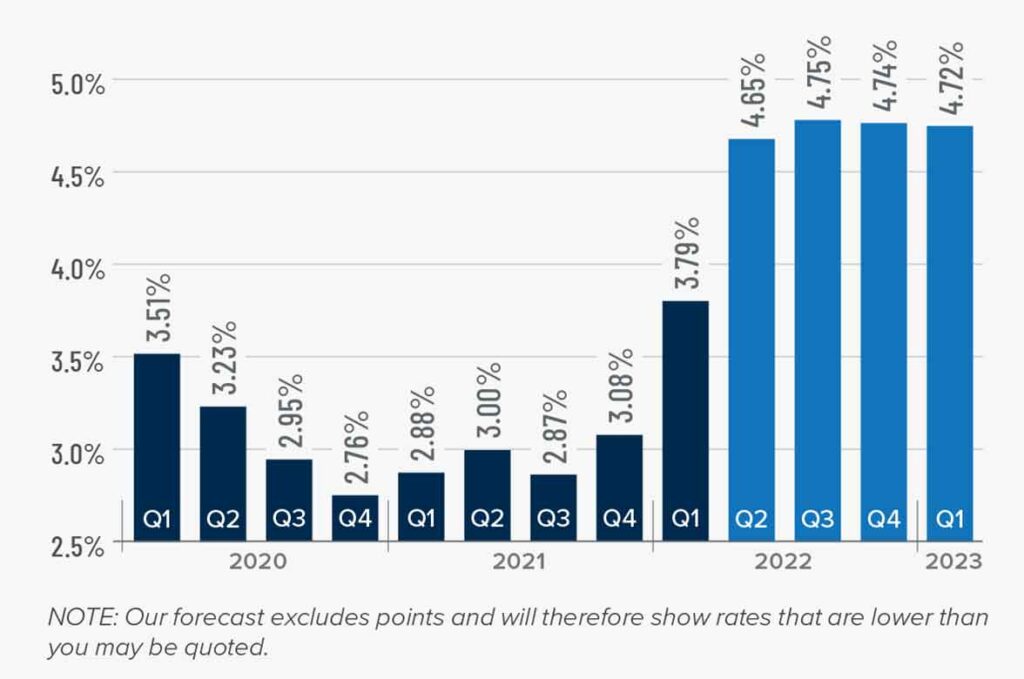
2025 Primary Mortgage Market Survey

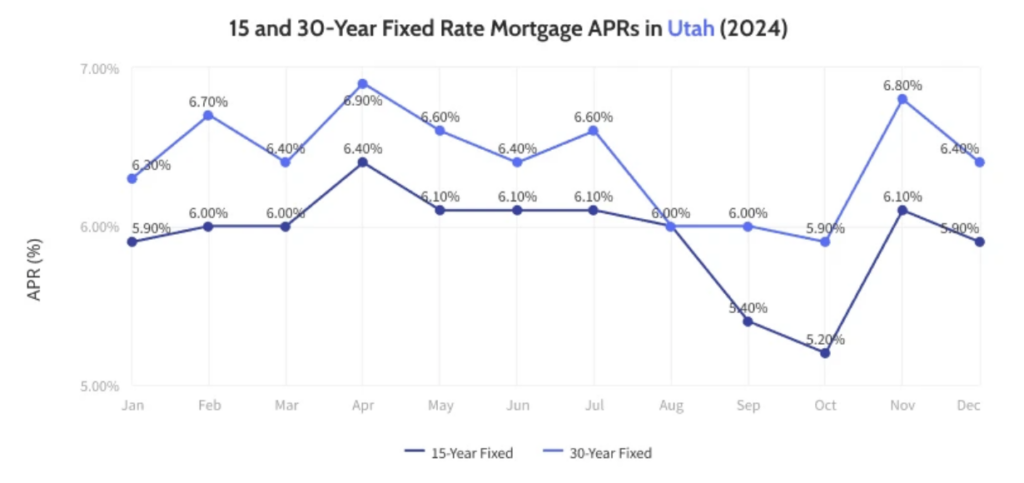
Mortgage rates in Utah are affected by market demand, lender competition, and national interest rate policies. As of February 6, 2025, interest rates have been fluctuating due to economic uncertainty and inflation concerns (as seen in the image to the left). For the latest national mortgage rate data, you can refer to Freddie Mac’s Primary Mortgage Market Survey. Homebuyers looking to lock in a mortgage should consider fixed-rate vs. adjustable-rate loans, depending on their long-term financial goals.

Types of Home Loans Available in Utah

Choosing the right mortgage is essential. In Utah, homebuyers can explore options such as:

Conventional Loans –

Best for buyers with strong credit and a solid down payment.

FHA Loans –

Ideal for first-time buyers with lower credit scores and smaller down payments.

VA Loans –

Designed for veterans and active-duty military members with benefits like no down payment.

Jumbo Loans –

Suitable for purchasing high-value homes beyond conventional loan limits.

Not sure which loan is right for you? Our First-Time Homebuyers Guide breaks down everything you need to know about qualifying for a mortgage and choosing the best loan option.

Should You Lock in Your Rate?

Given current volatility, many borrowers are asking: Should I lock in my mortgage rate now?

If rates are expected to rise, locking in a rate now could save money.

If rates may decrease, some lenders offer “float-down” options that allow you to secure a lower rate before closing.

Is Now the Right Time to Refinance?

Refinancing can help homeowners lower their monthly payments or switch to a better loan term. Utah homeowners should monitor interest rates and consider rate-and-term refinancing to reduce costs or cash-out refinancing for home improvement projects.

How to Get the Best Mortgage Rate in Utah

To secure the most competitive mortgage rate, consider:

Improving Your Credit Score –

A higher score qualifies for lower rates.

Comparing Lenders –

Rates and fees vary between banks and mortgage companies.

Locking in Rates at the Right Time –

Interest rates fluctuate, so timing matters.

15 and 30-Year Fixed Rate Mortgage APRs in Utah (2024)

Final Thoughts & Resources

Navigating mortgage rates and loan options can feel overwhelming, but understanding the basics can empower you to make the best financial decision. Check out our Mortgage Calculator to estimate your monthly payments, or visit this Loan Comparison Calculator to explore different mortgage options. For more expert insights, visit Bankrate’s Mortgage Resources for the latest industry updates.

Proudly powered by WordPress

VA Home Loans: A Veterans guide to home loan programs.

A home being held by a veteran who used a VA home loan

VA home loans are mortgage options that private lenders provide for veterans, active-duty service members, and surviving spouses who qualify. The VA home loan program aims to aid eligible applicants in purchasing, refinancing, or improving a home at the most accessible and affordable price. The Department of Veterans Affairs guarantees a portion of VA home loans, reducing risk for private lenders and enabling eligible applicants to receive the most favorable terms. The benefits of these loans include zero down payment, competitive interest rates, and the absence of private mortgage insurance.

Eligibility for VA Home Loans

A Veteran who is eligible for VA Home Loan and his spouse.

VA home loan requirements have applicants obtain a Certificate of Eligibility (COE). This verifies to lenders that applicants meet the necessary service requirements. These requirements vary based on the type and length of service. Specifically, veterans must have at least 90 days of active-duty service during wartime or a minimum of 181 days of continuous active-duty service during peacetime, provided they have not received a dishonorable discharge. Meanwhile, National Guard and Reserve members must complete at least six years of service in the National Guard or Reserves and receive either an honorable discharge or placement on the retired list. Also, active duty service members are eligible after completing 90 days of continuous active duty service. Surviving spouses married to a veteran who is missing in action or held as a prisoner of war are eligible. In addition to these VA home loan requirements, lenders may have additional requirements applicants must meet to before being approved.

What Type of Home Qualifies for a VA Loan

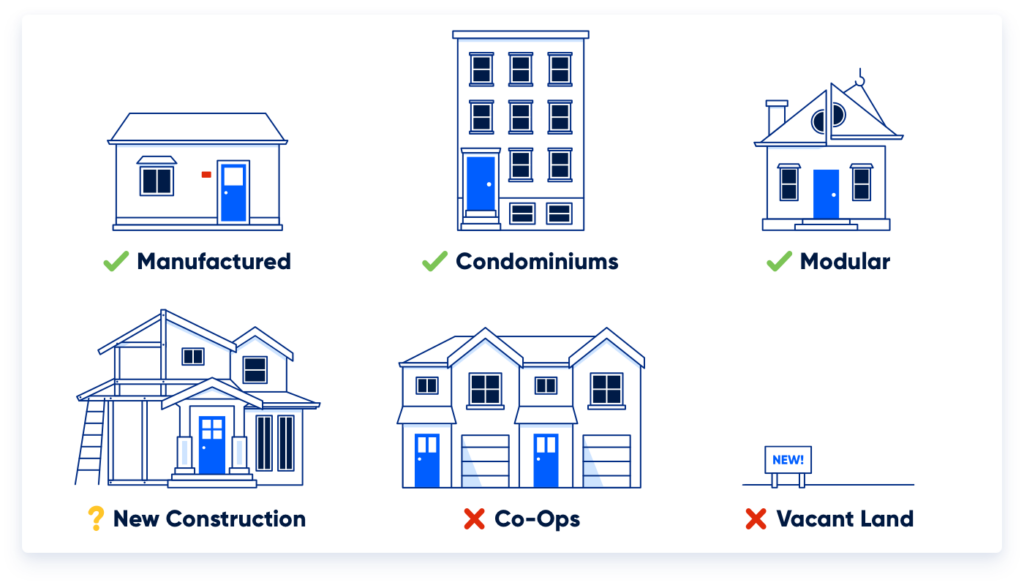
Borrowers can use VA loans to purchase various home types, including single-family homes, condominiums, mobile homes, and manufactured homes, as long as they meet the VA minimum property requirements (MPRs) and serve as the borrower’s primary residence. However, condominiums must be in a VA-approved complex, although borrowers can request approval for non-listed developments. Manufactured and modular homes must be permanently affixed to a foundation in adherence with HUD and VA home standards. Barndominiums, tiny homes, and other trendy properties may qualify for a VA loan if they meet the MPRs and other required standards. However, VA loans cannot be used to purchase vacant land unless it’s combined with a construction loan for an approved home. The primary criterion for any property is its safety, structural soundness, and move-in readiness, ensuring veterans have a stable place to call home.

A Visual example of home types accepted for VA home loans.

VA Refinancing Options

Veterans are provided two options when it comes to refinancing options through the VA loan program. First is the VA Interest Rate Reduction Refinance Loan (IRRRL) and second is the VA Cash-Out Refinance. The IRRRL also referred to as the VA Streamline is the most common refinancing option for veterans. This is a low-cost option, that in some cases doesn’t require credit underwriting, verification of income, or an appraisal. For veterans to be eligible for the VA IRRRL, they must currently have a VA loan, set a limit on the time it takes to regain costs and fees, and the new rate must be smaller than the previous one. The VA Cash-Out Refinance loan allows a veteran to exchange their current loan for a new one with different terms. Veterans also receive the option to take out cash on their home equity and can refinance up to 90 percent of their home value. The VA Cash-Out Refinance loan is open to veterans with or without a current VA loan, but they must qualify for a COE. This is a good refinancing option for veterans who do not currently have a VA mortgage.

A VA refinanced home loan getting the best rates.

VA Home Loan Types

Multiple home loan types are available to eligible applicants. There are two Direct Home loan options, the first is a VA Direct home loan where the U.S. Department of Veteran Affairs serves as the mortgage lender by working directly with veterans to help them apply for and manage the home loan. The second Direct type is the Native American Direct Loan (NADL). The NADL applies to veterans or their spouses who are Native Americans. This loan helps them buy, build, and improve a home on federal trust land. Purchase Loans or VA-backed home loans are the third type. The VA-backed home loan is a great option in which the VA guarantees a portion of the loan you receive from private lenders. In the case of a foreclosure on the house, your guarantee allows recovery of some or all losses. Another favorable term is that nearly all VA-backed home loans have zero down payment. To qualify, applicants must meet a certain credit score standard and get the home appraised.

Summary

Veteran saluting the country with the American flag.

VA home loans provide a valuable pathway for veterans, active-duty service members, and qualifying spouses to achieve homeownership. With benefits like zero down payment, competitive/low interest rates, and no PMI it is the most favorable mortgage type. Understanding eligibility requirements, property qualifications, loan types, and VA refinancing options helps applicants make informed decisions about their mortgage choices. No matter whether refinancing, purchasing, or building, the VA loan program can make buying a home realistic for every veteran. To find more information on VA home loans, visit the U.S. Department of Veterans Affairs VA home page at, https://www.va.gov/housing-assistance/home-loans/.

Is Utah Home Buying ACTUALLY Hard For First-Timers?

Since the beginning of our country, buying a home has been a staple of what it means to be successful, representing the “American Dream” for many. However, there are quite a few barriers to home buying that may seem daunting for first-time home buyers in Utah. How will I secure the funds for a down payment? How long should I expect to be making payments? What tools are available to guide me along the process? These are but a few of the questions first-time homebuyers in Utah weigh when making this decision, making it difficult to know where to start. In this article, we are going to dig deeper to see if it really is as difficult as they say for young adults to buy their first homes in Utah and what resources they can use to help with the process!

First-Time HomeBuyer Couple Smiling in the living room of their new home

Who is a “First-Time Home buyer” in Utah?

A first-time homebuyer in Utah is someone purchasing a primary residence for the first time or someone who hasn’t owned a home in the past three years. To meet first-time homebuyer Utah qualifications, buyers must typically meet specific income limits and credit requirements, depending on the program they apply for.

Programs like the Utah State First-Time Home Buyer Program and Utah Housing First-Time Home Buyer Grant provide financial assistance and favorable terms for eligible buyers. These programs offer a range of first-time homebuyer Utah benefits, including down payment assistance and lower interest rates.

Common Perceptions About Young First-Time Homebuyers in Utah

Many believe that buying a home in Utah is nearly impossible for young people, especially in competitive markets like Salt Lake City. Many young adults have expressed their worries about ever hoping to buy a home, while older generations question the validity of their complaints. This brings to light a serious question: are the issues with the market or personal issues that are truly affecting the rate at which young people buy their first property?

Are the requirements for first-time home buyers in Utah to secure a first-time mortgage realistic in this economy, or are young home buyers irresponsible with their purchasing habits, leading them to be stuck in these difficult situations?


The Scary Reality of Buying a Home as a First-Time Homebuyer

Recent reports have shown that there is a real challenge for potential young home buyers. The average age of first-time home buyers in Utah has jumped a staggering 10 years since 1991. As of 2024, the median age that a person buys a home for the first time had jumped from 28 to 38, meaning that this person spends a good portion of their early career saving up just to find a home. And with delinquency rates rising for first-time buyers in Utah, it is clear that there are significant strains for first-time home buyers in Utah.

Man-Screaming-At-Scary-statistics-for-first-time buyers

While these challenges may leave you screaming like the man above, the situation isn’t as bleak as it may seem. Many first-time home buyers in Utah are successfully purchasing homes by leveraging first-time home buyer assistance Utah programs, grants, and favorable loan options. These initiatives offer first-time mortgages with competitive first-time homebuyer interest rates and support for covering down payments. Factors like credit scores and income limits can be hurdles, but they are not impossible to overcome. By improving credit, budgeting wisely, and exploring various Utah first-time home buyer help programs, young buyers can find opportunities to purchase homes.

How To Achieve Your Dream of Buying a Home

Here’s a step-by-step guide to help younger buyers navigate the first-time homebuyer tips process in Utah:

  1. Assess Your Finances: Review your credit score and understand the first-time home buyer Utah qualifications. Use a first-time home buyer mortgage calculator to estimate what you can afford.
  2. Explore First-Time Buyer Programs in Utah: Look into the best first-time home buyer programs Utah offers, such as the Utah State First-Time Home Buyer Program and Utah Housing First-Time Home Buyer Grant.
  3. Get Pre-Approved for a Mortgage: Strengthen your offer by getting pre-approved for first-time mortgages. This shows sellers you are serious and financially prepared.
  4. Find a Real Estate Agent: Work with an agent experienced in helping first-time home buyers in Utah. They can guide you through the process and identify properties that meet your needs.

Buying a home in Utah can be challenging for first-time buyers due to rising prices, student debt, and credit requirements, but it is achievable with the right resources. Programs like the Utah State First-Time Home Buyer Program and Utah Housing grants offer financial assistance, down payment support, and lower interest rates. By improving credit, managing budgets, and exploring mortgage options, young buyers can increase their chances of homeownership. Researching grants, getting pre-approved for a loan, and working with a real estate agent can simplify the process. With careful planning and the right support, first-time buyers in Utah can confidently achieve their dream of homeownership.